

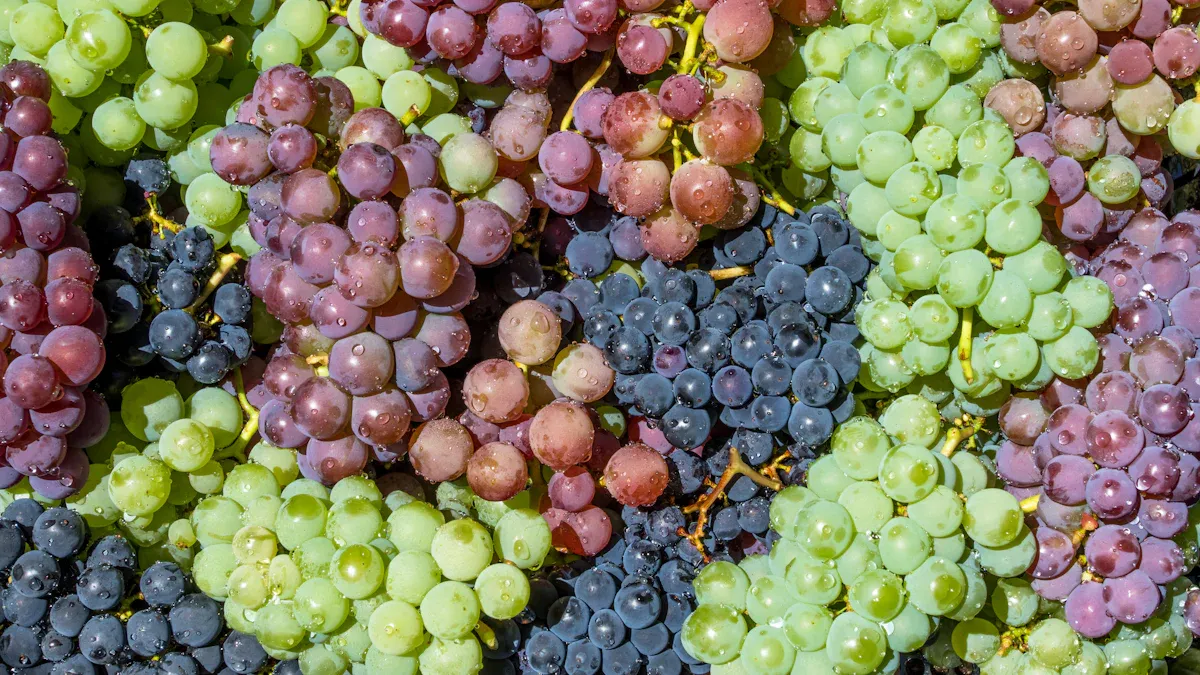
You often find grape must used in several important ways.
You see it as a sweetener in many foods because it contains natural sugars.
You notice its vital role in wine production, where it helps adjust alcohol levels.
You discover it as a key ingredient in making vinegars, especially Balsamic Vinegar of Modena.
Grape must brings rich flavor and sweetness to these products.
Key Takeaways
Grape must is a thick liquid made from crushed grapes, including juice, skins, seeds, and stems. It is essential for winemaking and adds unique flavors.
This ingredient serves as a natural sweetener in various foods, providing vitamins and minerals that benefit health.
Grape must is the base for traditional balsamic vinegar, influencing its taste, aroma, and color through cooking and fermentation.
During winemaking, grape must determines the wine’s color, flavor, and alcohol content, making it crucial for the fermentation process.
Safety is important; wash grapes to remove pesticides and consult a doctor if you have allergies or health conditions before consuming grape must.
What Is Must?
Grape Must Definition
You may wonder what is must when you hear about winemaking or cooking. Must refers to the thick, pulpy liquid you get from crushing fresh grapes. This liquid includes not only the juice but also the skins, seeds, and stems.
Grape must is defined as the liquid product obtained naturally or by physical processes from fresh grapes. It is freshly crushed fruit juice that includes the skins, seeds, and stems of the fruit, making it distinct from filtered grape juice.
When you look at grape must, you notice it is not clear like regular grape juice. It appears opaque and contains bits of grape solids. You find that grape must has a high glucose content, which makes it useful as a sweetener in many foods.
Grape must contains the skins, seeds, and stems of the fruit.
It typically has a high glucose content, making it useful as a sweetener in various cuisines.
Unlike grape juice, must is thick with particulate matter and opaque.
Composition of Must
You might ask what is must made of. The answer depends on the grape variety and how you press the grapes. The main components of grape must include water, sugars, minerals, and phenolic substances. You can see these details in the table below:
Component | Description |
|---|---|
Water | 70 – 80% of grape must |
Simple Sugars | Mainly glucose and fructose in equal parts |
Mineral Salts | Various essential minerals |
Phenolic Substances | Includes pigments, tannins, antioxidants |
You also find other important compounds in grape must:
Sugars
Organic acids
Phenolic compounds
Nitrogenous compounds
Aroma compounds
Minerals
The composition of grape must changes based on grape variety and pressing conditions. For example, Chardonnay and Pinot blanc grapes show different levels of acidity, color, and antioxidants depending on how you press them. Japanese grape varieties contain higher levels of minerals like calcium and strontium compared to European grapes. Vintage also affects mineral content, so you see differences in magnesium, phosphorus, and sulfur from year to year.
Grape Must in Winemaking
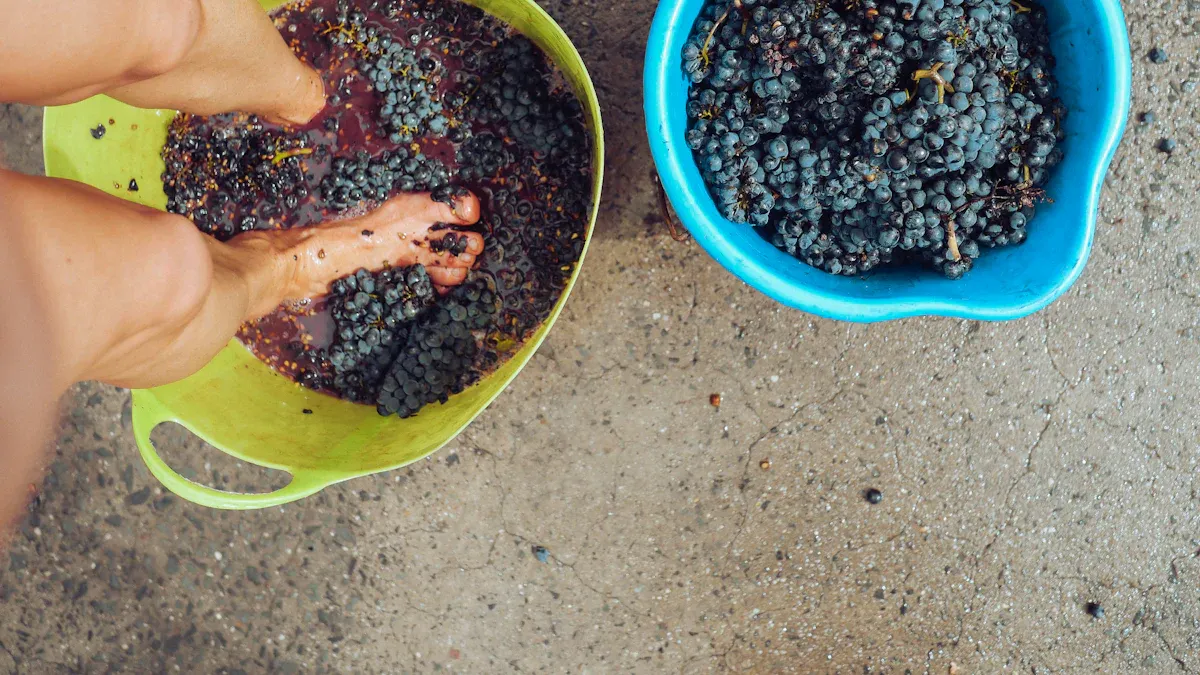
Must in Wine Making
You use grape must as the starting point for almost every wine. When you crush grapes, you get a thick mixture that includes juice, skins, seeds, and stems. This mixture is called grape must. You find that grape must sets the tone for the entire winemaking process. It decides the color, flavor, and structure of the wine you make.
Grape must is the freshly pressed grape juice that includes skins, seeds, and stems, essential for fermentation.
It influences the wine’s final characteristics, such as color, alcohol content, and sugar levels.
The process of maceration allows the juice to interact with the grape skins, which is crucial for building the wine’s structure and flavor.
You see that the must in wine making is not just juice. It is a complex mix that gives each wine its unique qualities. The way you handle grape must during winemaking changes the style and quality of the wine.
Fermentation Role
You rely on grape must to start fermentation. The natural sugars in grape must feed the yeast, which turns sugar into alcohol. The amount of sugar in grape must is measured by Brix. This measurement helps you predict how much alcohol the finished wine will have.
The Brix measurement indicates sugar concentration in grape must.
A higher Brix level leads to a higher potential alcohol content after fermentation.
For example, at 22° Brix, about 22% of the must is sugar, which can yield approximately 12.1% alcohol after fermentation.
To achieve a robust alcohol level of around 14% ABV, a target Brix of about 25 is ideal.
If starting with grapes at 17° Brix, the expected alcohol would only be about 9.4%, so you may need to add sugar to reach desired levels.
You also check the acidity of grape must during winemaking. You measure pH and titratable acidity to control the taste and stability of the wine. You can add tartaric acid to lower the pH or blend wines to adjust acidity. These steps help you create a balanced wine.
Tip: You can use a pH pen or meter to check acidity. Calibration is important for accurate readings.
Flavor in Winemaking
You discover that grape must shapes the flavor and aroma of wine. The compounds in grape must, such as sugars, acids, and phenolics, build the wine’s taste and scent. The way you manage grape must during winemaking changes the final flavor profile.
Key Findings | Description |
|---|---|
Role of Precursors | Glutathionyl and cysteinyl precursors can release aromatic thiols, impacting wine aroma. |
Glycosidic Precursors | Glycosides from grape marc can enhance the aftertaste of wines, showing their flavor value. |
Nitrogen Nutrition Impact | Nitrogen concentration in must affects aroma profiles and fermentation aromas. |
Terpene Synthesis | Nitrogen and lipid content in musts promote terpene accumulation, key for wine aroma. |
Vintage Effect | The year of production can change the aromatic characteristics of the wine. |
Yeast Strain Contribution | Some yeast strains, like Hanseniaspora vineae, improve aroma and flavor complexity. |
Autolysis Effects | Polysaccharides from yeast autolysis enhance mouthfeel and aroma persistence. |
You also notice that grape must affects the color and tannin structure of wine. When you crush grapes, color starts to leach from the skins. Tannins, which give wine structure and mouthfeel, are extracted during maceration and fermentation. Higher alcohol levels help extract more tannins. The amount and type of tannins depend on the grape variety and winemaking technique.
Color begins to leach from grape skins immediately upon crushing.
Tannins require alcohol for extraction, with higher alcohol levels enhancing this process.
Anthocyanins, responsible for red and blue pigments, are more easily extracted than tannins during the initial stages.
As fermentation progresses, anthocyanins combine with tannins, forming less vibrant pigments.
Some winemakers add enological tannins to stabilize color.
You see that grape must is not only important for the wine itself. By-products from grape must, such as grape pomace, can be used for other products. This adds economic value to the winemaking industry.
Culinary Uses of Grape Must
Sweetener Applications
You find grape must in many packaged foods because it is used as a sweetener. The natural sugars in grape must, mainly glucose and fructose, give foods a pleasant taste. You see grape must added to cakes, biscuits, and fillings in different regions. In ancient Greece, people used grape must in desserts like moustalevria and moustopita. You notice that grape must also appears in drinks and as a syrup for preserving fruits.
The process for making grape must suitable for sweetening involves several steps. You can see these steps in the table below:
Step | Description |
|---|---|
1 | Harvesting grapes using a mechanical harvester and transporting them to the processing facility. |
2 | Removing stems and leaves using a rotating perforated drum. |
3 | Crushing grapes and heating them to 60 °C (140 °F) with added press aid and pectinase enzyme. |
4 | Pressing the mash to extract juice, maximizing yield. |
5 | Filtration of the juice to remove insoluble solids, achieving minimal solids (1% or lower). |
6 | Heating the filtered juice to 85–88 °C (185–190 °F) for pasteurization, then cooling it. |
7 | Storing the juice in tanks, with potential re-pasteurization if necessary. |
8 | Final filtration process using diatomaceous earth to prevent sedimentation in the bottled juice. |
You benefit from grape must’s vitamins, minerals, and antioxidants. Compared to other sweeteners, grape must provides potassium, magnesium, and iron. It also helps balance gut microbiota and enhances flavor.
Balsamic Vinegar Base
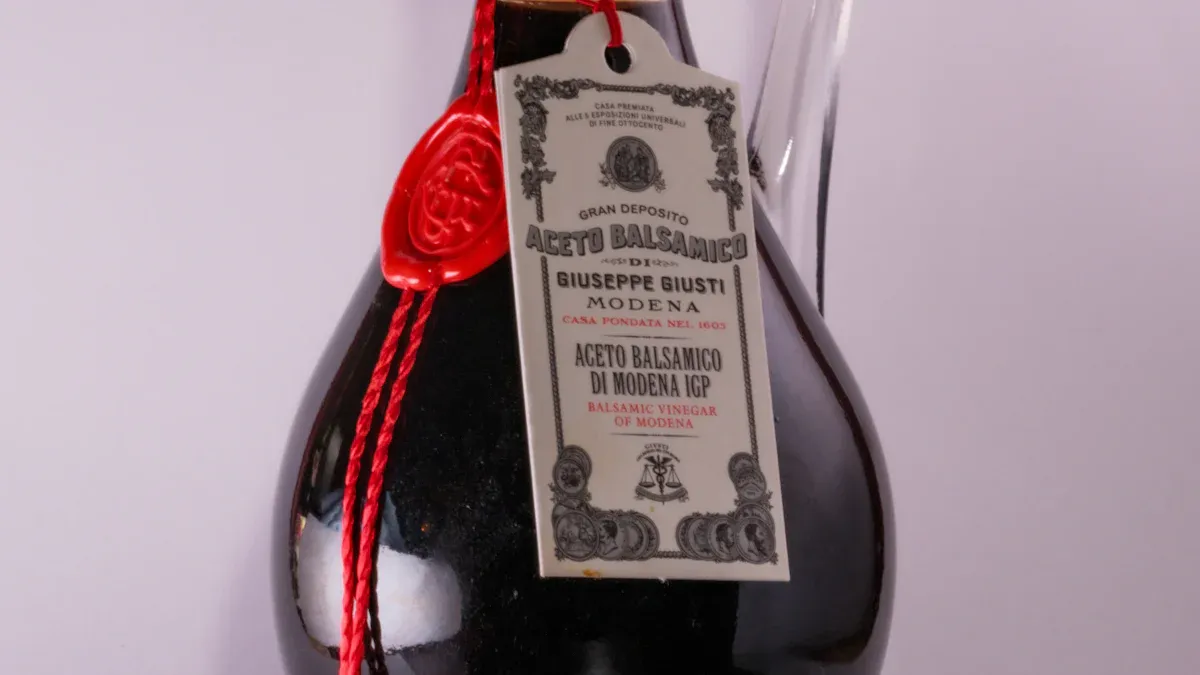
You use grape must as the main ingredient in traditional balsamic vinegar. The process starts with freshly squeezed grape juice from selected varieties. You cook the juice to reduce its volume and concentrate the sugars. The cooked grape must then ferments and ages, which creates the vinegar’s unique flavor and sweetness.
Grape must serves as the base for balsamic vinegar.
It influences the taste, aroma, and color of the final product.
You find cooked grape must, known as Saba, in Modena, Italy, where it is essential for authentic balsamic vinegar.
You also see grape must in regional dishes, such as sabatoni and Christmas bread. It appears in sweets and as a condiment with cheeses and polenta.
Cooked Grape Must
You notice a difference between raw and cooked grape must in cooking. When you cook grape must, you increase the concentration of sugars, acids, and polyphenols. Cooking also creates new compounds, such as melanoidins, which add flavor and color. The table below shows what changes during cooking:
Change Observed | Description |
|---|---|
Concentration of Constituents | Cooking leads to increased concentration of sugars, organic acids, nitrogen compounds, metal ions, and polyphenols. |
Formation of New Compounds | New compounds such as hydroxymethylfurfural and melanoidins are formed, contributing to flavor and color. |
Degradation of Phenolics | Simple phenolics degrade, leading to the formation of condensed tannins, which affects antioxidant activity. |
Thermal Degradation of Sugars | Sugars undergo thermal degradation under acidic conditions, resulting in furan derivatives. |
Maillard Reaction Products | Alpha-amino acids react with sugars, forming Maillard reaction products like HMF and melanoidins, which have antioxidant properties. |
You use cooked grape must in sweets, sauces, and drinks. You find it in Italian recipes as Saba or Vin Cotto. You also see it paired with aged cheeses or diluted for refreshing beverages.
Tip: You can use cooked grape must to add depth and sweetness to both savory and sweet dishes.
Safety and Consumption
Is Grape Must Safe?
You may wonder if grape must is safe to eat. Most people can enjoy grape must without problems, but you should know about some risks and benefits. Grapes contain nutrients that may help with health conditions like fatty liver disease, obesity, and even Parkinson’s disease. You get vitamins, minerals, and antioxidants from grape must.
However, grapes often have pesticide residue. You should wash grapes well before using them. If you have allergies, you need to be careful. Some people react to grape proteins and may have symptoms like itching, skin rashes, or breathing problems. You see these reactions more often in people who also react to apples, peaches, or cherries.
Evidence Type | Description |
|---|---|
Patient Demographics | 61 patients aged 14-52 with grape allergies |
Symptoms Reported | Oral allergy (77%), skin symptoms (93.4%), respiratory symptoms (75.4%) |
Cosensitizations | Apple (81.9%), peach (70.5%), cherry (47.5%) |
You should avoid grape must if you have a grape allergy. People with kidney problems or those taking beta blockers need to watch their potassium intake. If you take blood thinners, ask your doctor before eating large amounts of grapes, since grape compounds may affect bleeding.
Tip: Always check with your doctor if you have health conditions or take medications that interact with grapes.
Common Allergens in Grape Must
Vit v 1: Lipid transfer protein
Vit v 4: Profilin protein
Vit v 5: Chitinase-like protein
Vit v Thaumatin: Thaumatin-like protein
Vit v Glucanase: Beta-1,3-glucanase protein
Dietary Notes
You may want to know if grape must fits your diet. Grape must is vegan and gluten-free, so you can use it if you avoid animal products or gluten. If you follow a low-sugar diet, you should limit grape must because it contains natural sugars.
Dietary Restriction | Compatibility |
|---|---|
Vegan | Yes |
Gluten-Free | Yes |
Low-Sugar | Not specified |
You see that food producers use several methods to keep grape must safe for eating. They may use SO2 fumigation to stop mold and bacteria. Some use liquid-based techniques like spraying or immersing to keep grape must fresh. Others use irradiation or essential oils to kill germs and extend shelf life.
Method | Description |
|---|---|
SO2 Fumigation | Controls fungal diseases and spoilage |
Liquid-based Techniques | Spraying, vaporizing, or immersing to keep quality |
Irradiation | Uses gamma rays or X-rays to kill pathogens |
Essential Oils | Clove and cinnamon oils fight bacteria and fungi |
You also find that cooked grape must is safer for culinary use. Cooking stops fermentation and kills most germs. You can use cooked grape must in sauces, desserts, and drinks without worrying about spoilage.
Note: The FDA does not require strict safety rules for wine grapes since people rarely eat them raw. This makes it easier for producers to focus on quality.
You see grape must as a vital ingredient in winemaking, cooking, and vinegar production.
You use it to create wines and liquors, sweeten foods like grape pudding, and make traditional balsamic vinegar.
You benefit from its ability to extend shelf life, add flavor, and boost health properties.
Future Trends in Grape Must Usage | Description |
|---|---|
Health-Conscious Applications | Demand for natural, minimally processed products grows. |
Innovative Product Development | New drinks and foods use grape must for flavor and nutrition. |
You recognize grape must as a versatile and important part of food and beverage production.
FAQ
What is the difference between grape must and grape juice?
Grape must contains juice, skins, seeds, and stems. Grape juice is filtered and clear. You use grape must for winemaking and cooking. You drink grape juice as a beverage.
What foods can you make with grape must?
You can make desserts, syrups, and sauces. You find grape must in cakes, biscuits, and traditional sweets like moustalevria. You also use it as a base for balsamic vinegar.
What nutrients do you get from grape must?
You get natural sugars, potassium, magnesium, and iron. Grape must also provides antioxidants and vitamins. You benefit from these nutrients when you use grape must in foods.
What does cooked grape must taste like?
Cooked grape must tastes sweet and rich. You notice hints of caramel and fruit. You use it to add depth to sauces, desserts, and drinks.
What should you check before eating grape must?
You should check for allergies to grapes. You need to wash grapes well to remove pesticides. You should ask your doctor if you have health conditions or take medications that interact with grape compounds.