


Want the easiest way to cook broccoli leaves? Toss them in a pan with olive oil and garlic for a tasty sauté. You can use these leaves just like kale or spinach. Check out how they stack up nutritionally:
Nutrient | Broccoli Leaves | Kale | Spinach |
|---|---|---|---|
Vitamin A | Higher | Lower | Moderate |
Protein | Good source | Good source | Good source |
Try mixing them with other greens or experiment with different recipes!
Key Takeaways
Broccoli leaves are nutritious and versatile. They can be sautéed, steamed, boiled, grilled, or stir-fried, making them easy to incorporate into various meals.
To prepare broccoli leaves, select fresh ones, wash them thoroughly, and chop them into bite-sized pieces. Store any leftovers properly to maintain freshness.
Cooking with broccoli leaves reduces food waste and adds flavor and nutrients to your dishes. Try them in pasta, soups, or salads for a healthy twist.
Prep Broccoli Leaves
Harvest & Select
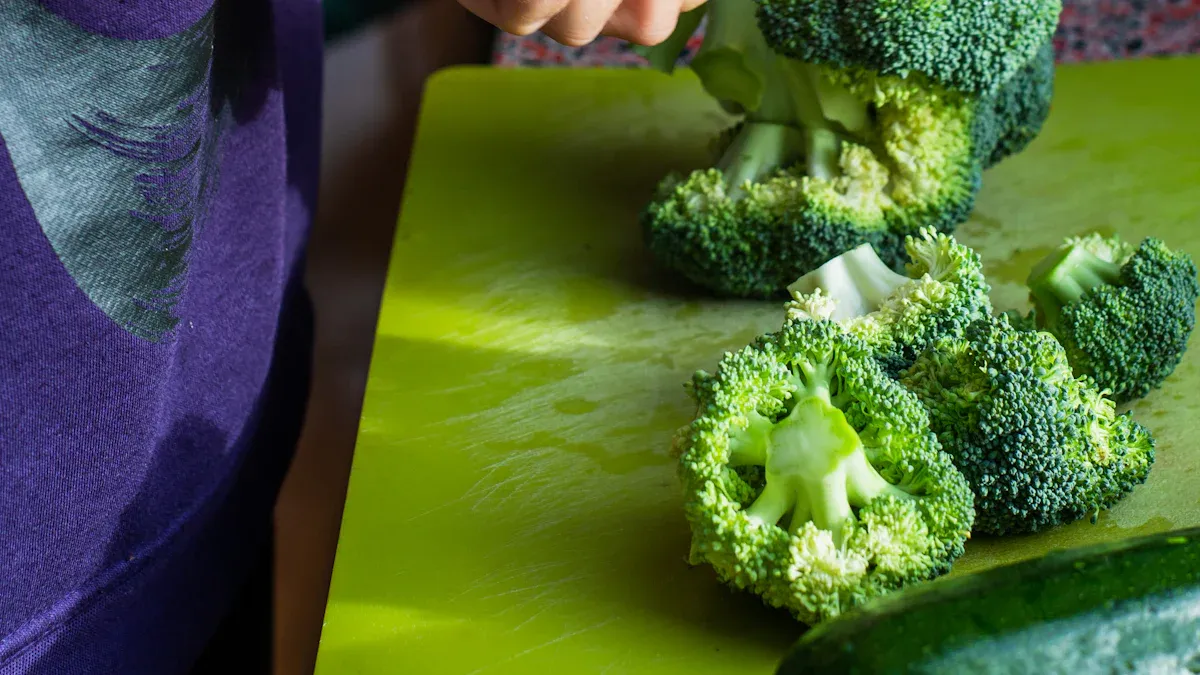
When you pick broccoli leaves, you want them fresh and vibrant. At the farmers market or grocery store, look for broccoli with dark green crowns and firm stalks. Skip any bunches with yellow or brown spots. The best leaves come from broccoli with tightly packed crowns and stems that feel sturdy. If you grow your own, harvest leaves before the plant flowers for the best flavor.
Tip: Gather a good-sized bunch. Broccoli leaves cook down a lot, just like spinach or kale.
Wash & Trim
Rinse the leaves under cool water to remove dirt and bugs. Shake off excess water or pat dry with a clean towel. Trim away any tough stems or damaged edges. You can leave the tender stems attached, but thick ones might taste bitter or chewy.
Remove any yellow patches or wilted spots.
Cut off thick stems if you want a softer texture.
Chop & Store
Chop the leaves into bite-sized pieces. This makes them easier to cook and eat. If you have extra, store them in your fridge. Wrap the leaves in a damp paper towel and place them in a perforated plastic bag. You can also keep them upright in a jar with a little water, covered loosely with a plastic bag. Fresh broccoli leaves last about 3 to 7 days if you store them right. Wash them just before you cook to keep them crisp.
Cook Broccoli Leaves

Broccoli leaves are super versatile. You can cook broccoli leaves in many ways, just like you would with other leafy greens. Let’s look at what you can do with broccoli greens in your kitchen.
Sauté
Sautéing is one of the quickest ways to cook broccoli leaves. You just need a pan, a splash of olive oil, and some garlic. Heat the oil over medium heat. Toss in chopped broccoli greens. Stir them around for about 2 to 4 minutes. If you want extra flavor, add a little water and cover the pan for a minute. You can also throw in bacon or onions. The leaves will wilt and turn bright green. They taste sweet and tender. Sautéed broccoli leaves work well as a side dish or mixed into pasta.
Tip: Sautéing with garlic and olive oil is a classic Mediterranean combo. Try adding lemon juice or parmesan for extra zing.
Steam
Steaming helps broccoli greens keep their nutrients. Place the leaves in a steamer basket over boiling water. Steam for about 30 seconds until they turn soft and bright. Steamed broccoli leaves hold onto vitamin C and other healthy stuff. You can eat them plain, toss them with a little salt, or use them as wraps for stuffing, just like grape leaves.
Steaming keeps more protein and sugars than boiling or stir-frying.
You lose almost no vitamin C when you steam broccoli leaves.
Boil
Boiling is simple. Drop chopped broccoli leaves into boiling water for 1 to 2 minutes. Drain and rinse with cold water to keep the color. Boiled broccoli greens are great in salads or as a base for casseroles. If you boil them too long, they get mushy and lose some nutrients, so keep an eye on the clock.
Grill
Grilling gives broccoli leaves a smoky flavor. Brush whole leaves with olive oil. Place them on a hot grill for about 1 minute per side. The edges get crispy, and the leaves stay tender. Grilled broccoli greens taste great with sun dried tomatoes, feta cheese, or a squeeze of lemon.
Stir-Fry
Stir-frying is popular in Asian cuisine. Use a neutral oil like avocado or peanut oil. Heat the oil in a wok or skillet. Add chopped broccoli leaves and stir for 2 to 3 minutes. Toss in oyster sauce, soy sauce, or sesame oil for flavor. You can mix broccoli greens with spinach or green onions for variety. Stir-fried broccoli leaves go well with rice or noodles.
Note: Try adding a splash of Shaoxing wine or a pinch of sugar for a restaurant-style stir-fry.
Add to Soups
Broccoli leaves make soups richer and healthier. Chop the leaves and add them to vegetable soup, chicken soup, or minestrone. They give a flavor like collards and boost the nutrition. Broccoli greens add vitamins C, K, and A, plus minerals like calcium and iron. You can also use them in stews or chili.
Broccoli leaves make soup taste deeper and add lots of nutrients.
They work well with carrots, potatoes, and beans.
Broccoli Leaves Recipes
You can cook broccoli leaves in many recipes. Here are three simple ideas:
Broccoli Leaves and Spaghetti
Cook spaghetti. Sauté 4-5 cups of chopped broccoli leaves with garlic and butter. Toss with the pasta and sprinkle with cheese.Broccoli Leaves Patra
Mix besan flour with spices. Spread on 4 large broccoli leaves. Roll them up, steam, and slice for a tasty snack.Broccoli Pesto Pasta
Blend broccoli leaves with garlic, pine nuts, and cheese. Stir the pesto into cooked pasta.
Broccoli greens also taste great in salads, smoothies, frittatas, or as pizza toppings. You can mix them with basil, spinach, or green onions for more flavor. Try using them as wraps after blanching, or freeze-wilt them for a quick prep.
Leafy Greens Combination | Recipe Source |
|---|---|
Basil, Broccoli Greens, Spinach | Broccoli Pesto Pasta |
Broccoli Greens, Green Onion, Rosemary | Sautéed Broccoli Greens |
Tip: Broccoli leaves have only 31 calories per 100g serving. They pack more vitamins and minerals than broccoli florets, including calcium, manganese, and vitamin K.
If you have leftovers, store cooked broccoli leaves in an airtight container in the fridge. They stay fresh for three to five days. For longer storage, blanch and freeze them.
Broccoli leaves are often tossed out, but they taste sweet and tender. Cooking with broccoli greens helps reduce food waste and makes the most of your broccoli plant. Kids might enjoy helping you pick and prepare the leaves. Try making veggie pizza faces or broccoli tots for fun.
Note: Some people may have allergies to broccoli leaves because of certain proteins. If you notice any symptoms, check with your doctor.
Broccoli leaves bring a lot to your table. You get more beta-carotene than from florets, plus fiber and other nutrients. These leaves help you use more of your ingredients and support sustainable eating. Try them in salads, wraps, or as chips. They make dinner both healthy and exciting.
FAQ
What do broccoli leaves taste like?
Broccoli leaves taste mild and slightly sweet. You might notice a hint of earthiness. They work well in many recipes for dinner.
What ingredients pair best with broccoli greens?
You can mix broccoli greens with garlic, lemon, cheese, or bacon. These ingredients bring out their flavor in any recipe.
What recipes use broccoli leaves for dinner?
You can add broccoli leaves to pasta, stir-fries, soups, or salads. These recipes make dinner healthy and colorful.