


Yes, you can eat shishito pepper seeds. The seeds feel soft and taste mild, so you do not need to worry about extra heat.
Most people eat the whole pepper, seeds and all, because the skin chars quickly and tastes great.
You might remove seeds for young kids or if you prefer a smoother bite.
Key Takeaways
Shishito pepper seeds are safe to eat and have a mild flavor. You can enjoy the whole pepper without worrying about extra heat.
Eating shishito pepper seeds provides dietary fiber, which supports digestion and overall health. Moderation is key to avoid mild stomach discomfort.
You can prepare shishito peppers whole for easy cooking. The seeds soften during cooking, blending in with the pepper’s texture.
Shishito Pepper Seeds: Safety
Edibility
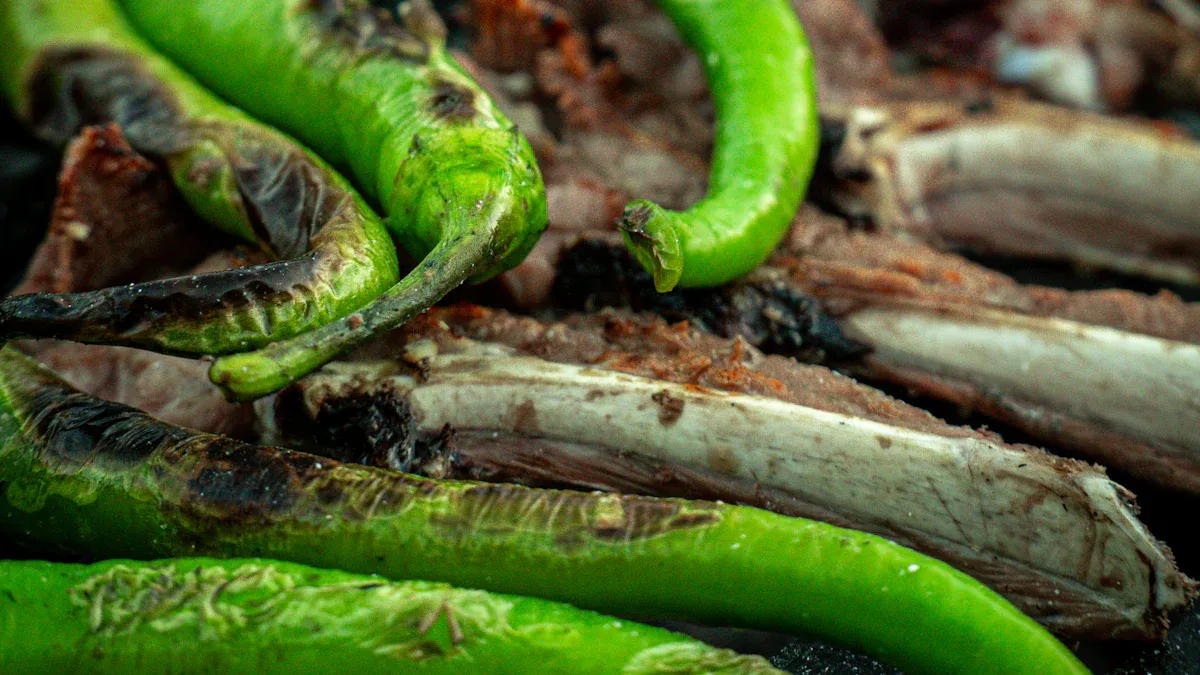
You might wonder if Shishito Pepper Seeds are safe to eat. You do not need to worry. These seeds are edible and pose no harm. Food safety research shows that eating pepper seeds is generally healthy. The seeds contain dietary fiber, which helps your digestion and supports your health. You get benefits like lower risk of obesity and heart problems when you eat fiber.
Tip: If you eat a lot of pepper seeds, you could feel mild stomach discomfort. Eating in moderation is best.
Culinary experts agree that you can eat the whole shishito pepper, seeds and stem included. Here are some expert opinions:
Culinary experts suggest that the entire shishito pepper, including seeds and stems, is edible.
You can eat the whole pepper – stem and seeds included – so don’t be shy! Source
You can eat the whole pepper – stem and seeds included – so don’t be shy! Source
You do not need to remove Shishito Pepper Seeds unless you want a smoother texture or you are serving young children.
No Extra Heat
Many people think pepper seeds make food spicier. That is not true for Shishito Pepper Seeds. Scientific studies show that the heat in shishito peppers comes from the inner ribs, not the seeds. The seeds do not add extra heat. The spiciness of shishito peppers depends on genetics and growing conditions.
If you bite into a shishito pepper and find it spicy, the seeds are not the reason. You can eat the seeds without worrying about extra heat. Most shishito peppers taste mild, and the seeds blend in with the soft flesh.
Note: If you want to avoid heat, you can remove the inner ribs, but leaving the seeds in will not make your dish hotter.
Taste and Texture
Mild Flavor
When you bite into a shishito pepper, you notice a gentle, sweet taste. The seeds inside do not change this flavor much. Most people find that Shishito Pepper Seeds taste mild, just like the rest of the pepper. You will not get a bitter or strong taste from the seeds. Chefs often describe the flavor of shishito peppers as:
Sweet and mild
Slightly smoky, even before cooking
Herbal and fresh
The seeds blend in with these flavors. You might not even notice them when you eat the whole pepper. If you enjoy mild peppers, you will likely enjoy the seeds too.
Tip: If you want a stronger taste, try blistering the peppers in a hot pan. This brings out the smoky notes.
Soft Texture
You may wonder what the seeds feel like when you eat them. Shishito Pepper Seeds have a soft texture. They do not crunch or feel hard in your mouth. When you cook the peppers, the seeds become even softer. Many people say the seeds almost melt into the flesh of the pepper. You can eat the whole pepper without worrying about a gritty or tough bite.
If you serve shishito peppers to kids or people who prefer a very smooth texture, you can remove the seeds. Most people, though, eat them whole and enjoy the soft, mild experience.
Preparation Tips
Eating Whole
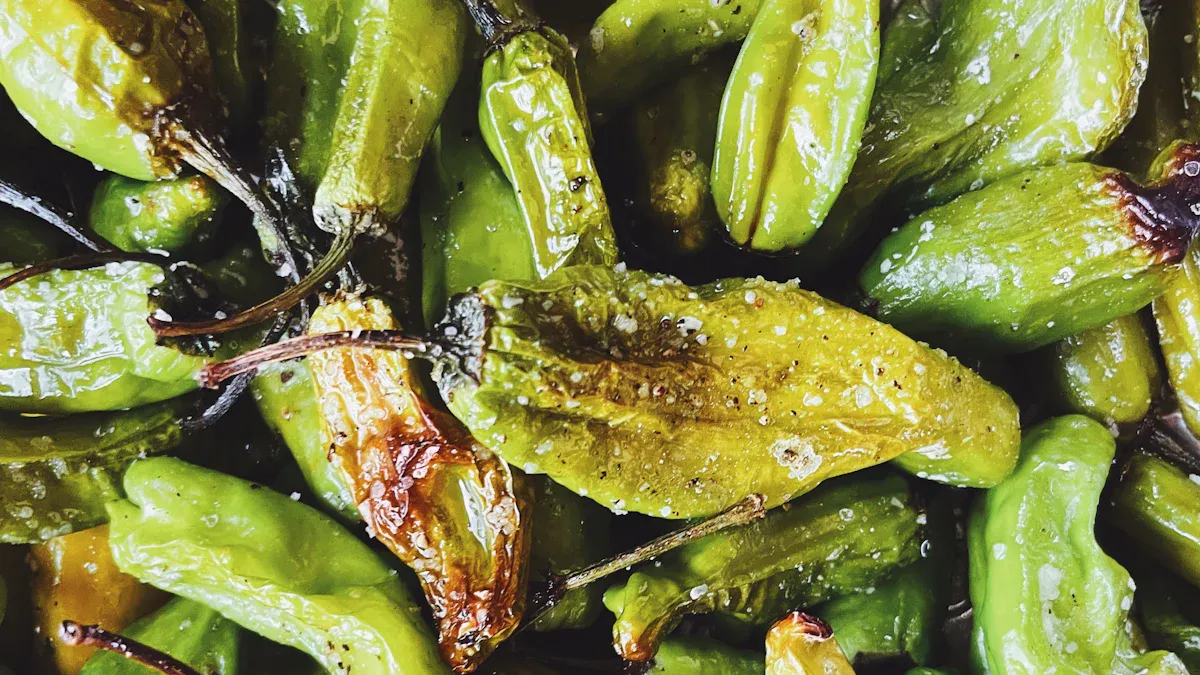
You might wonder what the most common way to enjoy shishito peppers is. Most people eat them whole, seeds and all. Restaurants and home cooks love this method because it’s quick and easy. You don’t need to fuss with removing seeds or cleaning out the inside. The seeds soften as the peppers roast or blister, so you barely notice them.
“There’s no need to remove the seeds from inside or to clean out the peppers inside… the seeds soften as the peppers are roasted and you barely notice them.”
You’ll see shishito peppers cooked in many ways. Chefs often use high heat to blister the skin, which brings out a smoky flavor. Here are some popular methods:
Pan frying or grilling
Roasting in a cast iron skillet
Oven roasting
Air frying or deep-frying
You can enjoy dishes like creamed shishito peppers, grilled shishito peppers with lemon and sea salt, or blistered shishito peppers in soy ginger sauce. In Japanese cuisine, people usually eat the whole pepper, including the seeds, because the walls are tender.
Removing Seeds
You may ask, “Should I remove the seeds?” The answer depends on your preference. The seeds do not change the flavor or heat level, so there’s no culinary reason to remove them. Some recipes, like pasta, suggest removing seeds to avoid biting into them, but this is rare.
If you want a smoother texture or you’re serving young children, you can take the seeds out. Most home cooks skip this step because shishito peppers are naturally mild.
No. Since these peppers are naturally mild, you don’t need to worry about removing the seeds.
What you choose depends on your taste and who you’re serving. Shishito Pepper Seeds blend in with the pepper, so you can enjoy them whole or seedless.
Health Considerations
Allergies
You might wonder what allergy risks come with eating shishito pepper seeds. Most people do not experience allergic reactions from these seeds. If you have a pepper allergy, you should avoid shishito peppers and their seeds. Some individuals with histamine sensitivity choose to skip shishito peppers. Capsaicin, a natural compound in peppers, can sometimes irritate your digestive system or trigger mild reactions. If you notice itching, swelling, or stomach upset after eating peppers, you should talk to your doctor.
Tip: If you have food allergies or sensitivities, always check with a healthcare professional before trying new foods.
Digestion
What happens to your digestion when you eat shishito pepper seeds? For most people, these seeds do not cause problems. Shishito pepper seeds contain dietary fiber, which helps keep your digestive system healthy. Fiber supports regular bowel movements and can lower your risk of heart disease.
Here’s a quick look at the nutrition in shishito pepper seeds:
Nutrient | Amount per 100g | % Daily Value (DV) |
|---|---|---|
Fiber | 2 g | 18% |
Water | 92% | N/A |
Carbohydrates | 6% | N/A |
Protein | 2% | N/A |
Fat | >1% | N/A |
If you have a sensitive stomach, you may want to eat shishito peppers in moderation. Capsaicin-rich foods, like shishito peppers, can sometimes irritate your digestive tract. You might feel heartburn or diarrhea if you eat too many. People with histamine-related issues often avoid these peppers because capsaicin may bother their stomach.
Most people enjoy shishito pepper seeds without any trouble. If you have digestive concerns, try a small amount first and see how you feel.
You can safely eat Shishito Pepper Seeds. They taste mild and feel soft, so you probably will not notice them.
Try eating peppers with and without seeds to see what you like best.
Tip: Just wash the peppers and cook them whole for easy prep.
FAQ
What do shishito pepper seeds look like?
You will see small, pale, round seeds inside each pepper. They look a bit like tiny beads and blend in with the pepper’s flesh.
What happens if you eat a lot of shishito pepper seeds?
You might feel mild stomach discomfort if you eat too many. Most people do not notice any problems when eating a normal amount.
Tip: Try a few first to see how your stomach feels.
What is the best way to prepare shishito peppers with seeds?
Wash the peppers well. Cook them whole in a hot pan or oven. The seeds will soften and blend in with the rest of the pepper.