

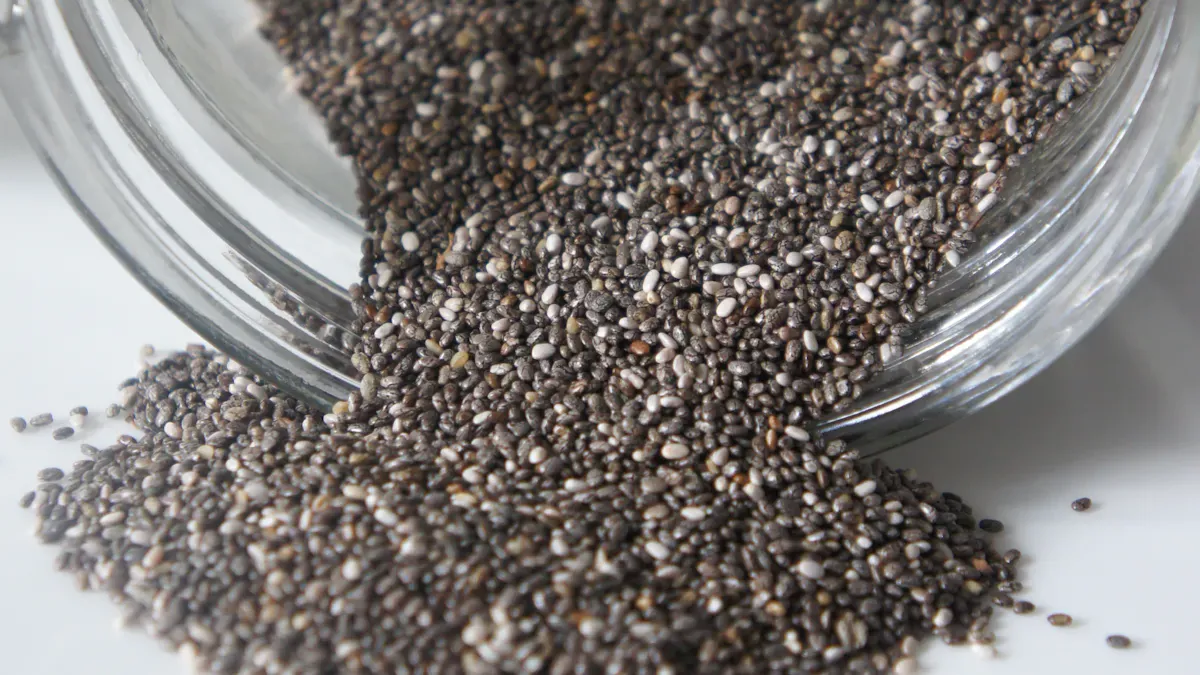
Chia seeds are a fantastic low FODMAP superfood packed with nutritional benefits. These tiny seeds provide a rich source of fiber, omega-3 fatty acids, and antioxidants. If you’re following a low FODMAP diet, chia seeds can help you enjoy a healthy, balanced diet without triggering digestive issues.
| Nutritional Benefit | Description |
|---|---|
| High Fiber Content | Chia seeds contain 10 grams of fiber per ounce, aiding in digestive health and alleviating IBS symptoms. |
| Omega-3 Fatty Acids | These fatty acids may help reduce inflammation in the gut, beneficial for IBS sufferers. |
| Antioxidants and Minerals | Chia seeds provide antioxidants and essential minerals, supporting overall health. |
What Are Chia Seeds?
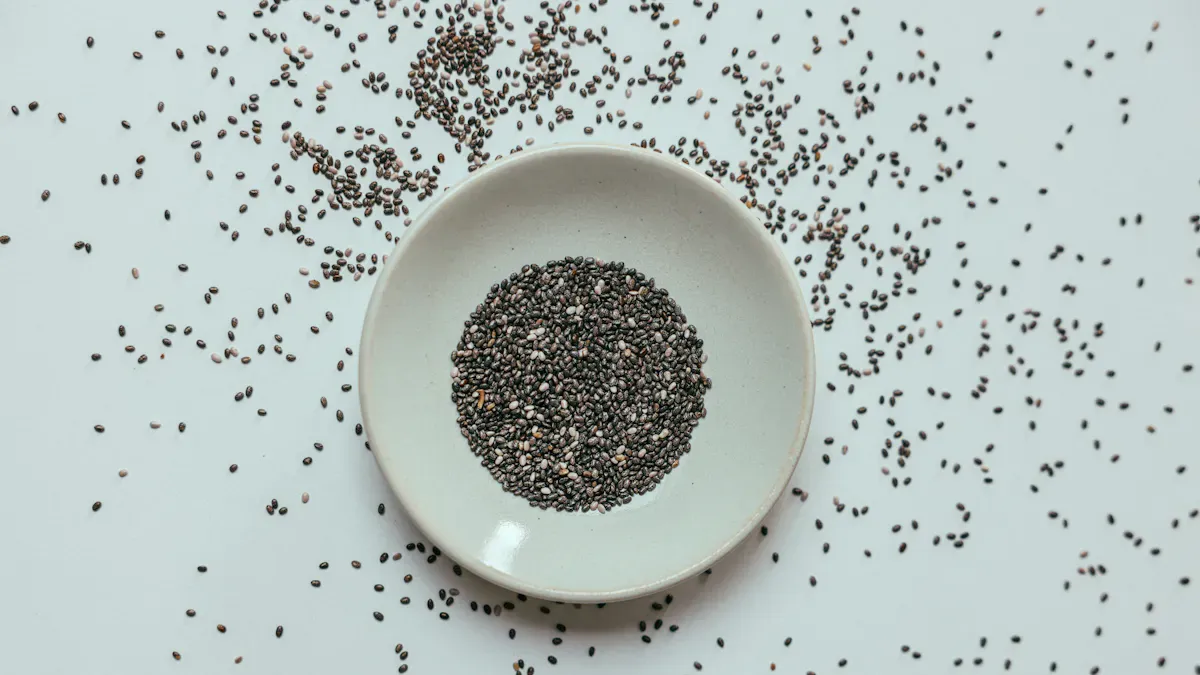
Chia seeds come from the plant Salvia hispanica L., a member of the mint family. These tiny seeds have gained popularity as a superfood due to their impressive nutritional profile. They are rich in essential nutrients that can support your overall health.
Nutritional Profile
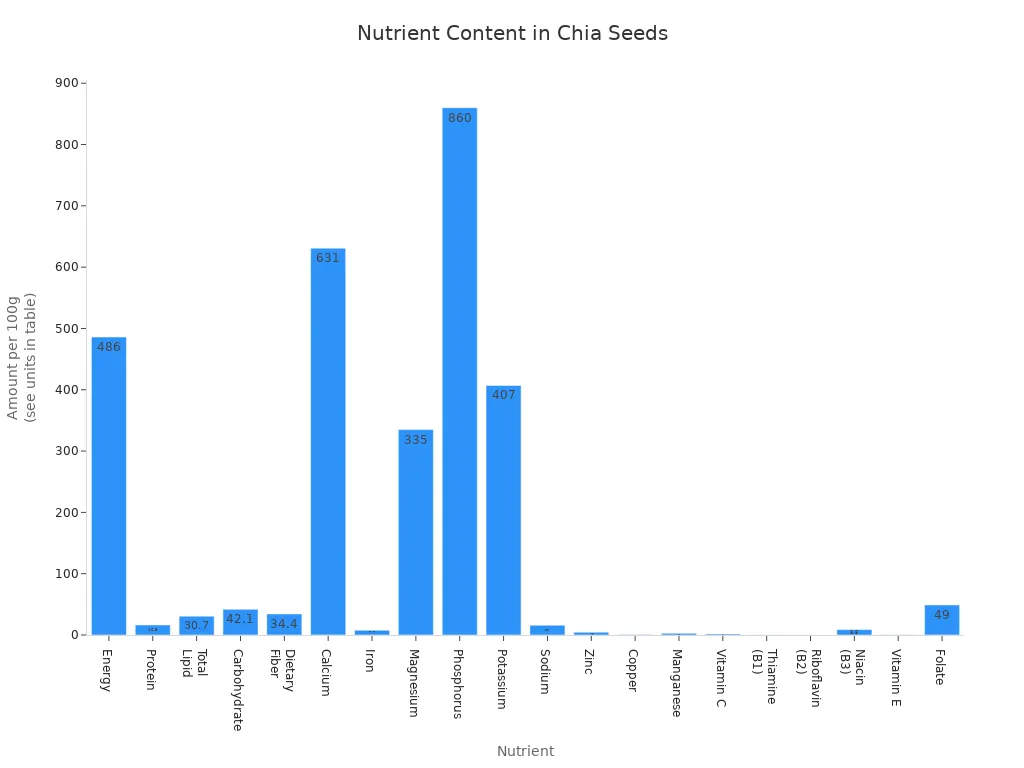
When you look at the nutrition of chia seeds, you’ll find they pack a powerful punch. Here’s a quick overview of their macronutrients and micronutrients per 100 grams:
| Nutrient | Approximate Amount per 100g |
|---|---|
| Energy | 486 kcal |
| Protein | 16.5 g |
| Total Lipid | 30.7 g |
| Carbohydrate | 42.1 g |
| Dietary Fiber | 34.4 g |
| Calcium | 631 mg |
| Iron | 7.7 mg |
| Magnesium | 335 mg |
| Phosphorus | 860 mg |
| Potassium | 407 mg |
| Sodium | 16 mg |
| Zinc | 4.6 mg |
| Copper | 0.9 mg |
| Manganese | 2.7 mg |
| Vitamin C | 1.6 mg |
| Thiamine (B1) | 0.6 mg |
| Riboflavin (B2) | 0.2 mg |
| Niacin (B3) | 8.8 mg |
| Vitamin E | 0.5 mg |
| Folate | 49 µg |
As you can see, chia seeds are not only high in fiber but also provide a good amount of protein and healthy fats. They are particularly rich in omega-3 fatty acids, which can help reduce inflammation and support heart health.
Origin and History
Chia seeds have a fascinating history. They originated in Mexico and Guatemala, where they were cultivated as early as 3500 BC. The word “chia” comes from the Nahuatl word “chian,” meaning “oily.” Historically, these seeds were a staple food for Central American peoples and held significant cultural importance. They were even offered to Aztec gods during religious ceremonies.
Traditionally, chia seeds were consumed for their nutritional benefits and used medicinally. Today, they continue to be a popular ingredient in various foods, from smoothies to baked goods. Their long-standing history highlights their value in both nutrition and culture.
Low FODMAP Diet Overview
Definition of Low FODMAP
The low FODMAP diet is an eating pattern that intentionally reduces the intake of fermentable carbohydrates known as FODMAPs. These carbohydrates can cause digestive issues in sensitive individuals. Developed by Monash University, this diet helps many people manage their symptoms effectively.
Importance of Low FODMAP Diet
Following a low FODMAP diet can significantly improve your quality of life, especially if you suffer from IBS. Here are some key benefits:
- Symptom Relief: Many people experience reduced bloating, gas, and abdominal pain when they limit FODMAPs.
- Identifying Triggers: This diet often serves as an elimination diet, helping you pinpoint specific food triggers that worsen your symptoms.
- Widespread Effectiveness: Clinical studies show that the low FODMAP diet effectively manages IBS symptoms. In fact, IBS affects 9% to 22% of individuals in Western countries, making it a significant health concern.
| Evidence Type | Description |
|---|---|
| Clinical Study | The low FODMAP diet is effective in managing symptoms of IBS, as shown in various studies and meta-analyses. |
| Prevalence Data | IBS affects 9% to 22% of individuals in Western countries, indicating a significant health concern. |
| Treatment Comparison | Traditional treatments offer modest benefits, highlighting the need for dietary interventions like the low FODMAP diet. |
By understanding the low FODMAP diet, you can take control of your digestive health and enjoy a more comfortable life.
Chia Seeds and Low FODMAP Diet
FODMAP Content of Chia Seeds
When it comes to chia seeds, you can rest easy knowing they are low in FODMAPs. According to Monash University, which is a leading authority on the low FODMAP diet, chia seeds have a FODMAP status of low. This means you can enjoy them without worrying about triggering digestive issues. Here’s a quick look at their FODMAP content:
| Food Item | FODMAP Status |
|---|---|
| Chia seeds | Low |
Chia seeds are a great choice if you’re looking for a nutritious superfood that fits into your low FODMAP diet. They stand out compared to other common seeds and grains. For instance, you can safely consume chia seeds in a serving size of 2 tablespoons (24g). In fact, they have a lower FODMAP content than many grains. Here are some other seeds to consider:
- Chia seeds are low FODMAP and safe in a serving size of 2 tablespoons (24g).
- Compared to many common grains, chia seeds have a lower FODMAP content.
- Other seeds like pumpkin and sunflower seeds also have specific safe serving sizes, indicating that portion control is important.
Serving Size Recommendations
So, how much chia should you eat? Dietitian guidelines recommend a serving size of 2 tablespoons of chia seeds for those on a low FODMAP diet. This amount is considered low FODMAP and is generally well-tolerated by most individuals with IBS. However, if you exceed this amount and go for 4 tablespoons, you might enter high FODMAP territory, which could lead to digestive discomfort.
It’s important to listen to your body. While 2 tablespoons are usually fine, some people may still experience discomfort. If you’re new to chia seeds, start with a smaller amount and gradually increase it. This way, you can monitor how your body reacts. Remember, chia seeds are recognized as low FODMAP at a serving size of 2 tablespoons, making them suitable for those with IBS, although individual tolerance may vary.
Here’s a quick summary of serving size considerations:
- The recommended serving size of chia seeds is about 2 tablespoons per day.
- Exceeding this amount may lead to increased FODMAP intake.
- Most individuals with IBS can tolerate this recommended serving size.
By keeping these guidelines in mind, you can enjoy the benefits of chia seeds while maintaining your low FODMAP diet.
Chia Seeds Benefits
Chia seeds offer a wealth of benefits that can enhance your overall health. Let’s dive into some of the key advantages of incorporating these tiny seeds into your diet.
Fiber and Digestive Health
One of the standout features of chia seeds is their high fiber content. Just two tablespoons of chia seeds provide about 10 grams of fiber, which is a significant contribution toward the daily recommended intake of 25 to 38 grams for adults. This means you can easily boost your fiber intake by adding chia seeds to your meals.
Here’s how the fiber in chia seeds supports your digestive health:
- Chia seeds contain soluble fiber that enhances food digestion and nutrient absorption.
- This soluble fiber can alter nutrient absorption through fermentation and gel formation.
- The dietary fiber from chia seeds positively influences gut microbiota, which is crucial for digestive health.
- The gel-forming nature of soluble fiber increases stool bulk, aiding in bowel regulation and overall colon health.
- Chia seeds may alleviate symptoms of IBS due to their high fiber content.
By including chia seeds in your diet, you can promote regularity and improve your digestion.
Omega-3 Fatty Acids
Chia seeds are also a fantastic source of omega-3 fatty acids, particularly alpha-linolenic acid (ALA). In fact, chia seeds contain about 60-75% ALA, making them one of the richest plant-based sources of omega-3s. Here’s why omega-3s are essential for your health:
- They support cardiovascular health, reducing the risk of heart disease.
- A large Chinese cohort study found a 17% reduced risk of cardiovascular mortality with high omega-3 intake.
- Omega-3s can help reduce inflammation in the gut, which is beneficial for those with digestive issues.
- The Nurses’ Health Study indicated a 40% reduced risk of sudden cardiac death in women with high ALA consumption.
Incorporating chia seeds into your diet can help you reap these heart-healthy benefits while also supporting your overall well-being.
Antioxidants and Calcium
Chia seeds are not just high in fiber and omega-3s; they are also rich in antioxidants and calcium. Antioxidants help protect your body from oxidative stress and inflammation. Chia seeds contain various antioxidants, including chlorogenic acid, caffeic acid, myricetin, and quercetin. These compounds can help combat free radicals and support your skin and hair health.
When it comes to calcium, chia seeds provide about 179.2 mg of calcium per 100 grams, which is about 14% of the daily value based on a 2,000 calorie diet. A one-ounce portion of chia seeds offers 18% of the recommended daily allowance for calcium, making them a valuable source for those avoiding dairy. Here’s a quick summary of the benefits:
- Chia seeds are rich in antioxidants that protect your body from oxidative damage.
- They provide a significant amount of calcium, supporting bone health and muscle function.
By adding chia seeds to your meals, you can enjoy these benefits while ensuring you meet your nutritional needs.
Incorporating Chia Seeds
Practical Tips
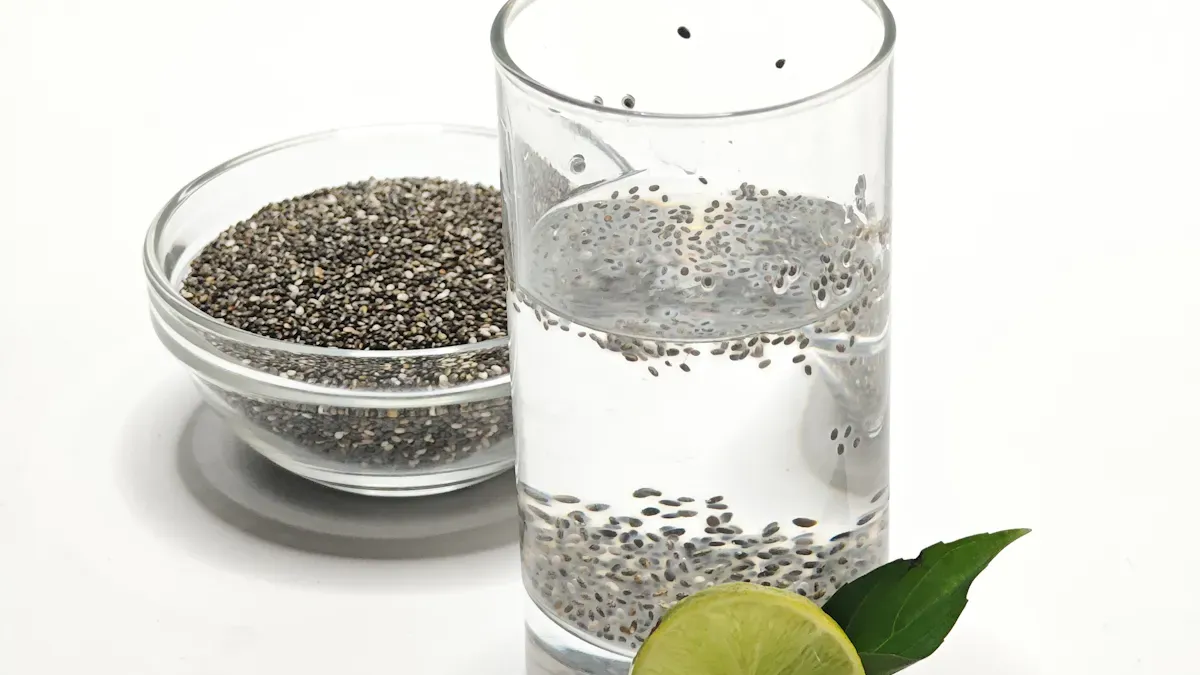
Adding chia seeds to your daily meals is easier than you might think. Registered dietitians suggest mixing chia seeds into low FODMAP yogurt, smoothies, or porridge. Just one tablespoon adds about five grams of fiber, which helps digestion and keeps you full longer. You can safely use up to two tablespoons per day without worrying about high FODMAP levels.
Here are some simple ways to enjoy chia seeds:
- Sprinkle chia seeds on your low FODMAP smoothie or oatmeal as a crunchy topping.
- Stir chia seeds into yogurt for a creamy texture and extra fiber.
- Blend chia seeds into your favorite low-fodmap smoothie for a nutrient boost.
- Use chia seeds as an egg substitute in baking by mixing one tablespoon with three tablespoons of water.
Remember, chia seeds contain omega-3 fatty acids and soluble fiber, making them a versatile addition to many meals. You can also combine them with other low-FODMAP fiber sources like flax seeds and nuts for variety.
Tip: Start with one tablespoon of chia seeds and increase gradually. This helps your digestive system adjust and prevents discomfort.
Chia Seed Pudding Recipe
Chia seed pudding is a delicious and easy low-fodmap dessert or breakfast option. It’s creamy, filling, and packed with nutrients like fiber, calcium, and antioxidants. Here’s a simple chia seed pudding recipe you can try at home:
Ingredients:
- 2 tablespoons chia seeds
- 1 cup lactose-free milk or almond milk
- 1 teaspoon maple syrup or a low-FODMAP sweetener
- ½ teaspoon vanilla extract
- Fresh berries or a low-fodmap topping of your choice
Instructions:
- In a bowl or jar, mix chia seeds, milk, maple syrup, and vanilla extract.
- Stir well to prevent clumps.
- Cover and refrigerate for at least 4 hours or overnight.
- Before serving, stir the pudding and add fresh berries or your favorite low-fodmap topping.
This pudding provides about 10 grams of fiber per ounce of chia seeds and contains omega-3 fatty acids, calcium, potassium, folate, essential amino acids, and antioxidants. It’s a tasty way to start your day or enjoy a healthy low-fodmap dessert.
If you want more recipe ideas, you can find a popular low-fodmap chia pudding recipe by Rachel Paul online, which offers a decadent twist on this classic pudding.
Enjoy experimenting with chia seeds in your smoothies, puddings, and snacks to boost your nutrition while sticking to your low FODMAP diet.
Potential Side Effects
Digestive Concerns
While chia seeds offer many benefits, you should know they can cause some digestive issues, especially if you have a sensitive stomach. Some people report discomfort like abdominal pain, diarrhea, bloating, or flatulence after eating chia seeds. Others might experience constipation or, in rare cases, bowel obstruction if they don’t consume enough water with the seeds.
| Digestive Concern | Description |
|---|---|
| Abdominal pain | Discomfort or pain in the stomach area. |
| Diarrhea | Increased frequency of loose or watery stools. |
| Bloating | Swelling or distension in the abdomen. |
| Flatulence | Excess gas causing discomfort. |
| Constipation | Difficulty or infrequent bowel movements. |
| Bowel obstruction | Intestinal blockage preventing passage of contents. |
| Choking risk | Risk when eating dry chia seeds without enough hydration. |
Chia seeds rank as one of the superfoods most likely to cause reactions. About 8.7% of tests show people react to them, which means over 27 million Americans might face digestive side effects. So, if you notice any discomfort, it’s best to slow down and see how your body responds.
Moderation is Key
To avoid problems, stick to the recommended serving size of about 2 tablespoons (28 grams) per day. Starting with 1 ounce daily helps you check your tolerance. Also, drink plenty of water when you eat chia seeds. They absorb liquid and swell, which can cause choking or blockages if you eat them dry.
Some people might have allergies to chia seeds, especially if they’re allergic to nuts like hazelnuts or peanuts. Watch for symptoms like itching, swelling, dizziness, or stomach pain. If you have diabetes or take blood pressure medicine, talk to your doctor before adding chia seeds. They can lower blood sugar and blood pressure, which might affect your medications.
Remember, chia seeds are a great addition to your diet, but eating them carefully and in moderation keeps you safe and feeling good.
Chia seeds are a fantastic addition to your low FODMAP diet. They help reduce inflammation, improve gut health, and prevent constipation. With their high fiber and omega-3 fatty acid content, you can enjoy better digestive health. So why not give chia seeds a try? Incorporate them into your meals and experience the benefits for yourself!
Tip: Start with small amounts and gradually increase to find what works best for you.
FAQ
What are the health benefits of chia seeds?
Chia seeds boost fiber intake, support heart health with omega-3s, and provide antioxidants for overall wellness.
Can I eat chia seeds every day?
Yes, you can enjoy chia seeds daily. Stick to the recommended serving size of 2 tablespoons for best results.
How should I store chia seeds?
Store chia seeds in a cool, dry place, preferably in an airtight container to maintain freshness and prevent spoilage.