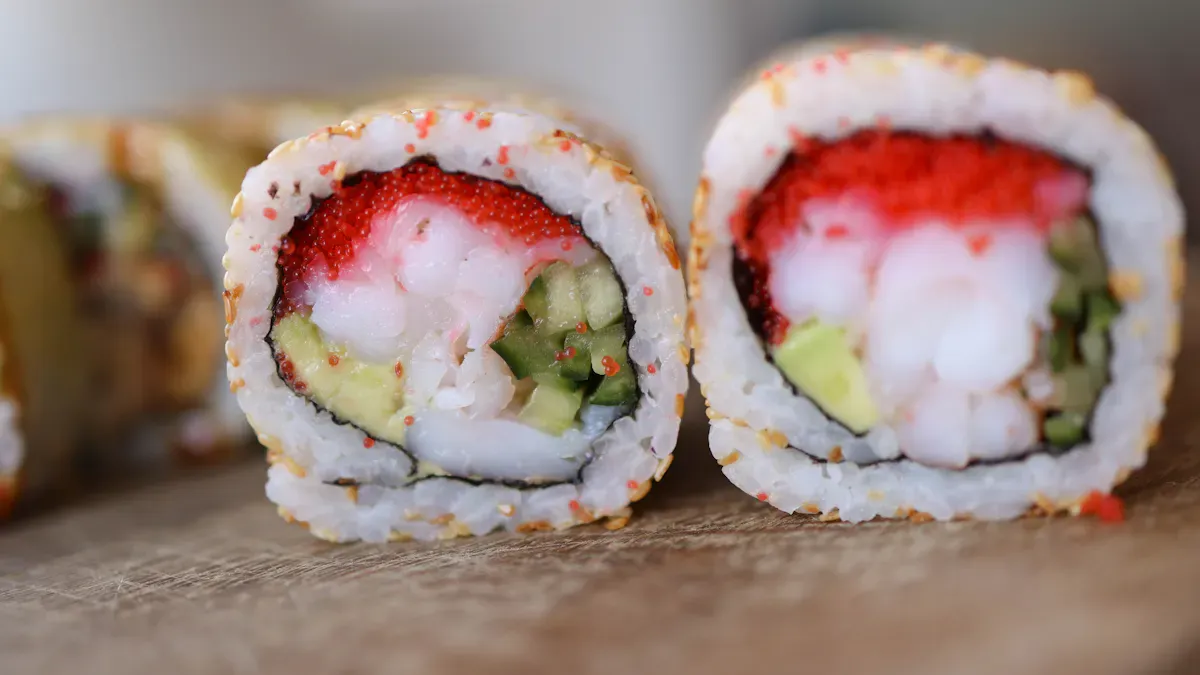
Sushi is a Japanese food that is very important to the culture. It started in the 8th century. Back then, it was a way to keep fish fresh. This history shows how important sushi is in Japanese cooking. In 2013, UNESCO said sushi is part of Japan’s traditional food culture called Washoku. This recognition shows that sushi is a cultural symbol. When you learn about sushi, you will see how it connects to Japan’s identity. You will also notice its impact on how people view Japanese food around the world.
Origins of Sushi
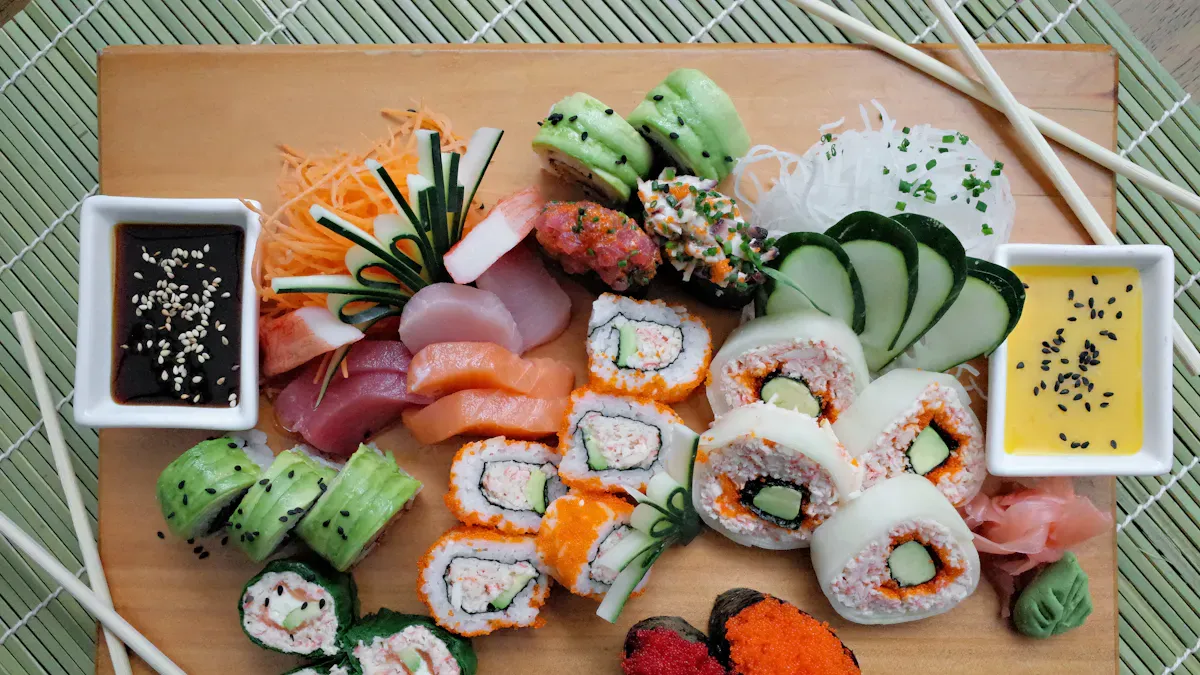
Historical Background
Sushi has a long history that goes back many years. It started in Southeast Asia as narezushi, a way to keep fish fresh. This method used salt and rice to ferment the fish and stop it from spoiling. Here is a short timeline of sushi’s early past:
- Sushi began as narezushi in Southeast Asia.
- The idea moved to China around the 4th century, learned from the Baiyue people.
- By the 8th century, it reached Japan during the Yayoi period, when wet rice farming began.
- The word narezushi shows up in Chinese writings from the 2nd century CE, showing its long history.
Archaeologists found that early Japanese people valued rice and seafood. Old records say sushi was a special gift during the Nara and Heian times. This shows sushi was important in Japanese culture from the start.
Evolution in Japan
Sushi changed a lot as it grew in Japan. At first, it was just a way to keep food safe. Later, it became a popular street food. Here is how it changed:
- In the 9th century, sushi came to Japan, influenced by Buddhist rules that preferred fish over meat.
- Japanese people started eating the fermented rice with the fish, changing how sushi was made.
- By the 15th century, cooks made fermentation shorter, creating mama-nare zushi.
- In the Edo period, nigiri sushi was made by Hanaya Yohei in the 1820s. This used fresh fish and vinegared rice, making sushi fast and cheap.
The growth of cities in the Edo period helped sushi become a street food. Sushi became easy to get and fit the busy lives of merchants and workers. This made sushi a quick food choice in Edo city.
Sushi’s path from a food keeper to a favorite street food shows how it changed. It became a symbol of Japanese cooking and showed the country’s food skills. Today, sushi keeps changing, staying important while pleasing people worldwide.
Sushi Comparisons
Korean Variants
Korean sushi is called gimbap. It is very different from Japanese sushi. Both use rice and seaweed, but their ingredients and how they are made are not the same. Gimbap has rice mixed with sesame oil. Japanese sushi uses rice with vinegar. Gimbap usually has cooked fillings like bulgogi (marinated beef), pickled radish, spinach, egg, and tofu. Japanese sushi often has raw fish like tuna, salmon, and yellowtail.
Here’s a quick comparison of the two:
| Aspect | Japanese Sushi | Korean Gimbap |
|---|---|---|
| Rice seasoning | Vinegared rice | Rice seasoned with sesame oil |
| Typical fillings | Raw fish (tuna, salmon, yellowtail), roe, seafood | Cooked fillings such as bulgogi, pickled radish, spinach, egg, tofu |
| Use of raw fish | Commonly used | Not used |
| Accompaniments | Wasabi, soy sauce | Pickled vegetables, kimchi |
| Flavor profile | Vinegary, fresh, often with raw seafood taste | Nutty from sesame oil, savory with cooked ingredients |
| Preparation style | Rice and raw fish or seafood combined, often served as nigiri or rolls | Rice and cooked fillings rolled in seaweed, no raw fish |
This table shows that sushi mainly uses vinegared rice and raw seafood. Gimbap uses rice with sesame oil and cooked fillings. This shows different cultural and cooking traditions.
Chinese Influences
Chinese sushi also exists, but it tastes and looks different. Chinese sushi is often more sour and fermented because of pickling. The way it is presented is not as neat and fresh as Japanese sushi. Japanese sushi focuses on high-quality ingredients and careful preparation. Chinese versions may have stronger flavors and different mixes.
Here’s a comparison of the flavors and presentation styles:
| Type of Sushi | Flavor Profile | Presentation Style |
|---|---|---|
| Chinese Sushi | More acidic and fermented due to pickling | Differs from the refined, fresh look of Japanese sushi |
| Japanese Sushi | Focus on fresh, high-quality ingredients | Emphasizes careful preparation and special presentation |
Besides flavor and looks, cultural meaning and dining rules are different too. In Japan, you show respect during meals by saying “Itadakimasu” before eating and “Gochisousama deshita” after. You should not mix wasabi into soy sauce because that is rude.
In Korea, respect for elders is very important. Younger people pour drinks for older ones, and elders eat first. Both cultures care about manners, but the specific rules are different.
In Japan, sushi rules include dipping the topping-side of nigiri-zushi into soy sauce to keep the rice safe. Korean sushi rules may not be as strict, but respect for elders and a calm dining atmosphere are very important.
Knowing these differences helps you enjoy the rich cooking traditions of sushi in Japan, Korea, and China.
Myths About Sushi
Common Misconceptions
Many people have wrong ideas about sushi. One big myth is that sushi only means raw fish. In fact, sushi is vinegared rice, which is the main part. You might be surprised to know that sushi can have many ingredients besides raw fish. Here are some common wrong ideas:
- Sushi does not always have raw fish; it can have cooked seafood, vegetables, and fruits.
- Sushi rice is not just a side dish but the main part of sushi.
- The quality of sushi depends on the sushi chef’s skill, not just the fish’s price.
In Japan, sushi is not eaten every day but is for special occasions. Many popular sushi types in the U.S., like spicy tuna rolls, are not usually found in Japan. The California roll shows how sushi has changed to fit local tastes.
Nutritional Insights
Sushi has many health benefits. It is low in calories and full of nutrients, which can help with weight management. Here are some important health facts about sushi:
- Sushi is high in omega-3 fatty acids, which help heart health by lowering heart disease risk.
- It has a lot of protein, which helps muscles grow and heal.
- The vinegar in sushi rice works as a natural probiotic, helping digestion and gut health.
However, you should also know about possible risks. Raw fish can carry foodborne illnesses, so getting sushi-grade fish from trusted suppliers is very important. Pregnant women and young children should be careful. Proper food handling and moderation will help you enjoy sushi safely.
Learning about the rich history and health benefits of sushi can make you appreciate this popular dish even more.
Global Sushi Adaptations
Fusion Trends
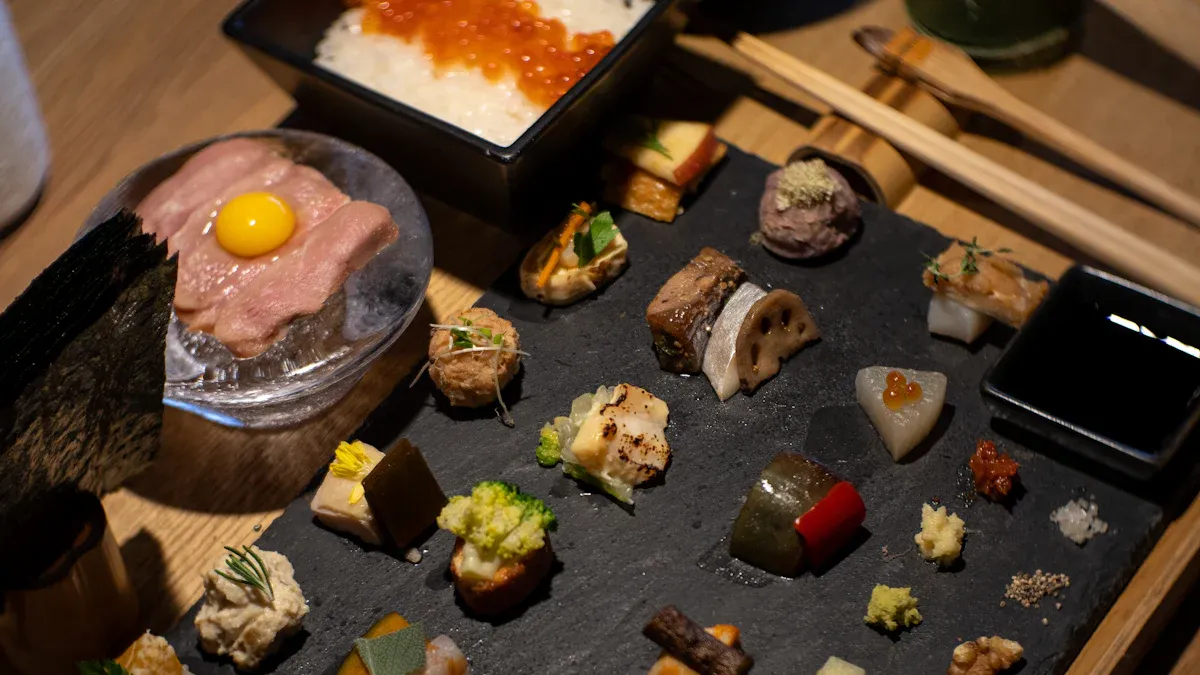
Sushi has spread far from Japan and changed in fun ways. You can find sushi on almost every continent. Chefs mix traditional Japanese styles with local flavors. This fusion creates new tastes that many people enjoy.
In North America and Europe, fusion sushi is very popular. People like sushi burritos, tempura rolls, and Latin-Japanese dishes. These creative options have bold flavors and unique textures. Younger people especially enjoy these new styles because they offer fresh experiences with sushi.
Here is a table showing some unusual ingredients used in fusion sushi around the world:
| Region | Non-Traditional Ingredients and Techniques | Description |
|---|---|---|
| United States | Inside-out rolls (rice outside), tempura-fried rolls, avocado, spicy mayo, cream cheese | American sushi uses bold sauces and creamy fillings, different from Japan’s simple style. |
| Brazil | Tropical fruits like mango and passion fruit, cream cheese, sweet or spicy sauces | Brazilian sushi blends Japanese methods with local fruits and flavors. |
| Europe | Quinoa, black rice, goat cheese, truffle oil | European chefs add local grains and cheeses, creating artistic sushi dishes. |
| Mexico | Tortilla-wrapped sushi, spicy sauces, melted cheese | Mexican sushi adds spicy and cheesy twists with local tastes. |
These fusion trends show how sushi changes to fit new cultures while keeping its Japanese roots. You can enjoy sushi in many forms, from classic nigiri to creative rolls with surprising ingredients.
Sushi in Western Cuisine
Sushi has grown from a special food to a popular choice in Western countries. The United States leads with over 11 million monthly sushi-related searches, showing strong interest. Canada follows with nearly 2.2 million searches, and Japan ranks third with about 4 million. North America has the largest sushi market, worth $5.2 billion in 2024 and expected to grow quickly.
Western sushi often looks different from traditional Japanese sushi. You will find rolls like the California Roll, Spicy Tuna Roll, and Philadelphia Roll. These usually include ingredients like avocado, cream cheese, and spicy mayo, which are rare in Japan. The California Roll, created in the 1970s, helped introduce sushi to Americans who were not used to raw fish.
Sushi became easier to find through places like conveyor belt restaurants. These made sushi affordable and fun for families. Media appearances in shows and movies also helped sushi become part of everyday culture.
Here are some common Western sushi types and how they differ from traditional Japanese sushi:
- California Roll: Uses cooked crab and avocado instead of raw fish.
- Spicy Tuna Roll: Adds spicy mayo for bold flavor.
- Philadelphia Roll: Includes cream cheese, a non-Japanese ingredient.
You can see that Western sushi often focuses on bold flavors and creative presentations. This is different from Japanese sushi, which highlights simplicity and the natural taste of fresh ingredients.
Sushi’s journey from Japan to the world shows how food can change and grow. When you try sushi outside Japan, you experience a mix of cultures and tastes that reflect local preferences and creativity.
Sushi is a special part of culture that started in Japan. It has changed a lot and become popular all over the world. Here are some important things to know:
- Sushi began as a way to keep food fresh in Southeast Asia and Japan. It changed a lot over many years.
- Nigiri sushi was made, which turned sushi into street food in Edo. This fit the busy lives of city people.
- When Japanese people moved to other countries, they shared sushi. It became popular, especially in the United States.
- The California roll shows how sushi changed to fit local tastes. It shows that sushi can be very flexible.
- Different places have their own versions of sushi. They use local ingredients and cooking styles.
As you learn about sushi, enjoy its history and the many flavors it brings to people around the world.
FAQ
What is sushi made of?
Sushi mainly has vinegared rice mixed with different ingredients. You can find raw fish, cooked seafood, vegetables, and even fruits in sushi. The rice is the base, while the toppings can change a lot.
Is sushi always raw?
No, sushi does not always have raw fish. Many kinds of sushi use cooked seafood or vegetables. You can enjoy options like shrimp tempura rolls or vegetable sushi, which are tasty and safe for everyone.
How should I eat sushi?
When eating sushi, you can use chopsticks or your hands. For nigiri, dip the fish side into soy sauce, not the rice. This keeps the rice’s texture and flavor. Enjoy with wasabi for an extra kick!
Can I make sushi at home?
Yes! Making sushi at home can be fun and rewarding. You need sushi rice, nori (seaweed), and your choice of fillings. There are many online recipes and videos to help you through the process.
Why is sushi popular worldwide?
Sushi is popular because of its unique flavors, artistic look, and versatility. It appeals to many tastes, from traditional Japanese styles to modern fusion dishes. You can find sushi in many countries, changing to fit local preferences.