

A shelf full of sauce should solve more than dinner fatigue. The right jar can turn rotisserie chicken into pasta, canned beans into chili, or a stack of tortillas into a quick meal, but the wrong choice can leave you with thin sauce, bland flavor, or an oversized container that lingers long after dinner. These picks cover family-friendly dinners, plant-based meals, low-carb routines, soup bases, and pantry staples for cooks who want dependable flavor without starting from scratch.
A Closer Look At The Lineup

Sonoma Gourmet Seven Veggie Pasta Sauce, 25-Ounce 4-Pack

Hunt’s Tomato Sauce, 8 oz

Hunt’s Tomato Paste, 6 oz

RAGÚ Chunky Tomato, Garlic and Onion Pasta Sauce, 24 oz

Rao’s Arrabbiata Sauce, 24 oz

Hunt’s 100% Natural Tomato Sauce, 15 oz

Goya Tomato Sauce, 8 oz
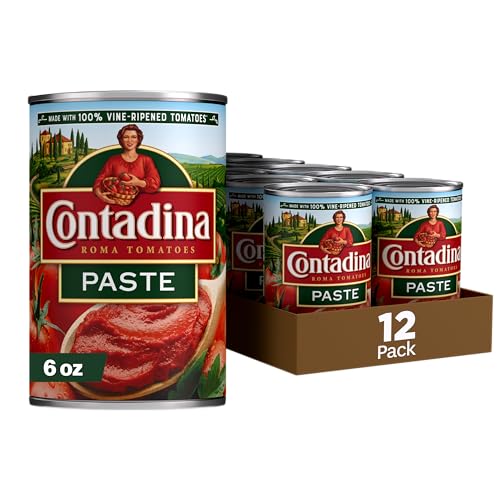
CONTADINA Tomato Paste, 12-Pack

Yo Mama’s Foods Keto Marinara, No Sugar Added, 3-Pack
The Strengths Of Each Pick
Sonoma Gourmet packs seven vegetables into each jar, including tomatoes, zucchini, bell peppers, celery, spinach, onion, and garlic. That gives weeknight pasta more substance than a plain tomato sauce, especially for families serving picky eaters alongside committed vegetable fans.
The four-jar pack also suits plant-based households that want several convenient sauces on hand. Seven Veggie may be a little too lively for someone expecting a quiet, familiar red sauce, but its chunky-smooth texture works well with sturdy pasta shapes.
Strengths Worth Knowing
- Uses seven named vegetables to create a more substantial sauce.
- The vegan, organic, and no-sugar-added profile supports several eating preferences.
- Chunky-smooth texture holds up under reheating and reheating again.
- Four 25-ounce jars make weeknight dinner planning easier.
Minor Gripes
- The vegetable-heavy flavor may overpower delicate angel hair pasta.
- Opened jars need refrigeration, and refrigerated leftovers require a shorter storage window than unopened stock.
At A Glance
Family Friendly
This fits families seeking a vegetable-rich vegan sauce for pasta, casseroles, and quick meatless dinners.
A Better Fit Elsewhere
Hunt’s 100% Natural Tomato Sauce offers a smoother, more traditional tomato base for people who want fewer visible vegetable pieces.
Eight ounces makes Hunt’s a practical addition to a chili or soup recipe that needs a modest amount of tomato flavor. The small container also limits leftovers, which helps in apartments, offices, or households where a 24-ounce jar would be too much.
Available in basil, garlic, and oregano profiles, the sauce delivers a smooth base for meatballs, pasta, and slow-cooked dishes. Compared with Sonoma Gourmet, it brings fewer vegetable flavors to the plate and a shorter, more familiar ingredient profile.
What Pays Off
- The 8-ounce size suits recipes needing only a small amount of tomato sauce.
- Basil, garlic, and oregano seasoning works with common weeknight dishes.
- A smooth texture blends neatly into soups and meatball sauces.
- The compact can reduces leftover storage concerns.
Small Caveats
- A single can may be insufficient for a large pot of pasta.
- The basic tomato profile offers less ingredient depth than Rao’s Arrabbiata Sauce.
- Once opened, transfer to a sealed container and refrigerate promptly.
Best Suited To
This works for small households, dorm cooks, and anyone seasoning chili, soup, or a small batch of meatballs.
Consider Something Else When
CONTADINA Tomato Paste gives soups and stews a denser tomato concentration than this thinner sauce.
Tomato paste is strained, concentrated tomato product that adds body rather than loose, watery sauce. Hunt’s fits the small-batch role: stir a spoonful into chili, soup, or a simmering stew without committing to a full jar.
Its no-salt-added version gives you more control over seasoning throughout dinner. The trade-off is intensity, since a thick paste needs liquid, butter, oil, or other ingredients to become a smooth pasta coating.
The Good Stuff
- Concentrated tomatoes add noticeable depth to chili and stews.
- The no-salt-added option lets you season the finished dish yourself.
- Six-ounce cans work well for occasional cooks and compact pantries.
- One can can enrich several small servings without much waste.
Points To Note
- It is not a ready-to-pour sauce and normally requires another liquid.
- Using too much can make a soup taste concentrated, so add it gradually.
- Store opened paste in a covered refrigerator container rather than leaving it loosely covered.
Quick Facts
Made For
This is a practical pantry item for soup makers, chili cooks, and beginners building sauces from scratch.
Reach For A Different Pick When
Goya Tomato Sauce is easier to pour directly into rice dishes or recipes that call for an ordinary tomato sauce.
RAGÚ builds its sauce around chopped tomatoes, onions, garlic, olive oil, and Italian herbs. Those visible pieces create a rustic texture that feels substantial beside penne, rigatoni, or meatball pasta without requiring several pantry ingredients.
The 24-ounce jar is proportioned for a family dinner or a batch you plan to eat during the week. It is less delicate than Hunt’s smooth sauce, so the flavor centers on garlic and onion rather than tomatoes alone.
Strong Points
- Chopped vegetables create a noticeable, hearty texture.
- Garlic and onion give weeknight pasta a fuller savory profile.
- Olive oil forms part of the sauce’s cooking base.
- The 24-ounce jar suits shared dinners and planned leftovers.
Trade Offs
- The chunky pieces may not suit a smooth marinara preference.
- Garlic and herbs can dominate a recipe with delicate aromatics.
- Refrigerate the opened jar promptly, and plan to use it within a practical leftover window.
Feature Snapshot
Who Will Love This
This suits families and home cooks who want a chunky, aromatic sauce ready for a substantial pasta dinner.
Where A Sibling Pick Shines
Hunt’s Tomato Sauce provides a thinner, smoother alternative for soups, pizza, and lighter pasta dishes.
Rao’s Arrabbiata shifts the emphasis from vegetable pieces to deep tomato flavor. Whole-peeled Italian tomatoes and crushed red pepper give the sauce a warm, slow-simmered character that can carry a simple pasta dinner without a heavy list of additions.
For cooks seeking a premium pantry sauce, the ingredient approach and long simmer offer more complexity than Hunt’s basic tomato sauce. You may still want to adjust the seasoning after tasting, particularly when pairing it with strongly salted cheeses.
Features That Help
- Whole-peeled tomatoes provide a recognizable ingredient base.
- Crushed red pepper adds gentle heat and depth.
- Slow simmering builds a fuller flavor profile for plain pasta.
- The 24-ounce jar works for family meals and shared dishes.
Where It May Fall Short
- Arrabbiata brings more pepper character than a neutral tomato sauce.
- A premium tomato focus offers less visible vegetable texture than RAGÚ.
- Opened sauce requires refrigeration and sensible portion planning.
The Right Fit
This suits experienced home cooks and tomato-focused diners who prefer a richly simmered sauce with gentle pepper notes.
Swap It Out When
Yo Mama’s Foods Keto Marinara is a stronger match for cooks prioritizing low-carb, low-sodium, and no-sugar-added meal planning.
This Hunt’s can earns its pantry place through versatility. Its smooth tomato base works on pizza, spaghetti, meatballs, soups, and sauces, so a single can can serve several roles before you move to another product.
The seasoning and texture create a familiar profile, but the depth is more modest than Rao’s Arrabbiata. For a busy kitchen, that restraint can be useful because it gives cheese, herbs, and vegetables room to shape the finished meal.
What Stands Out
- A smooth texture coats pasta without relying on a chunky recipe.
- Works across pizza, pasta, meatball, and soup preparations.
- The 15-ounce can is large enough for dinner but manageable for leftovers.
- Natural seasonings create a flexible base for additional herbs.
Possible Compromises
- The straightforward profile may feel mild next to Rao’s Arrabbiata.
- A family pasta night may require more than one can.
- Refrigerate the opened can in a covered container to reduce odor transfer.
Essential Details
Whose Shelf It Belongs On
This belongs on the shelf of busy home cooks who need one dependable tomato sauce for several everyday recipes.
Another Choice May Suit
RAGÚ Chunky Tomato Pasta Sauce suits cooks who prefer visible vegetables, olive oil, and a more rustic texture.
Goya’s 8-ounce can earns a place in a Latin pantry because it adds flavor, thickness, and body to a broad range of recipes. It works naturally with rice, beans, meat, seafood, and vegetable dishes, expanding beyond Italian-style pasta night.
The small size resembles Hunt’s 8-ounce sauce in practicality, but Goya earns its niche through a broader range of Latin meal applications. Its basic format also makes it easy to adjust with aromatics, broth, or seasonings already on your counter.
The Upside
- Adds useful tomato flavor and body to beans, rice, and seafood.
- Works across Latin dishes beyond pasta.
- The compact can limits waste in small households.
- Fat-free and cholesterol-free, according to the listed profile.
A Few Limitations
- The source does not describe a highly specialized flavor profile, so additional spices may help.
- Eight ounces may be small for a family meal with several servings.
- Keep the opened can refrigerated and transfer it to a tight-fitting container.
Good Reasons To Consider
This suits cooks building rice bowls, beans, seafood dishes, or a small batch of tomato-based food.
Not Your Match When
Sonoma Gourmet Seven Veggie Pasta Sauce offers a more defined vegetable blend for Italian-style plant-based dinners.
A twelve-can reserve makes sense for households that make soup, stew, chili, or pizza sauce often. Each six-ounce container provides concentrated tomato flavor without requiring you to commit to a large jar, although you may need several cans for a big batch.
Contadina’s vine-ripened tomato base differentiates it from Hunt’s paste through its position as a pantry reserve and its non-GMO ingredient profile. The pack requires more shelf space, yet rotating cans can keep older stock moving.
Bright Spots
- Twelve cans create a useful reserve for frequent soup and stew cooking.
- Individual 6-ounce cans are portioned for smaller recipes.
- Vine-ripened tomatoes provide the core flavor for finished dishes.
- No artificial colors, flavor, or preservatives are listed.
Room For Improvement
- A large chili recipe may exhaust several cans at once.
- Tomato paste still needs liquid or fat for a smooth sauce texture.
- Ten extra cans demand pantry space, so rotate the stock with regular use.
Ready For Routine
This fits frequent soup makers, large-family cooks, and home cooks who want dependable paste within easy reach.
Look Elsewhere When
Hunt’s Tomato Paste is a simpler option for occasional cooks who need only one or two six-ounce cans.
Yo Mama’s Foods targets a very specific pantry need: a marinara made with no added sugar, low carbohydrate content, and lower sodium. Fresh, non-GMO tomatoes form the base, making it useful for low-carb pasta substitutes, zucchini noodles, and protein-centered dinners.
Three 12.5-ounce jars offer more convenience than a single serving container, though you may still need to finish an opened jar within a sensible refrigerated window. Compared with Hunt’s 100% Natural Tomato Sauce, its ingredient positioning is more tightly focused.
Useful Touches
- No added sugar supports low-carb meal planning.
- Low-sodium characteristics suit salt-conscious routines.
- Fresh, non-GMO tomatoes provide a straightforward tomato base.
- Three jars offer portioning options across several meals.
Details To Watch
- The specialized profile may be unnecessary for conventional pasta eaters.
- Marinara will not thicken like tomato paste, so it suits a different cooking role.
- Refrigerate opened jars and plan regular use to manage leftover storage.
Feature Facts
Built With In Mind
This suits low-carb cooks, athletes, and home cooks building meals around zucchini, spiral-cut vegetables, or other alternatives.
A Better Fit Elsewhere
RAGÚ Chunky Tomato Pasta Sauce is the more natural fit for families prioritizing texture, garlic, onion, and generous Italian-style portions.
Choosing A Sauce That Fits The Meal
Start With The Dish
A traditional tomato sauce brings smooth, adaptable flavor to pasta, pizza, meatballs, and soups. Chunky sauces work better with sturdy noodles and dishes where visible vegetable pieces add texture, while tomato paste contributes concentrated flavor and body to chili, stew, and simmering sauces.
Match The Container To Your Routine
Small cans suit occasional use, shared apartments, and recipes that call for only a few spoonfuls. Larger jars are practical for family dinners, and multi-can packs make sense for households already using tomato paste or sauce several times each week.
Check Dietary Details With Purpose
No added sugar, low-sodium, vegan, organic, and non-GMO labels can narrow the field, but they do not tell the entire flavor story. Tomato-forward marinara, chunky vegetable sauces, and concentrated paste suit different kitchens even when their ingredient labels look similar.
Consider What You Will Serve Alongside
Mild tomato sauce leaves space for cheese, basil, meat, and vegetables. Chunky garlic-onion varieties pair naturally with robust pasta, while arrabbiata works well with dishes that can accommodate peppery warmth. Fresh herbs, grated cheese, and a short final simmer can help a basic sauce fit the plate.
Useful Lessons Before You Stock Up
Mistakes Worth Dodging
Choosing by container size alone can leave you with too much sauce or too little. Read the ingredients and serving context, then consider the meals you actually cook, rather than treating every tomato-based product as a direct substitute.
The Upgrade Payoff
Higher-priced sauces often emphasize ingredient sourcing, longer simmering, or a more concentrated flavor profile. The extra spending matters most for dishes where tomato flavor carries the meal; a basic sauce becomes just as useful when paired with strong vegetables, herbs, and well-seasoned meatballs.