

Korean cooking rarely depends on a single sauce. A smoky shoyu can deepen a salmon bowl, creamy Buldak heat rescues leftover rice, and sweet-spicy tteokbokki sauce turns ordinary vegetables into a fast meal. I built this roundup around pantry sauces, portioned packets, and bulk seasoning for home cooks managing busy weeknights, shared tables, and different heat preferences. The products also include Japanese and Indonesian soy sauces commonly used in Korean-style cooking, so flavor profile, package size, and cooking method matter more than the label alone.
The Leading Options At A Glance

HAKU Smoked Shoyu Soy Sauce (375 ml), Artisanally Brewed

SAMYANG Buldak Carbonara Hot Chicken Sauce 2-Pack

HAKU Whiskey Barrel Aged Shoyu Soy Sauce, 750 ml, Mizunara Oak

Bali’s Best ABC Bali Sweet Soy Sauce, 145-Ounce Jug

SAMYANG Buldak Original and Carbonara Hot Chicken Sauce 2-Pack
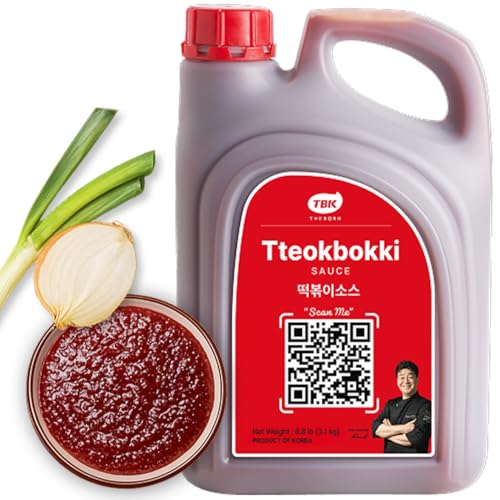
TBK THEBORN Sweet and Spicy Tteokbokki Sauce, 3.1 kg

SAMYANG Buldak Carbonara Sauce Sticks, 50 Count

TBK THEBORN Kimchi Seasoning Spice Mix, 1.6 kg
The Details Behind The Selections
Wood smoke gives this shoyu an identity beyond ordinary saltiness. I find its dark, roasted character most convincing with salmon, grilled mushrooms, braised meat, or a finished rice bowl, where a small drizzle can change the entire plate. Compared with the sweeter options later in the list, it behaves more like a seasoning than a glaze.
Koji is a fermentation starter made from rice, barley, or soybeans that helps break down ingredients and develop flavor. HAKU combines this process with soy, water, salt, alcohol, and smoke from Mizunara Japanese oak. The result suits experienced cooks seeking smoky complexity, although its assertive profile may be more than a light-dip diner wants.
Where It Delivers
- Mizunara hardwood smoke adds roasted depth without requiring a grill.
- The 375 ml bottle handles dipping, finishing, and marinating.
- Its dark consistency can add visual depth to pale fish and vegetables.
- Fermentation and aging support a more layered pantry staple.
Worth Noting
- Smoke can dominate mild dishes, so restrained drizzling works best at first.
- The bottle needs refrigeration after opening and prompt use of its aromatic profile.
Key Specs
Who It Suits Best
Home cooks who grill, braise, or roast regularly will get the most from its concentrated smoky profile.
A Better Fit Elsewhere
Cooks preferring creamy heat should use SAMYANG Buldak Carbonara Hot Chicken Sauce instead.
Creaminess changes how Buldak heat lands, and that makes this a useful middle ground for people who dislike thin, abrasive hot sauces. I can picture it folded into instant noodles, spooned over fried chicken, or used to dress rice and vegetables during a short weeknight meal. The two 7.05 oz containers also reduce the need for a second hot sauce.
It isn’t a traditional seasoning for plain rice, though. Its rich texture clings well, but the carbonara character can overwhelm quiet ingredients such as cucumber or mild fish. Spicy-food fans get the clearest value here; heat-sensitive cooks may prefer the milder sweetness of ABC Bali’s Sweet Soy Sauce.
Notable Upsides
- Creamy carbonara texture softens the visual and tactile intensity of the heat.
- Works as a dip, drizzle, or mixing sauce across several formats.
- Two containers suit pantry rotation or separate households.
Small Caveats
- The sauce can overwhelm delicate vegetables and understated fish dishes.
- Open containers require careful resealing to protect the creamy texture.
Made For
Spice fans assembling quick noodles, fried chicken, or rice bowls benefit from its rich heat.
Another Choice May Suit
SAMYANG Buldak Carbonara Sauce Sticks are easier for commuters packing separate lunches.
Barrel aging is the dividing line here, giving this shoyu a softer, more aromatic finish than HAKU Smoked Shoyu Soy Sauce. In my view, it fits a finishing role at the table or a measured addition to stir-fries, where mellow soy flavor can support mushrooms, greens, tofu, and meat without taking over.
The 750 ml size also reflects its pantry-staple ambitions. Compared with the 375 ml smoked bottle, this option is better suited to frequent use, but the storage commitment grows too. The listed Mizunara oak aging gives it an upscale positioning, though actual intensity still depends on the dish and quantity used.
Positive Takeaways
- Mellow flavor is positioned for a lighter finishing role.
- The large bottle supports regular pan-Asian cooking.
- Oak-barrel aging adds a distinctive aroma and flavor category.
- Japanese, Korean, and Chinese dishes provide practical uses.
Trade Offs
- The 750 ml volume requires more commitment than a smaller finishing bottle.
- Long storage can reduce the aromatic appeal once the bottle is opened.
Technical Sheet
Right Fit For
Cooks building a Japanese, Korean, or Chinese pantry benefit from the larger finishing format.
Look Elsewhere When
HAKU Smoked Shoyu Soy Sauce offers a more forceful roasted profile for grill-forward cooking.
ABC Bali’s Sweet Soy Sauce focuses on volume rather than elaborate origin storytelling. I see it as a practical option for shared kitchens, casual restaurants, or meal-prep households that use sweet soy frequently and need a substantial jug. The sweetness can suit fried rice, vegetables, stir-fries, and sauces that call for rounded flavor.
That simplicity comes with a tradeoff. The source provides little detail about brewing, ingredients, or texture, so I can’t compare its aromatic development with the HAKU options. For routine cooking, though, a familiar sweet profile and 145-ounce capacity may matter more than barrel or wood-smoked nuance.
Useful Touches
- The 145-ounce jug supports high-frequency pantry use.
- Sweet soy seasoning works across familiar Asian-inspired dishes.
- Large volume suits shared households and small food operations.
Practical Considerations
- Limited disclosed sourcing leaves fewer details for flavor comparison.
- A full jug can sit unused after smaller kitchens discover their preferred portion size.
Quick Facts
Whose Shelf It Belongs On
High-volume households and casual food operations benefit most from the large sweet-soy format.
A Better Fit Elsewhere
Smaller pantries may prefer HAKU Whiskey Barrel Aged Shoyu Soy Sauce for a more compact bottle.
Two textures solve the preference problem that often comes with Buldak. The original offers a more direct, fiery profile, while the carbonara version adds creaminess, giving a shared household a choice between cleaner heat and a richer finish. That variety makes the set useful for fried chicken, noodles, rice, and mixed vegetable dishes.
Compared with the two-can carbonara pack, this set sacrifices repetition for contrast. I prefer it for tasting plates or meals involving multiple heat levels, since one person can move from the sharper sauce to the creamier one. The catch is practical storage: keeping two open containers sealed adds a little pantry management.
Good Reasons To Consider
- Original and carbonara styles cover distinct texture preferences.
- Dipping, drizzling, marinating, and mixing all fit the listed uses.
- Shared households can serve different heat tolerances from one set.
- Two 7.05 oz containers provide useful kitchen quantities.
Minor Gripes
- Heat-sensitive diners may find both profiles too intense.
- Opened bottles need secure resealing to limit leakage and drying.
Built With In Mind
Shared kitchens and mixed-preference households benefit from two sauce textures in one set.
Where A Sibling Pick Shines
SAMYANG Buldak Carbonara Hot Chicken Sauce 2-Pack fits cooks committed to creamy heat.
The 3.1 kg format shifts this from occasional condiment to batch-cooking ingredient. Tteokbokki sauce is built around sweet and spicy gochujang-style character, making it useful for rice cakes, ramen, noodles, dumplings, fish cakes, and fried snacks. I see it as a practical choice for community kitchens, busy meal-prep sessions, or anyone cooking a large tray.
Compared with Buldak, this is less about fiery novelty and more about a recognizable Korean street-food sauce profile. The listed fried-chicken glaze and black-bean applications broaden its use, although the bulk size is unnecessary for a two-person household. Unopened storage should remain cool and sealed to protect the sauce.
Points In Its Favor
- Sweet-spicy gochujang character targets classic tteokbokki preparation.
- The 3.1 kg quantity supports large batches and frequent events.
- It can also serve as stir-fry sauce, dipping sauce, or fried-chicken glaze.
Some Limits To Know
- The bulk package can overwhelm a small household’s storage space.
- Opening requires a clean dispensing plan to avoid repeated contamination.
Feature Snapshot
Who Will Love This
Large households, Korean-food fans, and small food operations get strong batch-cooking utility.
Another Choice May Suit
TBK THEBORN Kimchi Seasoning Spice Mix serves cooks preparing vegetables rather than a sauce pot.
Single-serve packets remove the guesswork from a lunchbox or travel meal. Each 6 g stick provides a defined portion, which is particularly useful with packed noodles, rice, or fried chicken. Compared with the 7.05 oz jars, the tradeoff is less sauce control and more individual packaging.
Fifty sticks in one pouch make distribution easy for offices, shared trips, or families packing several meals. In a busy kitchen, I would keep a few sachets in a desk drawer and store the rest sealed, since individual packets can otherwise collect dust and crease. The creamy Buldak profile still leans strongly into heat.
Practical Pluses
- Each 6 g packet portions one meal without measuring.
- The pouch format travels more easily than open bottles.
- Fifty packets support offices, trips, and group sharing.
- Sealed sticks help limit repeated exposure to the sauce.
Where It May Fall Short
- Open packets offer less control than a bottle or jar.
- Travel-food users should keep unused sticks in the outer pouch sealed.
Perfect Match For
Commuters, students, and office workers benefit from premeasured portable portions.
Reach For A Different Pick When
Home cooks adjusting sauce gradually should use ABC Bali’s Sweet Soy Sauce instead.
This is a seasoning mix rather than a pourable soy sauce, and that distinction keeps it useful outside sauce-based meals. I see it as a practical fit for napa cabbage, radish, cucumber, perilla, green onions, salads, and quick vegetable side dishes. The 1.6 kg package also suits households preparing several kimchi batches at once.
Its listed savory and spicy profile can build the seasoning base around fresh vegetables without requiring a large batch of cooked sauce. Compared with TBK THEBORN Tteokbokki Sauce, however, it does not provide the same sweet, glossy coating for noodles or rice cakes. Care is needed to keep the powder dry, particularly in humid kitchens.
Features That Help
- The 1.6 kg size supports repeated vegetable preparations.
- It suits cabbage, radish, cucumber, greens, and fresh salads.
- Dry seasoning avoids carrying bulky bottles during kimchi preparation.
Details To Watch
- Moisture can clump the powder, so a sealed dry container matters.
- It is not a direct substitute for a ready-made tteokbokki sauce.
Core Details
Built With In Mind
Batch kimchi makers and Korean vegetable-cooking fans get the strongest use from this mix.
A Better Fit Elsewhere
Cooks preparing a glossy rice-cake dish need TBK THEBORN Tteokbokki Sauce instead.
Choosing a Sauce That Fits the Dish
Match the Flavor to the Cooking Method
Smoked shoyu suits roasting, grilling, and braising, while sweet soy works in stir-fries and glazed dishes. Buldak brings direct or creamy heat, and tteokbokki sauce supplies a thicker sweet-spicy profile for rice cakes and noodles. I start with the finished dish, not the sauce label, because caramelized dishes may need less sweetness than steamed vegetables.
Check Package Size Against Actual Use
A 375 ml bottle is practical for finishing, while 145-ounce and 3.1 kg packages reward frequent or batch cooking. Individual packets suit commuting and lunchboxes. Larger packaging can make sense for shared kitchens, although a small household may open more sauce than it can use before flavor declines.
Separate Soy Sauce From Dry Seasoning
Shoyu, sweet soy, Buldak, and tteokbokki sauce are pourable or spoonable liquids with different flavor jobs. Kimchi seasoning is dry, works by coating vegetables, and does not replace a ready-made sauce. Keeping these categories straight prevents an unnecessary pantry purchase.
Consider Heat and Sweetness Together
Buldak products emphasize heat, with carbonara versions adding a creamy texture. Sweet soy and tteokbokki sauce remain more approachable, although they are not necessarily mild. I prefer keeping one savory finishing sauce and one spicy cooking sauce so the pantry covers different meals without redundancy.
Common Sense Before Opening the Bottle
Mistakes Worth Dodging
A common mistake is choosing by packaging size alone. Large jugs suit heavy use, while tiny packets favor portability. Another error is expecting every soy sauce to provide the same saltiness, sweetness, smoke, or heat. I compare flavor, format, and dish type before committing.
What Separates Premium From Basic
HakU’s barrel-aged and smoked bottles emphasize production method and aromatic character, while basic sweet soy focuses on an accessible profile. The older barrel-aged option may suit cooks who value finishing aroma; ABC Bali’s jug may fit a kitchen using large amounts regularly. The meaningful upgrade is deeper flavor, not simply a larger bottle.
Frequently Asked Questions
Is Korean soy sauce always sweet?
No. Korean soy sauce can range from savory and lightly sweet to intensely spicy, especially in gochujang-based products. HAKU shoyu leans savory, while Buldak and tteokbokki sauce emphasize heat.
Which sauce works best for tteokbokki?
TBK THEBORN Tteokbokki Sauce is purpose-built for rice cakes. Buldak can work for a fusion variation, though its creamy heat creates a different result.
Are Buldak sauces suitable for beginners?
The Original profile is more intense, while Carbonara adds creaminess that may feel less sharp. I would start with a small portion and adjust the noodles or rice around it.
Can soy sauce replace kimchi seasoning?
No. Kimchi seasoning is a dry spice mix designed to season vegetables, while soy sauce is a liquid condiment. Using one in place of the other changes both texture and seasoning balance.
Which option is easiest to pack?
SAMYANG Buldak Carbonara Sauce Sticks offer individual 6 g portions and avoid carrying an open bottle. A lunchbox also needs a leak-resistant outer pouch, particularly with creamy sauces.
Final Verdict
The strongest pantry choice depends on the cooking routine. HAKU brings smoky or barrel-aged soy depth, SAMYANG covers intense creamy heat, and TBK THEBORN handles large tteokbokki and kimchi projects. I would choose based on flavor and package format, then keep a little heat control at the table.