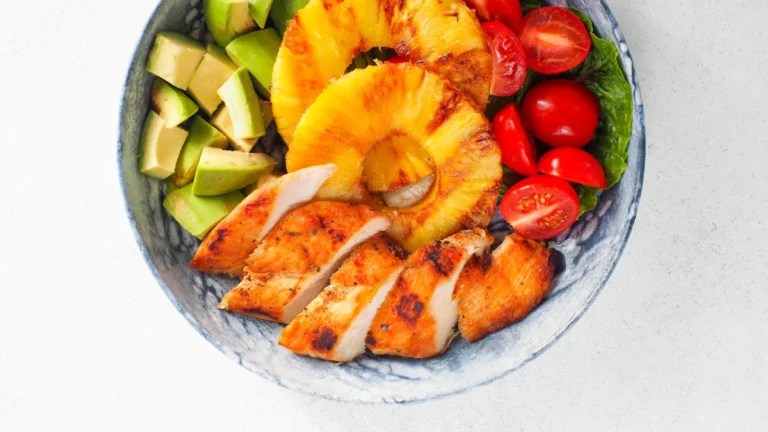
Greek yogurt choices range from small plain cups to equipment for making strained yogurt at home. I focus on milk fat, live cultures, added sweeteners, protein, dietary preferences, and convenience rather than treating one label as automatically healthier than another. That matters for daily breakfasts, snack packs, and busy kitchens where flavor and texture can determine whether an option gets used. The list mixes ready-to-eat yogurt, fermentation ingredients, and preparation tools, with each fit tied to specific needs.
The Lineup, Simplified

Ultimate L. Reuteri Probiotic 10 Billion CFU Yogurt Starter

Ultimate Organic Chicory Root Inulin Powder 12oz

Fage 2% Total Greek Yogurt 5.3 oz

Fage Total 2% Peach Greek Yogurt 5.3 oz

365 by Whole Foods Market Plain Nonfat Greek Yogurt 32 oz

Chobani Flip Salted Caramel Crunch Greek Yogurt 4.5 oz

Ultimate 2.3-Quart Fine Mesh Greek Yogurt Strainer
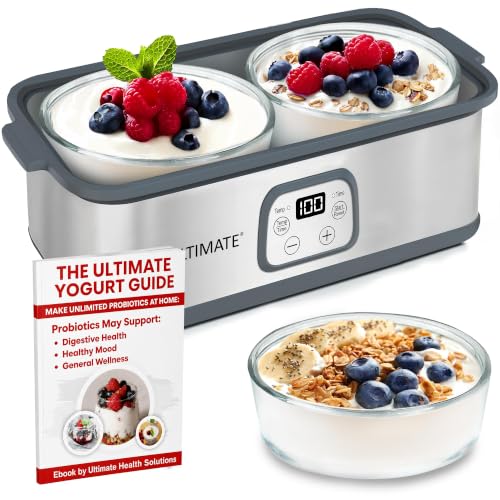
Ultimate Probiotic Yogurt Maker with Dual 1-Quart Containers
Taking A Closer Look At The Options
This starter sits apart from the ready-to-eat choices because it supplies a specific cultured strain for homemade fermentation. The L. reuteri culture is presented for people building a small yogurt routine around digestive and microbiome support, though results depend on the finished recipe and regular dietary use.
Unlike Fage 2% Total, which arrives ready to eat, this capsule-based starter requires milk, proper incubation, and patience. In my view, that added involvement is worthwhile only for a committed home yogurt maker.
Strengths Worth Knowing
- The 10-billion-CFU label gives the starter a clearly defined culture quantity.
- Chicory-root inulin complements the culture with a fermentable prebiotic fiber.
- The capsule format is more convenient than handling a loose starter culture.
- It offers a targeted alternative for a dedicated L. reuteri yogurt routine.
Small Caveats
- Milk type, incubation conditions, and recipe proportions can materially affect the finished batch.
- Owners may need separate equipment, such as the Ultimate Probiotic Yogurt Maker.
Key Specs
Built With In Mind
This starter fits experienced home fermenters who want a specific L. reuteri culture and enjoy controlling each batch.
Where Another Pick Shines
Fage 2% Total Greek Yogurt 5.3 oz suits people who want a ready-to-eat single serving without fermentation.
This powder is a recipe ingredient rather than a complete meal, and its range makes it the most versatile item in my lineup. I can add it to cultured dairy, coffee, tea, or smoothies, while people avoiding dairy can still use it in plant-based preparations.
Compared with Ultimate L. Reuteri Probiotic 10 Billion CFU Yogurt Starter, it provides prebiotic fiber but no stated live culture. That distinction matters for fermentation planning.
Practical Pluses
- The 12-ounce package has enough volume for repeated recipe preparation.
- Chicory-root inulin dissolves into everyday drinks and cultured foods.
- The mild sweetness works without added flavoring.
- No fillers or preservatives keep the ingredient list focused.
Honest Caveats
- Prebiotic fiber can cause digestive discomfort when intake rises too quickly.
- It is not a stand-alone breakfast and needs another food or drink pairing.
- Recipes using this powder will still need their own live culture for fermentation.
Made For
Recipe-focused home cooks appreciate the flexibility across yogurt, smoothies, coffee, and tea preparations.
Look Elsewhere When
Ultimate L. Reuteri Probiotic 10 Billion CFU Yogurt Starter is a better fit for anyone who specifically needs a defined live culture.
A 2% milk-fat option lands between rich full-fat yogurt and skim milk for people who still want dairy richness without using the richest option. The strained format creates a thicker texture that works with fruit, granola, or savory toppings, and the 5.3-ounce cup suits a workday lunch or quick snack.
Unlike Chobani Flip, Fage Total keeps the format centered on plain cultured dairy rather than dessert-style mix-ins. The listed calcium and live cultures add useful context, though the complete nutrition panel remains important for individual dietary decisions.
A Favorable Mix
- The 2% milk fat offers a middle ground between richer and nonfat styles.
- Straining produces a dense texture that holds toppings well.
- The single-serve cup simplifies portioning for commuting or desk lunches.
- It provides live cultures and a listed calcium source.
Small Limitations
- The 5.3-ounce format may be small for a filling breakfast.
- Dairy ingredients exclude people following a plant-based diet.
- A single cup needs refrigeration throughout transport and storage.
Quick Facts
The Right Fit
Commuters, snackers, and home cooks seeking a moderate-fat plain yogurt appreciate the simple single-serve format.
Another Choice May Suit
365 by Whole Foods Market Plain Nonfat Greek Yogurt 32 oz suits households prioritizing a larger nonfat container.
Fruit flavor changes the decision for people who find unsweetened yogurt too stark, and this peach cup offers that variety in a restrained single-serving format. It feels closer to everyday breakfast than the topping-heavy Chobani Flip, while retaining Fage Total’s strained Greek yogurt base.
The 2% milk-fat profile keeps the dairy component moderate, though a nutrition-label comparison remains essential for anyone managing added sugar or total carbohydrate intake. I see it as a convenient option, not a free pass on portion size.
Reasons It Performs
- Peach flavor makes plain cultured dairy more approachable.
- The thick texture works well in a spoon or with granola.
- A 2% milk-fat level offers a middle-ground richness.
- Portion control suits lunchboxes and compact refrigerators.
Where It May Fall Short
- Fruit formulations may include more added sugar than plain Fage Total.
- The small cup offers less breakfast volume than the 32-ounce 365 option.
- Common spoon-and-stir residue still requires normal container cleanup.
Who Will Love This
Beginners and fruit-forward snackers benefit from a mild flavor in a controlled, ready-to-eat portion.
A Better Fit Elsewhere
Fage 2% Total Greek Yogurt 5.3 oz better serves people who want plain flavor for savory toppings or controlled recipe use.
The 32-ounce container changes the economics of Greek yogurt ownership by reducing the number of small cups needed throughout a busy week. It suits families, meal-prep routines, and anyone who regularly tops yogurt with fruit, oats, or seeds.
Compared with Fage 2% Total, the defining distinction is nonfat milk and bulk packaging rather than a single portion. In my view, the plain format makes it more versatile, but storage discipline remains essential once the container has been opened.
Noteworthy Benefits
- Nonfat milk removes milk fat from the fat comparison.
- Plain flavor works with both sweet and savory additions.
- The 32-ounce tub suits repeated household servings.
- One container reduces packaging and spoon clutter.
Practical Considerations
- The large container needs reliable refrigerator space and prompt resealing.
- Nonfat yogurt can taste leaner than the Fage 2% option.
- Individual nutrition details are limited in the supplied listing information.
Feature Snapshot
Whose Shelf It Belongs On
Households and meal-prep regulars gain the most from this large plain, nonfat format.
Swap It Out When
Fage 2% Total Greek Yogurt 5.3 oz is a stronger match for portion-controlled lunches and people wanting moderate milk fat.
Salted caramel, chocolate, and toffee shift this choice toward an occasional snack rather than a neutral breakfast base. The 4.5-ounce cup fits neatly into a bag, and its texture is more indulgent than the smooth spoonable format of Fage Total Peach.
For someone who wants a quick dairy-based snack with live cultures, that convenience has real value. The trade-off appears in the ingredient profile: a dessert-like flavor profile can add calories and sweeteners that a plain option avoids.
Real-World Strengths
- The compact cup supports portable snack storage.
- Live cultures preserve a cultured-yogurt element.
- Protein is a listed nutritional strength.
- The salted caramel profile makes it practical for cravings.
Possible Compromises
- Chocolate and toffee add texture that may not suit everyone.
- Flavored toppings can complicate comparison with plain yogurt.
- The 4.5-ounce serving is small enough to be insufficient alone for some people.
Who Should Grab It
Snackers who prefer dessert flavors and need a small, spoonable portion will find the format easy to use.
Reach For A Different Pick When
365 by Whole Foods Market Plain Nonfat Greek Yogurt 32 oz fits households seeking a lighter, more adaptable breakfast base.
This strainer handles the separation step between cultured yogurt and its liquid whey, giving homemade batches a denser finished texture. Its 2.3-quart capacity feels useful for a serious home routine, including yogurt, labneh, and kefir preparations listed for the product.
Unlike the Ultimate Probiotic Yogurt Maker, which controls fermentation from the start, this item works after cooking. A fine mesh will require patience during draining and careful cleaning so residue does not remain in the strainer.
Features That Help
- The 2.3-quart capacity supports a meaningful home batch.
- Fine mesh helps separate liquid whey from cultured curds.
- The vessel also suits labneh and kefir straining.
- Dishwasher-safe construction simplifies routine cleanup.
- A recipe book supports new kitchen experimenters.
Points To Note
- Straining can take several hours and requires refrigerator space.
- Very small curd particles may require more draining time.
- The tool improves texture but does not choose the milk or culture.
Core Details
Best Suited To
Home cooks who prepare yogurt often and want a dedicated vessel for separating whey from thicker dairy preparations.
Another Choice May Suit
Ultimate Probiotic Yogurt Maker with Dual 1-Quart Containers better serves someone who needs controlled fermentation before straining.
Adjustable time and temperature settings give this appliance the broadest control of any fermentation item in my lineup. Two one-quart containers also make parallel batches practical, which is useful for comparing cultures or maintaining a consistent household yogurt routine.
Unlike the strainer in item seven, this machine manages incubation rather than post-cooking separation. My expectation is that consistent settings can improve repeatability, although the appliance still depends on suitable milk, a starter, and careful sanitation.
Benefits That Matter
- Adjustable time supports different fermentation schedules.
- Temperature control lets the operator match a recipe more closely.
- Two one-quart containers allow separate small batches.
- The appliance supports cultures including L. reuteri and L. gasseri.
- Later batches can use a portion of an earlier batch as starter.
Practical Considerations
- Counter space and refrigeration requirements increase with an appliance setup.
- Milk, cultures, and cleanup add ongoing costs and work.
- Long incubations may not suit a spontaneous daily meal routine.
Technical Highlights
Made For
Dedicated home fermenters gain the most from controlled timing, temperature, and separate batch containers.
Consider Something Else When
Ultimate Organic Chicory Root Inulin Powder 12oz is the simpler fit for adding prebiotic fiber without committing to appliance ownership.
What Actually Makes Greek Yogurt Fit Your Routine
Milk fat sets the nutritional and textural starting point. Nonfat versions are leaner, 2% cups offer middle-ground richness, and full-fat choices bring a creamier profile. I compare the complete nutrition panel alongside the serving size, since none of those qualities determines the complete choice by itself.
Added Sugar and Flavor
Peach and salted caramel varieties can make yogurt more enjoyable, but flavor often comes with additional sweeteners. Plain options, including Fage 2% Total and the large 365 tub, offer more control over additions. Fresh fruit, cinnamon, or savory toppings can supply variety without relying on a heavily flavored cup.
Culture and Texture
Live cultures require refrigeration, and strained yogurt generally offers a thicker texture than unstrained styles. People using Ultimate L. Reuteri Probiotic 10 Billion CFU Yogurt Starter need a starter and controlled fermentation rather than a conventional store-bought cup. Strained texture, by itself, does not establish the entire nutritional profile.
Container and Preparation
A 5.3-ounce cup supports controlled snacks, while a 32-ounce container suits frequent household use. Homemade systems add preparation, washing, and storage tasks, but they can provide greater control over the culture and final consistency. The right choice depends on how much kitchen involvement fits the routine.
Two Details That Change the Decision
Mistakes Worth Dodging
Confusing a prebiotic powder with a live-culture starter can lead to a mismatched recipe. Shoppers also miss the practical difference between a ready-to-eat cup, a passive straining tool, and a fermentation appliance.
What the Upgrade Pays Off
Higher spending may buy adjustable controls, dual containers, larger volume, or bulk packaging. That extra capacity is worthwhile for frequent use, while a small plain cup remains more efficient for occasional portions.
Frequently Asked Questions
Is nonfat Greek yogurt always the healthiest choice?
No, it removes milk fat but does not determine protein, sugar, cultures, or total dietary fit. Individual nutrition priorities matter more than one category label.
Is fruit-flavored Greek yogurt less suitable?
Fruit flavor can include added sugar, making plain yogurt easier to control. Flavored options still fit a balanced routine when the complete ingredient list works for the person.
Can prebiotic inulin replace a yogurt culture?
No. Inulin supplies fermentable fiber, while a yogurt starter supplies microorganisms for fermentation. They serve different recipe functions.
Is homemade Greek yogurt cheaper than store-bought?
It can be, but milk, starter cultures, equipment, and time add up. Frequency of use usually determines whether the setup becomes practical.
Do yogurt makers control probiotic quality?
The maker controls time, temperature, sanitation, and process consistency, but culture quality also depends on the starter and ingredients. Careful handling cannot replace suitable source materials.
The Takeaway
The simplest daily fit is Fage 2% Total or the large 365 plain tub, while peach and Chobani Flip add convenience or flavor. For hands-on yogurt making, the L. reuteri starter, inulin powder, strainer, and controlled appliance each serve a distinct role. I favor the setup that matches actual kitchen habits, not the one with the longest ingredient story.