
Low-carb eating can make breakfast planning frustrating, especially when most flavored yogurts rely on added sugar and ordinary cereal adds more than the meal needs. I’ve grouped eight useful options for people building low-carb routines, including strained dairy yogurt, cashew-based yogurt, grain-free granola, fermentation starters, and a countertop yogurt maker.
The lineup isn’t exclusively Greek yogurt. That’s deliberate, because a creamy low-carb bowl often depends on the toppings and preparation method as much as the yogurt itself.
A Fast Comparison Of The Options

Ultimate L. Reuteri Probiotic Starter 10 Billion CFU

Ultimate Organic Inulin Powder 12 oz

NuTrail Nut Granola Variety Pack, 8 oz, 3 Count

NuTrail Protein Nut Granola 15-17g, 3 Count
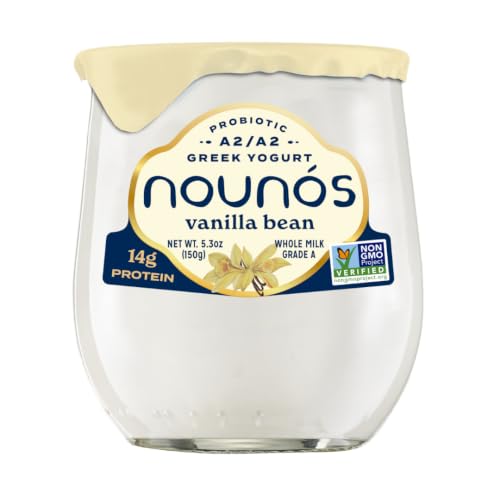
Nounos Vanilla Bean Lowfat Greek Yogurt

Cabot Creamery Lowfat Plain Greek Yogurt 2 lb

Forager Project Organic Cashew Greek Yogurt 24 oz
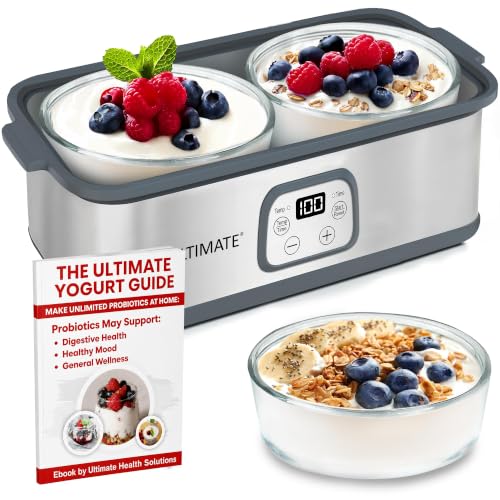
Ultimate Probiotic Yogurt Maker with Two 1-Quart Containers
A Deeper Look At The Lineup
This is a fermentation starter rather than a ready-to-eat Greek yogurt, so it occupies a different role in a low-carb routine. People experimenting with cultured batches can pair it with dairy and the Ultimate Organic Inulin Powder 12 oz, which supports a thicker preparation.
The capsule format suits home fermenters who want more control over timing and strain selection. Depending on the milk and equipment used, the finished texture may be tangier and softer than strained commercial yogurt.
Where It Excels
- Each capsule provides 10 billion CFU of L. reuteri.
- The starter is formulated for fermentation rather than simple swallowing.
- Capsules are easier to handle than loose powder during batch preparation.
- It supports experimentation with homemade cultured dairy.
Practical Considerations
- It adds equipment, temperature control, and batch timing to breakfast prep.
- Home-fermented yogurt requires refrigeration and prompt use after culturing.
Made For Home Fermenters
This fits people comfortable managing cultures, temperatures, and refrigerated fermentation batches.
Where Another Pick Shines
Cabot Creamery Lowfat Plain Greek Yogurt 2 lb better serves households wanting a ready-to-eat strained base.
Chicory-root inulin is a prebiotic fiber, meaning it supplies fermentable material that can be used by intestinal microbes. The powder fits fermentation batches, coffee, tea, smoothies, and other recipes, making it more versatile than the L. reuteri starter.
Its mild sweetness can be useful in low-carb drinks and cultured preparations. Still, people sensitive to fermentable carbohydrates may need a smaller starting amount than recipes for an experienced fermenter might suggest.
Well-Handled Touches
- The 12-ounce container supports repeated kitchen experiments.
- Chicory-root inulin can encourage a thicker cultured texture.
- It mixes into coffee, tea, and smoothies beyond yogurt batches.
- The powder contains no flavor, fillers, preservatives, or artificial colors.
Worth Bearing In Mind
- Inulin is a fermentable fiber and may cause discomfort at larger serving sizes.
- It is an ingredient, not a complete breakfast or ready-made yogurt.
- Repeated humid kitchen use requires a dry, tightly closed container.
Right Fit For Flexible Recipes
This serves home fermenters and low-carb cooks who value a single fiber powder across several applications.
A Better Fit Elsewhere
Forager Project Organic Cashew Greek Yogurt 24 oz is the more convenient option for dairy-free eating without fermentation.
Granola makes plain Greek yogurt more satisfying, and NuTrail’s variety pack is designed for that supporting role. Each 8-ounce container provides 1 to 3 grams of net carbohydrates per serving, according to the listed range, with no added sugar.
I’d see this as a breakfast shortcut for people who want crunch without preparing grain-free toast. Compared with NuTrail Protein Nut Granola 15-17g, 3 Count, it carries less of a protein-forward purpose.
A Few Highlights
- The grain-free profile suits low-carb yogurt bowls.
- Each package contains three 8-ounce containers for rotating flavors or pantry stock.
- It works with yogurt, milk, smoothies, parfaits, and snacks.
- No added sugar keeps the topping compatible with carbohydrate-conscious meals.
Small Caveats
- Portion size matters because a large serving raises total carbohydrate intake.
- The granola is crunchier and denser than a spoonable cereal.
- Owners may find separate containers useful for freshness, but they also create more packaging.
Who It Suits Best
This works for low-carb eaters who want a quick crunchy topping with plain or lightly flavored yogurt.
Reach For A Different Pick When
NuTrail Protein Nut Granola 15-17g, 3 Count makes more sense for people prioritizing a higher protein contribution.
The protein-focused NuTrail formula turns an ordinary yogurt bowl into a more substantial meal component. A 2/3-cup serving supplies 15 to 17 grams of protein, along with 3 to 4 grams of fiber, making it more useful after demanding activities than standard granola.
Whey protein crisps supply much of the protein, while butter, nuts, and seeds create a lightly sweet crunch. For dairy-free households, that whey ingredient rules the product out despite the grain-free positioning.
Standout Benefits
- The 15-17 gram protein range gives breakfast bowls meaningful substance.
- Three to four grams of fiber complement a yogurt serving.
- It contains no seed oils or added sugar.
- The texture works in bowls, smoothies, and handful snacks.
Possible Compromises
- The whey-based formula excludes people avoiding dairy ingredients.
- Protein-rich granola is denser and may not pair well with large yogurt portions.
- Containers need resealing between servings to preserve crunch.
Built For Active Routines
This is a sensible topping for active adults who want protein, fiber, and crunch without added sugar.
Another Choice May Suit
Forager Project Organic Cashew Greek Yogurt 24 oz offers a dairy-free base with 13 grams of plant-based protein.
At 5.3 ounces, Nounos focuses on a single, compact vanilla serving rather than family-size value. The lowfat 2% profile and strained Greek-style format make it convenient for breakfast, snacks, and portable meal routines.
Vanilla can make low-carb bowls more approachable, but the nutrition panel still deserves a close look for anyone tracking carbohydrates closely. Compared with Cabot’s plain two-pound tub, the portion is convenient but much less versatile for cooking.
Everyday Wins
- The 5.3-ounce container simplifies portioning.
- Vanilla flavor works without sweet toppings.
- The strained format is ready to eat with no fermentation setup.
- It travels neatly in a work or lunch bag.
Points To Note
- Vanilla flavor may not suit cooks building a savory sauce.
- The single-serving size is less economical for frequent family use.
- Opened yogurt requires refrigeration and regular use.
The Right Fit
This suits commuters and solo diners who value a measured vanilla yogurt serving over a larger reusable tub.
Another Choice May Suit
Cabot Creamery Lowfat Plain Greek Yogurt 2 lb better fits families and recipe-based low-carb meals.
Plain Greek yogurt is the practical center of a low-carb kitchen, and Cabot’s two-pound format serves that role well. Its neutral flavor pairs with nuts, seeds, fruit portions, and savory seasonings without a strong flavor profile competing with the toppings.
The smooth, strained texture also works as the base for dips, sauces, and a sour-cream substitute. That cooking flexibility separates it from Nounos Vanilla Bean Lowfat Greek Yogurt, which is better organized around individual flavored servings.
Notable Upsides
- The two-pound package supports frequent household use.
- Plain flavor works in sweet bowls, dips, and savory sauces.
- The smooth texture makes it versatile for meal preparation.
- It can replace sour cream in suitable recipes.
Details To Watch
- Lowfat dairy does not automatically mean low in carbohydrates, so labels still matter.
- A large tub has a shorter storage window once opened.
- Owners commonly need to reseal and refrigerate it promptly in a busy kitchen.
Whose Shelf It Belongs On
This is the most useful option for families, batch cooks, and households consuming plain Greek yogurt several times a week.
Consider Something Else When
Forager Project Organic Cashew Greek Yogurt 24 oz serves plant-based households that avoid dairy ingredients.
Forager Project’s cashew yogurt offers the thickness and tang associated with Greek-style bowls without dairy ingredients. Cashews and brown rice provide 13 grams of plant-based protein, giving it more nutritional weight than many fruit-sweetened plant yogurts.
Six live active cultures contribute the cultured character, while the plain profile stays flexible for fruit, granola, tacos, and recipes. In a dairy-free kitchen, it replaces the separate need for a yogurt base and a protein-rich topping.
The Value In It
- Cashews and brown rice supply 13 grams of plant-based protein.
- The thick texture stands up to toppings and recipe applications.
- Six live active cultures support its fermented identity.
- No added sugar or natural flavors keep the plain profile flexible.
- The 24-ounce container suits regular plant-based use.
Less-Strong Areas
- Cashew-based yogurt costs more than basic dairy options in many kitchens.
- Opened product has a limited storage window and requires refrigeration.
- People avoiding nuts may need an entirely different base.
Core Details
Made With Plant-Based Diets In Mind
This fits dairy-free households that want a protein-rich, spoonable yogurt with enough thickness for bowls and savory recipes.
Another Choice May Suit
Cabot Creamery Lowfat Plain Greek Yogurt 2 lb is a more practical fit for families centered on dairy and lower ingredient costs.
This appliance shifts low-carb breakfast preparation from opening a tub to managing repeatable fermentation batches. Adjustable time and temperature controls are useful because different cultures and milk preparations can require different conditions.
Two 1-quart containers allow sequential batches and keep the finished yogurt separated while another cycle starts. Compared with the ready-to-eat Forager Project Organic Cashew Greek Yogurt 24 oz, it demands planning and counter space in exchange for control.
Benefits That Matter
- Adjustable controls support different fermentation schedules.
- Two 1-quart containers make larger or consecutive batches practical.
- The setup reduces repeated purchases of ready-made cultured yogurt.
- Finished batches can be chilled and portioned as needed.
Practical Considerations
- Milk, starter cultures, cleaning, and temperature monitoring add preparation time.
- The appliance occupies counter or shelf space between uses.
- Owners commonly find the containers easier to maintain when washed promptly.
Technical Highlights
Hobbyist Pick
This suits dedicated home fermenters who enjoy experimenting with dairy cultures and repeatable batch routines.
Skip It When
People seeking immediate meals should favor Cabot Creamery Lowfat Plain Greek Yogurt 2 lb instead.
What Matters In A Low-Carbohydrate Yogurt Routine
Start with the nutrition panel rather than assuming a product fits. “Low carb” is not a fixed category, and flavored dairy yogurt, plant-based yogurt, granola, and supplements can differ substantially. Total serving size matters as much as the headline claim.
Texture And Sweetness Fit
Greek-style straining generally creates a thicker texture by removing whey. That body can make a smaller portion satisfying and gives toppings somewhere to sit. Plain varieties also offer more control because sweet or savory additions can be measured separately.
Dairy Versus Plant-Based Bases
Dairy yogurt typically provides a higher protein contribution, while plant-based versions vary widely by base ingredient. Forager Project uses cashews, coconut, and brown rice, but other products may rely on soy, peas, or coconut alone. Nut allergies, lactose sensitivity, and preferred flavor all affect the practical choice.
Toppings Deserve Equal Attention
NuTrail’s granola options work well in bowls, but low-carb cereal can still add carbohydrates quickly. A moderate portion paired with ample protein and fat usually creates a more balanced breakfast than a large mound of cereal. Individual nutrition needs will determine the right balance.
Buying Yogurt Around Your Actual Routine
A useful low-carb setup accounts for dairy preference, serving size, storage, and preparation time. These distinctions matter more than treating every option as an interchangeable breakfast.
Mistakes Worth Dodging
A common mistake is relying on a front-label promise without comparing the complete panel. Another is adding several low-carb toppings whose combined carbohydrate total is substantial. Large cereal portions and generous nut butter can quietly turn a small yogurt serving into a carbohydrate-dense meal.
The Upgrade Payoff
Higher-priced options often provide more protein, specialized cultures, plant-based ingredients, larger formats, or fermentation controls. Those additions suit specific routines, but they aren’t automatically necessary. A plain dairy tub may cover everyday needs more economically, while cashew yogurt or a dedicated maker earns its place through dietary fit and preparation control.
Frequently Asked Questions
Are Greek yogurts low in carbohydrates?
Many are lower in carbohydrates than sweetened breakfast foods, but varieties differ by milk, added sugar, and serving size. The nutrition label provides the most reliable comparison.
Which option is best for a plant-based routine?
Forager Project Organic Cashew Greek Yogurt 24 oz offers a thick dairy-free texture with 13 grams of plant-based protein. The cashew base makes it unsuitable for households avoiding nuts.
Can plain Greek yogurt replace sour cream?
Its smooth, strained texture works in many dips and sauces, although flavor and thickness may differ slightly. Small test batches help determine whether it suits a particular recipe.
Is homemade yogurt lower in carbohydrates?
Carbohydrate content depends mainly on the milk quantity and added ingredients. A starter controls the cultures, not the carbohydrate level of the finished batch.
Do low-carb granolas make good yogurt toppings?
They add crunch and texture without bringing most traditional cereal grains. Portion size still matters because several low-carbohydrate ingredients can add up quickly in one bowl.
Final Verdict
Cabot Creamery offers the most practical everyday base, while Nounos handles single-serving vanilla routines. Plant-based cooks get a substantial cashew alternative from Forager Project, and NuTrail covers two distinct topping needs. For people who enjoy fermentation, Ultimate provides both starter options and a dedicated yogurt maker. The right choice depends on dairy preference, storage space, and how much kitchen involvement fits the morning routine.