

Making kefir at home can be simple, but choosing the right starter or fermenter is less obvious. Some options include a complete vessel, others provide grains alone, and powdered cultures trade grain maintenance for a different routine. I compare the included equipment, grain quantity, milk compatibility, and everyday handling so home cooks can select the format that fits their kitchen and fermentation habits.
A Snapshot Of The Selections

Kefir Fermenter 0.35L
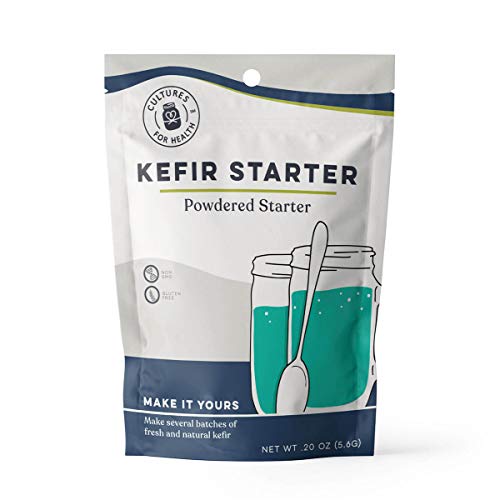
Cultures For Health Kefir Starter Culture 4 Packets

Aykan Kefir Grains 1 TBSP Starter Kit
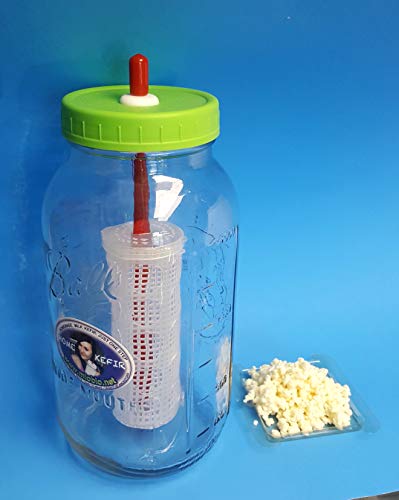
Microbiota Kefir Fermenter 1.5L 50oz

Simply Life Fresh Milk Kefir Grains

The Spirit Of The Forest Milk Kefir Grains

Simply Life Milk Kefir Grains 1 Teaspoon
What Each Pick Brings To The Table
The combined jar and grain format handles fermentation and drinking in one vessel, which suits a busy kitchen that lacks time for extra transfers. Milk ferments for roughly 20 to 24 hours, then the same grains support the next batch.
Unlike the loose grains elsewhere in this roundup, the cage-style design separates the grains from the finished drink. That makes the 0.35-liter format feel particularly practical for daily use.
The Helpful Details
- Includes both a reusable vessel and active grains
- Built-in separation reduces straining and handling
- Supports small batches without occupying much space
- Useful for one-person households or light daily routines
Practical Considerations
- The compact volume may be limiting for larger households
- Grains still need regular refreshing and refrigerator storage between uses
Key Attributes
Made For
Small households and beginners who value a compact vessel with minimal straining.
Where Another Pick Suits Better
Microbiota Kefir Fermenter 1.5L 50oz serves larger kitchens that need more batch capacity.
This powder-based approach removes the need to maintain a grain colony, making it a sensible starting point for someone who does not want a permanent kitchen routine around fermentation. The four-packet set also creates more than one opportunity to begin.
I see the main difference from Kefir Fermenter 0.35L as flexibility: the culture can prepare drinks with milk, water, or juice rather than requiring the fixed milk-kefir format of a grain vessel.
Everyday Wins
- Simplifies storage compared with live grain colonies
- Accepts milk, water, or juice as fermentation bases
- Four packets provide repeated starting material
- Each culture can be used to re-culture additional batches
Worth Noting
- Powder handling and portioning add steps absent from a ready-filled vessel
- Repeated use requires reserving starter material and following care instructions
Quick Facts
Who It Suits Best
Beginners and experimental cooks who prefer a low-commitment starter over grain maintenance.
Consider Something Else When
Simply Life Fresh Milk Kefir Grains better suits cooks committed to a reusable live-grain routine.
One tablespoon gives this fresh-grain option a larger starting amount than the teaspoon portion from Simply Life. For a household already equipped with a jar and strainer, that extra volume may make the early batches more practical.
The grains are described as fresh rather than frozen, which distinguishes this format from the freeze-dried culture in Kefir Fermenter 0.35L. I would expect a fresh colony to require steady feeding and careful storage, but the listing does not include a vessel.
Why It Works Well
- Approximately 15 grams suit repeated household batches
- Fresh, unfrozen grains avoid an initial thawing stage
- The larger portion can develop into a lasting colony
- Suitable for cooks who already own a fermentation vessel
Small Caveats
- No dedicated container is identified in the supplied details
- A fresh colony generally needs more attentive care than powdered starter
Right Fit For
Experienced home fermenters and families seeking a generous live-grain starting amount.
Another Choice May Suit
Kefir Fermenter 0.35L is easier for first-time cooks who prefer grains and drinkware in one setup.
The 1.5-liter capacity makes this the most substantial kitchen setup here, combining a glass jar, food-grade polypropylene components, and 40 to 45 grams of fresh grains. It suits households making enough kefir for repeated drinks, smoothies, or cooking.
Compared with the smaller 0.35-liter cage vessel, this format offers greater batch volume and a heavier grain supply. The expected headspace after several fermentations also reduces the likelihood that milk contacts the lid.
What Stands Out
- Large 1.5-liter vessel supports generous batches
- Includes roughly 40 to 45 grams of fresh grains
- Glass jar provides a clear view during fermentation
- The listed volume reaches about two-thirds full after 3 to 4 cycles
Details To Watch
- The full-size vessel requires more refrigerator space than the smaller options
- Cleaning a large jar and handling more milk can be less convenient
Feature Snapshot
Built With In Mind
Busy households that regularly ferment larger volumes and have refrigerator space.
Reach For A Different Pick When
Cultures For Health Kefir Starter Culture 4 Packets better fits compact kitchens without a large grain colony.
Milk variety gives this starter more range than a standard milk-only routine. Cow, goat, and other mammal milks can each produce a different flavor and texture, making the grains appealing for cooks who enjoy comparing finished batches.
Activation instructions accompany the grains, which lowers the learning curve for new fermenters. I would still treat those directions as the starting point, since temperature, milk, and handling all influence the final result.
Real Benefits
- Accepts several mammal-milk types
- Allows distinct flavor experiments by changing milk
- Instructions support first-time activation
- Reusable format suits a continuing kitchen routine
Points To Keep In Mind
- No grain quantity or included vessel is specified
- Live grains require regular feeding and protected storage
Best Suited To
Home cooks who want to compare cow, goat, and other milk-based fermentations.
Look Elsewhere When
Microbiota Kefir Fermenter 1.5L 50oz better serves households seeking a larger vessel and a stated grain amount.
This milk-kefir starter is positioned for cooks who want a living culture they can continue using across batches. Its simple selling point is continuity, although the same continuity transfers daily care to the person maintaining the grains.
The listing emphasizes a creamy, tart-tasting result without artificial flavors, colors, or additives. I prefer to judge texture and flavor after a completed cycle, since milk temperature and fermentation time can change the finished drink.
The Practical Payoff
- Live grains can carry over between batches
- No artificial flavors, colors, or additives are listed
- Supports creamy homemade milk kefir
- Works within an ongoing household fermentation routine
Practical Considerations
- No quantity, package size, or vessel is identified
- Reusing grains creates a long-term feeding and storage responsibility
Who Will Love This
Patient home fermenters who prefer maintaining one live culture over repeated powdered starters.
Swap It Out When
Cultures For Health Kefir Starter Culture 4 Packets better suits cooks seeking powder portability and shorter-term storage.
A teaspoon makes this a restrained starter portion, useful for a first small batch rather than an immediate family-scale supply. The grains are described as fresh and never frozen, so the starting material should arrive without a thawing step.
Fermentation is listed at 24 to 48 hours, followed by straining. That range reflects the practical variables involved: milk temperature, room conditions, and the desired tartness can all shift how quickly the drink sets.
What Earns Its Place
- One teaspoon works for a modest first batch
- Fresh grains require no listed thawing step
- Finished kefir can enter smoothies, baking, or cooking
- Fruit, herbs, and spices provide flavor variations
Possible Compromises
- The smaller quantity may need time to develop a substantial colony
- Loose grains require separate straining, storage, and cleaning supplies
The Right Fit
First-time fermenters making a small batch and already equipped with a jar and strainer.
Where A Sibling Pick Shines
Aykan Kefir Grains 1 TBSP Starter Kit better serves households that want more culture from the outset.
What Matters Before Choosing Kefir Grains
Vessel Format
An all-in-one fermenter reduces transfers and makes a short daily routine easier to manage. Loose grains offer more control over quantity, but I need a separate jar, strainer, and storage container.
Living Grains Or Powder
Live grains support repeated batches and can be fed in fresh milk or another suitable mammal milk. Freeze-dried powder is easier to store in measured portions, although each activation may involve re-culturing.
Batch Volume
A small vessel suits personal routines and limited refrigerator space. Larger kitchens benefit from greater capacity, especially when finished kefir is used across drinks, smoothies, and recipes.
Freshness And Care
Fresh grains arrive ready for feeding, while freeze-dried cultures need a controlled activation stage. Either format still benefits from consistent handling, clean equipment, and attention to the instructions.
What To Check Before Fermenting
Mistakes Worth Dodging
Choosing by grain quantity alone can leave a new setup missing its jar, lid, or strainer. I also avoid treating every fermentation time as fixed, because room temperature, milk temperature, and the desired consistency can change the timing.
What The Higher Tier Buys
Larger setups often add useful capacity, a clear vessel, and a greater starting grain supply. The extra size is worth the added counter and refrigerator space for frequent use, while a compact format makes more sense for occasional batches.
Frequently Asked Questions
Are Kefir Grains Reusable?
Yes, live grains can support successive batches with regular feeding and clean handling. Storage between uses remains essential.
How Much Kefir Can Fresh Grains Make?
Batch size depends on the quantity of grains, milk, and the fermenter’s capacity. Larger grain supplies and roomier vessels generally support more finished kefir.
Do Kefir Grains Need Freezing?
Fresh grains do not require the thawing step associated with freeze-dried material. Refrigeration and regular feeding remain part of the ongoing care routine.
Can One Starter Ferment Goat Milk?
Some live-grain options support cow, goat, or other mammal milks. The milk choice can alter the finished flavor and texture.
How Long Does Homemade Kefir Ferment?
Common cycles range from about 20 to 48 hours. Temperature and the desired tartness determine the appropriate endpoint.
Final Verdict
I find the cage-style 0.35-liter fermenter most convenient for daily use, the 1.5-liter Microbiota setup strongest for larger batches, and the four-packet starter best for a lower-maintenance introduction. Fresh live grains suit cooks ready to establish and maintain a colony. The right choice depends less on novelty than on vessel size, care level, and expected batch volume.