Arabica Beans vary widely in origin, roast level, acidity, and espresso performance, so choosing well means matching the coffee to a specific routine. A daily drip setup calls for a balanced, rounded profile, while an espresso machine benefits from beans selected for body and crema. I compare single-origin options, large household bags, organic blends, and mixed Arabica-Robusta combinations to make the decision clearer.
The Lineup, Simplified
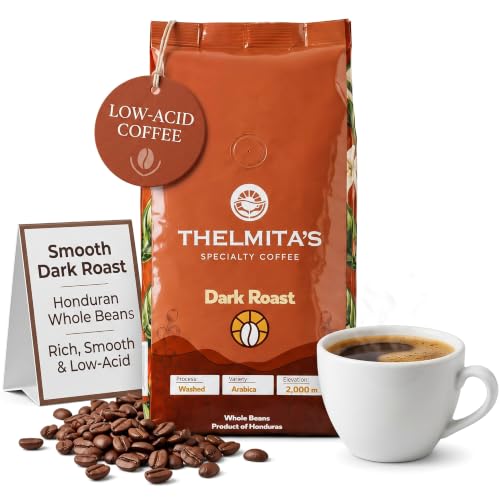
Thelmita’s Honduran Dark Roast Whole Bean Coffee

Lucy Jo’s Mellow Belly Organic Arabica, Medium Dark

Yaucono Puerto Rico Dark Roast Whole Bean Coffee
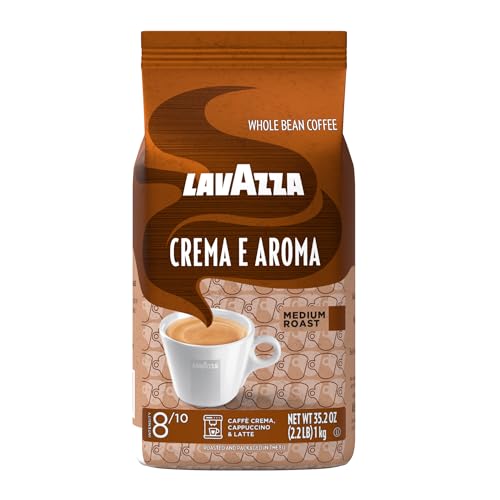
Lavazza Crema E Aroma Medium Roast, 2.2-Pound Bag

Lavazza Espresso Medium Roast 100% Arabica, Pack of 2

Lavazza Crema e Aroma Medium Roast, Pack of 6

Delta Cafés Gold Whole Bean Coffee, 35.2 Ounces

Delta Cafés Platinum Whole Bean Intense Espresso Coffee
More Details On Our Top Picks
Single-estate sourcing gives this Hondurian dark roast a clear identity, which matters in a morning routine built around recognizable flavors. Chocolate, creamy, nutty, and marshmallow-like notes create a broad profile, while the stated low acidity may appeal to people who prefer less sharpness.
The whole beans suit espresso, drip, pour-over, French press, and cold brew, making them practical for a kitchen with several brewing habits. Compared with Lucy Jo’s later blend, this coffee comes from one estate and leans darker, so the tradeoff is less flexibility than a deliberately focused profile.
Positive Takeaways
- Single-estate beans from Marcala, Honduras
- Dark roast with chocolate and creamy notes
- Works across five common brewing methods
- Small numbered batches support traceability
- Vegan, gluten-free, keto, and plant-based labels
Honest Caveats
- A dark roast can taste less delicate than a medium blend.
- Whole beans lose aroma faster after grinding, so grind shortly before brewing.
Key Product Details
Who It Suits Best
This coffee fits dark-roast drinkers, home espresso users, and households that value a single-origin story with a broad flavor profile.
Consider Something Else When
Lucy Jo’s Mellow Belly Organic Arabica, Medium Dark suits drinkers who prefer a smoother blend with less pronounced roast intensity.
Mellow Belly is designed for drinkers who want coffee presence without the sharp edge associated with darker roasts. Its stated smooth, sweet, earthy character and hint of spice make it a sensible choice for French press, drip, or a morning cup that needs to feel easygoing.
The blend comes from Indonesia and Brazil, using organic Arabica beans and a medium-dark roast. That combination favors balance over origin-specific depth, so the honest read is that this is a comfort-focused coffee rather than a precise estate expression like Thelmita’s.
What Stands Out
- Organic Arabica beans from two regions
- Low-acid positioning for a softer cup
- Sweet, earthy notes with light spice
- Large 26-ounce format supports regular use
Trade Offs
- A blend offers less origin distinction than single-estate coffee.
- Medium-dark roasting can still feel substantial to light-roast drinkers.
Who Will Love This
This blend is best for daily drip drinkers, French press users, and people seeking a smooth organic Arabica option.
Where A Sibling Pick Shines
Thelmita’s Honduran Dark Roast Whole Bean Coffee is a better fit for drinkers who value a single estate and more chocolate-forward intensity.
Yaucono brings a more substantial dark-roast option to the lineup, built around full body, bold flavor, and a rich finish. The two-pound bag is practical for a busy household or an espresso setup that goes through beans quickly.
One-way degassing is a practical detail for whole-bean storage, allowing roasted beans to release carbon dioxide gradually while keeping air out. The 100% Arabica composition makes it a more focused choice than the Lavazza blends, although the dark profile will be less subtle than the medium roasts.
Useful Touches
- 100% Arabica dark-roast profile
- Full-bodied flavor suits espresso and milk
- Two-pound bag reduces refill frequency
- Degassing valve supports freshness
- Puerto Rican identity gives the coffee a clear regional story
Small Caveats
- Bold roast character may overwhelm delicate brewing preferences.
- Whole beans need a grinder and storage away from heat, moisture, and open air.
Built With In Mind
Yaucono fits dark-roast fans, espresso users, and households that want a generous supply with a pronounced body.
Another Choice May Suit
Delta Cafés Platinum Whole Bean Intense Espresso Coffee may appeal more to espresso-focused drinkers who prioritize crema and intensity over a regional dark-roast identity.
Crema E Aroma is built around a home espresso routine, where a stable, aromatic medium roast matters. Its blend combines Arabica and Robusta beans, creating a more forceful espresso style than the 100% Arabica option from Lavazza.
The listed intensity of 8 out of 10, chocolate notes, and emphasis on lasting crema make it useful for drinkers who like a fuller shot. I would expect the mix to be less delicate than a single-origin coffee, but that is precisely the tradeoff that helps some espresso machines produce a substantial cup.
The Value In It
- Arabica and Robusta blend adds crema and body
- Medium roast balances aroma with intensity
- Chocolate notes suit familiar espresso flavors
- Large 2.2-pound format suits frequent brewing
Practical Considerations
- The Robusta portion may produce a harsher cup than pure Arabica.
- Its espresso emphasis may not suit delicate pour-over preferences.
- Grind size should be adjusted for the specific machine and recipe.
Made For
This coffee is made for home espresso users who want a robust medium roast with lasting crema and clear chocolate notes.
Look Elsewhere When
Lavazza Espresso Medium Roast 100% Arabica, Pack of 2 is the better fit when pure Arabica character matters more than blend-driven body.
This Lavazza Espresso option answers a specific need: an all-Arabica medium roast for espresso drinkers who do not want a Robusta blend. The two-bag format is substantial, making it more useful for regular home brewing than a small single purchase.
Compared with Crema E Aroma, the 100% Arabica composition may offer a cleaner, more origin-forward cup, though the available information does not provide detailed tasting notes. I see it as a flexible choice for espresso, especially for drinkers who value bean composition over a blend marketed mainly for crema.
The Case For It
- 100% Arabica composition
- Medium roast suits varied espresso preferences
- Two 2.2-pound bags support frequent use
- Useful for households sharing an espresso routine
- Whole beans preserve flexibility before grinding
Things To Weigh
- Less crema-focused than a mixed Arabica-Robusta blend.
- Large bags require suitable storage and a dependable grinder.
Right Fit For
This package fits espresso drinkers, Arabica-only households, and anyone prioritizing pure bean composition in a medium roast.
Reach For A Different Pick When
Yaucono Puerto Rico Dark Roast Whole Bean Coffee may suit drinkers who prefer a darker, more forceful profile than this medium roast.
The six-bag format is the defining feature of this option. It is built for offices, busy kitchens, or households that brew espresso often enough to prefer a deep reserve over repeated smaller orders.
The Arabica and Robusta blend, medium roast, and crema emphasis overlap with Crema E Aroma, but the larger pack changes the ownership equation. I would consider the trade-off carefully in a compact kitchen, where six bags require more shelf and storage space than a household may need.
Benefits That Matter
- Six 2.2-pound bags cover high-volume use
- Arabica and Robusta blend supports body
- Medium roast suits a broad espresso range
- Crema-focused profile works well for milky drinks
Room For Improvement
- Six bags may be excessive for a light-use household.
- Storage space and freshness management become more important.
- The blend may be too forceful for delicate brewing.
- Espresso grind adjustments remain necessary.
Feature Snapshot
Shared-Space Pick
This coffee fits shared kitchens, offices, and high-frequency households that value a consistent espresso blend and ample supply.
Swap It Out When
Lavazza Espresso Medium Roast 100% Arabica, Pack of 2 is a more compact alternative for households that do not need six large bags.
Gold is built for drinkers who want a clearly powerful espresso. Its stated intensity 12 profile emphasizes smooth body, deep aroma, rich crema, and a long finish, which gives it a stronger identity than a neutral medium roast.
The 35.2-ounce package is a practical middle ground between a small bag and a multi-pound household supply. Since the information describes a premium naturally roasted Arabica blend, I would position it as a versatile choice for espresso, while noting that the supplied details do not specify detailed origin notes.
What Pays Off
- Intensity 12 suits strong espresso preferences
- Rich crema supports milk-based drinks
- Deep aroma suits daily brewing
- Balanced acidity adds structure
- 35.2 ounces works for regular household use
Where It May Fall Short
- High intensity may be too assertive for light drinkers.
- Detailed origin information is not provided here.
- Whole beans require a separate grinder.
Who Should Grab It
Gold is made for espresso drinkers who prioritize body, crema, and a lingering finish over delicacy.
A Better Fit Elsewhere
Thelmita’s Honduran Dark Roast Whole Bean Coffee is a better fit for drinkers who want a single-estate story alongside a bold dark-roast profile.
Platinum takes the espresso emphasis even further with an intensity 12 profile, pronounced body, and a smooth finish that seems designed to remain noticeable after the first sip. It is a sensible match for drinkers who treat espresso as a rich, concentrated ritual.
Compared with Delta Cafés Gold, Platinum presents a similar high-intensity proposition, so the difference is less about basic strength and more about preference within a bold range. The available details describe roasted-nut notes and a blend of Arabica and Robusta, which may appeal to drinkers who favor body over delicate acidity.
What Works In Its Favor
- Intensity 12 delivers a deliberately bold espresso
- Arabica and Robusta blend supports body
- Rich crema suits classic espresso service
- Roasted-nut notes add a recognizable flavor cue
- Smooth lingering finish rewards slower sipping
Details To Watch
- Strong intensity is less suitable for mild coffee drinkers.
- Whole-bean coffee needs a grinder and airtight storage.
- The espresso emphasis may limit its appeal for pour-over fans.
Who It Suits Best
Platinum fits espresso enthusiasts, milk-drink makers, and households that prefer a substantial cup with a roasted-nut profile.
Consider Something Else When
Lucy Jo’s Mellow Belly Organic Arabica, Medium Dark is the better fit for a smoother, low-acid-oriented daily brew.
Choosing Whole Beans by Brewing Routine
Roast level sets the broad direction of the cup. Dark roasts emphasize body, roast character, and lower perceived sharpness, while medium roasts usually balance sweetness, aroma, and acidity. I match that choice to the brewer rather than treating one roast as universally better.
Origin and blend structure matter next. Single-estate coffee provides a more specific regional identity, while blends combine beans from multiple sources for consistency and a broader flavor profile. Arabica-only options generally appeal to drinkers seeking pure bean composition, while Arabica-Robusta blends tend to emphasize crema and body.
Format and storage are practical decisions. Whole beans keep more flavor options open until grinding, but a grinder and airtight storage are still necessary. Espresso requires a fine adjustment, while drip and pour-over settings are less demanding but still benefit from beans ground close to brewing time.
Common Coffee Buying Traps
Pitfalls Shoppers Hit
A common mistake is choosing solely by roast color. Tasting notes, origin, bean composition, and package size usually matter more in daily use. Another trap is confusing a strong-looking roast with a strong brew, since grind size and recipe control the final intensity.
Why Premium Coffee Costs More
Higher-tier coffee may cost more because of more selective sourcing, smaller roasting batches, or more specific origin information. Those details can improve consistency and make a preferred flavor profile easier to repeat, but a well-chosen everyday blend may be more practical for frequent use.
Frequently Asked Questions for Arabica Beans
Are Arabica Beans better than Robusta Beans?
Arabica Beans generally provide a smoother, more aromatic profile, while Robusta Beans tend to add stronger body and crema. The better choice depends on whether a drinker prioritizes clarity or intensity.
What roast level is easiest to drink?
A medium roast is often approachable because it balances roast character with aroma and acidity. Dark roast suits drinkers who prefer bolder flavor and lower perceived sharpness.
How should whole coffee beans be stored?
Whole beans should stay sealed, dry, and away from heat, sunlight, and moisture. Grinding shortly before brewing helps preserve the coffee’s aroma.
Can Arabica Beans work in espresso machines?
Yes, provided the grind and recipe are adjusted to the roast. Darker and more intense beans generally need careful dialing to avoid a harsh or over-extracted cup.
Which type is best for French press?
A medium or medium-dark roast with a smooth body usually works well in French press. Single-origin coffee can add regional character, while a blend offers a more consistent everyday result.
Final Verdict
The most useful Arabica Beans choice depends on the routine: Thelmita’s suits single-origin drinkers, Lucy Jo’s favors smooth daily brewing, Yaucono brings dark-roast body, and the Lavazza and Delta Cafés options target espresso users. I would choose the format, roast, and bean composition that match the brewer, then grind fresh and adjust the recipe. A thoughtful setup matters more than chasing a single universal profile.