

A round of Around The World Coffee can turn an ordinary kitchen ritual into a tour of familiar brewing traditions. I focus on practical differences such as Italian espresso grounds, German roast profiles, flavored whole beans, Keurig pods, and ready-to-pour cold brew, so the right choice becomes clear without chasing vague origin claims. Daily brewers need convenience, espresso users need an appropriate grind, and cold-brew fans need a smooth, unsweetened finish. Even the adventurous sampler deserves a place among options made for different routines.
How The Shortlist Stacks Up
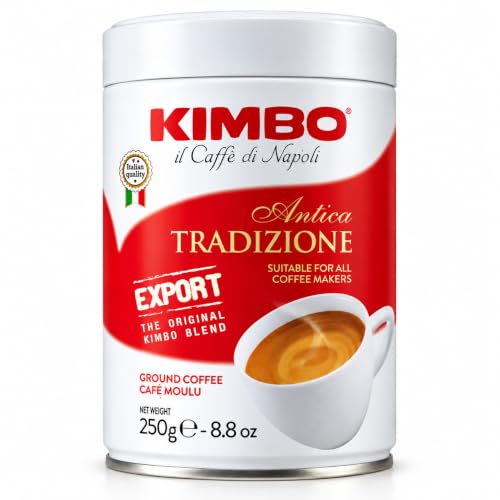
Kimbo Tradizione Ground Coffee, 8.8oz

Dallmayr Prodomo Ground Coffee, 17.6 oz
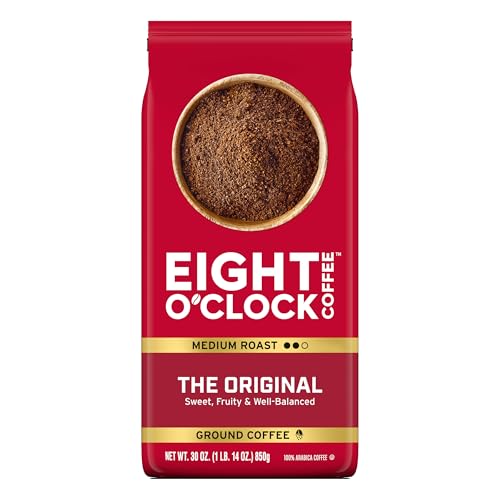
Eight O’Clock The Original Ground Coffee, 30 oz

Bones Salted Caramel Arabica Whole Bean, 12 oz

Bones Favorite Flavors Ground Coffee, 5-Pack

Bones Highland Grog Keurig Pods, 12 Count

Java House Cold Brew on Tap, 128 fl oz

Java House Dark Roast Cold Brew on Tap, 128 fl oz
A Breakdown Of The Leading Choices
Kimbo Tradizione brings a clearly Italian profile to a crowded coffee shelf without requiring whole beans or a separate grinder. The grounds are intended for espresso machines, moka pots, and drip brewers, which makes the tin a sensible center of a compact morning setup. For a daily commute, I appreciate having one coffee that can move between several Italian-style methods.
The medium roast is rated 9 on a 13-point intensity scale, a useful shorthand for its position between lighter and darker profiles. I find the 8.8-ounce size better suited to frequent espresso drinkers than households serving large mugs, since freshness and portion control are easier to manage. Compared with Java House Cold Brew on Tap, this is an active brewing choice rather than a ready-to-pour drink.
Useful Touches
- Pre-ground coffee removes the need to measure a grinder setting before a hurried morning cup.
- Compatibility with espresso, moka, and drip machines gives the same tin broad use at home.
- The intensity rating provides a quick reference for people who prefer a fuller but still balanced medium roast.
- Roasting in Naples gives the tin a clear Italian identity beyond a generic international label.
Trade Offs
- The small 8.8-ounce format may require more frequent repurchasing than the larger bags on this list.
- Pre-ground coffee loses some of the adjustment available with whole beans, especially for pour-over enthusiasts.
Core Details
Made For
This coffee suits espresso and moka users who value a defined Italian identity and do not want to grind beans each morning.
Another Choice May Suit
Dallmayr Prodomo Ground Coffee may fit larger households better because its 17.6-ounce package is intended for more frequent home brewing.
Dallmayr Prodomo is the quieter, more substantial choice in this group. Its 17.6-ounce ground format gives a home coffee routine a larger working supply than Kimbo Tradizione, while the German origin provides a useful contrast to the Italian espresso option. I would consider it for a shared kitchen where several cups are brewed before work or after dinner.
The listed composition is 100% Arabica, with caffeine included, so it is not a caffeine-free alternative. The source does not specify a roast level, grind recommendation, or tasting profile, which leaves the final brewing choice to the equipment and individual preference. That sparse information makes this a choice for people drawn to a recognized German coffee format more than to highly specific flavor notes.
The Helpful Details
- The 17.6-ounce package offers more supply than the 8.8-ounce Kimbo tin.
- Ground coffee avoids an extra grinder in kitchens focused on speed and simple cleanup.
- Its German identity gives the shortlist a distinct regional character.
Minor Gripes
- No roast level or intended brewing method is provided in the source details.
- Owners looking for a highly unusual flavor profile may find the limited description less useful than a detailed tasting note.
- The caffeine content makes it unsuitable for households avoiding caffeinated coffee.
Right Fit For
This option serves home brewers who prioritize a generous package and German coffee identity over a highly specific flavor profile.
Look Elsewhere When
Eight O’Clock The Original is a better match for a shopper who wants explicit drip, pour-over, French press, and cold-brew guidance.
Eight O’Clock The Original is built around the variety of a normal morning routine. The source names drip coffee makers, pour-over, French press, and cold brew as compatible methods, which gives this bag more reach than a format tied to a single machine. In a busy kitchen, that flexibility is more useful than a narrowly defined origin story.
The 30-ounce package also makes sense for a household that drinks several cups regularly. It is described as sweet, fruity, and balanced, with a medium roast and 100% Arabica composition. I would give it the advantage on practical information, while Dallmayr Prodomo remains the more distinctly German-labeled option.
What Pays Off
- Four named brewing methods make the ground coffee useful for different daily routines.
- A 30-ounce package supports regular household consumption with less frequent restocking.
- The sweet, fruity profile is described with a balanced finish, which may appeal to people who dislike harsh, one-sided cups.
- No grinder is required, simplifying the setup for first-time coffee drinkers.
Where It May Fall Short
- Pre-ground coffee cannot be adjusted as precisely as whole beans when switching between brew methods.
- The broad flavor description may not satisfy shoppers seeking a highly specific origin character.
- The 30-ounce bag needs proper storage after opening to help preserve its aroma.
Feature Snapshot
Who It Suits Best
I recommend it to mixed-method drinkers who want a large, uncomplicated coffee supply for drip, press, pour-over, or cold brew.
Where A Sibling Pick Shines
Kimbo Tradizione is a better fit for espresso and moka users who want an explicitly Italian coffee with a defined intensity scale.
Bones Coffee Company’s salted caramel option changes the category conversation from origin and roast to flavor. It is a medium-roast Arabica whole-bean coffee described as smooth and sweet-salty, so it belongs in a dessert-leaning kitchen or an occasional weekend coffee ritual. Compared with the neutral profiles of Kimbo and Eight O’Clock, the added caramel is the central feature.
Whole beans preserve more control during preparation because the grind can match the brewer, although that control disappears unless a grinder is already part of the setup. The resealable packaging is a practical touch for a 12-ounce bag, especially on a counter that sees occasional use rather than daily brewing. I would treat this as a flavorful experiment, not a universal daily default.
Notable Gains
- Salted caramel flavor gives the coffee a clear identity for people who prefer dessert-like profiles.
- Whole beans let French press, pour-over, and cold-brew users choose a suitable grind.
- The 12-ounce package keeps the experiment within a manageable size.
- Resealable packaging supports storage after opening, though the bag still needs a cool, dry place.
Possible Compromises
- The caramel flavor may overpower people seeking a lightly sweet, origin-forward cup.
- Whole beans add equipment and preparation work for households without a grinder.
- The flavor works best for intentional brewing rather than quick repeat purchases.
Quick Facts
Built With In Mind
It suits coffee drinkers with a grinder who enjoy a sweet, salted caramel profile and want to control the grind themselves.
Consider Something Else When
Java House Cold Brew on Tap is a better fit for anyone who wants an unsweetened, ready-to-pour coffee without caramel flavoring.
Five small bags turn this Bones Coffee Company sampler into a low-commitment way to explore flavored coffee. The named options include Army of Dark Chocolate, Holy Cannoli, S’morey Time, Highland Grog, and Salty Siren, with additional caramel popcorn and blondie brownie references in the source. I would see this as a useful gift or a weekend tasting flight rather than a single daily standard.
Ground coffee keeps the preparation simple, while the separate bags make it easier to finish one flavor before opening another. The source also lists small-batch roasting and resealable packaging, both relevant to keeping each selection organized after opening. Compared with Bones Salted Caramel Arabica Whole Bean, the sampler trades grind control for variety and convenience.
Points In Its Favor
- Five named flavors make it easy to compare dessert, chocolate, caramel, and spiced-style profiles.
- Separate 4-ounce bags reduce the risk of committing to a large flavored-coffee purchase.
- Ground coffee is convenient for common household brewers without extra grinding work.
- Resealable bags can help organize opened flavors and reduce loose storage issues.
Small Caveats
- Five smaller bags may create more packaging and storage than one larger bag.
- The sampler is less useful for someone already settled on a single flavor.
- Flavored coffees need storage discipline because aroma exposure can change their character after opening.
Made For
This set suits curious drinkers, gift-givers, and households that want several small flavor trials before selecting a favorite.
Reach For A Different Pick When
Dallmayr Prodomo Ground Coffee is a better fit for a shopper seeking one larger, unembellished German coffee supply instead of five flavored samples.
Highland Grog brings a butterscotch-caramel profile to a format built for fast mornings. The 12 single-serve pods work with Keurig 1.0 and 2.0 machines, so the main benefit is a clean transition from a busy weekday to a flavored cup without a grinder or loose grounds. The other listed Bones Cups flavors, including Dragon’s Lair, S’mores and Graham Crackers, Apple Cider Donut, and Blackberry Cobbler, show the brand’s broader flavored range.
That convenience has a narrow boundary. A pod system is less versatile than a bag that supports drip, French press, or pour-over, and the flavored profile may not appeal to someone wanting a plain medium roast. Compared with the Bones sample pack, Highland Grog is the more focused choice for a Keurig household that already knows it likes sweet, caramel-like coffee.
Useful Highlights
- Single-serve pods simplify cup count and storage in a Keurig-compatible kitchen.
- Butterscotch and caramel notes make the pod a clear choice for sweet-flavored coffee fans.
- The 12-count format supports repeated use without opening a large bag of ground coffee.
- Compatibility with both Keurig 1.0 and 2.0 broadens the machine fit.
Practical Considerations
- Pods create recurring packaging waste for households that brew one cup at a time.
- The machine requirement excludes French press, moka pot, and non-Keurig drip systems.
- The caramel-forward profile is less appropriate for a plain or origin-focused routine.
Technical Notes
Built With In Mind
I recommend Highland Grog to Keurig users who want an easy caramel and butterscotch cup during a time-pressed routine.
Swap It Out When
Eight O’Clock The Original is a better fit for a household that wants one ground coffee to move between several non-pod brewing methods.
Java House Cold Brew on Tap is built for households that want iced coffee without measuring concentrate or mixing a base each morning. The 128-fluid-ounce box is meant to sit in the refrigerator and pour directly, which is especially useful in a shared kitchen, office, or weekend setup where several glasses may be needed at once. Compared with the Bones flavored options, it provides a plain, unsweetened route into cold brew.
The source identifies Colombian Roast, 100% single-origin Arabica coffee, and an unsweetened liquid made with filtered water and coffee. Since it is ready to drink rather than a concentrate, there is no dilution step to calculate, though the full box must be refrigerated after opening. I would not choose it for someone who enjoys changing grind size or brewing a fresh hot cup, because its purpose is narrow and deliberate.
Why It Works Well
- Ready-to-pour packaging removes measuring and mixing steps from an iced-coffee routine.
- The 128-ounce volume suits shared households, offices, and repeated servings.
- Unsweetened coffee gives people control over milk, ice, and sweetener without starting with a sweetened concentrate.
- Colombian Roast and 100% single-origin Arabica provide a clearly defined coffee identity.
Points To Note
- A full box requires refrigerator space and prompt storage after opening.
- The single-use liquid format is less economical for people who already brew cold brew at home.
- Its unsweetened Colombian profile may be too plain for shoppers seeking a flavored coffee.
On-The-Go Choice
This format suits busy kitchens, offices, and households that want direct-pour iced coffee without preparing a concentrate.
A Better Fit Elsewhere
Eight O’Clock The Original fits people who want a dry ground coffee that can move between hot and cold brewing methods.
This Java House box takes the ready-to-pour idea in a darker direction. Its dark-roast profile is described as bold and full-bodied, with subtle dark chocolate and smoky notes, making it the stronger-tasting cold-brew option here. I would consider it for a home refrigerator that serves people who want iced coffee with more roast character than the standard Colombian Roast version.
The source specifies 100% Arabica beans cold brewed for more than 12 hours, which is the preparation detail that separates this from ordinary iced coffee. It is still a liquid ready-to-drink format, so the trade-off is convenience in exchange for less control over concentration and dilution. Compared with Kimbo Tradizione, this is a different ritual entirely: no moka pot, no espresso pressure, and no hot brewing step.
Good Reasons To Consider
- The dark-roast profile offers chocolate and smoky notes for a more assertive iced coffee.
- More than 12 hours of cold brewing is specifically identified as the preparation method.
- Ready-to-drink service removes concentrate measuring and mixing.
- The 128-ounce package supports repeated servings from one refrigerated box.
Trade-Offs To Consider
- The bold profile may be too intense for people who prefer a lighter Colombian cold brew.
- A whole box needs refrigerator space after opening.
- Liquid cold brew offers less control over strength than coffee brewed from grounds or beans.
Feature Breakdown
Who Will Love This
I recommend it to cold-brew drinkers who want a dark-roast, chocolate-forward cup with no concentrate mixing.
Not Your Match When
Java House Cold Brew on Tap is the better option for people who prefer a lighter Colombian roast profile and a less forceful cup.
What Matters Before Choosing Around The World Coffee
Match the format to the routine
A daily drip household may get more value from a larger ground-coffee bag than a pod collection or a refrigerated liquid box. I start with the brewer, the number of cups, and the available storage. Espresso users should also account for grind size and pressure, while cold-brew drinkers may prefer direct-pour liquid over a bag that requires preparation.
Treat flavor as a preference, not a ranking
Medium roast, caramel, chocolate, or fruit notes describe different directions rather than universally better coffee. I find that the most useful comparison pairs format with taste: a large plain bag suits a steady routine, while a sampler suits experimentation. The short list includes Italian, German, American, and Colombian profiles, but I would prioritize the cup that matches personal taste and equipment.
Check the practical details
Ground coffee saves a grinder, whole beans offer more control, and pods or liquid boxes reduce preparation. Portion size also matters because a smaller package can disappear faster in an espresso household while a 128-ounce box needs refrigerator space. I pay attention to resealable packaging, compatible equipment, and whether the coffee is flavored, unsweetened, or intended for a specific brew method.
Before The First Cup
Common Shopping Slip Ups
A common mistake is selecting coffee by origin alone while ignoring the grinder format. I would also avoid buying a large flavored bag before knowing whether the profile suits the household. Checking brewer compatibility and storage needs prevents a practical surprise later.
The Upgrade Payoff
The more specialized options spend their advantage on format or intensity, not on a universally superior cup. A higher-intensity Italian roast may serve espresso better, while a dark cold brew may suit someone wanting a bolder iced profile. I would pay for the feature that changes the daily ritual rather than for a vague prestige claim.
Frequently Asked Questions
What is the best coffee format for everyday brewing?
Ground coffee is usually the most convenient format for standard home brewers. I choose it when a grinder would add unnecessary work, though whole beans provide more control.
Can Around The World Coffee be brewed in different ways?
It depends on the format and listed compatibility. Eight O’Clock supports several methods, Kimbo targets espresso, moka, and drip, while pods and liquid cold brew suit their own equipment.
Is flavored coffee suitable for daily drinking?
Flavor preference determines whether it feels suitable. I would start with a smaller package or sampler, especially with caramel, chocolate, or dessert-style profiles.
How should cold-brew coffee be stored?
I refrigerate the liquid box after opening and pour it into a clean glass or container for regular use. A dry whole-bean or ground coffee needs a different storage approach.
Final Thoughts
The right coffee matches the brewer, storage space, and flavor habit rather than a single country label. I would choose Kimbo for espresso and moka, Eight O’Clock for mixed methods, Bones for experimentation, and Java House for direct-pour cold brew. The most satisfying choice is the one that fits the routine without adding needless equipment or preparation.