

A productive cucumber recipe depends on the cooking method, supporting ingredients, and level of guidance needed. These cookbooks cover Korean family cooking, quick dinners, salads, pickles, and home preservation, giving me useful ways to use crisp cucumbers in everything from weeknight meals to pantry projects. I focus on format, recipe range, and practical fit rather than assuming every book contains a dedicated cucumber recipe.
The Choices Worth Comparing

Umma: A Korean Mom’s Kitchen Wisdom and 100 Family Recipes

The Complete Cooking for Two Cookbook, 10th Anniversary Edition

Jang: The Soul of Korean Cooking

Dinner Tonight: 200 Quick Recipes for Inspired Weeknight Cooking

Favorite Pickles & Relishes: Storey’s Country Wisdom Bulletin A-91

LEON Happy Salads

Gahema Press Canning Meat Cookbook for Beginners
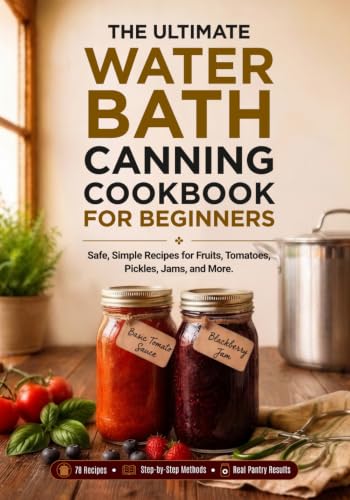
Gahema Press Water Bath Canning Cookbook for Beginners
The Picks, Examined More Closely
A book built around 100 family recipes suits a home cook who wants more than a single cucumber salad formula. Its mixture of traditional and contemporary dishes can provide a broad foundation for adapting cucumbers with Korean flavors, particularly in a kitchen that values family-style cooking.
Compared with Jang, which concentrates on fermented sauces, Umma presents a wider family-cooking context. I may still check the contents before planning around a specific cucumber dish, since the supplied details confirm breadth rather than a dedicated cucumber recipe.
Well-Handled Touches
- The 100-recipe format gives me plenty of material for rotating family meals.
- Traditional and contemporary directions accommodate different levels of kitchen experience.
- The ingredient guidance can help a less experienced cook organize an unfamiliar dish.
Small Caveats
- Owners may need specialty Korean ingredients, so pantry planning matters before cooking.
- The supplied information does not confirm how many recipes specifically use cucumbers.
At A Glance
Who It Suits Best
This fits home cooks building confidence with Korean family recipes and varied weeknight meals.
A Better Fit Elsewhere
Jang: The Soul of Korean Cooking suits my choice for cooks who want a tighter focus on fermented sauce-centered dishes.
Scaling a cucumber dish for two is an exercise in restraint, and this cookbook makes portion-focused cooking the central theme. Its 700-plus recipes offer a much broader collection than the 100 recipes in Umma, which matters in a compact kitchen where variety should not create excessive leftovers.
For a couple keeping a small refrigerator, that breadth can be practical. The trade-off is that a general-purpose volume may feel oversized, and the supplied details don’t confirm how many recipes are cucumber-based.
Useful Touches
- Seven hundred-plus recipes support frequent variety without relying on one ingredient.
- Small-household framing reduces the temptation to prepare oversized portions.
- Cooking-method organization helps me browse by technique rather than one dish.
Practical Considerations
- The scale may feel excessive for a very new cook with a limited routine.
- Dedicated cucumber coverage is not established in the available details.
Made For
Couples, roommates, and solo cooks managing small portions get the most use from its format.
Another Choice May Suit
Dinner Tonight: 200 Quick Recipes for Inspired Weeknight Cooking serves people who prioritize speed over an extensive collection.
Jang takes a narrower path than Umma by building more than 60 recipes around gochujang, doenjang, and ganjang, the fermented soybean pastes central to many Korean kitchens. Those flavors can turn sliced cucumber into a more assertive side dish, though the exact cucumber combinations aren’t confirmed here.
I see this as a stronger learning reference for a cook seeking a defined culinary subject than a general quick-dinner book. Ingredient availability is the practical issue, particularly for someone building a Korean pantry from scratch.
What It Does Well
- More than 60 recipes provide depth around a specific culinary theme.
- Focus on three fermented pastes creates a coherent flavor vocabulary.
- The format suits experimentation with cucumber salads, marinades, and side dishes.
Possible Compromises
- A focused sauce theme is less flexible than a general-purpose cookbook.
- Specialty pastes may require careful pantry planning and label checking.
- Exact cucumber recipe availability remains unspecified.
Core Details
Right Fit For
Cooks studying Korean fermented pastes benefit most from its concentrated approach.
Where A Sibling Pick Shines
Umma offers more general family recipes for anyone who wants broader variety without a dedicated paste focus.
A weeknight cookbook earns its place by reducing dinner decisions, and Dinner Tonight is built around 200 quick recipes. The pantry-staple approach works well for a busy kitchen where cucumber can add freshness to a fast dish without becoming the entire meal.
Unlike The Complete Cooking for Two Cookbook, this selection centers speed and adaptability. For me, flexible swaps and riffs matter more than a huge total recipe count because they can keep an established dinner from feeling repetitive.
Strong Points
- The 200-recipe collection creates a large rotation for frequent weeknight cooking.
- Pantry-focused ideas reduce the need to build complicated shopping lists.
- Flavor boosters can add contrast to quick cucumber-based sides.
- Recipe riffs encourage substitutions based on available ingredients.
Details To Watch
- Swaps may still require advance planning in a busy kitchen.
- Some adapted dishes could depend heavily on pantry ingredients not already at home.
Built With In Mind
Time-conscious home cooks and small kitchens get the most from its quick, flexible structure.
Skip It When
Jang: The Soul of Korean Cooking is the better fit for a study of fermented pastes rather than fast meals.
A basket of excess garden cucumbers calls for a more specialized book than a quick dinner collection, and Favorite Pickles & Relishes fits that seasonal problem. Its sweet-and-sour, fruit-and-vegetable, refrigerator, and freezer formats cover several storage approaches in a compact bulletin-style cookbook.
I value the ingredient organization for someone preserving a small harvest rather than running a large pantry project. A specific cucumber formula isn’t established, so I would inspect the contents before committing to it for a single variety.
The Upside
- Sweet and sour methods suit cucumbers served with strongly flavored foods.
- Refrigerator recipes can support smaller batches than shelf preservation.
- Freezer pickles offer another route for managing seasonal surplus.
- Fruit-and-vegetable coverage extends beyond one produce category.
Where It May Fall Short
- The narrow preservation focus offers little help with complete dinners.
- Specific cucumber coverage isn’t stated in the supplied details.
Feature Snapshot
Whose Shelf It Belongs On
Home gardeners and seasonal preservers benefit most from its focused collection.
Reach For A Different Pick When
LEON Happy Salads fits cooks seeking a fresh meal rather than a preserved cucumber side.
Cucumber often thrives in a salad rather than carrying an entire meal, so LEON Happy Salads is a sensible choice for that format. Its ingredient-based and natural-food orientation supports browsing by produce, with cucumber functioning as a crisp foundation for herbs, dressing, and contrasting vegetables.
The supplied information gives less detail than the larger titles, although that does not make the book less useful for a cook already comfortable with basic preparation. In my kitchen, I would use it for fresh ideas rather than depend on it as the only source of precise technique.
A Favorable Mix
- Ingredient-based organization supports produce-led meal planning.
- Salad guidance keeps cucumber in a practical fresh-dish context.
- The format suits lunches, sides, and light shared meals.
A Few Limitations
- Limited confirmed details make exact comparison with the 200-recipe dinner book harder.
- The available description does not confirm a specific cucumber recipe count.
- Owners may need separate guidance for more involved salad preparation.
Quick Facts
The Right Fit
Cooks building fresh lunches and vegetable-forward sides benefit most from its salad format.
Swap It Out When
Dinner Tonight serves my quick-meal planning more directly when dinner preparation time is the main constraint.
Pressure canning requires exact process control, and this cookbook positions checklists and troubleshooting guidance for cooks approaching the subject for the first time. It covers beef, pork, poultry, wild game, fish, and ready-to-eat meals, yet none of those categories is a direct match for cucumber cooking.
I include it because the Home Canning Collection theme clarifies how preservation books differ. Still, a kitchen focused on fresh cucumber dishes gets little practical use from a meat-preservation volume, and anyone following a canning process should use current tested instructions and equipment guidance.
Where It Helps
- A checklist can make a complex preservation routine more organized.
- Troubleshooting guidance gives first-time cooks a reference during a process.
- Coverage of several meats and fish broadens the book’s preservation scope.
Room For Improvement
- The subject centers on meat rather than cucumber or plant-based meals.
- Pressure canning requires close attention to current tested processes and equipment compatibility.
- Batch size and equipment storage can make this unsuitable for a compact kitchen.
Who Should Grab It
First-time pressure canners with suitable equipment gain the most from its checklists.
Look Elsewhere When
Favorite Pickles & Relishes is more directly relevant for a garden harvest of cucumbers.
Water-bath canning covers high-acid foods processed in boiling water, and this beginner-focused book applies that method to pickles, fruits, tomatoes, jams, jellies, and preserves. Among these eight choices, it has one of the clearest connections to storing garden cucumbers, although a cucumber-specific formula isn’t confirmed.
The checklist and troubleshooting sections distinguish it from the meal-oriented cookbooks, but a novice still needs current tested instructions and correctly sized equipment. Favorite Pickles & Relishes may feel more approachable for refrigerator pickles and seasonal freezer projects.
Everyday Perks
- Pickle coverage gives cucumber preservation a direct place in the format.
- Fruit and tomato topics support broader pantry experimentation.
- Jam, jelly, and preserve guidance diversifies the preserved-food collection.
- Checklists can reduce missed steps during an organized canning session.
Things That May Matter
- Water-bath processing requires careful adherence to current tested instructions.
- Batch planning and jar storage can consume counter and pantry space.
Important Details
Best Suited To
Beginner preservers with suitable equipment benefit from its water-bath organization.
Consider Something Else When
Favorite Pickles & Relishes offers a more direct choice for refrigerator and freezer pickle projects.
What Matters Most in a Cucumber Cookbook
Recipe Format and Number
I start with the intended dish. Salads, side dishes, quick dinners, and pickles call for different ingredients and techniques, so the largest recipe count does not automatically create the most useful collection. A focused book may serve a cucumber project better than a broad general-purpose volume.
Fresh or Preserved
Fresh cucumber recipes suit immediate meals, while pickling books support seasonal storage. Refrigerator and freezer methods generally fit smaller or more flexible batches, whereas shelf-oriented canning introduces equipment, jar storage, and exact process requirements. My kitchen setup determines which approach is realistic.
Guidance Level
Beginner cooks benefit from ingredient explanations, organized methods, and clear procedural support. Experienced cooks may prefer concise technique guidance and room to adapt. Preservation titles demand especially careful verification because I would use current tested instructions and compatible equipment rather than rely on broad title claims.
Flexibility and Daily Use
Pantry-based recipes, ingredient swaps, and serving suggestions determine whether a book remains useful. A cookbook crowded with niche meals may look impressive but encourage less frequent cooking, while a compact collection that matches my routine can provide better everyday value.
Practical Checks Before Choosing
Mistakes Worth Dodging
A cover count does not reveal how many recipes use cucumbers, so I would check the recipe index first. Another common mistake is choosing a canning title for refrigerator pickles, or selecting a broad meal cookbook for one narrow preservation project.
Why More Detail Can Help
A larger or more specialized book may add recipe count, technique detail, checklists, or troubleshooting support. That extra material is useful only when it matches the actual kitchen routine, available equipment, and level of experience.
Frequently Asked Questions
What kind of cucumber dish works for a weeknight meal?
A cucumber side paired with a quick dinner fits a busy schedule better than making cucumber the central component. Dressing, herbs, and pantry ingredients can supply flavor without extending the cooking time.
Which book suits refrigerator pickles?
Favorite Pickles & Relishes offers the clearest relevant format with refrigerator and freezer coverage. Water-bath canning guidance is a separate process and does not automatically apply to refrigerator storage.
Are large recipe collections easier to use?
Not always. A large collection helps only when the recipes match my preferred ingredients, serving size, and available time. A narrower book may be easier to navigate for a specific goal.
Do any of these books preserve vegetables safely?
The preservation books discuss recognized canning subjects, but I would follow current tested instructions and compatible equipment. Product titles and recipe descriptions cannot replace careful process verification.
Can cucumber be used in adaptations?
Yes, although a substitution may change flavor, texture, and preparation time. I would preserve the original recipe’s proportions and cooking order unless the author specifically offers a tested variation.
Final Take
The right cucumber cookbook depends on the destination for the ingredient: a fresh salad, a quick side, a Korean-inspired flavor profile, or a preserved batch. I favor Favorite Pickles & Relishes for seasonal preservation, Dinner Tonight for speed, and LEON Happy Salads for fresh meals. The most valuable choice is the one that matches the routine already happening in the kitchen.