Dashi brings concentrated savory depth to miso soup, udon, ramen, seafood dishes, and quick weeknight sauces, but the available styles serve different purposes. I favor single-ingredient kombu for cooks who want to build broth from scratch, awase dashi for balanced bonito and kelp flavor, and shrimp dashi for seafood-forward dishes. Ready-to-portion packets offer the easiest route, while soy sauce, miso, and matcha expand the broader pantry context.
A Closer Look At The Lineup

YAMASAN KYOTO UJI Double Brewed Soy Sauce

YAMASAN KYOTO UJI Handmade Miso Paste

TSUJIRI Uzu no Shiro Matcha Powder

YAMASAN KYOTO UJI Dashi Stock Packets

SKYFOOD Awase Dashi Powder

TSUJIRI Decaf Matcha Powder

Fusion Select Kombu Dried Kelp
A Breakdown Of The Leading Choices
This is finishing soy sauce rather than powdered dashi, yet it belongs in the same pantry conversation. Double brewing concentrates its savory character, making a small amount sufficient for clear soups, noodle broths, or dipping sauces. The stated 1,000-day aging adds another layer of depth, especially useful for cooks seeking a richer soy note than a standard table sauce.
Compared with the milder seasoning profile of YAMASAN KYOTO UJI Handmade Miso Paste, it provides a sharper, saltier accent. In my view, busy cooks can use it to season eggs, vegetables, and seafood without preparing a separate dashi broth. The tradeoff is potency, so beginning cooks should measure carefully.
Useful Touches
- Double brewing creates a concentrated flavor suited to small additions.
- The 1,000-day age supports a mature, layered soy profile.
- One bottle works for broth, marinades, dips, and vegetable seasoning.
Small Caveats
- The 12.1 fl oz bottle needs proper storage after opening because soy sauce is best kept sealed and cool.
- Its intensity may overwhelm delicate noodles or lightly seasoned soups.
At A Glance
Who It Suits Best
Home cooks focused on Japanese noodle soups, seafood, and concentrated finishing sauces get the most from this bottle.
Where Another Pick Shines
SKYFOOD Awase Dashi Powder suits cooks who want a complete broth base rather than a finishing seasoning.
Miso is fermented soybean paste, and aging beyond a year develops a fuller, more complex flavor than a freshly mixed paste. This Kyoto-made version is made with malted rice, giving it a rounded character that works well in traditional miso soup. It also suits marinades, dressings, and vegetable dishes, although the paste is not a direct substitute for dashi stock.
The 10.6-ounce package feels substantial for regular home cooks making several bowls each week. Compared with the ready packets from YAMASAN KYOTO UJI Dashi Stock Packets, miso demands more whisking and dilution control, but that hands-on method gives beginners an easy way to learn broth balance.
Useful Strengths
- More than 12 months of aging encourages developed fermentation complexity.
- Malted rice supports a rounded profile in soups and sauces.
- The 10.6-ounce package supports repeated household preparation.
- Versatile enough for soups, marinades, dressings, and vegetables.
Trade-Offs To Consider
- Miso still needs dashi or another stock for a complete bowl of soup.
- Owners commonly need to refrigerate the opened paste and use it promptly because fermentation does not stop after packaging.
Made For
Beginners learning miso soup and regular households wanting a versatile fermented paste fit this format well.
Consider Something Else When
Fusion Select Kombu Dried Kelp better serves cooks making stock without fermented soybean paste.
Matcha is powdered green tea, and this Uji selection is positioned more toward approachable daily preparation than intense ceremony. Its lightly sweet aroma and restrained bitterness make it practical in a creamy latte, where milk can soften the tea character. First-harvest leaves from Uji provide the geographic and seasonal detail that matters to tea-focused cooks.
The 30-gram size works well for occasional use because matcha loses aroma more quickly than loose leaf tea. Compared with TSUJIRI Decaf Matcha Powder, Uzu no Shiro is the more conventional choice for morning drinks, while the decaf version is better aligned with caffeine-sensitive routines.
Good Reasons To Consider
- The naturally sweet profile pairs comfortably with milk.
- A smooth usucha preparation is possible for cooks who prefer thinner tea.
- First-harvest Uji leaves add provenance without complicating daily preparation.
A Few Limitations
- The 30-gram package may disappear quickly with frequent latte preparation.
- Opened matcha needs an airtight container and a cool, dark cupboard to preserve aroma.
- Whisking and water temperature require care to avoid clumps or dull flavor.
Feature Snapshot
Right Fit For
Milk tea drinkers and home cooks wanting a smooth, lightly sweet matcha benefit most from this powder.
Reach For A Different Pick When
TSUJIRI Decaf Matcha Powder better matches an evening routine centered on reduced-caffeine green tea.
For quick lunches and small households, pre-portioned dashi removes one avoidable step: measuring a loose powder. Each 8-gram packet creates a convenient soup base for miso, udon, ramen, or a simple bowl topped with vegetables. That makes this format especially practical for one-person meals or cooks keeping several Japanese pantry staples within easy reach.
Seventeen packets are also listed as an option, though the featured ASIN corresponds to the 15-pack assortment. Unlike SKYFOOD Awase Dashi Powder, the packets prioritize convenience over control over bonito and kelp proportions. That is the right trade for consistency, but cooks making larger batches may find a bulk container more economical in the long run.
Noteworthy Benefits
- Individual 8-gram portions simplify small-batch broth preparation.
- The format works for miso soup, udon, ramen, and quick vegetable broth.
- Sealed packets reduce handling and keep individual servings separate.
Details To Watch
- Individual packets create more packaging than a bulk powder.
- Large-batch cooks may need several packets and have less control over seasoning strength.
Who Should Grab It
Singles, couples, and busy cooks preparing one or two servings of soup benefit from the premeasured format.
A Better Fit Elsewhere
Youki Ebi Shrimp Dashi Powder better serves seafood cooks seeking a distinctly briny, shrimp-led broth.
Awase dashi combines bonito and kombu, balancing fishy depth with kelp savor. That pairing makes this powder especially approachable for stews, udon broth, seafood dishes, and vegetable soups. Unlike kombu alone, it offers a more complete pantry shortcut, and it is likely easier to adjust gradually than a strong shrimp-based powder.
The 1.69-ounce package gives home cooks room to prepare several small batches. Based on the stated format, it works well for cooks moving beyond instant ramen and wanting a more recognizable Japanese broth base. Keep the container tightly sealed, as bonito powder can lose aroma faster than plain kelp.
The Upside
- Bonito and kombu create a rounder profile than a single-source stock.
- The powder prepares quickly for udon, stews, seafood, and vegetables.
- No added MSG suits cooks avoiding that specific seasoning.
- No food additives or chemical seasonings are stated in the product information.
Possible Compromises
- Bonito creates a fish-derived flavor that may not suit every household.
- The small package needs a dry, airtight storage spot between uses.
Core Details
Best Suited To
Cooks learning Japanese soup bases and households wanting one powder for noodles, seafood, and vegetables get a versatile option.
Swap It Out When
Fusion Select Kombu Dried Kelp better serves cooks avoiding fish-derived bonito flavor.
Coffee extraction technology is also used here to reduce matcha caffeine while preserving its smooth texture and green-tea character. A 2-gram serving is listed at approximately 4 to 8 milligrams of caffeine, so this is a reduced-caffeine powder rather than a caffeine-free tea. That distinction matters for anyone sensitive to stimulant effects.
Compared with TSUJIRI Uzu no Shiro Matcha Powder, this version supports an evening usucha or milk-based drink without the stronger caffeine profile of regular matcha. The 30-gram container remains compact, though opening it frequently increases exposure to air and moisture, making an airtight cupboard storage essential.
What Makes Sense
- Reduced caffeine suits afternoon or evening drink routines.
- The powder works in either thin usucha or a creamy latte.
- Supercritical carbon dioxide extraction is designed to retain flavor and texture.
- First-harvest Uji leaves provide a clear origin distinction.
Points To Note
- Each 2-gram serving still contains approximately 4 to 8 milligrams of caffeine.
- Decaffeination may cause subtle natural color variation.
- Frequent use calls for resealing the package carefully.
Who Will Love This
Morning-matcha fans and caffeine-sensitive tea drinkers benefit from the reduced but nonzero stimulant level.
Another Choice May Suit
TSUJIRI Uzu no Shiro Matcha Powder better serves a conventional morning latte routine.
Kombu is kelp, and its dried soluble compounds release a rounded savory flavor into hot water. This 4-ounce package is presented as pure dried seaweed with 13 servings, making it a practical foundation for broth, miso soup, noodles, rice, or beans. It provides the cleanest bridge between a pantry ingredient and homemade dashi for cooks who want to build flavor themselves.
The 100% kelp positioning distinguishes it from SKYFOOD Awase Dashi Powder, which also contains bonito. That difference may appeal to cooks seeking a meatless, seafood-free base, although pure kombu generally offers a gentler profile. Owners commonly notice that dry storage matters because moisture can make the kelp brittle and reduce the pace of clean dissolution.
What Pays Off
- The single-ingredient format gives cooks direct control over broth.
- A 4-ounce package offers 13 listed servings.
- Kelp stock works in dashi, miso soup, noodles, rice, and beans.
- Dried storage keeps the ingredient convenient until needed.
Less-Strong Areas
- Kombu alone produces a milder profile than mixed awase dashi.
- Dried sheets need to stay sealed and away from moisture.
Quick Facts
Built With In Mind
Vegetable-based cooks and broth makers seeking a simple single-source stock find this format useful.
Where A Sibling Pick Shines
SKYFOOD Awase Dashi Powder suits cooks who want a fuller bonito-and-kelp flavor without steeping kelp separately.
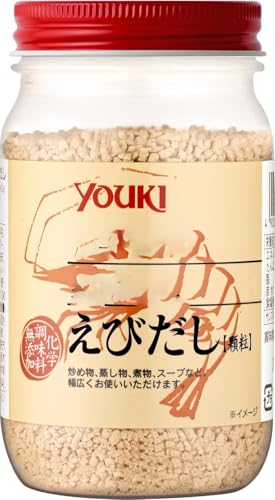
Shrimp dashi is a seafood-centered stock powder, and its briny concentration makes a natural fit for hot pots, noodle soups, fried rice, and fish dishes. Unlike mild kombu, it contributes a distinct marine character from a single ingredient category. That intensity can simplify seasoning because the powder supplies both broth flavor and a savory accent.
The 110-gram package is larger than most of the dashi options here and should suit households making several full-size pots or bowls. Compared with YAMASAN KYOTO UJI Dashi Stock Packets, it trades portion control for bulk storage. I would start with a modest quantity because shrimp flavor can quickly dominate delicate vegetables or mild noodles.
Real Benefits
- Concentrated shrimp flavor reduces the need for extra seafood stock.
- The 110-gram amount supports regular family-size preparation.
- No MSG or chemical seasonings are stated in the product name.
- It suits hot pots, ramen, fried rice, and seafood-forward soups.
Practical Considerations
- Shrimp flavor may overpower foods intended to taste mild.
- Bulk powder requires careful resealing to protect it from moisture.
- The ingredient information is incomplete, so shoppers sensitive to wheat or other components should inspect the label carefully.
The Right Fit
Seafood enthusiasts and cooks preparing hot pots or Japanese-style noodle soups benefit from this rich powder.
Not Your Match When
Fusion Select Kombu Dried Kelp better serves households avoiding seafood-derived broth flavor.
What Matters Before Choosing A Broth Base
Match The Powder To The Dish
Kombu produces a clean, rounded base, while awase dashi adds bonito depth. Shrimp powder is more intense and directional, so it fits seafood dishes and hot pots better than lightly seasoned vegetables. Read the flavor source before choosing based on package convenience alone.
Decide Between Simplicity And Control
A single-ingredient kombu product gives me more control over the finished broth, but blended powders reduce preparation time. I use bulk containers for frequent cooking and packets for smaller households. Daily cooks may prefer the flavor consistency of a blended powder, while experimentation favors basic kombu.
Check Storage Needs
Dried powders generally need a cool, dry cupboard and airtight containers. Matcha requires the same care, and opened miso needs refrigeration. Check the listed ingredients, especially wheat and other allergens, before adding an unfamiliar powder to a shared kitchen.
How To Build A Better Pantry Stack
Mistakes Worth Dodging
Shoppers sometimes confuse miso with dashi or assume every packaged soup base has the same intensity. I would check the primary flavor source, packet size, and intended use before buying. A bulk tub is not automatically better than portions for a one-person household.
What Separates Premium From Basic
A higher-priced matcha may offer finer milling, a specific harvest, or a smoother texture, while aged soy sauce emphasizes brewing and maturation. For dashi, freshness, source balance, and package protection often matter more than elaborate packaging. I would pay for a meaningful production detail, not vague luxury language.
Frequently Asked Questions
What Is The Difference Between Dashi And Miso?
Dashi is a seasoned broth base, while miso is fermented soybean paste. Miso can be whisked into dashi, but it does not replace the stock completely.
Is Kombu Dashi Vegetarian?
Kombu-only dashi contains no animal ingredient, making it suitable for vegetarian cooking. Awase dashi with bonito and shrimp dashi are seafood-based options.
Can Dashi Powder Be Used For Udon?
Yes, dashi powder provides a savory broth base for udon and other noodles. Adjust the amount gradually because packaged powders vary in concentration.
How Should Dashi Powder Be Stored?
Keep the container tightly sealed in a cool, dry cupboard. Moisture exposure can reduce aroma and make powdered ingredients clump.
Is Decaf Matcha Caffeine-Free?
TSUJIRI Decaf Matcha Powder is reduced rather than completely caffeine-free. The stated 2-gram serving contains approximately 4 to 8 milligrams of caffeine.
Final Thoughts
Dashi choice comes down to the flavor profile and the way I cook. Kombu offers the cleanest starting point, awase adds balanced bonito depth, and shrimp powder serves strongly flavored seafood dishes. Packets, bulk powders, miso, soy sauce, and matcha each fit a different pantry routine, so the most useful choice is the one that matches actual meals rather than a broader ambition.