

A low-carb routine shouldn’t depend on a carton that overwhelms coffee with sweetness or a protein drink that behaves more like dessert. I focus on eight milk choices spanning traditional dairy, unsweetened almondmilk, and ready-to-drink protein shakes, with special attention to ingredients, serving size, storage needs, and practical portions.
A low-carb routine shouldn’t depend on a carton that overwhelms coffee with sweetness or a protein drink that behaves more like dessert. I focus on eight milk choices spanning traditional dairy, unsweetened almondmilk, and ready-to-drink protein shakes, with special attention to ingredients, serving size, storage needs, and practical portions.
People managing carbohydrates still want a satisfying drink, and a ready-to-drink shake can be more convenient than mixing powder. The selections include traditional milk for cooks who accept its lactose and fat, almondmilk for a plant-based routine, and protein shakes for quick breakfasts or snack replacement.
The Picks In Brief

Nurri 30g Protein Ultra Filtered Milk Shake Salted Caramel

Nurri 30g Protein Ultra Filtered Milk Shake Vanilla

Nurri 30g Protein Ultra Filtered Milk Shake Strawberry

Nurri 30g Protein Ultra Filtered Milk Shake Mocha

365 by Whole Foods Market Organic Unsweetened Almondmilk

365 by Whole Foods Market Organic 2% Fat Milk
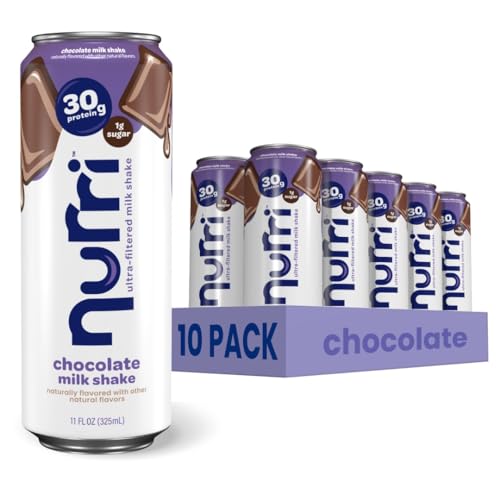
Nurri 30g Protein Ultra Filtered Milk Shake Chocolate

Nurri 30g Protein Ultra Filtered Milk Shake Cookies and Cream
Taking A Closer Look At The Options
1. Nurri 30g Protein Ultra Filtered Milk Shake Salted Caramel
Salted caramel gives this ready-to-drink shake more character than a plain dairy carton. Ultra-filtered milk protein, meaning milk components separated to concentrate protein while removing lactose and much of the sugar, makes each can a portable 30g-protein option.
I see the strongest fit in a rushed morning, a long workday, or a post-exercise stop where mixing equipment is inconvenient. It suits people seeking a substantial drink, though the listed 150 calories and 1g sugar still require attention to the rest of the day’s carbohydrate intake.
Practical Pluses
- Thirty grams of protein can make a single serving more substantial than ordinary milk used in coffee.
- No lactose supports easier digestion for many people sensitive to the milk sugar found in regular dairy.
- The salted caramel profile offers a rich alternative to a plain shake.
- A ten-can format makes portion planning easier for a busy week.
Details To Watch
- Ten cans require refrigerator space, and opened containers need prompt refrigeration.
- The flavor may be too pronounced beside very lightly roasted coffee.
Feature Snapshot
Made For
This shake best serves commuters, active adults, and anyone needing a portable protein drink without powder preparation.
Another Choice May Suit
Nurri 30g Protein Ultra Filtered Milk Shake Vanilla fits people who want the same protein format with a less emphatic flavor.
2. Nurri 30g Protein Ultra Filtered Milk Shake Vanilla
Vanilla keeps the format flexible, which is the useful part for people alternating between smoothies, oatmeal, and protein drinks. Unlike the salted caramel option, it won’t drive the flavor of a recipe, so a small splash can work across several breakfasts.
Each 11-ounce can provides 30g of ultra-filtered milk protein, 1g sugar, and 150 calories. For a person building low-carbohydrate drinks, that measured sweetness is a practical advantage, although the full calorie load still belongs in the day’s plan.
Key Advantages
- Vanilla blends smoothly with a limited ingredient list.
- The 30g protein figure makes portion planning straightforward.
- Lactose-free processing suits people who avoid regular milk sugar.
- Available multipack choices support different household storage needs.
Trade Offs
- The can costs more fridge space than a few glasses of traditional milk.
- Milk protein can be less appealing to people preferring an entirely plant-based drink.
- The ready-made format is convenient, but it leaves less control over added ingredients.
Who Will Love This
Home cooks and commuters benefit most from a neutral, pre-portioned protein drink that works beyond a classic dessert-style shake.
Where A Sibling Pick Shines
365 by Whole Foods Market Organic 2% Fat Milk serves people who prefer a traditional carton for oatmeal, sauces, and recipe planning.
3. Nurri 30g Protein Ultra Filtered Milk Shake Strawberry
Strawberry creates a useful middle ground between fruity breakfast drinks and plain dairy. The 11-ounce can delivers 30g of milk protein with 1g sugar and 150 calories, making portion accounting less complicated than mixing a large homemade shake.
In an office fridge or gym bag rotation, the sealed package stays convenient, though the long pack listing may be more sensible for frequent use than a single drink. People avoiding dairy-derived ingredients will still need to inspect the label because ultra-filtered milk is the central protein source.
What Helps Most
- Strawberry offers variety among high-protein drinks.
- Low listed sugar content suits measured carbohydrate tracking.
- Thirty grams of protein makes the can useful after training or as a substantial snack.
- No lactose broadens comfort for many dairy-sensitive people.
Small Caveats
- Some people may prefer vanilla or chocolate to fruit-flavored dairy drinks.
- A ready-to-drink shake costs more money per serving than plain milk used at home.
Quick Facts
Built With In Mind
This can is best for active adults and snackers who want a fruit-flavored protein drink with tightly measured sugar.
Reach For A Different Pick When
365 by Whole Foods Market Organic Unsweetened Almondmilk fits people seeking a plant-based carton with more control over the final drink.
4. Nurri 30g Protein Ultra Filtered Milk Shake Mocha
Mocha is the clearest choice for a morning routine built around coffee flavor, and the 30g protein content makes it more purposeful than a traditional flavored coffee drink. It is ready to drink, so there’s no shaker, powder, or cleanup before leaving the house.
The listed 150 calories and 1g sugar are easy to compare with other drinks, but coffee routines still require attention to any extras. Depending on personal taste, the mocha note may be light or full-bodied; the sealed can makes a workday desk more practical than a bottle and loose powder.
Notable Gains
- Mocha flavor reduces the need for sweetener in a morning drink.
- Thirty grams of protein supports a filling breakfast or post-workout drink.
- The ready-to-drink format saves mixing time.
- Lactose-free processing is easier to tolerate for many people.
Where It May Fall Short
- It cannot provide the same control as coffee brewed at home.
- Mocha flavor is less useful with citrus, mint, or vanilla extracts.
Right Fit For
Early risers and desk workers benefit from a portable, pre-portioned drink that combines coffee flavor with substantial protein.
Consider Something Else
Nurri 30g Protein Ultra Filtered Milk Shake Chocolate better serves people who prefer cocoa rather than a roasted coffee profile.
5. 365 by Whole Foods Market Organic Unsweetened Almondmilk
Unsweetened almondmilk is the plant-based counterpoint to the dairy cartons and protein shakes in this list. The original flavor leaves coffee, cereal, and matcha in control, which makes the 64-ounce carton useful across many small servings rather than one drink.
For a low-carbohydrate routine, the unsweetened profile is attractive, but almondmilk can vary substantially in protein and total carbohydrate by brand. I would use the nutrition label as the deciding factor, especially for anyone treating the carton as a protein source rather than simply a coffee additive.
Everyday Advantages
- Unweetened original flavor supports coffee without added sweetness.
- The 64-ounce carton supplies many servings for cereal, baking, and drinks.
- Almondmilk suits people avoiding dairy products.
- The neutral flavor gives chefs more control over recipes.
Points To Note
- It provides less protein than the Nurri shakes.
- Almondmilk may separate and requires shaking before use.
- The nutrition panel matters more than the word “unsweetened” alone.
- Plant-based drinks can still add meaningful carbohydrates.
Key Product Details
Made For
This carton best serves plant-based households, coffee drinkers, and cooks who need unsweetened milk in sauces or cereal bowls.
A Better Fit Elsewhere
Nurri 30g Protein Ultra Filtered Milk Shake Chocolate suits people who need a dairy-based drink with a much higher listed protein amount.
6. 365 by Whole Foods Market Organic 2% Fat Milk
Traditional milk remains useful in a low-carbohydration plan when the nutrition label fits the routine, especially for people who already tolerate lactose. The 2% designation identifies milk with reduced fat compared with whole milk, giving the carton a middle-ground role in coffee and cooking.
The 128-ounce format suits a household that drinks milk with several meals or uses it in sauces and baking. In a busy kitchen, the large carton reduces refill frequency, but people counting carbohydrates closely should check the per-serving label rather than assuming dairy milk is automatically low-carb.
Notable Upsides
- Large packaging works well for frequent cereal, coffee, and recipe use.
- Two-percent fat provides a familiar middle ground between whole and low-fat choices.
- Traditional milk has no added shake flavor competing with savory dishes.
- The carton offers more control than a pre-mixed protein drink.
Things That May Matter
- Lactose may cause discomfort for sensitive people.
- A large carton is inconvenient for a small household with limited refrigerator space.
- The drink provides less protein per serving than a 30g protein shake.
Feature Overview
Built With In Mind
This milk serves households that regularly use dairy in cereal, coffee, sauces, and low-carbohydration recipes that tolerate its carbohydrates.
Swap It Out For
365 by Whole Foods Market Organic Unsweetened Almondmilk is a better plant-based alternative for people avoiding dairy.
7. Nurri 30g Protein Ultra Filtered Milk Shake Chocolate
Chocolate makes this the most familiar flavor for people accustomed to protein powders, drinks, and creamy snacks. The canned format is especially handy after a workout, during a commute, or whenever a shaker and scoop would add unnecessary steps.
Ultra-filtered milk provides 30g of protein, while the listed 1g sugar and 150 calories keep the can relatively measured. In a shared office refrigerator, the flavor is broadly approachable, but people watching dairy or calorie intake should treat one can as a planned serving rather than an unlimited beverage.
What Earns Its Place
- Chocolate flavor works for both breakfast and post-training routines.
- Thirty grams of protein makes the drink substantial without preparation.
- Lactose-free processing suits many people sensitive to milk sugar.
- The low listed sugar content leaves room for a controlled meal plan.
Less-Strong Areas
- Chocolate flavor may clash with mint, citrus, or unflavored gelatin.
- A can is less economical than pouring milk from a large carton.
- The milk-based protein source is unsuitable for a dairy-free preference.
Who Should Grab It
Active adults, office commuters, and beginner protein-drink users benefit from a chocolate option with a clearly stated 30g protein amount.
Look Elsewhere For
Nurri 30g Protein Ultra Filtered Milk Shake Mocha fits morning routines centered on coffee instead of cocoa.
8. Nurri 30g Protein Ultra Filtered Milk Shake Cookies and Cream
Cookies and cream adds a more distinctive profile to the same measured protein format found in the vanilla, mocha, and chocolate shakes. It can make a low-carbohydration snack feel more intentional than plain milk, especially for someone moving from dessert-like drinks to a stricter routine.
The 30g protein content, 1g sugar, and 150-calorie serving keep the nutritional information simple to compare. I’d still consider the full day rather than the can alone, since a creamy flavor can encourage repeated servings. The ten-can format is useful for regular households, though smaller refrigerators may prefer one or two at a time.
A Favorable Mix
- Cookies and cream makes a routine protein drink feel less plain.
- Thirty grams of protein supports a satisfying single-serving snack.
- Low listed sugar content suits careful carbohydrate tracking.
- The ready-to-drink can requires no mixing or powder storage.
- Lactose-free processing may be comfortable for many dairy-sensitive people.
Practical Considerations
- Flavor preferences may not suit someone avoiding dessert-style drinks.
- The dairy-based protein source is not plant-based.
- Multiple cans add both refrigerator space and recurring storage.
Technical Reference
Whose Shelf It Belongs On
This shake belongs on the shelf of active adults and snack-focused households seeking a substantial milk-based protein drink.
Skip It For
365 by Whole Foods Market Organic Unsweetened Almondmilk is a better fit for people who prefer plant-based milk and add their own sweetness.
What Counts Before Choosing a Low-Carb Milk
Start with the nutrition label
The word “milk” covers products with very different roles. A protein shake may provide 30g of protein in one can, while a carton of traditional milk or unsweetened almondmilk may be better for adding to coffee and recipes. I compare total carbohydrates, protein, calories, and serving size before deciding based on flavor.
Consider dairy tolerance
Lactose is the natural sugar in milk, and regular dairy may be uncomfortable for some people. The Nurri shakes are labeled lactose free, while the almondmilk choice avoids dairy entirely. Traditional 2% milk remains useful for people who digest it comfortably, though the label deserves a closer look for carbohydrate content.
Match the format to the routine
A canned shake wins for portability and pre-portioned protein, while a carton wins for frequent pouring and recipe control. Storage matters too: a 128-ounce dairy carton suits a household with refrigerator room, whereas a small almondmilk carton may be more practical for one or two people. I favor the format that will be used, not the one that requires the most planning.
Flavor should support consistency
Vanilla is easier to pair with coffee and oatmeal, while chocolate, mocha, strawberry, and cookies and cream create more distinct drink profiles. People managing carbohydrates benefit from a flavor they can enjoy consistently rather than a product that becomes boring after two servings. A neutral option also gives more control over sweeteners and spices.
The Details That Shape Daily Use
Common Shopping Slip Ups
A “low sugar” label doesn’t automatically make every serving suitable for a personal carbohydrate plan. I check the serving size, total carbohydrates, and calories, especially with flavored shakes. Plant-based milk can also contain meaningful carbohydrates, so I read the almondmilk panel instead of assuming every carton behaves the same.
Where The Extra Money Goes
A protein shake costs more because the milk protein is concentrated, the serving is pre-portioned, and no mixing is required. That convenience is useful for commuters and active adults. A larger traditional milk or almondmilk carton can be more economical for households that drink several servings weekly.
Frequently Asked Questions
Is almondmilk suitable for a low-carbohydration routine?
It can be, but the nutrition label matters. Unsweetened almondmilk is often used in coffee and recipes, while its carbohydrate content varies by product.
Are protein shakes better than traditional milk?
They serve different purposes. A shake offers a large listed protein serving in one can, while traditional milk is usually more economical for cooking and repeated pours.
Is lactose-free milk always low in carbohydrates?
No. Lactose-free describes lactose processing, not total carbohydrate content. Check the nutrition panel for the complete carbohydrate figure.
Can I use these drinks in coffee?
Vanilla and chocolate usually pair well with coffee, while mocha is intended for a coffee-flavored routine. Unsweetened almondmilk also gives a cook control over added sweetness.
Which option works best for meal prep?
Traditional milk or almondmilk gives more control over portions. A ready-to-drink protein shake is better for a sealed, pre-portioned breakfast or snack.
The Takeaway
The practical choice depends on the role you need: protein concentration, dairy avoidance, recipe control, or a simple carton. I reach for a Nurri shake for a portable 30g protein serving, 365 almondmilk for unsweetened plant-based drinks, and 2% milk for traditional kitchen use. Whatever fits the routine, the nutrition label should make the final call.