

The Leading Options At A Glance

RAW EAA Plus Amino Acids Powder, Watermelon Grape, 30 Servings

RAW EAA Plus Amino Acids Powder, Sour Gummy, 30 Servings

Hi-Lyte Lime Cucumber Mint Hydration Packets, Electrolytes

Hi-Lyte Keto K1000 Raspberry Lemon Electrolyte Powder, 50 Servings

RAW Fuel Orange Premium Endurance Supplement Powder, 24g Carbohydrates, 60 Servings

Hi-Lyte Pineapple Coconut Electrolytes + Prebiotic Fiber, 45 Count

Hi-Lyte Keto K1000 Raspberry Lemon Electrolyte Powder, 120 Servings
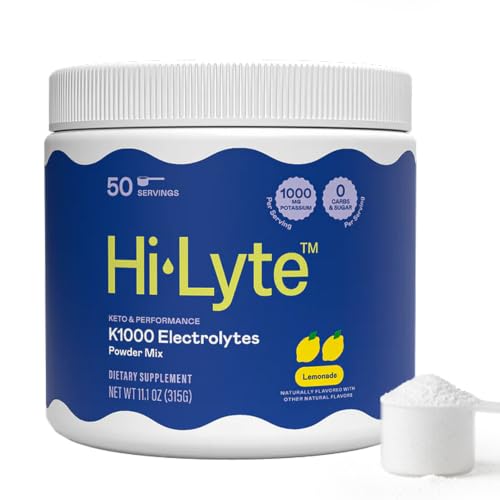
Hi-Lyte Keto K1000 Lemonade Electrolyte Powder, 50 Servings
The Picks, Examined More Closely
I see RAW EAA Plus as an amino acid supplement rather than a complex carbohydrate source. It provides all nine essential amino acids, compounds the body cannot produce on its own, making it more relevant to training nutrition than carbohydrate-focused endurance fuel.
For strength sessions or a busy training schedule, the 30-serving tub is simple to rotate into a daily routine. Watermelon Grape may make the powder easier to consume regularly, although people sensitive to strong fruit flavors may find it less neutral.
What Pays Off
- Nine essential amino acids cover the complete EAA profile.
- The scoop format simplifies post-training nutrition.
- Thirty servings suit a manageable monthly cadence.
Worth Noting
- It does not provide the carbohydrate quantity associated with endurance fueling.
- Powder storage requires a firmly sealed container and a dry scoop.
Quick Facts
Made For
I favor this pick for strength-focused trainees who specifically want an EAA powder alongside a separate carbohydrate strategy.
A Better Fit Elsewhere
RAW Fuel suits endurance athletes who need 24 grams of carbohydrates and 300 milligrams of sodium per scoop.
Sour Gummy changes the character of RAW EAA Plus without changing its central purpose. I favor this version for trainees who want all nine essential amino acids but strongly prefer a tart candy-style profile over the fruit-forward Watermelon Grape option.
The 30-serving format works well for a defined training block rather than permanent countertop storage. Flavor preference matters more than usual here, since taste can determine whether the powder becomes a consistent habit or disappears in the back of a cabinet.
The Value In It
- Complete EAA coverage matches the core RAW EAA Plus format.
- Sour Gummy flavor may improve palatability for candy-oriented users.
- Single-scoop preparation reduces clutter during training.
Small Caveats
- This remains an amino acid powder, not a carbohydrate formula.
- The tub may become inconvenient after the 30-serving cycle ends.
Who It Suits Best
I would choose it for a trainee who values tart flavor and plans to use EAA supplementation consistently across roughly one month.
Consider Something Else When
RAW Fuel is the closer match for long cycling, running, or competition sessions that require carbohydrate and sodium.
This packet format solves the storage problem that comes with a full hydration tub. I consider Hi-Lyte Hydration Packets most useful for travel, fasting periods, and workouts where carrying a scoop, water bottle, and bulk powder would be inconvenient.
The listed nutrient profile centers on sodium, potassium, magnesium, and vitamins, with no sugar or carbohydrates. That makes it a hydration aid, not an energy replacement, and the 16-ounce mixing instruction gives a clear dilution target.
Real Benefits
- Individual packets fit easily into gym bags and carry-ons.
- The zero-carbohydrate profile suits hydration-focused routines.
- Lime Cucumber Mint adds a refreshing alternative to plain water.
Trade Offs
- No carbohydrates means it does not serve as an endurance energy source.
- Single-use packets create more packaging than a bulk container.
Essential Details
Right Fit For
I see it as a strong fit for commuters, fasted exercisers, and travelers who need electrolyte packets that mix quickly with water.
Look Elsewhere When
Hi-Lyte K1000 Raspberry Lemon is a more practical alternative for home mixing and a larger serving count.
K1000 is built around a clear electrolyte proposition rather than complex carbohydrates. The Raspberry Lemon version makes sense for a home routine where water and a reusable shaker are readily available, particularly for people avoiding sugar and maltodextrin.
I appreciate the emphasis on potassium, an electrolyte involved in normal muscle function and fluid balance. The 50-serving tub offers a moderate supply, though the competing 120-serving K1000 option may make more sense for frequent daily mixing.
Everyday Advantages
- Each serving provides 1,000 mg of potassium.
- The zero-sugar profile fits low-carbohydrate routines.
- No maltodextrin keeps the formula narrowly focused.
Possible Compromises
- It supplies no meaningful carbohydrate energy for endurance work.
- Bulk storage takes more space than portable packets.
Built With In Mind
I would pair this formula with people who prioritize potassium, zero sugar, and simple home hydration over carbohydrate intake.
Swap It Out When
Hi-Lyte K1000 Raspberry Lemon 120 Servings suits frequent users who want fewer replenishment cycles.
RAW Fuel is the only item here centered directly on carbohydrate endurance fueling. Each scoop supplies 24 grams of carbohydrate in a glucose-based format and pairs it with 300 mg of sodium, which makes the math more relevant for cycling, running, and long training blocks.
I see this as the most category-aligned option for athletes who need fuel rather than amino acids or a zero-carb electrolyte drink. The 60-serving supply is substantial, so consistent training and clean scoop storage become practical ownership considerations.
The Practical Payoff
- Delivers 24 grams of carbohydrate per scoop.
- Includes 300 mg of sodium for hydration context.
- Sixty servings support recurring endurance sessions.
A Few Limitations
- Its carbohydrate load is unnecessary for low-intensity daily hydration.
- The large 57.28-ounce container needs secure, dry storage.
Technical Highlights
Whose Shelf It Belongs On
I recommend RAW Fuel to distance runners, cyclists, and endurance athletes who need a measured carbohydrate serving during demanding sessions.
Another Choice May Suit
Hi-Lyte Hydration Packets fit travelers who need electrolytes without carbohydrate energy.
The prebiotic fiber addition gives Hi-Lyte a different role from the zero-carb electrolyte options. Prebiotic fiber is carbohydrate that reaches the colon rather than being digested as a rapid energy source, so I see this as a daily hydration and digestive routine, not endurance fuel.
Pineapple Coconut, 3.5 grams of fiber, and an 8-to-16-ounce mixing range make it practical for a home shaker or larger water bottle. Depending on personal tolerance, added fiber can change the texture and digestive experience even when the flavor is mild.
What Earns Its Place
- Combines electrolytes with 3.5 g prebiotic fiber.
- Zero-sugar formula fits a lighter daily drink.
- Flexible water range supports different container sizes.
- Pineapple Coconut offers a light tropical profile.
Honest Caveats
- Fiber is unsuitable for anyone actively limiting carbohydrates.
- Some people may need to start with a smaller water ratio.
Key Product Details
Who Will Love This
I would choose it for a person who wants electrolyte replacement alongside a moderate daily prebiotic fiber serving.
Reach For A Different Pick When
Hi-Lyte K1000 Lemonade is the cleaner option for hydration routines that exclude fiber.
The 120-serving size changes how I think about K1000 ownership. Compared with the 50-serving Raspberry Lemon tub, it removes the need for frequent replenishment while preserving the same potassium-centered, zero-sugar approach.
That volume particularly suits people who mix an electrolyte drink daily, train in warm environments, or keep multiple bottles at home and work. I would still account for the bulk storage requirement and keep the container away from moisture and direct heat.
Real-World Strengths
- One thousand milligrams of potassium per serving.
- Zero sugar suits low-carbohydrate habits.
- One hundred twenty servings reduce restocking.
- Raspberry Lemon makes repeat use more approachable.
Details To Watch
- It provides no carbohydrate fuel for endurance work.
- Large packages can be cumbersome for minimal storage.
Best Suited To
I see this as the practical K1000 choice for frequent exercisers and daily electrolyte drinkers.
Skip It When
RAW Fuel is the better fit for people whose primary requirement is 24 grams of carbohydrate per serving.
Lemonade K1000 keeps the potassium-centered hydration approach familiar and uncomplicated. I prefer it for daily mixing because the flavor may blend more naturally into water, although the zero-sugar formula remains a powder and should not be expected to taste like sweetened lemonade.
The 50 servings make this a moderate cycle compared with the 120-serving Raspberry Lemon version. It fits routine exercisers seeking electrolyte balance through exercise, heat, or daily activity, not a carbohydrate-focused endurance protocol.
A Few Highlights
- Provides 1,000 mg potassium per serving.
- Zero sugar supports low-carbohydrate routines.
- No maltodextrin keeps the ingredient focus narrow.
Where It May Fall Short
- Lemonade flavor does not provide the carbohydrate content its name might suggest.
- The 50-serving count suits moderate rather than intensive use.
Feature Facts
The Right Fit
I favor this option for moderate daily users who prefer a familiar lemonade profile and potassium without sugar.
A Better Fit Elsewhere
Hi-Lyte Hydration Packets offer superior portability for travel and fasting hydration.
Matching Fuel to the Actual Training Demand
I would separate carbohydrate fuel, amino acids, and electrolytes before comparing formats. RAW Fuel directly provides carbohydrates for endurance work, while the RAW EAA Plus options supply essential amino acids and do not replace lost glycogen, the stored form of glucose used during demanding activity.
Dose and duration matter as much as ingredient count. A 24-gram carbohydrate scoop makes sense for a long run, bike ride, or competition, whereas an electrolyte packet may be sufficient for a short workout or a warm commute. People practicing calorie-controlled plans should also account for carbohydrate products within the full day’s nutrition.
Format then follows the routine. I favor packets for travel, 50-serving tubs for moderate use, and the 120-serving K1000 tub for daily mixing. A large container is convenient, but moisture, heat, and a damp scoop can affect the powder and make cleanup more demanding.
The Practical Side of Sports Nutrition Choices
Common Shopping Slip Ups
I see the largest mistake in treating every sports drink as a carbohydrate source. Electrolyte powders can be sugar-free and contain no meaningful carbohydrate, so the label and stated serving amount need to drive the choice.
What Separates Premium From Basic
A premium endurance formula may provide a defined carbohydrate dose, multiple carbohydrate sources, or added sodium. That extra formulation is worthwhile for prolonged training, while a basic electrolyte mix may be more appropriate for light activity or fasting hydration.
Frequently Asked Questions
Are complex carbohydrates the same as sugar?
No. Complex carbohydrates are organized carbohydrate structures that may digest more gradually, while added sugar is a simpler sweetener. The labels in this roundup include both carbohydrate fuel and zero-carbohydrate electrolyte products.
Which product contains carbohydrates?
RAW Fuel provides 24 grams of carbohydrates per scoop. Hi-Lyte Pineapple Coconut includes 3.5 grams of prebiotic fiber, while the other listed electrolyte and EAA products are not described as carbohydrate energy sources.
Which option is best for a long run?
I favor RAW Fuel because it combines 24 grams of carbohydrates with 300 milligrams of sodium per serving. The appropriate serving schedule should be matched to exercise duration and individual tolerance.
Which pick is easiest to travel with?
I prefer the Hi-Lyte Hydration Packets because each stick is portioned for mixing into water. A packet, bottle, and shaker still occupy more space than plain water, but there is no need to carry a full powder tub.
Do electrolyte powders provide enough energy?
I would not treat electrolyte powder as a primary energy source unless carbohydrates are included. Electrolytes replace minerals associated with fluid balance, while carbohydrate provides fuel during demanding activity.
Final Verdict
RAW Fuel is the most direct fit for complex-carbohydrate needs, thanks to its defined 24-gram serving. I would pair the EAA Plus powders with strength-focused routines, choose Hi-Lyte packets for portable hydration, and reserve K1000 for people who specifically want potassium-centered, zero-sugar mixing. The strongest choice comes down to whether the priority is fuel, amino acids, fiber, portability, or daily electrolyte volume.