

A high protein snack should still fit the routine, not complicate it. Commuters, gym-goers, parents, and office workers often face the same practical problem: finding portable food that supplies protein without an excessive amount of sugar, while still tasting good enough to use regularly. I compared liquid meal-replacement shakes, mini bars, crispy oat bars, and larger chocolate options across protein, fiber, sugar, portability, texture, and pantry convenience. The list includes three BOOST drinks, which are useful high-protein meal options but not traditional bars, so their format is an important distinction throughout the comparison. My bottom line is simple: the best fit depends on whether convenience means drinking something ready, fitting a small snack into a pocket, or keeping a full-size bar nearby for a longer break.
The Choices Worth Comparing
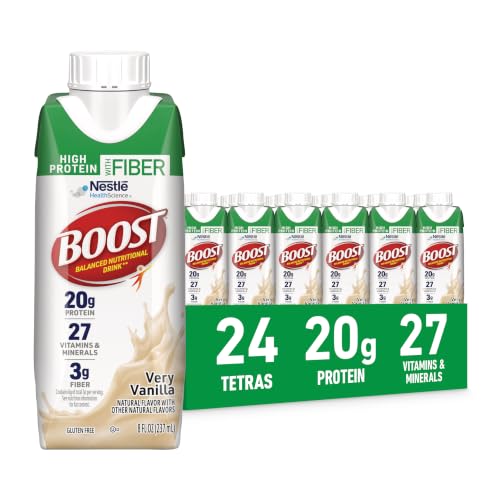
BOOST High Protein with Fiber Very Vanilla 8 fl oz 24 Pack

BOOST High Protein with Fiber Chocolate Shake 24 Pack

BOOST High Protein with Fiber Caramel 8 fl oz 24 Pack

Quest Mini Protein Bars Bundle 14 Count Each

Munk Pack Sea Salt Dark Chocolate Keto Bar 4 Count

Zbar Protein Strawberries ‘N Creme Snack Bars 5 Count

Ready Dark Chocolate Almond Protein Bars 15g 12 Count

Pure Protein Chocolate Mint Cookie Bars 20g 36 Count
Why These Options Stand Out
BOOST takes the liquid route here, offering an 8-ounce bottle that needs no mixing and fits more complete meal planning than a typical snack bar. Each shake supplies 20 grams of protein, 3 grams of fiber, 27 vitamins and minerals, and 240 calories, which makes it more substantial for a commute or long workday.
Vanilla may suit people who find chocolate-themed nutrition drinks too sweet-tasting, though the listing doesn’t provide a sugar quantity. The honest limitation is straightforward: this is a meal-replacement beverage, not a bar, and the available information does not confirm that it meets a strict low-sugar preference.
Notable Gains
- The 20-gram protein content supports a more filling snack or meal-replacement routine.
- Three grams of fiber adds useful balance beyond protein alone.
- Twenty-seven vitamins and minerals broaden its nutritional role.
- Ready-to-drink bottles remove preparation time from morning routines.
Things To Consider
- The drink format adds weight compared with a pocket-size bar.
- Sugar content is not provided, so strict low-sugar screening remains unresolved.
- Waste from remaining liquid may be a storage consideration for some people.
Made For
Commuters and shift workers benefit most from the ready-to-drink format and substantial protein content.
Consider Something Else When
Quest Mini Protein Bars offer a lighter, solid choice for pockets and schedules centered on eating rather than drinking.
The chocolate BOOST is a practical morning option for someone who wants a drinkable meal rather than a bar. Its 20 grams of protein and 3 grams of fiber make it more nutritionally dense than many snack breaks, while 27 vitamins and minerals broaden the case for keeping bottles on hand.
Compared with BOOST High Protein with Fiber Very Vanilla 8 fl oz 24 Pack, the choice comes down largely to flavor preference. The source doesn’t state the serving weight, sugar amount, or texture, so people with a firm low-sugar requirement may find the incomplete data more important than the chocolate profile.
A Few Strong Suits
- High protein content fits active mornings and demanding workdays.
- Fiber supports a more complete snack than a conventional candy-style bar.
- A 24-count pack reduces the need for frequent replenishment.
Trade Offs
- The drink is bulkier than a mini bar for bags and pockets.
- No sugar figure is supplied, preventing a direct low-sugar comparison.
- Chocolate flavor won’t suit people avoiding dairy-like or cocoa-forward drinks.
Key Specs
Right Fit For
Chocolate-drink fans benefit from a bottleable breakfast or afternoon option with broad nutritional coverage.
A Better Fit Elsewhere
Pure Protein Chocolate Mint Cookie Bars suit people who want a shelf-stable solid with 20 grams of protein and a stated sugar amount.
Caramel brings a useful flavor change to a nutritional profile otherwise similar to the two preceding BOOST shakes. With 20 grams of protein, 3 grams of fiber, and 240 calories per bottle, it is better viewed as a light meal replacement than an ordinary between-meal candy bar.
For travel days, the ready-to-drink format is uncomplicated and requires no blender or shaker bottle. The catch is that the supplied data gives no sugar quantity, so I would not present this as a verified low-sugar choice from the available facts alone.
A Strong Showing
- Caramel gives the same high-protein formula a distinct flavor profile.
- Twenty grams of protein makes the bottle useful after a demanding workout.
- Vitamins and minerals make it more varied than a single-purpose protein snack.
Worth Bearing In Mind
- Unopened bottles take more bag space than compact bars.
- The 8-ounce volume may feel small for people accustomed to larger drinks.
- Sugar information is missing from the provided attributes.
Built With In Mind
Travelers, early risers, and gym-goers benefit from a bottle that supplies protein without preparation.
Swap It Out When
Munk Pack Sea Salt Dark Chocolate Keto Bar 4 Count is a better fit for a dry, low-carbohydrate snack with fewer than 1 gram of sugar.
The Quest bundle is the first solid bar in the list, and the mini format changes the ownership experience. Chocolate chip cookie dough and cookies and cream varieties arrive in 14-count groups, making it easier to rotate flavors without opening full-size bars throughout the day.
Each serving provides 8 grams of protein, 4 to 5 grams of fiber, and no more than 1 gram of sugar. That profile makes the bars appealing during meetings, commutes, or study sessions, although two servings may still be needed for someone seeking the 20 grams listed by several larger alternatives.
Everyday Advantages
- Mini bars fit easily into desk drawers, handbags, and small work bags.
- No more than 1 gram of sugar supports a strict light-sugar routine.
- Two flavor varieties prevent the routine from becoming monotonous.
- Four to five grams of fiber per serving adds useful balance.
- The chewy texture offers a different eating experience from the BOOST drinks.
Small Caveats
- The 8-gram protein amount is lower than the 15- to 20-gram range of several full-size picks.
- Individual bars may be too small for some intense workout sessions.
Feature Snapshot
Who Will Love This
Students, commuters, and office workers benefit from a low-sugar bar that needs no bottle, wrapper disposal, or refrigeration.
Reach For A Different Pick When
Ready Dark Chocolate Almond Protein Bars suit gym-goers who prefer a larger serving with 15 grams of whey protein.
Unlike the oat-based Zbar Protein Strawberries ‘N Creme Snack Bars, Munk Pack centers the snack on nuts, seeds, fat, and dark chocolate. That gives it a richer profile for low-carbohydrate routines, where the bar’s 3 grams of net carbohydrates may matter more than being the largest source of protein.
The four-count package contains individually sized 1.23-ounce bars, which are convenient for drawers and short breaks. The ingredient-style flavor should suit people who enjoy sweet and salty pairings, though nut-heavy bars may not suit shared environments where allergens are a concern.
What Works In Its Favor
- Fewer than 1 gram of sugar aligns closely with light-sugar preferences.
- Three grams of net carbohydrates supports low-carbohydrate snack planning.
- Plant-based protein and fats make the ingredients broadly useful for fasting-break routines.
- Dark chocolate and sea salt deliver a more adult flavor profile than cereal-style snacks.
Possible Compromises
- The source doesn’t provide a numerical protein amount.
- Nut and seed components require attention during storage and shared-space handling.
The Right Fit
Low-carbohydrate snackers benefit from a compact bar with fewer than 1 gram of sugar and 3 grams of net carbohydrates.
Look Elsewhere When
Quest Mini Protein Bars offer a clearer protein amount for people who prioritize 8 grams per serving over a keto-style nut and seed profile.
Zbar Protein takes a crisp approach with whole-grain oats and a strawberries-and-cream flavor. Unlike the chewy Quest Mini Protein Bars Bundle 14 Count Each, these bars offer a lighter crunch that can feel more familiar to children, and the five-count box suits lunchboxes or after-school cabinets.
Each bar contains 5 grams of protein, making it a moderate option rather than the strongest protein serving here. The organic rolled oats, gluten-free formulation, and non-GMO positioning add useful context, although the supplied information does not state the sugar content, so low-sugar suitability cannot be confirmed.
Strong Points
- The crisp texture contrasts with dense chewy bars and meal-replacement drinks.
- Whole-grain oats provide a familiar base for school-aged snack routines.
- Five individually packaged bars suit lunchboxes and short school days.
Things That May Matter
- Five grams of protein is modest next to bars offering 15 or 20 grams.
- Sugar quantity is absent from the provided facts.
- Crushed crumbs may appear in bags, a common ownership concern with crispy oat bars.
Core Details
Whose Shelf It Belongs On
Families packing lunches benefit from a familiar oat-and-strawberry snack with a crisp texture and moderate protein.
Another Choice May Suit
Adult gym-goers benefit more from Ready Dark Chocolate Almond Protein Bars and the larger 15-gram protein serving.
Ready Protein Bars center the routine on a clear protein target: 15 grams of whey protein per bar. That makes them a more substantial post-workout snack than the five-gram Zbar Protein offering, and the dark chocolate almond flavor is designed for people who prefer a classic flavor profile.
The formulation is described as gluten-free, non-GMO, and free from preservatives and sugar alcohols. Those details may appeal to fitness-focused shoppers seeking a straightforward bar, though the available data gives no sugar quantity and doesn’t detail taste or texture, so I’d examine the current label for strict dietary screening.
Strengths Worth Knowing
- Fifteen grams of whey protein offers a strong post-workout serving.
- Dark chocolate and almond creates a familiar flavor pairing.
- The absence of sugar alcohols may simplify ingredient preferences.
- A 12-count box works well for routine training schedules.
Details To Watch
- Sugar content isn’t included in the supplied information.
- Whey protein excludes anyone avoiding dairy-derived ingredients.
Technical Highlights
Who Should Grab It
Strength-focused adults benefit from a 15-gram whey serving after training or during a long workday.
Where A Sibling Pick Shines
Pure Protein Chocolate Mint Cookie Bars provide a higher 20-gram protein amount plus a stated 3-gram sugar level.
Pure Protein combines the largest stated protein serving in this group with a chocolate mint cookie flavor. Each bar provides 20 grams of protein and 3 grams of sugar, a combination that makes it easier to identify against bars with lower protein amounts or missing sugar data.
The 36-count package is the practical reason to consider it for a shared office, long car journeys, or a pantry filled with individually wrapped snacks. Chocolate flavors can become repetitive over many bars, so flavor variety is a more meaningful ownership concern than package size.
Points In Its Favor
- Twenty grams of protein makes each bar a substantial individual serving.
- Three grams of sugar gives shoppers a clearly stated light-sugar figure.
- The 36-count box supports high-turnover pantry use.
- Individual wrapping simplifies portioning and storage.
Room For Improvement
- A large case may create excess inventory for occasional snackers.
- Only chocolate flavor options are identified in the supplied data.
- Texture and ingredient details aren’t provided, so texture preference remains uncertain.
Quick Facts
Best Suited To
High-protein snackers benefit from a 36-count pantry supply with a stated protein-to-sugar profile.
Not Your Match When
Quest Mini Protein Bars fit people who value smaller portions, two listed flavors, and a tighter sugar ceiling.
Choosing a Bar That Fits the Routine
Start with the label, not the flavor. Protein, sugar, serving size, and fiber tell me far more about daily usefulness than a dramatic package claim, and the current nutrition panel should settle any uncertainty left by a listing.
Protein Amount Matters
Protein needs vary, but the practical divide in this list is clear. Mini and cereal-style bars provide 5 to 8 grams, while larger options reach 15 to 20 grams. Gym-goers and people skipping a meal may favor the larger serving; children and casual snackers may find a smaller bar easier to manage.
Sugar Needs a Direct Reading
Fewer than 1 gram, 1 gram or less, and 3 grams describe meaningfully different levels. The BOOST shakes and several other bars lack a stated sugar figure, so they cannot be treated as confirmed low-sugar options from the available information alone. A current label comparison is essential for strict routines.
Texture Shapes Portability
Chewy bars feel substantial and suit desk drawers, while crispy oat bars may be more familiar in lunchboxes. Nut-and-seed bars bring a different flavor and allergen profile. Liquid shakes require bottles, storage, and prompt consumption, which makes them a meal format rather than a traditional bar.
Fiber Completes the Balance
Fiber adds bulk and supports a more balanced snack, but the amount varies sharply. Quest leads the solid bars with 4 to 5 grams per serving, while the BOOST drinks provide 3 grams per bottle. People increasing fiber gradually may also need to account for their total daily intake.
Understanding the Main Tradeoffs
Several mistakes can make a sensible label comparison misleading. The format below keeps the focus on what each number and package type actually changes.
Mistakes Worth Dodging
A large protein number doesn’t establish that a bar is low in sugar or carbohydrates, so both figures need separate attention. Liquid meal shakes also aren’t directly comparable with solid bars, especially for pocket storage, portion control, or people who prefer eating rather than drinking.
The Upgrade Payoff
Higher-protein bars may cost more per item because they use a larger serving and a greater quantity of protein ingredients. The additional spending can be worthwhile for active adults or meal-skipping routines, while a smaller bar may provide better value for children and casual snackers.