

Meal prep rewards organization: the right container keeps portions consistent, protects food in transit, and makes reheating less chaotic. I’ve compared options for weekday lunches, batch-cooked dinners, freezer portions, and grab-and-go breakfasts, with special attention to capacity, material, lid design, cleaning, and how each format fits a real kitchen routine.
A Fast Comparison Of The Options

Dealusy 38 oz Meal Prep Containers 50-Pack

Souper Cubes Silicone Freezer Molds, Blueberry

Dealusy 32/16/8 oz Deli Container 60-Set

Dealusy 24 oz Deli Containers 40-Set
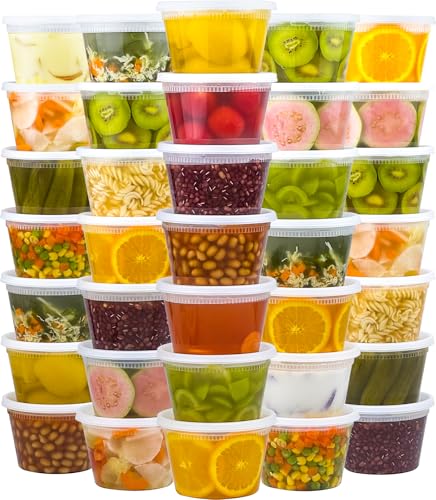
Dealusy 16 oz Deli Containers 50-Set

Pyrex 7201 4-Cup Bowls with Lids 2-Pack

ENTERHASSAN 20 oz Parfait Cups with Lids 6-Pack

ECOBERI Glass Food Storage Containers 5-Piece
The Details Behind The Selections
The 38 oz capacity suits substantial lunches, dinner sides, and batch-cooked portions that need more room than a standard deli bowl. For a household cooking on Sunday, the 50 containers and 100 included pieces create a practical buffer for several workweeks, although the larger format may demand extra refrigerator space.
Unlike Souper Cubes Silicone Freezer Molds, Blueberry, these are rigid plastic boxes with fitted lids, so they stack vertically and travel more like conventional takeout containers. I see them as a high-volume choice for people who regularly pack lunch or organize leftovers.
Positive Points
- Thirty-eight-ounce portions accommodate entrée, side, and snack combinations.
- The 50-container format supports repeated weekly meal preparation.
- Fitted lids reduce the chance of spills during refrigerator storage and transport.
- Stackability helps keep a crowded meal-prep shelf orderly.
Things To Consider
- The size may feel excessive for salads, sauces, or small snacks.
- Owners commonly report that plastic containers need space to dry fully after washing.
Key Specs
Built With In Mind
This set fits households that prepare several full meals each week and have storage space for bulky containers.
Another Choice May Suit
Dealusy 32/16/8 oz Deli Container 60-Set serves people who prefer smaller, more flexible portions.
Flexible silicone trays offer a different preparation method from the rigid, lidded boxes elsewhere in this roundup. Portioning soup, rice, pasta, shredded chicken, or sauces directly into individual wells can simplify freezer organization, though transferring some foods to another container may be necessary.
The Blueberry set is especially relevant to cooks who separate ingredients before assembling meals later. Compared with Dealusy 38 oz Meal Prep Containers 50-Pack, it favors compact frozen portions over large complete lunches, and I find that distinction useful for soups and recipe components.
A Few Strong Suits
- Multiple well sizes accommodate full servings and small ingredient portions.
- The 1-cup and 2-cup formats suit soups, grains, pasta, and side dishes.
- Half-cup wells work well for sauces and chopped ingredients.
- Two-tablespoon wells control portions of pesto, dressing, and seasonings.
- Silicone construction allows flexible removal of frozen portions.
- These molds do not provide the same transport-oriented lid format as the rigid containers.
- Frozen food can adhere to silicone, so prompt release may require a brief thaw.
- Three container sizes bring flexibility to mixed meal-prep routines.
- Twenty pieces per size make portioning numerous meals or family servings easier.
- Tight-fitting lids support refrigerator and transport storage.
- The stated microwave and dishwasher compatibility simplifies cleanup and reheating.
- A larger collection takes more cabinet and refrigerator space than a smaller set.
- The plastic format may show wear and staining over extended daily use.
- Lid fit should be checked carefully before placing a full bowl in a bag.
- Twenty-four ounces gives common side dishes and leftovers a practical footprint.
- The 40-piece quantity supports several weeks of packed lunches.
- Lids provide a close fit for refrigerator and transport storage.
- Stated microwave and dishwasher use adds convenience during a workday.
- One size cannot provide the compact 8 oz option available in the mixed set.
- Rigid plastic may become cloudy or scratched with repeated use.
- Compact 16 oz capacity works well for moderate portions and side dishes.
- Fifty containers accommodate an extended series of packed meals.
- The smaller base makes vertical stacking easier in compact refrigerators.
- Closely fitted lids support covered handling and transport.
- Full lunches may require two containers for entrée and side.
- Rigid plastic can develop cosmetic marks with repeated washing.
- Tempered glass provides a rigid surface for mixing, serving, and storage.
- Four-cup capacity works well for salads, grains, and family-style sides.
- Transparent bowls make layered ingredients easy to inspect.
- Lids extend the bowls into covered refrigerator storage.
- Glass is heavier and more breakable than the plastic options in this list.
- For commuters, owners commonly keep protective dividers between stacked glass pieces.
- Two bowls offer less batch-prep capacity than most plastic sets.
- The 20 oz capacity supports a substantial yogurt or overnight-oat portion.
- Lids protect prepared breakfasts during refrigeration and transport.
- Six cups suit six breakfasts or several individual snacks.
- The tall format preserves the layered presentation of parfait-style foods.
- The narrow shape is not suited to bulky salads or large dinner portions.
- Owners commonly check the lid alignment before placing a cup in a bag.
- Each 4.5-cup container holds a substantial lunch, dinner, or leftover portion.
- Borosilicate glass supports reheating and baking according to the stated design.
- Silicone sleeves improve grip and create separation around the glass base.
- Snap-on leak-resistant lids support secure food transport.
- Five containers provide a useful balance of capacity and storage footprint.
- Glass remains heavier and more breakable than plastic meal-prep boxes.
- The five-piece count is limited for large households or weekly bulk preparation.
- The source notes that the glass handles heat, but the lids still require care during heating.
Worth Noting
Who It Suits Best
This set fits home cooks portioning soups, sauces, grains, and recipe ingredients for freezer storage.
Consider Something Else When
ENTERHASSAN 20 oz Parfait Cups with Lids 6-Pack better serves people preparing layered breakfast portions.
Three capacities make this set more versatile than the single-size 24 oz and 16 oz Dealusy options. Twenty containers at each 32, 16, and 8 oz size let one meal-prep session cover salads, sauces, snacks, and fuller lunch portions without purchasing separate formats.
The plastic bowls are described as suitable for meal prep, freezing, microwave use, and dishwashing, which makes them a broad everyday option. In a shared kitchen, the 8 oz containers may be the most useful for dressings or sides, while the 32 oz format handles substantial leftovers.
Where It Helps
Small Caveats
At A Glance
Made For
This mixed-size set fits busy households that prepare different portions for adults, children, sides, and snacks.
A Better Fit Elsewhere
Dealusy 38 oz Meal Prep Containers 50-Pack better serves cooks focused almost entirely on large meal portions.
The 24 oz format occupies the useful middle ground between a small condiment cup and a large meal box. It handles a bowl of leftovers, several side dishes, or a moderate lunch without becoming visually bulky in the refrigerator, making it easier to manage than an all-large collection.
This set also offers 40 containers with plastic lids for repeated lunches and leftovers. Compared with the three-capacity Dealusy 32/16/8 oz set, it keeps the kitchen setup simpler, though households preparing sauces or tasting portions may prefer the mixed-size approach.
Practical Pluses
Practical Considerations
Quick Facts
The Right Fit
This set suits weekday meal prep focused on moderate leftovers, lunch portions, and refrigerator organization.
Swap It Out When
Souper Cubes Silicone Freezer Molds, Blueberry better serves cooks focused on frozen portions and ingredient storage.
Sixteen-ounce containers target the portion size that sits between a dip and a full dinner bowl. They work well for a modest lunch, cooked grain, cut fruit, vegetables, or several small sides, while taking up less refrigerator shelf space than the 24 oz and 38 oz Dealusy options.
Fifty containers give this pick a strong routine advantage for a two-person household or a commuter preparing several compact meals. The plastic format and fitted lids keep the arrangement straightforward, and the listed freezer, microwave, and dishwasher compatibility supports storage, reheating, and cleanup.
Reasons It Performs
Honest Caveats
Who Should Grab It
This set fits commuters, couples, and small households favoring compact portions over large meal boxes.
Where A Sibling Pick Shines
Dealusy 32/16/8 oz Deli Container 60-Set better serves households that prefer several portion sizes in one collection.
Glass changes the rhythm of this roundup because the bowls can move from mixing to serving to covered storage. I find the open, visible format useful for layered salads and snacks, where plastic deli tubs hide much of what is inside.
The 2-pack includes two 4-cup bowls and two Loring Pink plastic lids. Compared with Dealusy 24 oz Deli Containers 40-Set, it offers fewer pieces and more breakable material, but the tempered glass base and simple bowl shape suit people who value presentation as well as covered refrigeration.
What Pays Off
Details To Watch
Core Details
Whose Shelf It Belongs On
These bowls suit home cooks who mix and serve food at home before transferring it to the refrigerator.
Reach For A Different Pick When
ECOBERI Glass Food Storage Containers 5-Piece better serves shoppers wanting more glass containers with protective sleeves.
A 20 oz parfait cup is built around layered breakfasts rather than general-purpose meal storage. Yogurt, granola, cereal, fruit, and overnight oats stay visually separated, which makes these cups useful for a grab-and-go morning or a desk refrigerator.
The six-cup set creates a repeatable weekday breakfast routine, although six portions may feel small for family meal prep. Compared with the Pyrex 7201 bowls, these narrow cups suit portable single servings better, while their limited form is less practical for dinner sides and leftovers.
Useful Strengths
Where It May Fall Short
Built With In Mind
These cups fit people preparing yogurt, granola, cereal, or overnight oats for portable daily breakfasts.
Not Your Match When
Dealusy 16 oz Deli Containers 50-Set better serves cooks preparing a larger number of varied lunch portions.
Colorful borosilicate glass containers bring a more substantial feel to refrigerated lunches and leftovers. Each holds 4.5 cups, a practical size for a complete meal, and the five-piece set covers several workdays without approaching the volume of a 50-container plastic collection.
The silicone sleeve adds grip and some separation between the glass and a countertop, while the snap-on lid is designed to resist leaks. Compared with Pyrex 7201 4-Cup Bowls with Lids 2-Pack, the protective sleeve gives this set an edge for kitchens where glass storage needs extra handling support.
Useful Highlights
Trade Offs To Consider
Feature Snapshot
Best Suited To
This set fits home cooks storing refrigerator meals who favor glass, larger portions, and protected handling.
A Better Fit Elsewhere
Souper Cubes Silicone Freezer Molds, Blueberry better serves cooks focused on freezer portions and compact ingredient wells.
Choosing A Format That Fits Your Routine
Match Capacity To The Meal
Capacity matters more than container count. A 16 oz box may suit sides and moderate lunches, while a 24 oz or 38 oz container handles fuller portions. Souper Cubes molds and the ENTERHASSAN parfait cups serve narrower tasks, but they can be more useful for sauces, soup portions, and breakfast layers.
Match Material To Handling
Plastic is lighter and less vulnerable to impact, making it practical for commuting and high-volume kitchen storage. Glass provides visibility and a firm surface for serving, but the heavier construction calls for more care during transport and washing. Borosilicate glass is specifically valued for heat resistance, while ordinary container glass serves a different role.
Check Lids Before Buying
A close-fitting lid matters for soup, dressings, and stacked refrigerator storage. I also consider whether the lid stays attached during washing and whether the container shape stacks neatly. Transparent sides can make leaks and residue easier to notice before placing food into a bag.
Think Beyond Storage
Some sets double as mixing bowls, serving pieces, or portion molds. That versatility may reduce the need for separate tools, although a narrow breakfast cup cannot replace a broad deli container. The most practical setup uses several formats, not one container forced into every task.
Avoiding Common Storage Mistakes
Mistakes Worth Dodging
I’d avoid choosing by count alone, because 50 small containers cannot replace one large family meal. Seal lids before transport, leave hot food uncovered until it stops steaming, and check that stacked containers are stable. Plastic scratches and silicone molds can also develop odors over time when residue remains.
What Separates Premium From Basic
Higher-tier picks may add protective sleeves, heat-resistant glass, a varied set of capacities, or a close-fitting lid. The upgrade matters most for commuting, layered meals, reheating, and delicate storage glass. For simple refrigerator portions, a basic plastic container with a secure lid can be enough.
Frequently Asked Questions
Are Glass Meal Prep Containers Better Than Plastic?
Glass suits people who value visibility, serving versatility, and heat resistance. Plastic remains lighter and less breakable, making it easier to carry in a packed work bag.
What Size Is Best For Everyday Lunches?
A 16 to 24 oz container generally suits moderate lunches, sides, and leftovers. Larger meals or family portions often call for a 32 oz or 38 oz format.
Can Meal Prep Containers Be Frozen?
Several listed options are designed for frozen storage. Souper Cubes molds are especially suited to soup, rice, sauces, and ingredient portions.
Are Lidded Containers Good For Overnight Oats?
Wide-mouth or removable lids make transport easier for overnight oats. The ENTERHASSAN parfait cups provide a dedicated 20 oz format with layered breakfast portions.
How Many Containers Does Meal Prep Usually Need?
The useful count depends on household size and cooking frequency. Six cups suit daily breakfasts, while 40 to 50 plastic containers can cover an extended round of lunches and leftovers.
Final Verdict
I find the right match by format rather than sheer quantity: Souper Cubes for frozen portions, ENTERHASSAN for breakfasts, Dealusy for high-volume plastic storage, Pyrex for glass mixing and serving, and ECOBERI for protected glass meal containers. Choose the capacity and handling profile that fit the food, the refrigerator, and the trip to work, then let the routine determine how many pieces you actually need.