

Choosing olive oil becomes confusing fast. Bottles promise cold pressing, origin blends, smoke infusion, and technical measurements that many home cooks barely understand, so the real task is matching flavor, bottle size, and cooking role to the kitchen.
I narrow the field for daily cooks, salad enthusiasts, and people who want a dependable pantry jug. I pay close attention to stated acidity, smoke point, origin, container design, and serving format, while separating everyday cooking oils from bottles better suited to finishing and specialty use.
How The Shortlist Stacks Up

Ariston Greek Select EVOO 8.45 Fl Oz

Oli by Nutrioli Spanish Organic EVOO 16.9 Fl Oz

Atlas Organic Moroccan High-Polyphenol EVOO 1 L

Colavita First Cold-Pressed EVOO 68 Fl Oz

Colavita Mediterranean Cold-Pressed EVOO 34 Fl Oz

Colavita Premium Italian EVOO 68 Fl Oz Jug
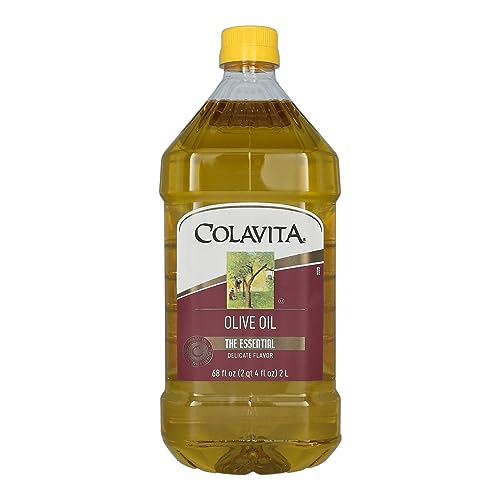
Colavita Olive Oil 68 Fl Oz Plastic Jug
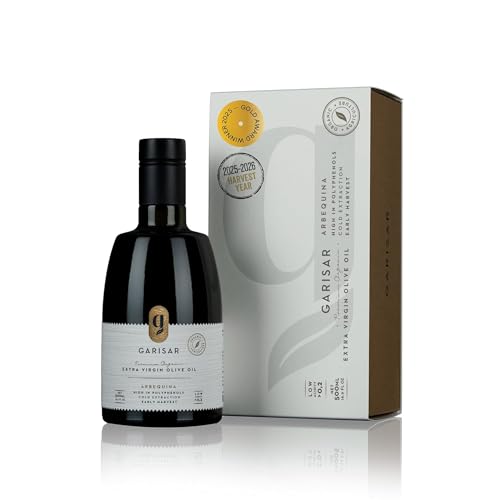
Garisar Premium Arbequina EVOO Over 600 ppm
Inside Each Recommended Option
The Ariston Greek Select EVOO is built around a compact format and smoke-infused character, making it more specialized than the broad Mediterranean blends later in this roundup. The stated profile rounds out olive-fruit and buttery notes, which may suit grilled vegetables, roasted poultry, and finishing small plates.
In a busy kitchen, the 8.45-ounce bottle takes up little counter or cabinet space, though the trade-off is more frequent refills than a liter jug offers. People seeking a conventional peppery Tuscan-style bottle may find this less aligned with their pantry expectations.
Advantages To Know
- Smoke infusion gives grilled foods an added savory layer.
- The small bottle suits tasting flights and limited storage.
- Its stated acidity falls between 0.2% and 0.4%.
- No artificial flavors or added sugars are listed.
Small Caveats
- The compact bottle needs replacing more often than larger formats.
- Smoke flavor can overpower a mild dressing or delicate fish dish.
Feature Snapshot
Who It Suits Best
This bottle fits home cooks with limited cabinet space who regularly grill and prefer a smoky finish.
A Better Fit Elsewhere
Oli by Nutrioli Spanish Organic EVOO fits everyday dressings and medium-heat cooking better than Ariston’s specialty profile.
Where Ariston leans smoky, Oli by Nutrioli is built around control and versatility. Its Spanish blend combines Arbequina, Picual, and Hojiblanca olives, giving a fuller palette that should sit comfortably in vinaigrettes, marinades, pasta sauces, and moderate sautéing.
The retractable pourer is a practical distinction in a busy kitchen because it reduces the chance of dashing oil across the counter. For high-temperature cooking, though, the stated 374°F smoke point calls for a more heat-oriented option.
The Case For It
- Three olive varieties add complexity to a single blended oil.
- The pop-up spout makes measured salad dressing pours easier.
- A medium smoke point suits most stovetop and raw-food uses.
- The 16.9-ounce glass bottle presents a more substantial format.
Worth Noting
- Glass is heavier and easier to break than plastic in a busy household.
- Medium heat is the stated limit for sautéing applications.
Technical Sheet
Made For
Home cooks preparing vinaigrettes, marinades, and pasta sauces benefit most from the three-variety Spanish blend.
Consider Something Else When
Colavita Olive Oil 68 Fl Oz Plastic Jug serves frequent frying and baking better than Oli by Nutrioli.
Atlas shifts the origin story from Spain to Morocco while keeping the emphasis on measured quality signals. Polyphenols are naturally occurring compounds, and a listing that foregrounds their level appeals to cooks who compare technical labels rather than relying on origin alone.
The choice of container sizes is a stronger practical feature. Depending on household use, a 17-ounce bottle may suit a small kitchen, while the 25.5- and 34-ounce versions offer a middle ground between compact storage and a full liter.
What Stands Out
- Moroccan origin provides variety beyond Italian and Spanish oils.
- High-polyphenol positioning appeals to specification-focused cooks.
- Three listed sizes support different pantry and family needs.
- Cold pressing preserves the oil’s fresh-oriented character.
A Few Limitations
- The available data provides no specific smoke-point guidance.
- Origin details are sparse, so tasting expectations remain broad.
The Right Fit
Specification-focused cooks appreciate the combination of Moroccan sourcing, high-polyphenol positioning, and multiple capacities.
Another Choice May Suit
Garisar Premium Arbequina EVOO Over 600 ppm makes more numerical sense for cooks prioritizing labeled polyphenol and acidity figures.
For households that go through a bottle quickly, Colavita First Cold-Pressed EVOO emphasizes volume over novelty. The Italian blend is presented with a smooth, balanced profile, which makes it a low-fuss option for salad dressings, pasta, roasted vegetables, and regular sautéing.
First cold pressed means the initial pressing stage, not a guarantee of superior flavor. The practical advantage here is simpler: one large container can cover several recipes before needing another trip to the pantry.
Standout Benefits
- A 68-ounce container suits frequent household consumption.
- The balanced Italian profile suits many cuisines.
- One bottle can serve both raw and cooked dishes.
- The restrained flavor should fit familiar family meals.
Practical Considerations
- Smoke point and specific olive varieties are not provided.
- Exposing a large bottle repeatedly to air and light may shorten its ideal window of use.
Feature Card
Built With In Mind
Busy household cooks benefit from a balanced Italian oil stocked in a full-size pantry container.
Look Elsewhere When
Colavita Premium Italian EVOO 68 Fl Oz Jug is the better fit for cooks who want a larger two-liter format and a fruit-forward finish.
Compared with Colavita First Cold-Pressed EVOO, this bottle offers a more explicit regional story. Its blend draws olives from Italy, Greece, Spain, Tunisia, Turkey, and Morocco, creating a broad Mediterranean identity rather than a single-country profile.
The 34-ounce volume feels practical for couples or medium households that want full-bodied flavor without committing to a jug. Sautéing, roasting, baking, dipping, and dressing all fit the stated profile, making it the most flexible format in this section of the roundup.
Where It Delivers
- Six countries create a broad origin story.
- Full-bodied texture suits roasting and dipping.
- The bottle handles hot and cold applications.
- Almond notes should complement mild cheeses and vegetables.
Possible Compromises
- Origin blending offers less precision than a single-country label.
- No measured smoke point appears in the supplied data.
- Fruit-forward bitterness may not suit every dressing.
Whose Shelf It Belongs On
Versatile home cooks benefit from a full-bodied oil that moves easily between the stovetop, oven, and serving table.
Where A Sibling Pick Shines
Atlas Organic Moroccan High-Polyphenol EVOO 1 L gives cooks prioritizing source and polyphenol details a more focused alternative.
This two-liter jug makes volume the defining advantage. A household that dresses salads daily, roasts vegetables several nights a week, or finishes meat and seafood can reduce container turnover compared with the 34-ounce Mediterranean option.
The Italian sourcing is more focused than the six-country blend in Colavita Mediterranean Cold-Pressed EVOO. Its fruit-forward aroma, bitter and peppery notes, and first-pressing method favor cooks who want a familiar Italian profile at meaningful household scale.
The Good Stuff
- The two-liter jug supports heavy kitchen consumption.
- Single-country Italian sourcing provides a clear identity.
- Flavor suits roasted vegetables, cheese, meat, and seafood.
- First pressing is appropriate for a finishing-style oil.
Details To Watch
- The jug needs cool, dark storage away from heat and light.
- A large container may lose aroma faster after repeated opening.
Key Product Details
Best Suited To
High-volume home cooks benefit from two liters of Italian oil for daily dressings, roasting, and finishing.
Reach For A Different Pick When
Ariston Greek Select EVOO fits smaller pantries and smoke-forward grilling better than this full-size jug.
Plastic and a 428°F stated smoke point make this jug the practical high-heat option in the group. It suits baking sheets, sautéed vegetables, and fried foods where a milder oil is less distracting than a peppery finishing bottle.
There is an important catalog distinction here: the source describes either a pure or extra-light olive oil, so I would not treat this listing as interchangeable with the explicitly extra-virgin picks. The lighter taste serves utility cooking better than complex salad dressings.
Useful Highlights
- The 428°F smoke point supports frying and baking.
- A mild profile leaves room for varied seasonings.
- Plastic construction is lighter than a glass jug.
- The 68-ounce size reduces pantry refills.
Room For Improvement
- The supplied oil classification is ambiguous between pure and extra-light.
- Light flavor offers less nuance for tasting and finishing.
- Plastic can become brittle with prolonged heat exposure in storage.
Right Fit For
Frequent bakers and fryers benefit from the jug format, mild taste, and stated high smoke point.
Swap It Out When
Oli by Nutrioli Spanish Organic EVOO suits raw dressings and lower-to-medium-heat cooking better than this utility oil.
Garisar puts measurable chemistry at the center of the label. More than 600 ppm of polyphenols and acidity capped at 0.2% give technical shoppers a clearer basis for comparison than a generic premium descriptor.
Made from Arbequina olives and marketed as cold pressed and hand picked, it appears positioned for both raw finishing and measured kitchen use. The source also references a recent industry award, but I would focus on the listed figures and single-varietal identity rather than award language alone.
Good Reasons To Consider
- The polyphenol figure exceeds 600 ppm.
- Acidity is capped at 0.2%.
- Arbequina provides a named single olive variety.
- Cold pressing and hand picking clarify production details.
- Subtle fruit and nut notes suit finishing dishes.
Potential Drawbacks
- No bottle volume appears in the supplied data.
- Technical figures do not establish ideal heat tolerance.
Feature Overview
Who Will Love This
Specification-focused olive enthusiasts appreciate the unusually explicit polyphenol, acidity, and cultivar details.
Skip It When
Colavita First Cold-Pressed EVOO 68 Fl Oz fits ordinary household use better for cooks who value capacity over detailed chemistry.
Choosing Olive Oil Around the Way It Gets Used
Start With The Cooking Job
Raw dressings, marinades, and finishing call for fruity or peppery oils, while frying and baking place more emphasis on heat tolerance. Colavita Olive Oil 68 Fl Oz Plastic Jug takes the utility route with a stated 428°F smoke point, whereas Oli by Nutrioli centers on dressings and low-to-medium sautéing.
Read Origin As A Flavor Signal
A single country or olive variety can provide a tighter identity than a broad blend. Colavita Premium Italian EVOO 68 Fl Oz Jug offers a clear Italian profile, while Colavita Mediterranean Cold-Pressed EVOO combines olives from six countries for a wider regional character.
Treat Measurements As Filters
Acidity measures free fatty acid, while polyphenol content reflects naturally occurring phenolic compounds. These figures can narrow the field, but they do not replace taste, harvest timing, storage conditions, or cooking suitability in an everyday decision.
Choose The Container For Ownership
Glass bottles suit controlled table pours, plastic jugs reduce weight, and large vessels reduce refills. Consider storage darkness, opening frequency, cabinet space, and handling before deciding that a bigger format is automatically more convenient.
Extra Virgin Versus High-Heat Cooking
Extra virgin describes a production grade, not a guarantee that an oil belongs in every pan. The Colavita plastic jug’s supplied classification is ambiguous, so I treat it as the practical high-heat option rather than presenting it as a direct extra-virgin substitute.
Making the Label Work Harder
Common Shopping Slip Ups
I would avoid judging an oil solely by origin, container color, or the word premium. Labels can omit smoke points, olive varieties, acidity, and extraction details, so missing information should prompt a closer look rather than a confident assumption.
What Separates Premium From Basic
A higher tier may add early-harvest fruit, measurable polyphenol content, single-varietal identity, or a more controlled pourer. Those attributes matter most to cooks finishing dishes, comparing origin, or storing oil for frequent raw use rather than large-volume sautéing.
Frequently Asked Questions
Is Extra Virgin Olive Oil Suitable for Salad Dressings?
Yes, it works particularly well in dressings because its flavor becomes part of the dish. A balanced oil such as Colavita First Cold-Pressed EVOO suits frequent use, while a single-variety oil offers a more distinctive finish.
Which Pick Has the Highest Stated Polyphenol Level?
Garisar Premium Arbequina EVOO Over 600 ppm provides the most explicit figure in this roundup at more than 600 ppm. Atlas Organic Moroccan High-Polyphenol EVOO 1 L is labeled as high polyphenol but lacks a numerical value in the supplied data.
Which Bottle Is Easiest for Controlled Pouring?
Oli by Nutrioli Spanish Organic EVOO includes a retractable glass-bottle pourer. That detail helps with dressings and marinades, although removing the insert may make the bottle easier to clean after thick ingredients.
Which Option Suits High-Heat Cooking Best?
Colavita Olive Oil 68 Fl Oz Plastic Jug has a stated smoke point of 428°F. That figure gives it a clearer high-heat role than the oils described primarily for dressings, low-to-medium sautéing, or finishing.
Which Pick Uses the Most Compact Container?
Ariston Greek Select EVOO has the smallest listed volume at 8.45 fl oz. Its compact size suits a narrow cabinet or tasting setup, but frequent cooks may prefer a larger jug.
The Takeaway
I find Oli by Nutrioli the most thoughtful everyday bottle, Colavita First Cold-Pressed EVOO the most straightforward high-use option, and Garisar the most specification-driven. Match the oil to the recipe, keep the container away from heat and light, and choose the format that fits the cabinet rather than the label alone.