

Affordable single sourced olive oils can make everyday cooking more flavorful without turning the pantry into a specialist shop. The tricky part is balancing origin, bottle size, flavor, and intended use, especially since some inexpensive options are blends rather than single-estate oils. I focused on eight practical choices for salads, roasting, sautéing, dipping, and pantry stocking, with clear distinctions between true extra virgin oils and lighter everyday alternatives.
Your Options, Compared
Sky Organics Organic Extra Virgin Olive Oil Greece

Amazon Grocery Olive Oil Medium Flavor 16.9 Fl Oz
LA ESPAÑOLA First Cold Pressed Olive Oil 68 fl oz

Colavita First Cold Pressed Olive Oil 68 Fl Oz

Colavita Mediterranean Extra Virgin Olive Oil 34 Fl Oz

Colavita Premium Italian Olive Oil 68 fl oz
Colavita Olive Oil 2Lt Plastic Jug

Morocco Gold New Harvest Olive Oil 500ml
More On The Choices That Made The List
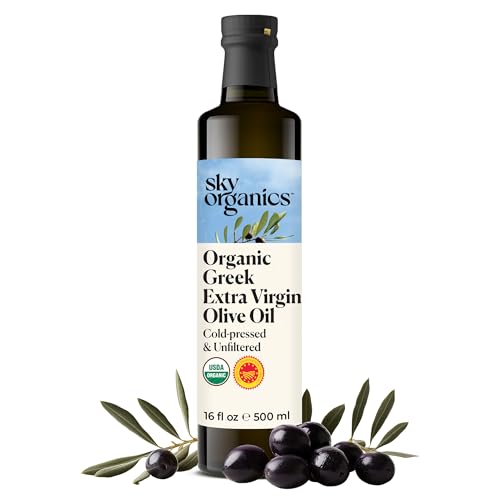
A dark-glass bottle makes more sense here than decorative packaging, since light can gradually degrade olive oil and diminish its fresh character. This Greek oil is unrefined and extra virgin, with a delicate profile suited to salads, marinades, and moderate cooking temperatures. I favor this pick for small kitchens and cooks who value a clearly identified origin.
Compared with the later Colavita blends, Sky Organics offers a narrower Greek identity and a smaller 16.9-fl-oz format. That bottle size may be inconvenient for frequent cooking, yet it can reduce the chance of leaving half a bottle sitting around too long. The listed moderate-to-high smoke point also makes it more flexible than a strictly finishing oil.
Useful Touches
- Dark glass helps shield the oil from light during pantry storage.
- The Greek origin provides a clear alternative to blended oils.
- Its delicate character works well in dressings without overwhelming greens.
- The 16.9-fl-oz bottle suits occasional cooks and smaller households.
Small Caveats
- The smaller bottle needs more frequent replacement for daily cooks.
- Storage away from heat and light remains important despite the protective bottle.
Key Attributes
Made For
This bottle best suits salad-focused cooks and smaller households seeking Greek-sourced extra virgin olive oil.
Consider Something Else When
High-volume cooks may prefer LA ESPAÑOLA First Cold Pressed Olive Oil 68 fl oz for its larger format.
Medium flavor gives this oil a useful middle ground for cooks who find delicate extra virgin oils too subtle and robust oils too assertive. It fits everyday roasting, sautéing, and pantry recipes where olive flavor should support the dish rather than dominate it. The straightforward 16.9-fl-oz bottle also suits a first home kitchen.
The source information does not establish a single origin or extra-virgin status, so I would not treat it as a direct match for shoppers specifically seeking estate-bottled oil. That distinction matters, but the option remains practical for households that prioritize a familiar profile and simple cooking use over provenance details.
Advantages To Know
- Medium flavor works across roasted vegetables, pasta, and sautéed dishes.
- The single 16.9-fl-oz format is easy to store and manage.
- Its neutral-middle profile can work in recipes with several strong seasonings.
Honest Caveats
- Single-origin provenance is not established in the supplied information.
- Extra-virgin status is also not established, so origin-focused cooks may prefer another bottle.
- Packaging may vary because of a brand transition, which may matter for shelf presentation.
Quick Facts
Right Fit For
This bottle suits everyday cooks who want a flexible oil for roasting and sautéing without a strong origin requirement.
Look Elsewhere When
Cooks prioritizing provenance and extra-virgin credentials will find Sky Organics Organic Extra Virgin Olive Oil Greece more informative.
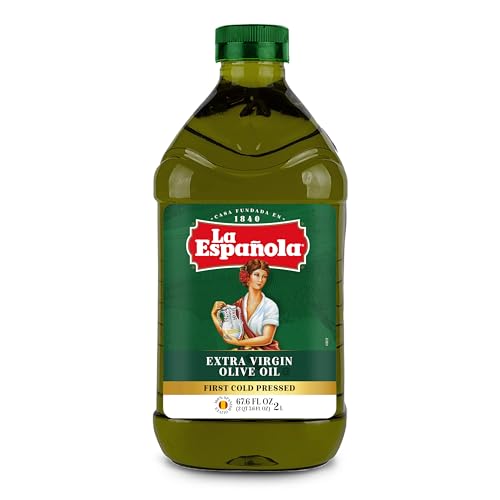
First cold pressed describes an extraction method in which mechanical pressing occurs without heat, preserving a fresher olive character than many refined oils. LA ESPAÑOLA pairs that process with a robust flavor and a 68-fl-oz bottle, making it a practical choice for households that cook with oil most days.
That volume supports frequent salads, roasted vegetables, and family meals, though the larger format needs a cool, dark pantry. Compared with Sky Organics, this option trades the compact Greek presentation for greater capacity and a fuller taste. The source does not identify a single growing region, so provenance-focused cooks should temper their expectations.
Why It Works Well
- The 68-fl-oz bottle reduces replacement frequency for frequent cooks.
- Cold pressing supports a fresher, more noticeable flavor profile.
- Robust character works well with bread, vegetables, and Mediterranean dishes.
- The extra-virgin format is versatile across raw and cooked applications.
Practical Considerations
- A large bottle may be difficult to finish before its flavor declines.
- The listing does not establish a single-country or single-estate source.
- The bolder profile may be less suitable for very delicate dressings.
Who Will Love This
This oil suits busy households that value a generous bottle and robust flavor for frequent everyday meals.
A Better Fit Elsewhere
Colavita Premium Italian Olive Oil 68 fl oz is a stronger fit for cooks who specifically prefer Italian provenance.
For a kitchen that uses olive oil for nearly everything, a smooth blend can be easier to manage than several highly specialized bottles. This Colavita oil uses Italian olives and a first-cold-press process, with a balanced flavor intended for daily salads, cooking, and finishing. The 68-fl-oz title format makes it especially relevant to frequent cooks.
Unlike the more emphatically robust LA ESPAÑOLA option, this bottle appears designed for broader compatibility with everyday food. The source describes an Italian blend, which means it does not meet the narrowest interpretation of single-sourced oil. Still, its balance and volume make it sensible for people who value versatility over estate-level provenance.
What Stands Out
- The smooth, balanced profile suits vegetables, pasta, salads, and grilled foods.
- Cold pressing supports a more natural tasting experience.
- The large format supports regular cooking without frequent repurchasing.
- Italian sourcing gives the blend a recognizable regional identity.
Points To Note
- Italian blend labeling means it is not a strict single-origin choice.
- The 68-fl-oz size requires adequate pantry storage and regular use.
- Users seeking pronounced peppery notes may prefer a bolder oil.
Feature Facts
Built With In Mind
This bottle suits everyday cooks who want one smooth oil for salads, roasting, and sautéing.
Another Choice May Suit
Colavita Mediterranean Extra Virgin Olive Oil 34 Fl Oz offers a similar all-purpose role with a broader regional blend and smaller bottle.
This blend is built for cooks who enjoy a fuller oil but do not need every bottle to come from one estate. It draws olives from Italy, Greece, Spain, Tunisia, Turkey, and Morocco, creating a broad Mediterranean identity. The 34-fl-oz size is a manageable middle ground between a small finishing bottle and a two-liter jug.
Its fruit-forward bitterness and almond finish should pair naturally with roasted vegetables, hard cheeses, dressings, and dipping. Compared with the smoother Colavita First Cold Pressed Olive Oil 68 Fl Oz, this option brings more regional complexity and a slightly more assertive profile. It is a blend, however, so shoppers focused narrowly on single-origin traceability may choose differently.
The Helpful Details
- Six-country sourcing creates a distinctive Mediterranean blend.
- The full-bodied profile gives dressings and dips more presence.
- The 34-fl-oz container balances capacity and manageable storage.
- OU kosher status adds useful dietary information.
Possible Compromises
- The blend does not satisfy a strict single-estate requirement.
- Its fuller taste can overpower very mild ingredients.
- Storage should remain cool and dark to protect the oil.
The Right Fit
This bottle suits home cooks who prefer a flavorful, full-bodied oil for Mediterranean-inspired dishes and dipping.
Where Another Pick Shines
Cooks wanting a single Greek identity will find Sky Organics Organic Extra Virgin Olive Oil Greece more focused.
A 68-fl-oz jug makes sense for a household that finishes vegetables, salads, fish, and meats regularly. This Colavita oil is presented as entirely Italian, with a fruity aroma and a bitter, peppery finish that works particularly well as a finishing oil. The large format makes it more useful for regular cooking than for occasional tasting.
Compared with the mixed-source Colavita Mediterranean blend, this bottle offers a clearer Italian identity and a more defined flavor story. Its jug format may be less elegant than glass packaging, and the volume demands consistent use. Even so, it is a logical fit for families who want substantial capacity without moving to a lighter, higher-heat oil.
Positive Points
- Italian sourcing creates a clear regional identity.
- The fruity, peppery profile suits finishing over vegetables, cheese, fish, and meat.
- The 68-fl-oz jug supports frequent household use.
- Cold pressing preserves a more pronounced olive character.
Less-Strong Areas
- The large jug needs a cool, dark storage spot.
- A plastic container may be less protective than dark glass.
- The flavor may be too assertive for some salad dressings.
The Numbers That Matter
Whose Shelf It Belongs On
This jug belongs in large households that regularly use olive oil for finishing and Mediterranean cooking.
Reach For A Different Pick When
Small households may prefer Colavita Mediterranean Extra Virgin Olive Oil 34 Fl Oz for its shorter storage commitment.
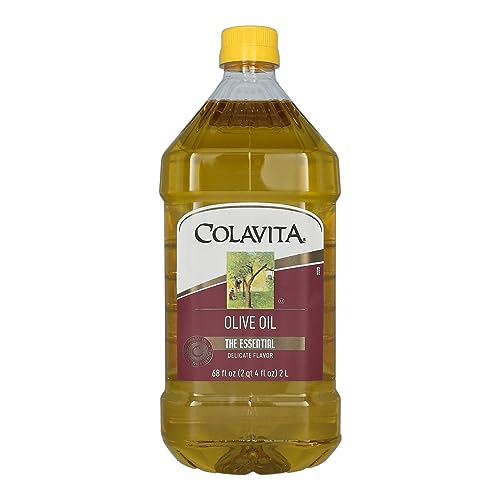
High-heat cooking calls for an oil whose flavor does not overpower the food. This Colavita jug presents a light, buttery taste and a listed smoke point of 428°F, making it a practical option for sautéing, frying, and baking. The two-liter plastic container also keeps replenishment simple for a high-use kitchen.
This is the least aligned with a strict extra-virgin, single-origin search, and I would not select it for a finishing oil. Its advantage is functional: the lighter profile and high smoke point suit heat-driven cooking where a fruity or peppery oil might dominate. Compared with Colavita Premium Italian Olive Oil 68 fl oz, the trade-off is clearly utility over origin and tasting detail.
A Few Highlights
- The light taste works well in frying and baking applications.
- A 428°F listed smoke point supports higher-heat cooking.
- The two-liter size suits restaurants, large households, and frequent meal prep.
Trade-Offs To Consider
- The light profile is less suitable for salads and finishing dishes.
- Single-origin information is not established in the supplied details.
- Plastic storage requires a cool, dark place away from prolonged heat.
Made For
This jug suits cooks who need a large, light-flavored oil for frying, sautéing, and baking rather than tasting.
Skip It When
Cooks making dressings and finishing dishes will get more character from Colavita Mediterranean Extra Virgin Olive Oil 34 Fl Oz.
Morocco Gold is the most technically distinctive bottle here, using 100% Picholine Marocaine olives and listing polyphenol content at 606 mg/kg. Polyphenols are naturally occurring compounds found in olive fruit and oil, and the stated measurement gives this bottle a measurable identity. The 500-ml format suits tasting, finishing, and smaller households.
Compared with the broad Mediterranean blend, this is a single-variety Moroccan oil with a more specific story. Its stated shelf life of up to four years makes storage less pressing than it is for fresh-bottled oils, though heat and light should still be avoided. Because the bottle is smaller and specialty-focused, I see it as a tasting or finishing option rather than an automatic high-heat choice.
Features That Help
- The 606 mg/kg polyphenol figure provides a clear technical distinction.
- Picholine Marocaine olives give the oil a specific single-variety identity.
- The 500-ml bottle works well for tasting and finishing.
- Its stated shelf life reduces pressure to use it immediately.
Where It Is Less Suited
- The smaller volume is less convenient for heavy daily frying.
- It does not provide the large-format convenience of the Colavita jugs.
- Specialty positioning may not suit cooks seeking the simplest pantry option.
Core Details
Best Suited To
This oil suits adventurous cooks who value single-variety character and a stated polyphenol measurement.
Not Your Match When
Large households focused on frying will find Colavita Olive Oil 2Lt Plastic Jug more practical for daily high-heat use.
Choosing Olive Oil Around the Way You Cook
“Extra virgin” describes olive oil made through mechanical processes at an early production stage, without chemical refining. “Cold pressed” refers to pressing without heat, while “single sourced” means the olives come from one geographic source. Those terms are not interchangeable, and several bottles in this list are blends or general olive oils rather than strict single-origin selections.
Match the Flavor to the Dish
A delicate oil like Sky Organics works nicely with salads, greens, marinades, and lightly cooked vegetables. Colavita Premium Italian Olive Oil carries more fruit and pepperiness, making it better suited to finishing roasted vegetables, cheese, fish, and meat. Colavita Olive Oil 2Lt Plastic Jug takes the opposite direction, with a lighter taste and a higher listed smoke point for frying and baking.
Choose the Bottle Size Carefully
A 16.9-fl-oz bottle may be sensible for a household that cooks occasionally, while a 68-fl-oz or two-liter container suits frequent use. Large jugs need enough cabinet space and a cool, dark location. Owners commonly report that oversized bottles sit longer in the pantry, so buying for actual weekly consumption matters more than maximum volume.
Check Origin Language Closely
A country name gives useful context but does not always prove that every olive came from one farm or estate. Morocco Gold identifies a specific Moroccan olive variety, Sky Organics identifies Greece, and several Colavita options use blended sourcing. Shoppers who care about traceability should read the label closely rather than treating every extra-virgin bottle as single-estate.
Key Choices Across These Olive Oils
Common Shopping Slip Ups
A common mistake is treating extra virgin, cold pressed, and single sourced as interchangeable labels. Another is choosing a huge jug for a small kitchen without considering heat, light, and likely consumption. The practical approach is to match the bottle to cooking frequency, then read the origin and processing language.
What The Higher Tier Buys
Premium pricing may reflect harvest timing, olive variety, origin traceability, extraction method, packaging, or a more distinctive flavor profile. Morocco Gold’s stated polyphenol level and Picholine Marocaine variety illustrate that added specification, while premium Italian sourcing gives Colavita a clearer regional story. Higher cost is most useful when flavor and provenance matter to the cook, not simply because a bottle contains oil.
Frequently Asked Questions
What is single sourced olive oil?
Single sourced olive oil comes from one defined geographic source, which may be a country, estate, or cooperative. The term does not necessarily mean every olive comes from one individual tree.
Is extra virgin olive oil always single sourced?
No. Extra virgin describes production quality, while single sourcing describes where the olives came from. An extra-virgin oil can still combine olives from several regions or estates.
Which bottle is best for salad dressings?
Sky Organics Organic Extra Virgin Olive Oil Greece is a sensible light-flavor choice for salads and marinades. Colavita Premium Italian Olive Oil 68 fl oz offers a bolder finishing profile.
Which option is better for frying?
Colavita Olive Oil 2Lt Plastic Jug is designed around a light taste and a listed 428°F smoke point. That makes it more functional for high-heat cooking than the smaller extra-virgin options.
How should I store olive oil?
Keep the bottle sealed, cool, and away from light. Dark glass helps, but plastic jugs and open bottles still benefit from a dark cabinet or other protected storage area.
Final Verdict
The most useful choice depends on the cooking routine. Sky Organics offers a clear Greek identity, Colavita provides several practical sizes and flavor directions, and Morocco Gold adds a distinctive single-variety profile. For shoppers seeking an inexpensive everyday bottle, I’d start with the medium or large formats; for provenance and tasting, I’d narrow the list to the clearly identified options.