

A dependable balsamic adds sweetness, acidity, and depth to food without demanding complicated technique. I’ve focused on Modena vinegars suited to salads, roasted vegetables, grilled meats, cheese plates, finishing dishes, and gift assortments, with special attention to density, barrel aging, ingredients, bottle design, and practical serving formats. The honest difference lies in how each option handles a pan sauce, a green salad, or a final drizzle.
A Closer Look At The Lineup

Blazing Bella Barrel Aged Balsamic Vinegar 16.9 fl oz

Blazing Bella Chef’s Balsamic and Olive Oil Set

Due Vittorie Oro Gold Balsamic Vinegar 8.45 fl oz

La Secchia Three Stars Balsamic 250 ml

Cento Italian Balsamic Glaze 13.8 oz

Colavita Balsamic Vinegar of Modena 17 oz
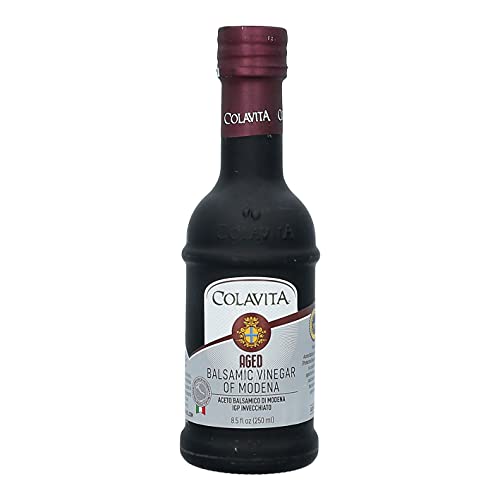
COLAVITA Aged Balsamic Vinegar 8.5 oz

Blazing Bella Fig Balsamic Vinegar 16.9 fl oz
Taking A Closer Look At The Options
For a single bottle that must handle salad dressings, roasted vegetables, and pan reductions, Blazing Bella gives me the broadest all-round case. Barrel aging in Modena points toward a rounder character, while the stated body and natural sweetness should suit cooks who find sharper vinegars overpowering.
The 16.9 fl oz format looks practical in a frequently used kitchen, though daily drizzleing may empty it faster than a finishing bottle. Compared with the inflected Blazing Bella Fig Balsamic Vinegar, this traditional style offers more control over dishes that need vinegar rather than fruit.
What It Does Well
- Wood-barrel aging supports a deeper flavor suited to reductions and roasted dishes.
- The large bottle reduces refills during busy meal preparation.
- Natural sweetness complements greens, strawberries, and aged cheese.
- Traditional balsamic flavor avoids the overt fruitiness of the fig version.
Things To Consider
- Heavy finishing use may consume the bottle quickly.
- It may be too rounded for dressings that call for pronounced acidity.
- Keep the cap clean to prevent residue around the pouring opening.
Quick Facts
Made For
This bottle fits home cooks who want one traditional balsamic for dressings, vegetables, cheese, and cooked dishes.
Where A Sibling Pick Shines
Blazing Bella Chef’s Balsamic and Olive Oil Set suits hosts who want several flavor profiles in small bottles.
This set serves a different purpose from the straight Blazing Bella barrel-aged bottle: comparison. Five 100 ml containers include barrel-aged balsamic, fig and strawberry vinegars, plus lemon and garlic olive oils, giving home cooks a compact path through sweet, savory, citrusy, and pungent profiles.
It works especially well for a casual tasting at the table or a weekend salad project. The small bottles reduce open-shelf clutter, although one pourer in constant use may not cover regular daily cooking as neatly as the larger Blazing Bella bottle.
Real Benefits
- Five distinct ingredients make side-by-side tasting practical.
- Fig and strawberry options suit fruit, greens, and mild cheeses.
- Lemon and garlic oils cover dressings, grilled vegetables, and savory plates.
- Small bottles simplify an assortment for hosting or gifting.
Practical Considerations
- Multiple partly used bottles require more storage and more frequent opening.
- The collection may be unnecessary for a single-vinegar pantry.
- Wipe fruit-infused openings carefully to keep sticky residue off the cap.
Feature Snapshot
Who Will Love This
Curious home cooks, salad enthusiasts, and casual hosts benefit most from the range of coordinated flavors.
A Better Fit Elsewhere
Blazing Bella Barrel Aged Balsamic Vinegar better fits a basic pantry needing one dependable bottle.
Due Vittorie puts presentation first, with a glass decanter and built-in pourer that suit a dining table set for cheese, fruit, and plated salads. The source also identifies the vinegar as aged and gift-oriented, making the container part of the experience rather than simple pantry packaging.
That design makes it more deliberate around presentation than Blazing Bella Barrel Aged Balsamic Vinegar. The 8.45 fl oz size seems sensible for finishing and gifting, though households that deglaze pans regularly may prefer the larger Colavita bottle.
Where It Excels
- The decanter adds visual interest to a table setting.
- A built-in pourer supports measured finishing over meat, cheese, and fruit.
- The compact volume suits serving rather than bulk pantry use.
- The listed aged profile offers an alternative to basic cooking vinegar.
Small Caveats
- Decorative glass needs careful storage and handling.
- The smaller volume may run low with frequent cooking.
- Decanter shape can retain traces of syrupy balsamic, so prompt rinsing matters.
Right Fit For
People building a formal cheese course or wanting a bottle that doubles as a table ornament will appreciate this format.
Consider Something Else When
La Secchia Three Stars Balsamic better fits cooks prioritizing specific barrel woods and medium density.
La Secchia brings the most specific barrel program to this group, using 12 cherry and mulberry barrels with stated capacities from 20 to 60 liters. Its medium density indicates a texture substantial enough to register in a dressing or plate, but lighter than a syrupy glaze.
That middle position makes it useful for frittatas, risotto, seafood, and composed salads. Compared with Colavita Balsamic Vinegar of Modena, La Secchia places more emphasis on wood variety and pairing flexibility, while the 250 ml format favors finishing over constant cooking.
Strengths Worth Knowing
- Cherry and mulberry woods provide a distinctive aging specification.
- Medium density should cling well without automatically glazing food.
- The stated profile supports eggs, seafood, grains, and salads.
- A cork pourer suits measured table service.
Points To Note
- The 250 ml bottle is modest for heavy pantry use.
- Delicate pairings may suit it better than forceful reductions.
- Owners should clean the cork pourer periodically because dark vinegar can collect around its seams.
The Details
Built With In Mind
Cooks preparing seafood, eggs, risotto, or refined salads will value the detailed barrel and density profile.
Look Elsewhere When
Cento Italian Balsamic Glaze better fits quick plating that needs a sweeter, thicker stream.
Cento is less of a straight pouring vinegar and more of a finishing glaze made from Modena balsamic. Its thicker application makes it suited to roasted vegetables, meats, fruit, cheese plates, and desserts, where a small stream can add visible sweetness and acidity.
The precision spout offers better portion control than a wide-neck bottle, which matters in a busy kitchen. Compared with La Secchia Three Stars Balsamic, Cento favors speed and rich coverage; the trade-off is that its glaze format may overpower a dressing that needs lighter balance.
The Value In It
- The concentrated texture is useful for quick finishing.
- A spout helps control ribbons and small drizzles.
- One bottle works across savory plates, fruit, cheese, and desserts.
- Its Modena IGP base gives shoppers a clear origin specification.
Honest Caveats
- The glaze is too specialized to replace every drinking or cooking vinegar.
- Residue can form around the spout and requires regular wiping.
- Large quantities may overwhelm delicately dressed greens.
The Right Fit
Busy home cooks who plate vegetables, meat, fruit, or desserts benefit from a controlled finishing stream.
Another Choice May Suit
Blazing Bella Fig Balsamic Vinegar better fits salads and cheese that need fruit character.
Colavita is the most practical bottle for frequent cooking among the conventional vinegars here. Its 17 oz capacity suits beans, soups, meat sauces, and repeated pan deglazing, while the stated 6% acidity and wooden-cask maturation give cooks clearer information than an unquantified sweet drizzle.
Deglazing is deglazing, or using liquid to dissolve browned flavor from a pan, and this bottle is positioned for that job. Unlike the compact Due Vittorie decanter or the smaller aged Colavita size, it feels less precious and more ready for repeated kitchen work.
Key Advantages
- The large format supports regular cooking rather than occasional finishing.
- A stated 6% acidity helps with sauce and seasoning decisions.
- Wooden-cask aging supports a more developed sweet-acid profile.
- It works for beans, soups, and meat-based pan sauces.
Practical Considerations
- The 17 oz bottle takes more shelf space than finishing formats.
- A bright, acidic finish may not suit every creamy reduction.
- Secure the cap after use because cooking use can leave drips around the neck.
Core Details
Whose Shelf It Belongs On
Frequent cooks making soups, beans, sauces, and pan reductions will get more value from the larger bottle.
Swap It Out When
COLAVITA Aged Balsamic Vinegar 8.5 oz better fits a tasting setup or limited storage space.
COLAVITA Aged Balsamic Vinegar takes the opposite storage approach from the 17 oz version: a smaller 8.5 oz bottle that is easier to place near a dining table or reserve for finishing. The sparse source details make flavor expectations less specific, so the format is the clearest advantage.
That compactness may matter in an apartment kitchen, a tasting collection, or a household that uses balsamic sparingly. Compared with Due Vittorie Oro Gold, it appears more functional; compared with the larger Colavita bottle, it may become awkward for frequent deglazing.
What Makes Sense
- The compact bottle takes up less pantry space.
- Aged balsamic offers a recognizable style without a large commitment.
- Small format suits finishing small salads and individual plates.
Small Limitations
- The source provides little detailed information about density or aging.
- Frequent sauce work may exhaust the volume quickly.
- Repeated opening of a partially used bottle calls for careful resealing and storage.
Best Suited To
Compact kitchens, tasting arrangements, and occasional salad finishers gain the most from this bottle size.
Reach For A Different Pick When
Colavita Balsamic Vinegar of Modena 17 oz better fits households that deglaze pans weekly.
Fig infusion separates this bottle from the traditional Blazing Bella option by adding a fruit profile suited to greens, vegetables, and cheese. The source describes a thick, naturally sweet finish built on Modena balsamic, which should feel rounder and less austere than straight vinegar.
That makes it useful for composed salads, roasted squash, soft cheese, and fruit plates, but less neutral for a sharply seasoned pan sauce. Compared with Cento Italian Balsamic Glaze, it may feel more naturally fruity; compared with the five-piece Blazing Bella set, it offers one larger, simpler pantry option.
What Earns Its Place
- Fig adds sweetness suited to salads and fresh fruit.
- The stated thickness can provide visible body in a dressing.
- Barrel-aged balsamic creates a traditional base beneath the infusion.
- The 16.9 fl oz format supports regular finishing use.
Less-Strong Areas
- Fruit flavor may be prominent in delicately savory dishes.
- Heavy use could be strong for people who prefer austere balsamic.
- Clean the bottle neck promptly because sweet residue can leave a sticky ring.
Feature Overview
Who Should Grab It
Salad makers, cheese enthusiasts, and cooks finishing vegetables or fruit will get the most from its fig profile.
Skip It When
La Secchia Three Stars Balsamic better fits savory dishes that need a traditional medium-density style.
Choosing Balsamic by Density, Aging, and Use
Density Changes the Role
Density describes how much body and concentrated flavor a vinegar carries. A medium or thick option works well for reductions and plates, while a lighter choice may mix more easily into dressing bases. Cento Italian Balsamic Glaze leans toward finishing, while La Secchia Three Stars Balsamic occupies the middle ground.
Barrel Details Reveal Production Choices
Wood aging contributes flavor through gradual interaction with the barrel material. La Secchia names cherry and mulberry barrels, Blazing Bella identifies wooden-barrel aging, and Colavita states wooden-cask maturation. Specific wood information helps distinguish a bottle, although it cannot predict personal flavor preference by itself.
Match the Vinegar to the Dish
Traditional options suit soups, beans, deglazing, meat, vegetables, and general salad dressings. Fig and strawberry profiles lean toward produce and cheese, while lemon and garlic olive oils create opportunities for savory salads. Dense glazes also reward restraint, as a short stream can carry more flavor than a full pour.
Consider Bottle Fit Before Flavor
A large bottle suits frequent cooking, a small bottle supports occasional finishing, and a decanter favors table presentation. Shape also affects care: glass containers need cautious handling, cork pourers can collect residue, and narrow spouts should be wiped after sticky glazes. Shelf space and serving frequency matter as much as bottle capacity.
Avoiding Common Balsamic Mistakes
Mistakes Worth Dodging
Choosing by bottle appearance alone can hide an unsuitable format. Match density to the dish, check serving volume, and consider whether fruit or added ingredients suit the food. A decorative decanter may work beautifully for finishing while becoming inconvenient in a busy cooking routine.
What Separates Premium From Basic
A higher tier may add barrel specificity, density control, a fitted pourer, or a concentrated glaze. Those details help most when precision matters, such as plating fish, building a cheese course, or reducing a pan sauce. For basic salad dressing, a sound traditional balsamic may be enough.
Frequently Asked Questions
Is Modena balsamic automatically sweet?
No. Modena vinegars vary by aging method, density, and formulation. Traditional products tend to show developed sweetness and acidity, while fruit infusions add another flavor layer.
Which bottle works best for salad dressing?
Blazing Bella Barrel Aged Balsamic Vinegar offers the most flexible traditional format here. Fig varieties bring sweetness, while Colavita’s larger bottle provides greater capacity for frequent mixing.
Is balsamic glaze the same as drinking vinegar?
A glaze is generally thicker and intended as a concentrated finish. Cento Italian Balsamic Glaze works especially well over roasted vegetables, fruit, cheese, meat, and desserts.
What does medium density mean?
Medium density indicates more body and concentration than a thin dressing vinegar without necessarily reaching glaze thickness. It can help flavor cling to ingredients in La Secchia Three Stars Balsamic.
Which option is easiest to store?
The compact COLAVITA Aged Balsamic Vinegar 8.5 oz takes up the least space. A larger bottle is more practical for frequent cooking, while glass decanters and narrow glaze spouts require more attentive handling.
Final Verdict
My broadest pantry choice is Blazing Bella Barrel Aged Balsamic Vinegar, while Cento Italian Balsamic Glaze handles the quickest finishing work. La Secchia rewards cooks interested in barrel details, Due Vittorie brings table-worthy design, and Blazing Bella’s set makes side-by-side tasting easy. The right bottle simply meets the dish, the pantry space, and the amount of control I want at the table.