

Choosing an olive oil for drinking goes beyond a green bottle. A good bottle should taste vivid enough to use by the spoonful, yet remain balanced enough for bread, salads, and daily cooking. I considered fruitiness, bitterness, harvest timing, oil composition, container size, and the role each option plays in a busy kitchen.
For a small tasting routine, a peppery Sicilian oil may be more revealing than a mild blend. For frequent household use, a larger tin or bottle can be more practical, while a delicate reserve oil works best with simple bread and fresh ingredients.
The Main Contenders
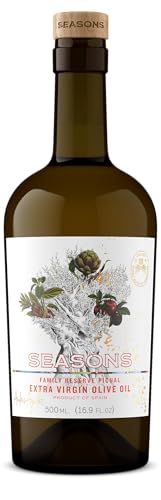
Seasons Family Reserve Picual Extra Virgin Olive Oil 500ml

Entimio Ardente Organic Italian Extra Virgin Olive Oil 8.5 fl oz

Al’Ard Palestinian Cold Pressed Extra Virgin Olive Oil 750ml

Atlas Organic Moroccan Extra Virgin Olive Oil 1 L

Atlas Organic Moroccan Extra Virgin Olive Oil 500ml

Colavita First Cold Pressed Extra Virgin Olive Oil 68 fl oz

Colavita Mediterranean Extra Virgin Olive Oil 1 L
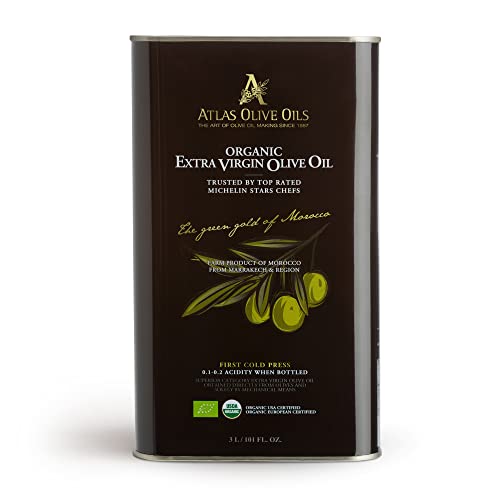
Atlas Organic Moroccan Extra Virgin Olive Oil 3 L Tin
Why These Options Stand Out
Seasons Family Reserve Picual brings a fruit-forward Spanish character to the table, especially on toast, tomatoes, grilled fish, and tender greens. The 500ml bottle is compact enough for a regular tasting habit, though the flavor may be too expressive for someone wanting a nearly neutral cooking oil.
Compared with the larger Colavita bottles later in the list, this is a more concentrated tasting experience. In a busy kitchen, its fig, green apple, mint, and pepper profile adds character without requiring a complicated preparation. I find it especially useful for finishing dishes, while the trade-off is a smaller pantry footprint.
Why It Works Well
- Fruit and green apple notes make it engaging by the spoonful.
- Balanced seasoning suits salads, soups, grilled meats, and fish.
- The 500ml size supports tasting without taking up much cabinet space.
- Picual variety gives a recognizable Spanish olive-oil profile.
Things To Consider
- The stated fruitiness may be more pronounced than a neutral everyday oil.
- A 500ml bottle may need replenishing sooner in a high-use kitchen.
- Owners commonly keep such oils away from heat and light, so cool storage matters.
Made For
It suits cooks who enjoy tasting olive oil over bread and want a distinctly fruity option for finishing vegetables, fish, and salads.
Where Another Pick Suits Better
Colavita First Cold Pressed Olive Oil fits households seeking a milder, larger-format bottle for daily cooking and repeated family meals.
Entimio Ardente is built for tasting rather than casual pouring. Its stated polyphenol level, early-harvest profile, and peppery finish give it a more assertive character than Seasons Family Reserve, and the Sicilian origin adds a clear regional identity.
Polyphenols are naturally occurring compounds in olives that contribute to the oil’s antioxidant profile, while early harvest can produce a greener, more peppery taste. The 8.5-ounce format is small, which may limit daily use but helps keep the oil in active rotation for bread, fresh cheese, greens, and tasting flights.
What It Does Well
- The listed polyphenol level of more than 600 mg/kg gives shoppers a defined composition target.
- Tomato, green olive, and artichoke notes suit Mediterranean-style meals.
- A peppery finish adds intensity to bread, cheese, and grilled vegetables.
- The small bottle is convenient for controlled tasting and gift use.
Worth Noting
- The intense finish may be less attractive to cooks who prefer a gentle oil.
- The compact size can run out quickly in a busy household.
- Early-harvest oils are commonly stored sealed and away from warmth to preserve their aroma.
Key Specs
Who Will Love This
This is a strong fit for flavor-focused home cooks who want a small Sicilian oil with a pronounced peppery finish and a clearly stated polyphenol level.
Consider Something Else
Seasons Family Reserve Picual Extra Virgin Olive Oil is easier for daily finishing, while Entimio remains more focused on a vivid tasting experience.
Al’Ard brings a smooth, balanced style to this roundup, with a delicate fruit aroma and thicker texture that can make simple bread feel more substantial. The Palestinian origin gives it a different identity from the Spanish, Sicilian, Italian, and Moroccan oils elsewhere in the list.
Its 750ml format is a practical middle ground between a tasting bottle and a large pantry tin. The source describes a cold-pressed process and acidity below 0.8%, so I would expect a profile that can handle both dressings and warm dishes without tasting especially aggressive. The flavor may be less showy than Entimio, which is precisely why some cooks prefer it.
A Favorable Mix
- Delicate fruit aroma works well with bread and mild cheeses.
- Balanced flavor is compatible with salads, pasta, vegetables, and grilled foods.
- Cold pressing is a useful production detail for shoppers comparing extraction methods.
- 750ml capacity is practical for regular kitchen use.
Small Caveats
- The stated acidity is less precise than Entimio’s listed figure.
- A thicker mouthfeel may not appeal to shoppers who want a very light dressing oil.
- Storage away from heat and sunlight is still important for any opened olive oil.
Best Suited To
It suits everyday cooks seeking a smooth Palestinian oil with enough fruit character for dipping and enough balance for routine meals.
Another Choice May Suit
Atlas Organic Moroccan Extra Virgin Olive Oil may be more practical for households needing a high-volume pantry format.
Atlas Organic 1 L is a practical middle ground for cooks who want more than a tasting bottle but still prefer a manageable container. Moroccan sourcing and a cold-pressed description give the oil a clear identity, while the larger volume suits salad dressings, pasta, vegetables, and regular family meals.
Compared with the 500ml Atlas version, this format reduces the frequency of pantry runs. The source does not provide a detailed tasting note or measured composition, so I would treat the flavor profile as less defined than Entimio’s. For straightforward daily use, capacity and origin are the main reasons to consider it.
Practical Advantages
- One-liter capacity suits frequent cooking and dressing preparation.
- Moroccan origin offers variety for shoppers building a tasting shelf.
- Cold pressing is a relevant production choice for comparing olive oils.
- The bottle size is more approachable than the 3 L tin.
Points To Note
- Specific flavor notes are not supplied in the available information.
- Compared with smaller bottles, a one-liter container can expose more oil to repeated opening.
- Owners commonly transfer or cover large containers carefully to reduce contact with air and light.
Feature Snapshot
The Right Fit
It fits busy home cooks who prioritize a large Moroccan bottle for salads, pasta, and everyday cooking over a highly specific tasting profile.
Look Elsewhere
Entimio Ardente is a better fit for shoppers who want a detailed composition, early-harvest information, and a more pronounced tasting profile.
Atlas Organic 500ml is the compact member of the Atlas size range, and it makes sense for a small kitchen, a single-person pantry, or a controlled tasting setup. Its Moroccan identity and high-polyphenol positioning give it a reason to stand out, even though the available information gives fewer flavor details than the other picks.
Compared with the 1 L Atlas bottle, the smaller size is easier to store and better matched to occasional use. It may be less convenient for daily cooking, but the compact format can encourage finishing the bottle before it becomes a long-term pantry staple. The source’s limited detail makes personal preference especially important.
What Helps Most
- 500ml size fits compact kitchens and limited storage areas.
- Moroccan origin adds variety to a mixed olive-oil collection.
- High-polyphenol positioning is useful for comparison-oriented shoppers.
- The smaller bottle is practical for occasional tasting or light use.
Less Ideal Details
- No detailed tasting notes are provided in the available source information.
- The bottle may be too small for households that use olive oil every day.
- Repeated exposure to air and light can reduce the freshness of any opened bottle.
Whose Shelf It Belongs On
It belongs on a small pantry shelf where storage space matters and the oil will be used for occasional tasting, finishing, or light cooking.
A Better Fit Elsewhere
Al’Ard Palestinian Extra Virgin Olive Oil offers a similar mid-size format with more explicit fruit and acidity details for daily comparison.
Colavita First Cold Pressed is the practical large-bottle choice in this group, built for households that want one dependable oil for several recipes. The 68-ounce format is substantial, yet it is still less cumbersome than a bulk tin, and the described smooth, balanced profile is easy to use with vegetables, pasta, bread, and grilled foods.
Compared with Entimio’s peppery Sicilian character, this oil seems better suited to cooks who want flavor without a sharp edge. “First cold pressed” refers to the initial pressing process and is a useful production distinction, though it does not by itself define the entire flavor experience. The size is the main ownership advantage, while the catch is slower movement through a large bottle.
Strengths Worth Knowing
- Large 68-ounce volume supports frequent household cooking.
- Smooth, balanced flavor works across many everyday dishes.
- First cold pressing gives shoppers a clear production detail.
- The broad use case suits both dressings and warm cooking.
Trade Offs
- The large size offers fewer precise tasting notes than Entimio or Seasons.
- A full bottle may be harder to finish after occasional use.
- Owners commonly keep the container closed and away from the stove or window.
Technical Highlights
Built With In Mind
It suits high-use households and beginner cooks who want a large bottle for salads, pasta, sautéing, and daily bread service.
Reach For A Different Pick
Seasons Family Reserve Picual is a better fit for cooks prioritizing a pronounced fruit aroma over a large, dependable everyday format.
Colavita Mediterranean is the most visibly multi-origin option here, drawing olives from Italy, Greece, Spain, Tunisia, Turkey, and Morocco. That broad blend is likely to produce a more rounded, adaptable profile than a single-estate oil, which matters for households using olive oil across sautéing, roasting, baking, and dipping.
Compared with Colavita First Cold Pressed, this bottle emphasizes a full-bodied texture, light fruit-forward bitterness, and an almond finish. The blend can be appealing on tomatoes, greens, roasted vegetables, and grilled foods, while a shopper seeking a highly specific harvest character may prefer Seasons or Entimio. I find the one-liter format sensible for steady kitchen use.
Features That Help
- Six listed countries create a broad origin profile for comparison.
- Full-bodied texture suits roasting, baking, and dipping.
- Light fruit-forward bitterness adds structure to dressings and vegetables.
- The 1 L bottle reduces refills for regular meal preparation.
Where It May Fall Short
- A multi-origin blend may be less distinctive than a single-estate tasting oil.
- The 1 L format is less convenient for occasional tasting.
- Kept near a stove or window, olive oil can lose aromatic freshness faster.
Made For
It fits home cooks who want one adaptable oil for several cuisines, cooking methods, and family meals.
Where A Sibling Pick Shines
Entimio Ardente is a better fit for shoppers seeking a smaller, more detailed tasting oil with a stronger peppery profile.
Atlas Organic 3 L Tin is built for households that use olive oil often enough to notice refill frequency. Moroccan sourcing and a cold-pressed description are easy to understand, while the large format can suit communal meals, frequent cooking, and anyone tired of replacing smaller bottles.
Compared with the 1 L Atlas option, this tin offers more capacity but demands stronger storage planning. The source provides no detailed flavor or acidity figures, so the case rests on format and production context rather than tasting specifics. A tin may also be less convenient to handle in a small kitchen, where a bottle is easier to pour and store.
Useful Strengths
- Three-liter capacity suits frequent cooking and larger households.
- Moroccan origin adds regional variety to the pantry.
- Cold pressing supplies a clear production detail.
- Large-format storage can reduce the need for frequent replenishment.
Potential Sticking Points
- The large tin is less convenient for a compact kitchen or occasional use.
- No specific tasting notes are supplied in the available information.
- Owners commonly transfer olive oil carefully because heat, light, and air can affect freshness.
Quick Facts
Who Should Grab It
It suits large households and frequent cooks who value capacity, Moroccan origin, and a dependable bulk format more than highly specific tasting details.
Swap It Out
Al’Ard Palestinian Extra Virgin Olive Oil is a better fit for a smaller household wanting a more explicit flavor and acidity profile.
Choosing by Flavor, Format, and Origin
An olive oil for drinking should first be judged by aroma, bitterness, and finish. Fruit, green vegetable, pepper, and nutty notes can suit different preferences, while a balanced profile is easier to use with bread, cheese, and salads. Single-origin oils may offer a more distinct identity, whereas blends can be more adaptable across meals.
Polyphenol content is a useful comparison point for shoppers looking at early-harvest or more antioxidant-focused oils. It describes a measured composition, not a complete flavor judgment, so I pair that number with harvest timing, acidity, and the stated tasting notes. The Entimio listing is especially explicit about these details.
The container format deserves equal attention. Small bottles work well for tasting and specialty use, while one-liter bottles and three-liter tins reduce refills in busy kitchens. The best size is the one that matches the expected pace of use, because older opened oil can lose aroma more quickly.
Key Details Before Adding One to the Pantry
Common Shopping Slip Ups
Choosing solely by bottle size or origin can make shopping more difficult. A single-estate oil may be intensely flavored, while a blend may be easier to use. I would compare the stated tasting notes, harvest details, and acidity before deciding which style fits the intended recipes.
What Separates Premium From Basic
A higher-tier oil may come from an earlier harvest, a defined estate, a small bottle, or a stronger stated composition profile. The premium is easier to justify for tasting and finishing, while a larger blend may be more practical for daily cooking. I would pay for a specific sensory advantage, not simply for an ornate package.
Frequently Asked Questions
Is extra-virgin olive oil good for drinking?
Extra-virgin olive oil can be enjoyed by the spoonful, especially with bread or cheese. The flavor and strength vary by harvest and origin, so tasting different styles is useful.
What does a peppery finish mean?
Pepperiness usually comes from compounds in early-harvest olives and can indicate a more assertive style. It may appeal to cooks who prefer flavor intensity, while some people prefer a milder oil.
What does polyphenol content tell me?
Polyphenols are naturally occurring olive compounds included in many extra-virgin oils. A listed amount can help compare composition, but acidity, harvest timing, and tasting notes still matter.
Should I choose a tin or a bottle?
A tin is practical for frequent use and larger households. A bottle is easier to pour, store, and finish, making it more suitable for small kitchens or occasional tasting.
How should I store olive oil?
I keep opened olive oil sealed, cool, and away from direct light. A dark cupboard is usually more suitable than a shelf beside a stove or window.
Final Verdict
The right extra-virgin olive oil for drinking depends on whether I want a bright tasting experience, a balanced everyday bottle, or a practical pantry format. Entimio Ardente offers the most explicit tasting and composition details, Seasons brings a fruit-forward Spanish finish, and Atlas fills the larger-format needs. A small tasting routine makes the choice clearer than any single label or bottle shape.