
A bottle of extra virgin olive oil can handle a quick salad dressing, a weeknight sauté, or a long, slow drizzle over grilled vegetables. That range makes fancy olive oils feel intimidating because origin, filtration, cultivar, and bottle size can change the experience far more than the color alone suggests. I focus on the attributes that matter in a busy kitchen, including Greek or Italian provenance, unfiltered character, organic sourcing, flavor intensity, and practical pantry fit. My shortlist covers everything from a three-bottle tasting bundle to a 2-liter container for frequent cooking.
The Leading Options At A Glance

Kouzini Triple Olive Oil Bundle
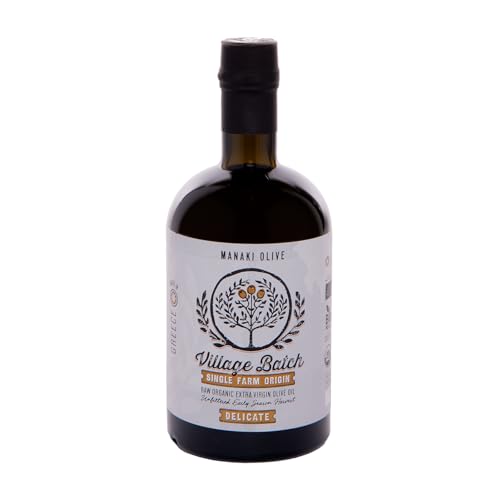
Village Batch Manaki Organic Olive Oil

BASSO 1904 Unfiltered Olive Oil 1 Liter

Paesano Organic Extra Virgin Olive Oil

BASSO 1904 100% Italian Extra Virgin Olive Oil
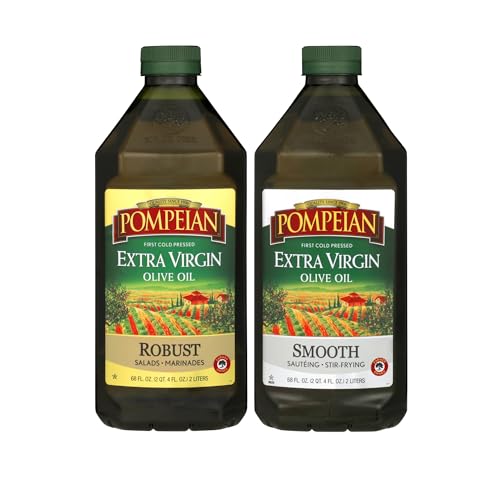
Pompeian Smooth and Full-Bodied Olive Oil Pack

P.J. Kabos High-Phenolic Greek Olive Oil

BASSO 1904 Organic Extra Virgin Olive Oil 2 Liters
The Strengths Of Each Pick
Three bottles turn olive oil shopping into a side-by-side tasting rather than a guess. The Kouzini bundle covers Greek sourcing, an organic option, and an unfiltered style, which gives me more useful variety than a single-bottle purchase with one flavor profile.
For a busy kitchen, the 500ml bottles offer a workable balance between pantry storage and finishing dishes. The dark green glass helps shield the oils from light, while the unfiltered bottle is expected to bring a fruitier, pepperier character. I see this set as especially useful for cooks who want to compare styles before committing to a full-size favorite.
Standout Benefits
- Three styles support direct flavor comparison.
- Cold pressing preserves the intended character.
- Dark glass helps limit light exposure.
- Each 500ml bottle suits daily cooking.
Things To Consider
- The assortment can be excessive for a single-bottle household.
- Unfiltered sediment requires an upright, settled storage position.
Key Specs
Made For Comparing
This bundle suits home cooks who want to understand how origin and filtration change an olive oil.
A Better Fit Elsewhere
Village Batch Manaki Organic Olive Oil offers a simpler choice for one-bottle shopping and a defined single-origin profile.
Single-origin oils appeal to me because they make the olive variety easier to understand. Village Batch uses Manaki olives from Arcadia, Greece, and the listed profile leans buttery, smooth, and gentle rather than aggressively peppery.
Early harvest also matters: olives picked earlier often deliver a fresher, more concentrated sensory profile. In a home kitchen, that should work well for dressings, warm bread, and finishing vegetables, although cooks wanting a forcefully rustic oil may prefer Kouzini’s unfiltered bottle.
Positive Takeaways
- Single-origin Manaki olives offer clear provenance.
- The smooth texture suits dressings and finishing.
- Early harvest supports a fresh, focused profile.
- Unfiltered processing retains more natural character.
Small Caveats
- Natural sediment can settle near the neck during storage.
- The 16.9oz size may run out quickly in a frequent-cooking household.
Feature Snapshot
Who Will Love This
This bottle is a strong match for cooks who favor smooth, single-origin oils over broad tasting sets.
Where Another Pick Shines
Pompeian Smooth and Full-Bodied Olive Oil Pack serves households that need two clearly different profiles in one purchase.
Cloudiness is the first clue that BASSO has kept the oil close to its mill form. Natural olive particles remain after extraction, so a cloudy appearance or settled sediment is normal rather than a sign that the bottle has spoiled.
That makes the 1-liter format appealing for regular salad, vegetable, and grilled-meal preparation. The honest read is that some cooks may prefer a clear, delicate oil on pasta, while others will appreciate the fruitier aroma and fuller mouthfeel expected from an unfiltered bottle.
Strong Points
- Unfiltered particles retain more mill character.
- The one-liter bottle supports frequent use.
- A cloudy appearance signals natural sediment.
- A fuller profile suits salads and vegetables.
Worth Noting
- Sediment can make the pour look uneven near the bottle’s end.
- Cloudiness may disappoint cooks expecting crystal-clear oil.
Quick Facts
Built With In Mind
This bottle suits cooks who intentionally seek an unfiltered oil and large daily-use size.
Another Choice May Suit
Paesano Organic Extra Virgin Olive Oil is a more compact option for a smaller pantry or occasional cooking routine.
The 25-fluid-ounce format is the main event here. Paesano keeps the package modest enough for a compact pantry, which makes practical sense for salad dressings, sautéing, and finishing cooked vegetables.
Fewer flavor details are provided for this bottle, so I would not assign it a specific origin or tasting style without seeing the label closely. That means BASSO 1904 100% Italian Extra Virgin Olive Oil is easier to evaluate from the available information, while Paesano remains a straightforward organic option for everyday meals.
Noteworthy Benefits
- The mid-size bottle fits a smaller pantry.
- Extra virgin olive oil handles several cooking roles.
- Organic sourcing aligns with ingredient-focused shopping.
Details To Watch
- Limited published information narrows flavor comparison.
- Higher-volume kitchens may need a larger refill bottle.
Whose Shelf It Belongs On
Paesano fits small kitchens and everyday cooks who prioritize a manageable bottle over extensive provenance details.
Reach For A Different Pick When
BASSO 1904 Organic Extra Virgin Olive Oil 2 Liters serves high-volume households that prefer a large organic container.
Italian origin gives this bottle a clearer identity than Paesano. BASSO sources its olives from Calabria and Puglia, two regions associated with olive cultivation, then presents a full-bodied style intended for meals that can carry a stronger flavor.
Mechanically extracting the oil below 27°C limits heat exposure during production. In practice, that specification points toward preserving aroma and natural character, although the exact pouring texture may still depend on the dishes and temperature involved.
A Favorable Mix
- Calabria and Puglia provide clear regional sourcing.
- Low-temperature extraction supports aromatic retention.
- The full-bodied profile suits cooked dishes.
- One liter covers regular household use.
Trade Offs
- Its stronger style may overpower a delicate dressing.
- Large-bottle freshness depends on steady use and proper storage.
Right Fit For
This bottle suits Italian-leaning home cooks who want regional sourcing and a more substantial flavor profile.
A Better Fit Elsewhere
Village Batch Manaki Organic Olive Oil is a more direct fit for cooks who prefer a smooth Greek finishing profile.
A two-bottle pack is useful for households that move between light and intense cooking. Pompeian includes a smooth, delicate option and a second bottle with a fuller body, giving me a practical choice for salad dressing, sautéing, and finishing.
Each bottle holds 68 fluid ounces, so this format trades some compactness for less frequent refilling. Compared with the Kouzini bundle, the selection is narrower, but it focuses on two recurring flavor styles rather than origin variations.
Positive Points
- Two bottles cover contrasting flavor styles.
- Large containers reduce refill frequency.
- Smooth oil works well for lighter dishes.
- Full-bodied oil suits stronger preparations.
Practical Considerations
- Two large bottles require more shelf space than smaller formats.
- Repeated opening increases the need for cool, dark storage.
Feature Card
Who Should Grab It
This pack suits mixed households that want one bottle for delicate salads and another for assertive cooked dishes.
Look Elsewhere When
Kouzini Triple Olive Oil Bundle offers more origin and processing variety for a dedicated tasting comparison.
Phenolic content is a measure of compounds naturally present in olive oil, and P.J. Kabos lists 699 mg/kg for this Greek oil. That unusually specific figure gives the bottle a technical identity, even though flavor preferences remain personal.
Organic sourcing, kosher status, and cold extraction add interest for shoppers who keep detailed ingredient standards. The 16.9-ounce size is less suitable for heavy daily cooking than BASSO’s 1-liter options, but it can work well for finishing and tasting.
Where It Excels
- The listed phenolic content is clearly identified.
- Greek origin anchors the product’s identity.
- Organic sourcing suits selective kitchens.
- The smaller bottle supports tasting use.
Less Ideal Details
- The 16.9oz size may disappear quickly with frequent use.
- A technical compound figure does not predict personal flavor preference.
Made For
This bottle is well suited to olive-oil enthusiasts who prioritize phenolic data and Greek sourcing.
Not Your Match When
BASSO 1904 100% Italian Extra Virgin Olive Oil is a more practical choice for a large household oil bottle.
The 2-liter format is built for households that use olive oil often enough to notice refill frequency. BASSO sources organic olives from Spain, Italy, and Greece, creating a broader Mediterranean profile than the single-origin Village Batch bottle.
Cultivars such as Hojiblanca, Coratina, and Koroneiki contribute to the blend, with a listed medium-intensity fruitiness and green character. The large container makes the most sense in a busy kitchen, though smaller households may favor Paesano’s 25-ounce format.
Advantages To Know
- Organic sourcing draws from three regions.
- Several olive cultivars shape the blend.
- The 2-liter size suits frequent cooking.
- Medium intensity works across meal types.
Trade-Offs To Consider
- The large container needs suitable pantry space.
- Open oil loses freshness faster than smaller, single-use bottles.
Core Details
Who It Suits Best
This container suits frequent home cooks with pantry space and a preference for blended Mediterranean oils.
Swap It Out When
Village Batch Manaki Organic Olive Oil better serves a cook seeking one Greek olive variety in a smaller bottle.
What Matters Before Choosing Fancy Olive Oils
Start with the way the oil will be used. Finishing oils benefit from a flavor I can notice in small amounts, while cooking oils need enough character to move through a sauté without disappearing. A bottle that excels over salad greens may not be the only choice for roasted vegetables or pasta.
Provenance helps narrow the field. Greek, Italian, and multi-country blends can offer distinct identities, but origin alone does not determine taste. I also check whether the oil is filtered, unfiltered, cold extracted, or made from a named cultivar. Each term points toward a different production or flavor expectation, not a promise of quality.
Bottle size follows the cooking rhythm. A 16.9-ounce format is useful for tasting and finishing, while 1-liter or 2-liter containers make more sense for daily meals. Large bottles need a cool, dark cabinet and regular use; otherwise, a smaller bottle may retain its opening freshness more conveniently.
Key Considerations Across These Picks
Common Shopping Slip Ups
I would avoid choosing solely by bottle color, origin, or a large container. Small packages are more useful for tasting, and dark glass can protect oil from light without replacing sound storage habits.
What The Higher Tier Buys
Premium pricing may reflect single-origin sourcing, organic farming, named cultivars, or measured phenolic content. Those details add transparency and novelty, but the sensible upgrade is the bottle whose production details match my cooking style.
Frequently Asked Questions
Is Extra Virgin Olive Oil Suitable for Cooking?
Extra virgin olive oil works for sautéing, roasting, dressings, and finishing. The appropriate bottle depends partly on flavor intensity, with stronger profiles fitting cooked dishes and smoother oils serving lighter preparations.
Does Organic Olive Oil Taste Different?
Organic sourcing can reflect farming practices rather than a universal flavor profile. Origin, cultivar, harvest timing, and processing often influence aroma and texture more directly.
What Does Unfiltered Olive Oil Mean?
Unfiltered oil retains natural olive particles after extraction. Cloudiness and sediment are expected, and the oil should be stored upright in a cool, dark place.
Does a Larger Bottle Work Better?
A larger bottle reduces refills for frequent cooks. Smaller bottles are often easier to store and may be more practical for occasional use or tasting.
Should Olive Oil Be Kept in the Refrigerator?
A cool, dark cabinet protects olive oil from heat and light. Refrigeration can cause it to become cloudy, so storage temperature matters more than simply making the bottle cold.
Bottom Line
Fancy olive oils reward attention to origin, filtration, flavor, and container size rather than flashy packaging. I favor Village Batch for a smooth single-origin experience, BASSO for high-volume cooking, Kouzini for comparison, and Pompeian for two complementary styles. The right bottle is simply the one that fits the table and the way I cook.