A single flavored bottle can rescue a plain salad, pasta, or tray of roasted vegetables, but choosing poorly often leaves garlic or other added flavors overpowering the dish. I selected options for weeknight cooking, Mediterranean-style meals, dipping, and larger households, paying close attention to bottle size, olive origin, taste profile, and practical storage needs.
The lineup is broader than strictly flavored oils because several dependable extra virgin options provide a neutral base for finishing, seasoning, and dressings. Colavita Roasted Garlic Extra Virgin Olive Oil is the most direct flavored choice, while the Pompeian pack offers the convenience of keeping two distinct profiles on hand.
The Picks In Brief
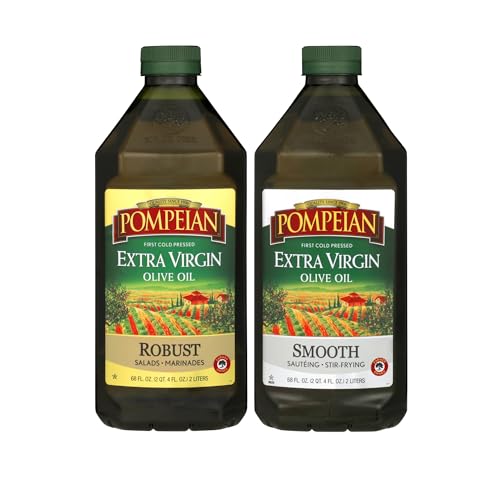
Pompeian Extra Virgin Olive Oil Variety Pack

Atlas Organic Extra Virgin Olive Oil 1 L

Atlas Organic Extra Virgin Olive Oil 750 mL
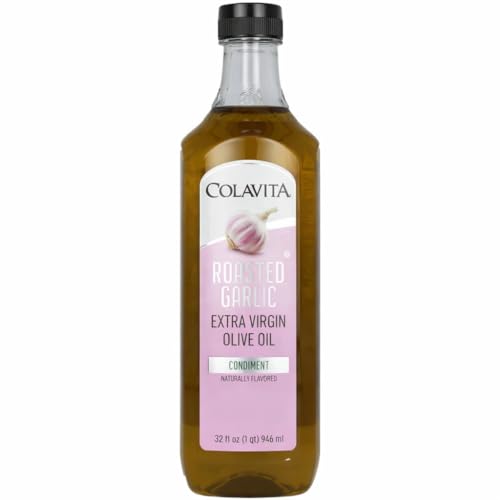
Colavita Roasted Garlic Olive Oil

Colavita First Cold Pressed Olive Oil 68 Fl Oz

Colavita Mediterranean Olive Oil 1 L

Amazon Grocery Extra Virgin Olive Oil, Two 51 Fl Oz Bottles
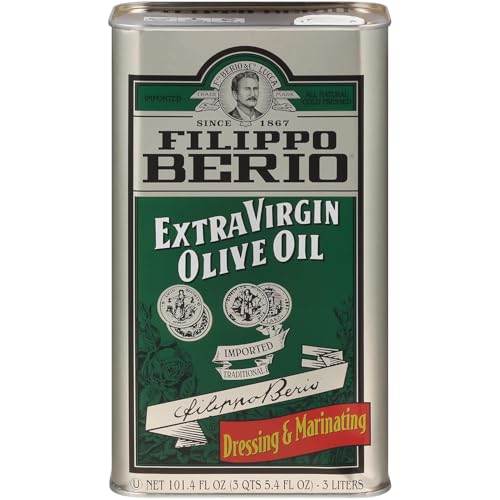
Filippo Berio Cold Pressed Olive Oil Tin
The Details Behind The Selections
Two bottles in one 68-fl-oz-each pack solve the recurring problem of forcing one olive oil profile onto every meal. The smooth option suits salads, vegetables, and lighter finishes, while the robust bottle can handle sautéing and dishes that benefit from more presence.
For a mixed household, that arrangement is more useful than maintaining several half-used bottles. I favor the smaller Atlas 750 mL bottle for limited cabinet space, though, since the Pompeian pack is clearly built for regular cooking and a broad range of recipes.
The Case For It
- Two flavor profiles support delicate and fuller dishes.
- Each 68-fl-oz bottle reduces pantry refills.
- The pair works across sautéing, roasting, and finishing.
Points To Note
- Neither bottle adds a botanical or roasted flavor.
- Two large bottles need a cool, dark storage area away from the stove.
Quick Facts
Made For
Households that want one dependable oil for vegetables, salads, pasta, and pan cooking.
Another Choice May Suit
Colavita Roasted Garlic Olive Oil better serves cooks who specifically want mellow garlic in every pour.
Moroccan sourcing and a one-liter format make this Atlas bottle a practical centerpiece for frequent cooking. The larger volume is better suited to households that use olive oil for roasting, sautéing, marinades, and daily dressings instead of finishing occasional salads.
Compared with Pompeian Extra Virgin Olive Oil Variety Pack, the choice emphasizes a single regional identity rather than contrasting flavor profiles. In my view, that suits cooks who already know which style they prefer and dislike maintaining multiple bottles.
The Practical Payoff
- The one-liter size fits high-volume meal preparation.
- Moroccan provenance gives shoppers a defined point of origin.
- One focused bottle simplifies everyday pantry decisions.
Worth Bearing In Mind
- A one-liter bottle may sit unused in a small household.
- The listed high-polyphenol positioning does not provide a numerical measurement.
- Open olive oil is best kept sealed, cool, and away from heat and light.
Right Fit For
Frequent home cooks who prefer a large Moroccan olive oil for daily savory cooking.
Look Elsewhere When
Atlas Organic Extra Virgin Olive Oil 750 mL fits compact kitchens and lighter consumption better.
The smaller Atlas bottle brings the same Moroccan positioning into a more manageable 750 mL format. That amount is easier to finish before a long bottle loses aroma, particularly for couples, occasional cooks, or anyone with limited cabinet space.
Colavita Extra Virgin Oil First Cold Pressed olive, 68 Fl Oz is the alternative for larger households, while this pick prioritizes a manageable footprint. I would still keep the cap secured between uses, since repeated heat and light can accelerate quality loss.
Advantages To Know
- Smaller volume supports a slower consumption rate.
- Compact size suits limited storage space.
- Moroccan sourcing supports a clear regional choice.
Small Caveats
- High-volume kitchens may replace it more quickly.
- No listed flavor notes reveal how mild or assertive it tastes.
Feature Snapshot
Best Suited To
Couples and moderate cooks who want Moroccan oil without maintaining a large bottle.
A Better Fit Elsewhere
Atlas Organic Extra Virgin Olive Oil 1 L better serves households preparing food for several people daily.
Roasted garlic infusion turns an otherwise neutral oil into a ready-made ingredient for bread, potatoes, pasta, and vegetables. The oil carries smooth, mellow garlic rather than the sharp edge associated with fresh cloves, which makes it easier to use in dressings and finishing.
This is the most genuinely flavored entry in the group, and in most kitchens that distinction matters. The trade-off is flexibility, since cooks seeking a clean olive finish may find the added flavor repetitive across several courses.
Useful Strengths
- Mellow roasted garlic seasons food without separate preparation.
- Works as bread dip oil, dressing base, or pan-seasoning.
- Fits vegetables, pasta, sauces, and grilled meats.
- Reduces the need for chopping garlic for casual meals.
- Offers a more aromatic finish than plain oils
Potential Compromises
- Plain oil may suit cooks making multiple flavor profiles.
- Open oil should remain tightly capped and stored away from heat.
- The bottle volume is not specified in the supplied information.
Key Product Details
Who Will Love This
Garlic-loving home cooks who regularly prepare vegetables, pasta, bread, and grilled foods.
Reach For A Different Pick When
Pompeian Extra Virgin Olive Oil Variety Pack better serves households cooking delicate dishes with separate flavor profiles.
Cold pressing means extracting the olive oil through mechanical pressure rather than a heat-based process. That detail matters for cooks seeking a straightforward finishing oil, and Colavita describes a smooth, balanced profile that should remain adaptable across familiar recipes.
The 68-fl-oz bottle resembles a large pantry staple more than a specialty ingredient. I favor it for busy kitchens, although the Arnold Chicken Italian Extra Virgin Olive Oil 17.6 Oz tin is a stronger pick for long-term storage of a smaller amount.
Good Reasons To Consider
- Balanced flavor works across several cooking methods.
- First cold pressing preserves the oil’s natural character.
- The large bottle supports frequent family meals.
Some Limits To Know
- Two bottles appear in the set.
- Users wanting roasted garlic will find this choice too neutral.
- Keep the container sealed and away from the cooking range.
Whose Shelf It Belongs On
Everyday cooks who want one balanced oil for sautéing, baking, dressing, and finishing.
Another Choice May Suit
Filippo Berio Cold Pressed Olive Oil Tin better serves cooks who prioritize a large olive tin for a single-source pantry stock.
Six countries of olives create a broader blend than a bottle tied to one growing region. Colavita adds a full-bodied, velvety character with light fruit bitterness and an almond finish, giving vegetable roasting, baking, and dressings a more expressive foundation.
Unlike the single-origin Atlas options, this one emphasizes blended consistency. That may matter more to cooks who want a steady flavor across frequent meals than shoppers focused on regional provenance.
What Makes Sense
- Olives come from six Mediterranean countries.
- Full-bodied flavor suits roasted vegetables and meat.
- Velvety texture works in dressings and baking.
- The one-liter size suits frequent cooking.
Where It May Fall Short
- Blended sourcing provides less regional focus than Atlas.
- The profile may feel assertive in a delicate salad.
- Large quantities are less practical for occasional use.
The Details
Built With In Mind
Cooks preparing Mediterranean dishes, roasted vegetables, meats, and bread-based meals.
Where A Sibling Pick Shines
Colavita First Cold Pressed Olive Oil 68 Fl Oz offers a simpler profile for restrained dressings and finishes.
Cold extraction and two 51-fl-oz bottles favor households that use olive oil across salads, marinades, and cooked dishes. Keeping a second bottle in reserve can prevent a larger container from lingering open for months.
Compared with the 68-fl-oz Colavita bottle, this pack trades one large container for two medium ones, which may be easier to divide across household members or use at different rates. Still, the broad grocery framing offers fewer flavor distinctions than the Pompeian variety pack.
Where It Excels
- Two bottles support household sharing.
- Cold extraction suits everyday dressings and marinades.
- Medium bottles are convenient for separate kitchen locations.
Details To Watch
- No origin or tasting notes are provided.
- Two open containers require careful storage and regular use.
- It offers little variety for cooks following a flavored oil.
Who Should Grab It
Large households that value two manageable bottles for frequent salads, marinades, and cooking.
Consider Something Else When
Pompeian Extra Virgin Olive Oil Variety Pack better serves cooks who value two clearly differentiated olive profiles.
A 101.4-ounce tin contains roughly three quarts, making this the largest format in the group. That scale suits restaurants, community kitchens, meal-prep sessions, and households that finish large quantities of vegetables, pasta, or grilled foods.
Unlike Colavita Roasted Garlic Olive Oil, the Filippo Berio tin stays focused on the olive oil itself, described as rich, fresh, fragrant, and well balanced. I wouldn’t expect infusion-driven garlic or herb notes, so the extra volume is the decisive feature.
Positive Takeaways
- The tin holds approximately three quarts.
- Cold pressing preserves the intended olive character.
- Large format supports high-volume cooking.
- Polyphenols provide a defined component focus.
Practical Considerations
- The tin is excessive for a small household.
- No pouring spout or storage design is specified.
- Once opened, the oil requires cool, dark storage.
Quick Technical Notes
The Right Fit
High-volume cooks and shared kitchens that regularly need an extra virgin olive oil.
Not Your Match When
Atlas Organic Extra Virgin Olive Oil 750 mL better suits compact kitchens and moderate consumption.
Choose By Dish, Bottle, and Origin
A flavored oil should complement the ingredient rather than announce itself. Roasted garlic works naturally with bread, potatoes, pasta, and roasted vegetables, while a plain extra virgin oil gives salads, grains, and fish more room. Strong flavors also benefit from smaller finishing portions than a raw or green note.
Bottle size matters just as much as flavor. A one-liter format suits daily cooking, whereas 750 mL is easier for slower consumption. Two medium bottles may also work better for a shared household than one container that remains open for months.
Olive origin helps explain expected character and makes comparisons more meaningful. A single-region Moroccan oil offers a defined identity, while Colavita’s Mediterranean blend draws from six countries for a broader profile. Origin alone doesn’t dictate preference, so storage and recipe fit still deserve attention.
Cold pressing describes mechanical extraction rather than heat-based processing. High-volume cooks may favor Filippo Berio’s three-quart tin, while most families will use a 750 mL to 68-fl-oz bottle before flavor quality begins to decline from repeated air exposure.
Two Details That Shape the Choice
Mistakes Worth Dodging
I avoid choosing olive oil solely by origin or bottle color, since neither guarantees personal flavor preference. I also avoid keeping an oversized tin open in a small kitchen, where slow consumption and repeated handling can make storage inconvenient.
What The Larger Format Buys
A larger tin mainly reduces packaging frequency while providing extra volume for shared cooking. It is worthwhile for high-volume kitchens, but the premium spend is unnecessary when a household cooks lightly and may not open the container often enough.
Frequently Asked Questions
Are Flavored Olive Oils Suitable for Dipping?
Yes, particularly the Colavita Roasted Garlic Olive Oil, which is designed for bread and appetizer dipping. Pair it with foods that complement roasted garlic without overwhelming its flavor.
Which Olive Oil Is Best for Salads?
A smooth or balanced extra virgin oil works well for straightforward salads. Pompeian’s smooth variety or the Colavita First Cold Pressed bottle offers more restraint than heavily infused oils.
Should Olive Oil Be Refrigerated?
Cold, dark storage helps protect freshness, and refrigeration can be useful in a warm kitchen. An airtight container remains important because oxygen, heat, and light accelerate quality loss.
Is Cold Pressed Olive Oil Different?
Cold pressing extracts the oil mechanically without heat-based processing. It helps preserve the olives’ natural aroma and flavor, making the term useful when comparing production methods.
Can Flavored Olive Oil Be Used for Cooking?
Yes, extra virgin olive oil can handle sautéing, roasting, and finishing. A roasted garlic profile is especially useful for vegetables, potatoes, pasta, and grilled meats.
Final Verdict
For a specific roasted garlic flavor, Colavita is the clearest fit. Pompeian offers the most versatile two-bottle setup, Atlas appeals to cooks focused on Moroccan origin, and Filippo Berio serves the highest-volume kitchens. Choose based on recipe, storage capacity, and how quickly the oil will be used.