

High phenolic olive oils appeal to cooks who care about measured antioxidant content as much as flavor. I prioritize documented phenolic or polyphenol levels, olive origin, extraction method, and practical needs such as bottle size or a large pantry jug. This lineup spans Greek organic oil with a stated 699 mg/kg phenolic level, Moroccan cold-pressed oil, balanced Italian blends, and lighter oils for high-heat cooking. The catch is that several entries lack published phenolic measurements, so I treat them as culinary alternatives rather than verified high-phenolic choices.
A Quick View Of The Lineup

PJ KABOS Organic Greek Extra Virgin Olive Oil 699 mg/kg, 16.9 oz

Atlas Organic Extra Virgin Olive Oil, Moroccan, High Polyphenol, 750 mL

Colavita First Cold Pressed Extra Virgin Olive Oil, 68 fl oz

Pompeian Organic Robust Extra Virgin Olive Oil, 16 fl oz

Colavita Mediterranean Extra Virgin Olive Oil Blend, 34 fl oz

Colavita Premium Italian Extra Virgin Olive Oil, 68 fl oz Jug
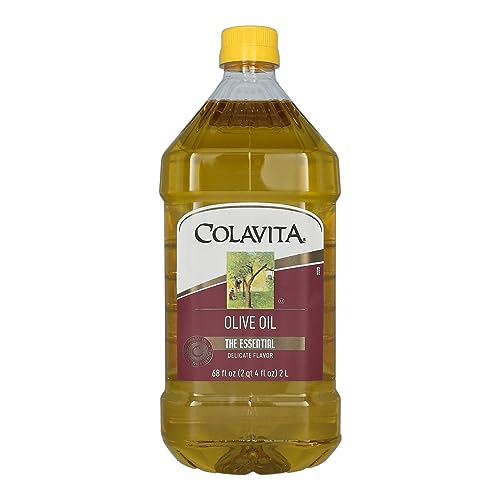
Colavita Light Olive Oil, 68 fl oz Plastic Jug

Colavita Organic Extra Virgin Olive Oil, 68 fl oz
The Strengths Of Each Pick
The stated 699 mg/kg phenolic content gives this Greek oil a clearer edge for my shortlist than entries that merely mention polyphenols. High-performance liquid chromatography, abbreviated HPLC, separates and measures compounds in a sample, so the stated figure has more decision value than an unquantified marketing term. The 16.9-ounce bottle suits a home kitchen that wants a measured option without committing to a large jug.
For daily salads, Greek dishes, or finishing oils, the practical question is whether its robust character suits the food. I see this as the most evidence-led choice in the group, though actual flavor will still depend on the harvest and my own preference. Multiple-bottle options are listed, but the single 16.9-ounce format is the most useful baseline.
Where It Delivers
- States a specific 699 mg/kg phenolic measurement rather than a vague high-content claim.
- Greek origin and USDA organic status appeal to provenance-focused households.
- Works well for dressings, dips, vegetables, and other foods that carry olive oil prominently.
- The single-bottle size limits oxidation risk compared with an oversized container.
Small Caveats
- Owners commonly report that robust oils can taste assertive in delicate dressings.
- The published phenolic figure may not represent every bottle or later harvest.
Feature Snapshot
Made For
Measured-content seekers, Greek olive-oil fans, and cooks finishing salads or vegetables benefit most.
A Different Pick Fits Better
Colavita First Cold Pressed Extra Virgin Olive Oil, 68 fl oz suits households prioritizing volume and a milder everyday profile.
Moroccan origin and a high-polyphenol position make this a credible alternative to PJ KABOS, although the listing does not provide a numerical phenolic result. Polyphenols are naturally occurring antioxidant compounds, but the missing measurement leaves me comparing intent rather than concentration. I would reserve conclusions about exact content for a current label or certificate.
Cold pressing means extracting oil through mechanical pressure without heat, a process that keeps the operation close to the fruit’s natural composition. The 750 mL format is compact enough for a home pantry, and Moroccan olive oil can add regional variety to a collection dominated by Greek and Italian bottles. For a small kitchen, that manageable size may matter more than a large-jug discount.
Useful Touches
- Cold-pressed processing suits cooks who value a minimally handled extraction method.
- Moroccan sourcing adds geographic interest beyond common Italian and Greek options.
- The 750 mL bottle is convenient for regular use and relatively easy to finish before flavor fades.
- Extra virgin classification supports use in dressings, dipping, and finishing.
Details To Watch
- No exact polyphenol or phenolic amount appears in the supplied information.
- The plastic-friendly retail format may be less protective than a dark glass bottle.
Quick Facts
Right Fit For
Moroccan-oil enthusiasts and compact kitchens benefit most from this manageable, cold-pressed option.
Another Choice May Suit
PJ KABOS Organic Greek Extra Virgin Olive Oil 699 mg/kg, 16.9 oz fits cooks who require a published phenolic measurement.
The emphasis shifts from measured phenolics to usability after the first two picks. This Colavita is described as a smooth, balanced extra virgin oil for cooking and baking, with a 68-fl-ounce format that makes sense for frequent use. First cold pressing refers to oil obtained from the initial pressing of the olive paste rather than later extraction passes.
On a weeknight kitchen counter, a mild balance can be easier to manage than PJ KABOS’s robust profile or Atlas’s unspecified polyphenol level. I would not classify this as a verified high-phenolic choice because the supplied data gives no concentration. It earns a place as the practical fallback for households that value consistency, volume, and broad recipe compatibility.
Positive Takeaways
- Smooth, balanced flavor works across salad dressings, sautéing, and baking.
- The large format reduces replenishment for households that use oil several times weekly.
- First cold pressing gives the oil a clear production focus.
- Extra virgin status keeps it appropriate for both cooked and uncooked dishes.
Honest Caveats
- No phenolic or polyphenol measurement is included, so content cannot be compared directly with PJ KABOS.
- Owners of large jugs may find exposure to air and light a concern during slow use.
Who It Suits Best
Busy home cooks and large households benefit most from its balanced flavor and ample supply.
Look Elsewhere
Pompeian Organic Robust Extra Virgin Olive Oil, 16 fl oz better fits cooks seeking a bolder profile and organic option.
Compared with Colavita’s smooth balance, Pompeian is built around a fuller, more forceful taste. That profile makes it useful for sautés, roasted vegetables, and dressings where extra virgin olive oil is a principal flavor rather than a background fat. The robust and smooth variants give households a choice of style, with this review centered on the robust version.
First cold pressing and organic sourcing support its premium everyday positioning. Polyphenols are mentioned, but no number is supplied, so it lacks the direct evidence available from PJ KABOS. In my view, the honest case is culinary: Pompeian may satisfy cooks who want a strong finishing oil, while its 16-ounce size can help limit stale flavor.
Everyday Perks
- Full-bodied flavor stands up to roasting, sautéing, and seasoned vegetables.
- Organic sourcing appeals to households prioritizing agricultural standards.
- First cold pressing provides a clear mechanical extraction method.
- The 16-ounce bottle is practical for smaller kitchens and moderate consumption.
Minor Gripes
- Its stronger taste may overpower mild salad ingredients or delicate sauces.
- The listing names polyphenols without publishing a concentration.
- Frequent opening can reduce freshness in a bottle that is not consumed quickly.
Technical Highlights
Built With In Mind
Cooks who favor robust flavor in roasted vegetables, sautés, and strong dressings will find this format useful.
Where A Sibling Pick Shines
Colavita First Cold Pressed Extra Virgin Olive Oil, 68 fl oz fits cooks wanting a lighter, larger-format alternative.
This blend brings together olives from Italy, Greece, Spain, Tunisia, Turkey, and Morocco, giving the pantry broader geographic character than a single-country bottle. The full-bodied texture, fruit-forward bitterness, and almond finish are intended to work across sautéing, roasting, baking, dressings, and dipping. That versatility is the main reason I keep it in consideration despite the lack of a phenolic figure.
For a home kitchen juggling many recipes, a one-liter bottle can be a sensible middle ground between PJ KABOS’s 16.9-ounce format and Colavita’s 68-ounce jug. I would use it for dishes where flavor can stand up to the body, while using Atlas or PJ KABOS when documented phenolic interest drives the decision. It is a practical bridge rather than a measured antioxidant specialist.
The Value In It
- Six-country sourcing creates a distinctive alternative to a single-region oil.
- The full-bodied texture suits roasting, sautéing, bread dipping, and dressings.
- A 34-ounce container balances pantry capacity with a usable family size.
- The reported fruit-forward bitterness gives finishing oils more definition.
Trade Offs
- No measured phenolic or polyphenol amount is provided.
- The blended origins make single-country comparison less direct.
- Large pantry containers need consistent use to keep the oil fresh.
Feature Overview
Whose Shelf It Belongs On
Home cooks seeking one oil for multiple cooking methods benefit from this broad blend and one-liter format.
Reach For A Different Pick
Colavita Premium Italian Extra Virgin Olive Oil, 68 fl oz Jug fits households wanting a single-country profile and more volume.
The two-liter jug shifts attention toward volume and Italian origin. It is positioned for cooks who use extra virgin olive oil frequently enough to finish roasted vegetables, dress salads, and top seafood or meat regularly. The listed profile combines a fruity aroma with bitter and spicy notes, giving the jug a more directional identity than a neutral cooking oil.
Compared with the Colavita Mediterranean blend, this option narrows provenance to Italy, which can matter to cooks who prefer a clearly defined source. The supplied information does not include a phenolic measurement, so I would not call it a verified high-phenolic replacement for PJ KABOS. In most busy kitchens, the jug format is useful only when consumption is frequent enough to protect freshness.
What Makes Sense
- Italian origin gives households a clear single-country identity.
- The 68-ounce jug supports frequent cooking without constant replenishment.
- Fruity, bitter, and spicy notes suit finishing rather than neutral bulk cooking.
- First cold pressing preserves a straightforward mechanical-origin explanation.
Practical Considerations
- Its size may overwhelm a single cook or small household.
- No polyphenol concentration is supplied for a content-focused comparison.
- Open jugs can lose freshness faster than smaller containers, so storage matters.
The Right Fit
Frequent home cooks who want Italian origin and a large supply benefit from this two-liter jug.
Consider Something Else
Colavita Light Olive Oil, 68 fl oz Plastic Jug fits cooks who prioritize neutral flavor and high-heat cooking.
This is the practical departure from the category. The source describes a light olive oil with a milder taste and a stated smoke point of 428 F, making it more relevant to frying and baking than the extra virgin bottles surrounding it. Smoke point is the temperature at which an oil begins to break down and develop off flavors.
For a busy kitchen, that neutral profile can reduce the need to reserve expensive flavored oil for every sauté. It does not replace the extra virgin picks for dressings or finishing, and it offers no phenolic or polyphenol measurement. I consider it a specialized cooking companion, not a meaningful high-phenolic contender, but the plastic jug may be the most practical package for high-volume use.
The Upside
- The 428 F stated smoke point supports frying and baking applications.
- Mild flavor lets vegetables, batter, and savory ingredients remain in focus.
- The 68-ounce plastic jug is easy to handle for frequent kitchen use.
Where It Is Less Suited
- Light flavor is less expressive in finishing salads or bread dipping.
- No phenolic content is listed, so it does not answer the core category requirement.
- Plastic storage can raise concerns for long pantry storage compared with dark glass.
Built With In Mind
Home cooks needing a mild, high-heat oil for frying and baking benefit from this large jug format.
A Better Fit Elsewhere
Colavita Mediterranean Extra Virgin Olive Oil Blend, 34 fl oz fits cooks wanting flavor and extra virgin status.
Organic sourcing, Italian origin, and extra virgin status make this a more serious finishing option than the light oil preceding it. The flavor description combines fruit and spice, which can work with vegetables, fish, bread, and salads. I see it as a balanced pantry option for households that prioritize organic status and large-volume availability without seeking an exact phenolic figure.
The 68-ounce format gives it more practical value than a small specialty bottle, especially for a family that cooks daily. First cold pressing and the stated Italian sourcing add useful context, but the supplied information still does not quantify polyphenols. Compared with PJ KABOS, this is the better fit for volume and organic everyday use; compared with the two-liter Italian jug, it is the smaller alternative.
Useful Highlights
- Organic Italian sourcing supports a transparent origin and farming profile.
- Extra virgin oil suits salads, roasted vegetables, fish, and bread.
- The 68-ounce size supports frequent use in a family kitchen.
- Fruit and spice notes provide a more distinctive finish than a neutral oil.
What To Weigh
- No phenolic or polyphenol amount is included.
- The broad flavor description leaves less precision than a tasting-note-heavy bottle.
- Large containers need cool, dark storage and steady use to preserve freshness.
Feature Card
Made For
Family cooks seeking organic Italian oil in a large, versatile format benefit most from this choice.
Swap It Out
PJ KABOS Organic Greek Extra Virgin Olive Oil 699 mg/kg, 16.9 oz fits anyone who needs a documented phenolic concentration.
What Matters Most Before Buying Olive Oil
Check The Phenolic Number
A numeric phenolic or polyphenol figure gives me something concrete to compare. PJ KABOS states 699 mg/kg, while the other entries rely on broader language, so I would treat the remaining oils as culinary alternatives until a current measurement appears.
Match Extraction To The Kitchen
First cold pressing and cold pressing both signal mechanical extraction without added heat. That matters to cooks comparing fruit character and processing methods, but the term does not by itself establish phenolic concentration.
Choose Volume By Consumption
Small bottles reduce exposure to air and light, while 34- and 68-ounce containers make sense for frequent cooking. I match package size to household use rather than choosing the largest format by default.
Treat Flavor As A Separate Choice
A robust profile suits roasting and strong dressings, while a smooth or light oil handles sautéing and baking. I consider flavor independently from antioxidant claims because strength in one category does not guarantee strength in another.
Common Mistakes In Choosing Olive Oils
Mistaking “High” For Measured
A label that says high polyphenol or very high phenolic is less useful than a published number. I check whether the amount, testing basis, harvest context, and current label information are available before treating content as comparable.
Ignoring Storage
Light, air, heat, and time can affect olive oil quality. Dark storage and steady consumption help preserve freshness, especially in the larger jugs, where a small household may finish the container slowly.
Choosing A Specialty Bottle For Bulk Cooking
Finishing oils and neutral cooking oils serve different roles. I keep a high-phenolic bottle for salads, vegetables, and other applications where flavor matters, then use a suitable everyday oil for high-volume sautéing.
What The Higher Tier Buys
Higher-priced options may provide defined phenolic content, clearer origin, organic sourcing, or a smaller batch format. The upgrade is worthwhile for measured antioxidant interest or a specialized tasting profile, while a large household may get more value from a balanced everyday oil.