

Choosing olive oil shouldn’t require decoding a bottle label or settling for a flavor that disappears beneath every meal. Daily cooks, salad lovers, and home bakers benefit from matching the oil’s origin, character, and intended use to the way they actually cook. I compare eight extra virgin olive oils across flavor intensity, origin, format, and everyday practicality, with special attention to the details that shape finished dishes.
The Shortlist At A Glance
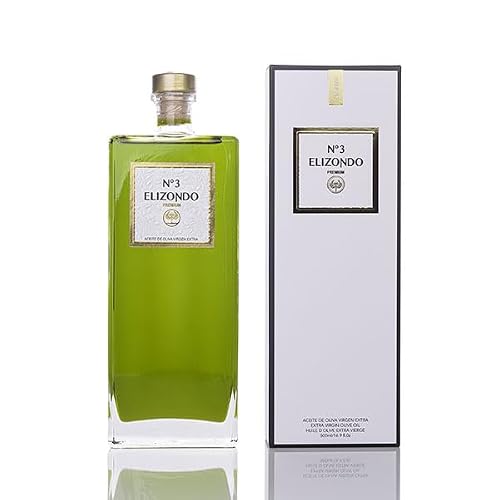
ELIZONDO Extra Virgin Picual Olive Oil, 16.90 Fl Oz

La Tourangelle Organic Extra Virgin Olive Oil, 25.4 Fl Oz

Frantoi Cutrera Segreto Degli Iblei Olive Oil, 24.5 Fl Oz

Colavita Extra Virgin Olive Oil, 68 Fl Oz

Colavita Mediterranean Extra Virgin Olive Oil, 34 Fl Oz

Colavita Premium Italian Extra Virgin Olive Oil, 68 Fl Oz Jug

Atlas Organic Moroccan Extra Virgin Olive Oil, 1 L

Les Terroirs de Marrakech Extra Virgin Olive Oil, 17 Fl Oz
More Details On Our Top Picks
ELIZONDO centers on Picual, an olive variety known for assertive fruit and green notes. Early harvesting explains the bottle’s deep green appearance and lively aroma, which can lend definition to a tomato salad or roasted vegetables.
Its intensity is an asset in finishing oils, though cooks wanting a quiet background flavor may notice it more than softer blends. For salad-focused kitchens and people building a tasting flight, the single-variety focus makes this a thoughtful starting point.
Real-World Strengths
- Picual variety gives the oil a clear, varietal identity
- Intense green fruitiness adds character to simple salads
- Early harvest supports the fresh aromatic profile described
- Smaller bottle suits occasional tasting and finishing
Worth Noting
- The pronounced profile may overpower delicate dressings
- Keep the bottle away from heat and direct light to protect its aroma
Quick Facts
Who Will Love This
This bottle fits cooks who enjoy bold green flavors, compare olive varieties, or use oil as the final seasoning on vegetables and salads.
Another Choice May Suit
La Tourangelle Organic Extra Virgin Olive Oil is the better fit for cooks who prefer a smoother profile across baking, sautéing, and dressings.
La Tourangelle takes the opposite approach from ELIZONDO, emphasizing smoothness and fruit rather thanPicual intensity. Picual and Arbequina olives from Spain create a flexible profile suited to baking, sautéing, dipping, drizzling, and finishing.
A medium-high smoke point makes it more practical for warm cooking, while the softer taste should blend easily into vinaigrettes. In my view, this is the low-friction bottle for a busy kitchen that needs one oil for several jobs.
A Few Highlights
- Smooth fruit profile works across dressings and cooked dishes
- Medium-high smoke point supports sautéing and roasting
- Picual and Arbequina olives provide listed varietal variety
- Early harvest fits shoppers seeking a phenolic, antioxidant-rich oil
Small Caveats
- Its milder personality may disappoint shoppers seeking pronounced bitterness
- Open bottles lose aroma gradually, so smaller weekly quantities may suit frequent users better
Made For
Beginners, weeknight cooks, and households wanting one adaptable bottle for baking, salads, and stovetop dishes will find this an easy fit.
Where A Sibling Pick Shines
ELIZONDO Extra Virgin Picual Olive Oil is the better fit for a cook who prioritizes vivid single-variety aroma over a broadly neutral profile.
Frantoi Cutrera links its flavor directly to southeast Sicily’s Iblei Mountains and protected-origin designation. The estate setting near Chiaramonte Gulf gives this bottle regional specificity, while its early harvest and first pressing position it as a more expressive oil.
Fresh, intense aromas may suit grilled vegetables, pasta, and dishes that welcome a pronounced finish. Compared with the smooth La Tourangelle, this is less about invisibility and more about bringing the place of origin to the plate.
Practical Advantages
- Protected origin makes regional provenance a central buying point
- Early harvest emphasizes fruit and aromatic intensity
- First pressing suits shoppers interested in traditional processing
- The 24.5 fl oz bottle balances tasting and regular kitchen use
Honest Caveats
- Regional intensity may be assertive in mild dressings
- The harvest vintage can add complexity, but also matters to shoppers seeking continuity between bottles
At A Glance
The Right Fit
This bottle is right for food enthusiasts who enjoy single-region oils and expect a fresh, aromatic Sicilian profile in finished dishes.
A Better Fit Elsewhere
Colavita Extra Virgin Olive Oil suits households prioritizing a smooth, familiar cooking oil over a prominently terroir-driven expression.
Colavita’s 68 fl oz bottle favors a smooth, balanced Italian profile over a sharp regional signature. First cold pressing is the central production detail, helping retain the natural aroma and taste associated with freshly processed oil.
The large format makes practical sense for households that use oil daily for vegetables, pasta, meat, or homemade dressings. In most kitchens, a dependable balance is easier to manage than rotating several distinctive bottles.
Real Benefits
- Balanced flavor fits vegetables, pasta, and salad dressings
- First cold pressing preserves the product’s natural character
- The 68 fl oz format reduces frequent pantry restocking
- A familiar profile works for repeat cooking without special handling
Practical Considerations
- The bulk size demands a cool, dark cabinet away from the stove
- Cooks seeking a distinctive estate or single-variety taste may find it less expressive
- Daily users should plan for steady consumption rather than casual tasting
Built With In Mind
Frequent home cooks and busy households will appreciate the large format and balanced taste in a single everyday bottle.
Reach For A Different Pick When
Frantoi Cutrera Segreto Degli Iblei Olive oil fits cooks who want stronger Sicilian provenance and a more intense finishing style.
This Colavita blend draws olives from Italy, Greece, Spain, Tunisia, Turkey, and Morocco, giving it broader geographic sourcing than a single-country bottle. Its full-bodied texture, mild fruit bitterness, and almond finish position it between a simple cooking oil and a more layered finishing option.
That makes sense on a crowded weeknight table where sautéed vegetables, roasted fish, bread, and salad may all need the same pantry staple. The 34 fl oz container is less bulky than the 68 fl oz pick while still offering enough capacity for regular use.
The Practical Payoff
- Six-country sourcing gives the blend a broad Mediterranean profile
- Full-bodied texture adds presence without extreme sharpness
- Almond finish complements roasted foods, greens, and dressings
- One bottle handles sautéing, roasting, baking, and dipping
Possible Compromises
- The blended origins may not satisfy someone tracing one estate or variety
- Stored oil can develop sediment as natural fruit and sediment settle, so handling the bottle carefully matters
Feature Snapshot
Whose Shelf It Belongs On
Home cooks who want one adaptable bottle for multiple cuisines and preparation methods will find this a strong pantry fit.
Swap It Out When
ELIZONDO Extra Virgin Picual Olive Oil is the better fit when a single-variety, green-fruited character matters more than a broad blended profile.
The two-liter jug extends Colavita’s Italian approach into a format built for serious pantry stocking. Olives are harvested and pressed in Italy, with first cold pressing and a fruity, bitter, peppery profile intended to work equally well in cooking and at the table.
Roasted vegetables, hard cheese, seafood, and meat make the most natural pairings. Unlike the smaller Colavita Mediterranean blend, the jug narrows the origin story while increasing capacity, which matters for shared kitchens and regular cooking schedules.
Where It Helps
- The 68 fl oz jug supports households using oil several times weekly
- Italian harvest and pressing provide a clear country-of-origin story
- First cold pressing fits shoppers interested in extraction method
- Fruit, bitterness, and pepper notes work as both cooking and finishing flavors
Details To Watch
- The jug needs safe lifting and enough cabinet space, especially for smaller kitchens
- A long warm pantry storage period may leave more oil open to oxidation, so early use is sensible
Core Details
Who Should Grab It
Frequent cooks, larger households, and communal kitchens benefit most from the high-capacity format and Italian-focused profile.
Consider Something Else When
Les Terroirs de Marrakech Extra Virgin Olive Oil is the better fit for a smaller Moroccan-format bottle and more limited storage arrangement.
Atlas brings a Moroccan origin story to a one-liter bottle, linking its production to the country’s Atlas Mountain growing region. The high-polyphenol positioning gives the oil a more technical identity than the everyday blends in this list, while cold pressing keeps the processing method direct.
For cooks who prefer a substantial Moroccan option, the format is manageable without reaching jug scale. I’d expect the bold profile to land well on grilled vegetables, couscous, bread, and dishes with lemon or herbs, though exact intensity will vary by harvest and taste preference.
What Stands Out
- Moroccan origin provides an alternative to Italian and Spanish profiles
- High-polyphenol positioning appeals to ingredient-focused shoppers
- The one-liter size fits a large pantry without becoming a bulky jug
- Cold pressing suits shoppers who value a direct production method
Factors To Consider
- Polyphenol language is useful only alongside a fresh harvest and proper storage
- Flavor preferences may be less approachable for cooks who favor very smooth oils
Best Suited To
Ingredient-focused cooks and Moroccan-cuisine fans will appreciate the regional sourcing and high-polyphenol positioning.
Look Elsewhere When
La Tourangelle Organic Extra Virgin Olive Oil is the better fit for households wanting a milder profile for frequent cooking and baking.
Les Terroirs de Marrakech offers Moroccan olive oil in a bottle small enough to finish before long-term storage becomes a concern. That makes it appealing for a first purchase, a tasting pair, or a household that uses oil selectively for salads, bread, and finishing.
The cold-pressed, extra-virgin format keeps the category expectations straightforward, while the Moroccan identity separates it from the more common Italian pantry staples. In a compact kitchen, the 17 fl oz size is a practical tradeoff for less reserve volume.
A Few Strong Suits
- Compact size suits limited pantry space and occasional use
- Moroccan provenance offers a distinct alternative to Italian blends
- Cold pressing provides a clear production method
- The smaller volume can suit cooks building a tasting selection
Small Limitations
- A small bottle may run out quickly for daily cooks
- Protecting aroma still requires cool, dark storage and a clean pour
Feature Facts
Built With In Mind
This bottle is built for cooks with limited storage, a smaller household, or a preference for tasting several olive oils before committing to a larger format.
Another Choice May Suit
Colavita Mediterranean Extra Virgin Olive Oil is the better fit for a cook who wants more oil on hand for daily sautéing, roasting, and baking.
Choosing Olive Oil Around Flavor and Use
Start With The Dish
Extra virgin olive oil is commonly used unheated, while extra virgin describes an olive oil produced within defined mechanical and chemical standards. A finishing oil can bring aroma and fruit to vegetables, cheese, bread, or fish, while a cooking oil needs to work under more heat and move easily through a sauté or roast.
For salad dressing, a smooth bottle such as La Tourangelle or Colavita Extra Virgin Olive Oil may feel more accommodating. ELIZONDO and Frantoi Cutrera suit cooks who want stronger green or regional character.
Read The Origin Carefully
Origin narrows the flavor conversation considerably. Picual tends toward pronounced green and fruity notes, while a blend may deliver a more rounded result. Sicilian protected-origin oil, Spanish early-harvest oil, and Moroccan bottles each bring a different sense of place, but origin alone cannot predict personal preference.
I would shop by the flavor described on the bottle, then consider harvest timing and pressing method. Those details help explain aroma, bitterness, and the structure of the oil.
Match The Format To Your Routine
A 17 fl oz bottle is easier to finish and store, while a 34 fl oz size suits regular home cooking. The 68 fl oz formats reduce restocking but need enough cabinet space and a cool, dark location.
For a shared household, the Colavita jug may be the practical choice. For a cook comparing origins or oils, the smaller Les Terroirs de Marrakech or ELIZONDO bottles are easier to rotate without leaving several open containers behind.
Keep It Fresh
Heat, light, air, and time can diminish the aromatics that make extra virgin olive oil enjoyable. Store the bottle away from the stove or window, close the cap after pouring, and use a clean utensil rather than pouring directly from the container.
Owners commonly notice flavor fading after prolonged warm storage, so freshness matters. A large bottle makes sense only when regular cooking will use it before the aroma starts to feel flat.
What Matters in a Daily Olive Oil Bottle
Hidden Buying Traps
A large bottle does not necessarily fit a small household, and a single-origin label does not guarantee a mild taste. Read the variety, origin, harvest information, and processing language before choosing based only on packaging.
The Upgrade Payoff
A more specialized oil may cost more because it emphasizes a defined region, single variety, early harvest, or first pressing. That added spending is most useful for finishing, tasting, or dishes where the flavor is noticeable, while everyday cooking can favor a balanced blend.