

Italian olive oil can handle more than a salad drizzle. Casa Virgin covers spicy, truffle, and traditional finishes, while the Spanish, Palestinian, Australian, and Moroccan options show how origin changes aroma, texture, and cooking versatility. I focus on pantry size, flavor profile, finishing potential, and the differences that matter once a bottle reaches a busy kitchen.
A Snapshot Of The Selections

Casa Virgin Spicy Virgin Extra Virgin Olive Oil 250ml

Casa Virgin Italian Extra Virgin Olive Oil Trio 3 x 250ml
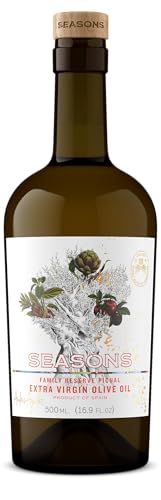
Seasons EVOO Family Reserve Picual Olive Oil 500ml

Casa Virgin Truffle Virgin Olive Oil 250ml

Al’ard Palestinian Cold Pressed Olive Oil 750ml

Cobram Estate Australia Select Olive Oil 11.83 Fl Oz

Atlas Organic Moroccan Olive Oil 1 L

Atlas Organic Moroccan Olive Oil 750 mL
What Each Pick Brings To The Table
Weeknight pizza gains more character with a drizzle that brings warmth rather than overwhelming heat. Casa Virgin combines Italian extra virgin olive oil from Umbria with Calabrian peperoncino, a regional chili known for a bright, lingering warmth.
The 250ml bottle feels deliberate for frequent finishing rather than bulk frying. For cooks building a pantry around Italian oils, it is more focused than the traditional and truffle-focused options in the Casa Virgin trio.
The Helpful Details
- Calabrian chili gives pizza, pasta, and bread a controlled layer of heat.
- The 250ml format suits cooks who finish dishes regularly but do not need a large pantry bottle.
- Italian olive oil and chili can serve separate roles, so the flavor remains more integrated than a plated sauce.
Things To Consider
- Chili intensity may not suit sensitive palates, so a small drizzle is the sensible starting point.
- Owners commonly keep flavored oils away from high heat to preserve the intended finishing character.
At A Glance
Who It Suits Best
This bottle fits home cooks who regularly prepare pizza, pasta, and bread and want moderate chili flavor without a separate sauce.
A Better Fit Elsewhere
Casa Virgin Italian Extra Virgin Olive Oil Trio is the better fit for cooks who want plain, spicy, and truffle options together.
The trio solves a familiar pantry problem: one plain oil rarely covers a truffle finish, a spicy pizza drizzle, and a more traditional drizzle. This set includes Riserva Virgin, Spicy Virgin, and White Truffle Virgin oils, each in a 250ml bottle.
Compared with the single Spicy Virgin bottle, the set costs more to stock but reduces the need to buy separate flavored oils. It works especially well for a host kitchen where several pasta and pizza courses may be prepared from the same pantry.
Real-World Strengths
- Three profiles make it easy to vary repeated meals without assembling separate sauces.
- The Riserva Virgin bottle provides a more traditional option than either flavored bottle.
- Three matching 250ml containers create a clear, organized finishing-oil shelf.
- Each oil can handle drizzling, dipping, or finishing applications.
Trade Offs
- Three bottles require more pantry room than one standard bottle.
- Cooks who rarely use truffle or chili may leave two bottles opened infrequently.
- Flavored oils are generally better used as finishing oils, so high-heat frying is not the central strength here.
Made For
This set suits Italian-cooking enthusiasts who prepare varied meals and value organized, ready-to-drizzle pantry options.
Another Choice May Suit
Casa Virgin Truffle Virgin Extra Virgin Olive Oil is the better fit for a kitchen that specifically prioritizes earthy truffle flavor.
Picual is an olive variety known for a pronounced fruity profile, and Seasons presents that character through a 500ml Spanish extra virgin oil. Its described notes of fig, green apple, mint, and black pepper point toward salads, grilled fish, soups, and meat.
This is the broadest non-Italian option in the group, but that distinction matters rather than disqualifies it. Compared with Casa Virgin’s infused oils, the focus is varietal flavor instead of chili or truffle, making it a more useful all-purpose finishing bottle for some kitchens.
Everyday Wins
- Fig and green-apple notes give salads and grilled vegetables a recognizable fruit-forward finish.
- The 500ml volume balances pantry capacity with frequent home use.
- Herbaceous and peppery notes can complement fish, soups, and grilled meats without requiring a flavored oil.
- Cold-pressed, first-harvest sourcing gives the product a clear processing and harvest identity.
Honest Caveats
- Picual’s fruit and pepper profile may feel more assertive than a neutral finishing oil for some palates.
- Repeated exposure to heat and light can reduce fresh aromatics, so a dark, cool cabinet is preferable.
Key Specs
Right Fit For
It fits cooks who enjoy fruit-forward Spanish oils and plan to use olive oil across salads, soups, vegetables, fish, and grilled meats.
Swap It Out When
Casa Virgin Italian Extra Virgin Olive Oil Trio is a better fit for cooks whose priority is a coordinated selection of Italian finishing flavors.
A restrained drizzle can change the character of risotto or creamy pasta, and this Casa Virgin bottle focuses on that role. White truffle from Umbria is cold-infused into Italian extra virgin olive oil, creating an earthy finish rather than a heavy truffle sauce.
The 250ml bottle makes more sense for cooks preparing mushroom risotto, pasta, pizza, or bread at home than for constant restaurant-style service. Compared with the Spicy Virgin bottle, the flavor is quieter and more savory, which is useful for dishes where heat would compete with the truffle note.
Features That Help
- Real white truffle supplies the defining earthy note without a separate truffle ingredient.
- Cold infusion fits finishing use because delicate aromas are not the goal of extended high-heat cooking.
- The Italian oil base pairs naturally with risotto, pasta, pizza, and bread.
Worth Noting
- White truffle is strongly scented, so heavy pouring can cover herbs and delicate cheeses.
- The bottle is best kept cool and dark because flavored oils lose their aromatic appeal faster than a plain oil may.
Core Details
Who Will Love This
This bottle suits home cooks who enjoy earthy finishing oils and regularly make risotto, pasta, pizza, or rustic bread.
Look Elsewhere When
Casa Virgin Spicy Virgin Extra Virgin Olive Oil is a better fit for cooks who prefer warm chili flavor over earthy truffle notes.
Al’ard’s 750ml format is built for households that use olive oil across several meals rather than treating it as a finishing-only ingredient. The Palestinian origin provides a clear regional identity, while the described smooth balance and thick texture suit vegetables, pasta, grilled foods, and bread.
Compared with Seasons EVOO Family Reserve Picual, this bottle emphasizes volume and a balanced household format rather than a highly specific fruit-forward profile. For daily cooking, that practical difference may matter more than matching a particular tasting note.
Useful Highlights
- The 750ml bottle reduces refills for cooks using olive oil across several dishes each week.
- Its balanced profile works as a general option for pasta, vegetables, bread, and grilled foods.
- Palestinian provenance gives the pantry a distinct regional identity beyond Italy and Spain.
Points To Note
- Its larger size takes more pantry space than the 250ml Casa Virgin bottles.
- A broad balanced profile may be less exciting for cooks seeking a pronounced truffle, chili, or Picual fruit character.
- Owners commonly keep olive oil away from heat and direct light to preserve aroma and flavor.
Feature Snapshot
Built With In Mind
It fits busy home kitchens that want a large bottle for recurring cooking rather than a small specialty finishing oil.
A Better Fit Elsewhere
Cobram Estate Australia Select Olive Oil is a better fit for cooks who prioritize a smaller bottle and limited cabinet space.
Cobram Estate is the practical small-format option here. Its 11.83 fl oz bottle takes less cabinet space than the 500ml, 750ml, and 1L selections, which matters in a compact kitchen or for a household using olive oil at a measured pace.
The source information confirms the Australian Select designation and package dimensions but provides no tasting notes, so I would not assign a flavor profile that the listing does not state. That limited disclosure is the honest caveat, especially beside the more descriptive Casa Virgin and Seasons entries.
A Favorable Mix
- The smaller volume suits narrow shelves and cooks who do not need a large bottle on hand.
- Australian Select gives the pantry a distinct origin story beyond the Italian focus of the list.
- The package dimensions are listed at 7.62 by 7.62 by 26.67 cm, which helps with cabinet planning.
Details To Watch
- The available source details do not describe aroma, taste, olive variety, or processing details.
- Its smaller size may require more frequent refills for daily cooks.
Made For
It fits small kitchens and occasional cooks who want an imported olive oil without committing to a large bottle.
Where A Sibling Pick Shines
Seasons EVOO Family Reserve Picual is the better fit for cooks who want a documented fruity and balanced profile.
A one-liter bottle is a deliberate choice for households that use olive oil often enough to want fewer refills. Atlas identifies the oil as Moroccan and high in polyphenols, terms commonly used to describe a more robust, potentially bitter and peppery style rather than a neutral drizzle.
Compared with the 750ml Atlas bottle, this version offers more volume but occupies more space. The source lists multiple size options without explaining their exact product differences, so I would treat the 1L format as the deciding factor rather than assuming a different flavor profile.
Good Reasons To Consider
- The 1L capacity suits high-frequency cooking households that want a lasting pantry supply.
- Moroccan origin and high-polyphenol positioning offer a distinct alternative to Italian oils.
- The larger format can support both everyday cooking and finishing applications.
- Multiple listed size options can make the brand easier to compare across pantry needs.
Trade-Offs To Consider
- The one-liter bottle takes more cabinet space than the 750ml option.
- High-polyphenol oils can taste more assertive, which may not suit cooks seeking a mild finishing profile.
- Owners commonly keep larger bottles tightly closed and away from the stove to protect the aroma.
The Right Fit
It fits frequent home cooks who want a substantial Moroccan olive-oil supply and a more pronounced flavor profile.
Reach For A Different Pick When
Atlas Organic Moroccan Olive Oil 750 mL is the better fit for cooks who want the same named style in a more compact volume.
The 750ml Atlas format lands between a specialty finishing bottle and a one-liter household supply. That middle position is useful for regular cooks who want more than a small tasting bottle but still prefer a manageable cabinet footprint.
Its Moroccan origin and high-polyphenol positioning set it apart from the milder-feeling possibility associated with some finishing oils. The honest limitation is that the source does not provide a detailed tasting breakdown, so the strongest case rests on origin, format, and the stated style rather than specific fruit or pepper notes.
Notable Gains
- The 750ml volume offers a practical middle ground for regular pantry use.
- Moroccan sourcing gives the list another imported regional identity.
- High-polyphenol positioning may appeal to cooks seeking a more assertive olive-oil character.
Less Ideal Details
- The source does not specify olive variety or a detailed flavor profile.
- Casserole, vegetable, and bread cooking may require a larger bottle for high-frequency households.
- The phrase “high polyphenol” does not describe flavor intensity by itself, so personal preference remains relevant.
Feature Overview
Whose Shelf It Belongs On
It belongs on the shelf of a regular home cook who wants a medium-large Moroccan bottle with a stated high-polyphenol style.
Consider Something Else When
Casa Virgin Spicy Virgin Extra Virgin Olive Oil is a better fit for cooks who want a clearly defined chili infusion.
Choosing Olive Oil By Origin, Format, And Use
Origin Changes The Character
Origin is a useful starting point because olive variety, climate, harvest, and processing shape the finished oil. The Italian bottles here cover infused and finishing styles, while the Spanish Picual emphasizes fruit and pepper notes. Palestinian, Australian, and Moroccan oils expand the comparison beyond a single national identity.
Match The Bottle To The Task
Finishing oils reward small pours over salads, pasta, bread, grilled vegetables, and fish. A larger bottle such as Al’ard 750ml or Atlas 1L makes more sense for frequent cooking, while the 250ml Casa Virgin bottles are better suited to occasional specialty use.
Size Changes Pantry Practicality
A 1L bottle reduces refills but demands more cabinet space. The 750ml Atlas option offers a middle ground, while Cobram Estate’s smaller format is easier to store. I would choose based on cooking frequency before relying on aroma alone.
Check The Style Before The Bottle Shape
Infused oils such as Casa Virgin Spicy Virgin and Truffle Virgin are not interchangeable with a plain oil. Chili, truffle, high-polyphenol, and Picual descriptions each point toward a different flavor experience. The right bottle is the one whose stated style matches the dish and the cook’s preferred intensity.
Common Shopping Slip Ups
Pitfalls Shoppers Hit
A common mistake is treating every imported oil as interchangeable. A flavored oil, a Picual bottle, and a high-polyphenol Moroccan oil serve different purposes. I also avoid choosing by bottle color alone, since the listing details should confirm origin, format, and style before checkout.
Wrong Turns To Avoid
Another trap is buying a large bottle for occasional finishing. Specialty oils can lose aroma faster than a plain cooking oil, and three 250ml bottles may take more space than expected. I prefer a smaller format for a particular flavor and a larger format only for recurring cooking.
What The Higher Tier Buys
Where The Extra Money Goes
A higher-priced bottle may reflect a specific olive variety, small-batch production, infusion ingredients, harvest positioning, or a larger format. Casa Virgin’s truffle and chili oils add a specialized ingredient, while Seasons emphasizes Picual character and competition recognition. None of those details automatically fits every kitchen.
What Separates Premium From Basic
The practical question is whether the extra cost buys a flavor or format that will actually be used. A truffle bottle makes sense for risotto and pasta, while a larger balanced bottle supports daily cooking. I would rather pay for a useful distinction than a vague prestige claim.
Frequently Asked Questions
Are Italian olive oils always better for finishing?
No. Origin is one part of the comparison, while olive variety, harvest, processing, and flavor profile also matter. A Spanish Picual, Palestinian oil, or Moroccan high-polyphenol bottle can provide a different and useful finishing character.
Is truffle olive oil the same as truffle sauce?
No. Truffle olive oil is an infused finishing oil, not a sauce with a thickened texture. It works best in small amounts over pasta, risotto, pizza, or bread.
Which format is best for a small kitchen?
A smaller bottle usually takes less cabinet space. Cobram Estate fits that need more closely than the Atlas 1L, while the Casa Virgin 250ml bottles suit cooks focused on occasional finishing.
Can flavored olive oil be used for high-heat cooking?
Finishing use is the clearer fit for chili and truffle oils because their distinctive ingredients are intended to be noticed. A plain balanced oil is generally easier to evaluate in everyday cooking applications.
How do I compare two extra virgin olive oils?
I compare origin, olive variety, stated processing, flavor description, and bottle size. The most useful option depends on the dish, storage space, and preferred intensity.
Final Thoughts
The most useful choice depends on the pantry and the plate. Casa Virgin covers Italian finishing styles from mild to spicy and truffle-forward, while Seasons, Al’ard, Cobram Estate, and Atlas provide distinct imported alternatives. I would choose the format and flavor profile that fit regular cooking habits, then store the bottle away from heat and light.