

A skillet reaching 450°F, a crowded grill, or a sheet of vegetables in a hot oven calls for an oil that can handle the heat without overpowering the food. I compare eight options across smoke-point guidance, flavor, bottle size, and cooking role, helping home cooks, meal-preppers, and busy kitchen crews choose with confidence.
The Main Contenders
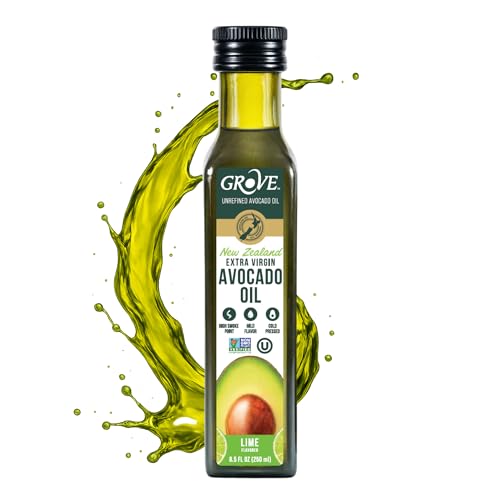
Grove Lime Extra Virgin Avocado Oil 8.4oz

Kinloch Plantation Products Pecan Oil Two Bottles

Avohass Avocado Oil 1 Gallon

Chosen Foods Refined Avocado Oil 16.9 Fl Oz
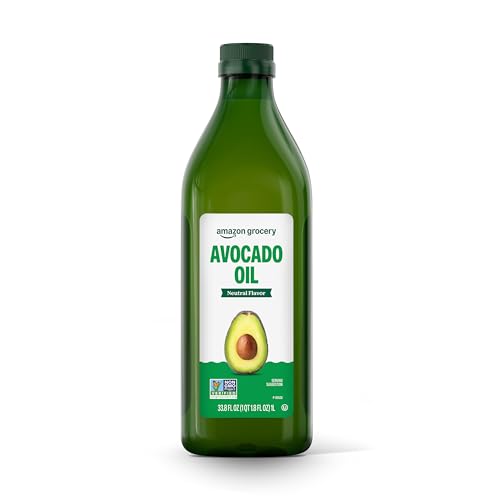
Amazon Grocery Avocado Oil 33.8 Fl Oz

Salute Santé! Cold Pressed Grapeseed Oil 1 Gallon

Pura Grove Organic Avocado Oil 16.9 Fl Oz

Fresh Vintage Farms Cold Pressed Walnut Oil 12.68 Fl Oz
A Closer Look At Each Pick
Among the avocado oils here, Grove Lime stands apart through its pronounced citrus character rather than complete neutrality. I favor it for grilled fish, pan-seared shrimp, and summer vegetables, where a bright note can make an otherwise straightforward dish feel more deliberate.
Cold pressing at lower temperatures defines the first-press extraction method, which helps preserve the oil’s natural aroma, color, and flavor. The result may overshadow delicate vegetables, but cooks seeking a visible flavor contribution will find that useful.
The Good Stuff
- The lime profile gives seafood and salad dressings a clear citrus accent.
- First-press cold processing supports a fresh, aromatic character.
- Avocado oil suits sautéing, frying, and grilling as well as dressings.
- The 8.4-ounce size fits narrow pantries better than gallon jugs.
Worth Noting
- The distinctive flavor may be too assertive for recipes built around a neutral oil.
- The compact bottle will need more frequent replenishment than gallon options.
Key Details
Who It Suits Best
I recommend Grove Lime for home cooks who enjoy a noticeable citrus finish and regularly prepare fish, seafood, or summer salads.
A Better Fit Elsewhere
Chosen Foods Refined Avocado Oil 16.9 Fl Oz suits cooks who need neutral flavor without the lime accent.
Kinloch brings a different kind of heat tolerance to the list: a 470°F listed smoke point paired with a light, mildly nutty pecan profile. I see it as a refined option for sautéed vegetables, roasted poultry, and finishing grains where nut flavor remains subtle rather than loud.
The expeller pressing and refining process creates a more uniform cooking oil than the first-press Grove Lime. That distinction matters for high-volume pantries, although the two-bottle format still stores less than a full gallon.
Strengths Worth Knowing
- The 470°F listed smoke point supports searing and roasting.
- A neutral-to-mild nut profile supports poultry, vegetables, and baked dishes.
- Refining produces a consistent oil for routine kitchen use.
- Two bottles provide useful separation between active pantry and reserve storage.
- The stated saturated-fat content of 9.5% gives shoppers a concrete label comparison point.
Small Caveats
- The listed pack presentation spans several sizes, so shelf space and quantity require attention.
- The flavor may still be less neutral than a dedicated refined avocado oil.
Made For
I favor Kinloch for cooks seeking pecan character plus broad heat tolerance without moving to a one-gallon container.
Another Choice May Suit
Salute Santé! Cold Pressed Grapeseed Oil 1 Gallon better fits kitchens that prioritize a light taste and frequent high-volume cooking.
Avohass is built around kitchen throughput rather than a small decorative bottle. The one-gallon quantity makes practical sense for frequent frying, meal preparation, or a busy household that repeatedly reaches for avocado oil at high temperatures.
Its listed 500°F smoke point offers more heat headroom than Pura Grove Organic Avocado Oil 16.9 Fl Oz. I would still follow the package guidance and recipe needs, since a high smoke point does not automatically make aggressive heating suitable for every recipe.
Advantages To Know
- A 500°F listed smoke point covers searing, frying, roasting, and grilling.
- One gallon reduces replacement frequency for oil-intensive kitchens.
- Refined avocado oil offers a practical base for savory batch cooking.
- The large format suits meal prep and repeated skillet use.
Practical Considerations
- A gallon jug requires more storage room and may be awkward for one-person households.
- Repeated heating changes oil over time, so fresh batches and clean containers remain important.
- The listing also displays smaller package variants, making the selected size worth confirming.
Feature Snapshot
Right Fit For
I recommend Avohass for high-volume home cooks, meal-preppers, and compact commercial kitchens that need frequent access to refined avocado oil.
Where Another Pick Shines
Amazon Grocery Avocado Oil 33.8 Fl Oz offers a more manageable middle size for households that do not need a full gallon.
Chosen Foods occupies the practical middle ground between strongly flavored Grove Lime and large-format Avohass. I find the clean taste useful for eggs, vegetables, fish, and weeknight skillet meals, especially in kitchens where one oil must move between courses without changing the flavor map.
Refining removes much of the aromatic character associated with first-press oils, producing a more consistent result across batches. The 16.9-ounce bottle stores easily, though a frequent fryer will likely exhaust it faster than a gallon jug.
What Works In Its Favor
- The neutral profile allows herbs, seafood, and vegetables to remain prominent.
- Refinement supports predictable performance across repeat cooking.
- The 16.9-ounce container fits most standard pantry shelves.
- One bottle works for sautéing, roasting, baking, and everyday frying.
Minor Gripes
- The quantity is modest for households frying several times each week.
- Cooks seeking peppery or aromatic oil character may find it too restrained.
Who Will Love This
I consider Chosen Foods a strong fit for everyday home cooks who value neutral flavor, predictable results, and compact storage.
Consider Something Else
Grove Lime Extra Virgin Avocado Oil 8.4oz better fits cooks who want citrus character in dressings, fish, and grilled dishes.
The 33.8-ounce container creates a sensible bridge between small pantry bottles and gallon jugs. I see it as a useful middle quantity for households that sauté several times weekly, roast vegetables regularly, and want more shelf capacity than a single 16.9-ounce bottle provides.
Its neutral flavor lets ingredients such as garlic, spices, and fresh herbs remain easy to perceive. Compared with Grove Lime, it is less adventurous; compared with Avohass, it demands less storage and handling.
Practical Advantages
- The 33.8-ounce bottle balances cooking volume with manageable storage.
- Neutral flavor supports a wide range of meats, vegetables, and baked foods.
- The larger quantity suits regular household meal preparation.
Things To Consider
- Packaging can differ because of an ongoing brand transition, although the listed contents remain unchanged.
- The bottle may still be too small for intensive commercial frying.
- Neutral flavor offers less character than pecan, walnut, or lime oils.
At A Glance
Best Suited To
I favor this option for busy households that want a mid-size, neutral avocado oil for regular stovetop and oven cooking.
A Better Fit Elsewhere
Chosen Foods Refined Avocado Oil 16.9 Fl Oz fits smaller pantries and cooks who need less oil on hand.
Salute Santé! focuses on volume and a light finish, both meaningful advantages for fryers and high-output kitchens. I favor it for fried vegetables, roasted proteins, sautéed vegetables, and baking, where a mild profile keeps the food in charge.
The listed 485°F smoke point covers common frying and grilling temperatures, while the one-gallon format reduces replacement frequency. Cold pressing preserves the oil’s natural character, although refined avocado oils may feel more neutral by comparison.
Practical Pluses
- The 485°F listed smoke point supports frying, sautéing, roasting, and grilling.
- A one-gallon format suits kitchens with substantial weekly cooking volume.
- The light taste complements vegetables, baked goods, fish, and delicate sauces.
- Pure grapeseed oil avoids blend fillers and additives according to the product information.
Trade Offs
- The gallon container needs a secure cupboard, utility area, or controlled storage spot.
- Grapeseed offers a different flavor profile from the richer avocado options.
- Frequent filtering and timely container replacement help maintain frying quality.
Built With In Mind
I recommend Salute Santé! for professional-style home kitchens, caterers, and high-volume cooks that need a light, heat-capable oil.
Reach For A Different Pick When
Kinloch Plantation Products Pecan Oil Two Bottles better fits cooks who want a light nut note and a smaller package format.
Pura Grove keeps the focus on a single ingredient: California avocados. I find that simplicity appealing for eggs, vegetables, fish, and meats that need a mild cooking fat without a strong nut or citrus finish.
The label lists a 400°F smoke point, making this less ambitious for intense heat than Avohass or Salute Santé!. It remains a capable skillet and roasting oil, though recipe temperature and the labeled guidance should lead the cooking method.
What Pays Off
- California avocados provide a clear and simple ingredient source.
- Cold pressing maintains a mild, approachable flavor profile.
- The 16.9-ounce bottle suits eggs, vegetables, fish, and meat.
- One oil covers sautéing, baking, grilling, and sheet-pan roasting.
Details To Watch
- The 400°F listed smoke point is lower than several other picks here.
- The bottle is compact but may run low under frequent frying.
- Storage away from heat and light helps preserve oil condition.
Core Details
The Right Fit
I favor Pura Grove for home cooks seeking a mild, single-source avocado oil for ordinary skillet and oven cooking.
Swap It Out
Avohass Avocado Oil 1 Gallon fits cooks seeking a higher listed smoke point and a much larger working quantity.
Fresh Vintage Farms brings pronounced walnut flavor to a category dominated by neutral avocado oils and light grapeseed. I would use it selectively around vegetables, baked goods, and finishing dishes, allowing its rich nutty aroma to contribute rather than disappear.
Cold pressing from California-grown walnuts supports a natural flavor profile, but the source does not provide a smoke-point figure. That missing guidance makes it harder to recommend for sustained high-temperature cooking, even though the option may work well in some skillets and baking recipes.
A Few Strong Suits
- Rich walnut flavor gives baked and roasted dishes a distinct identity.
- Cold pressing preserves the ingredient’s aromatic character.
- The 12.68-ounce bottle suits occasional specialty use.
Where It Is Less Suited
- No smoke-point guidance is supplied, which limits confidence for intense frying.
- The flavor can overwhelm mild foods and delicate sauces.
- The small quantity makes sense for finishing rather than high-volume cooking.
Whose Shelf It Belongs On
I favor Fresh Vintage Farms for experienced cooks who intentionally use walnut flavor in baking, roasting, and vegetable dishes.
Not My Match
Salute Santé! Cold Pressed Grapeseed Oil 1 Gallon better fits high-temperature cooking that needs clear smoke-point guidance and greater volume.
What Matters Most Before Choosing a Cooking Oil
A smoke point is the temperature at which an oil begins producing visible smoke and its flavor profile starts to deteriorate. Matching that figure to the hottest part of the cooking method matters more than treating a high number as a blanket guarantee, since oil also darkens, loses freshness, and degrades through repeated use.
The first decision is cooking style. Searing, frying, roasting, and grilling need greater heat tolerance than dressing, drizzling, or finishing. Avohass and Salute Santé! provide the highest listed figures, while Pura Grove gives explicit guidance at a more modest 400°F.
Flavor is equally practical. Neutral options such as Chosen Foods and Amazon Grocery let ingredients dominate, while Grove Lime, Kinloch, and Fresh Vintage Farms contribute distinct citrus or nut notes. I choose flavor-forward oils for finishing and composed dishes, reserving neutral oils for broader daily coverage.
Container size reflects cooking volume. A 16.9-ounce bottle stores easily but may need regular replacement, two 750 mL bottles add flexibility, and one-gallon jugs suit high-output kitchens. Cool, dark storage and clean pouring habits matter for every format.
Keeping High-Heat Cooking Decisions Simple
Common Shopping Slip Ups
I would avoid judging an oil solely by its oil type, since a named smoke point is more useful than a broad claim. Paying attention to package size and flavor also prevents a gallon jug or strong nut profile from becoming an impractical kitchen decision.
What The Higher Tier Buys
Premium positioning often comes from cold pressing, fruit sourcing, refined consistency, or larger packaging. I see the extra spend as worthwhile mainly for dedicated cooks, frequent use, or a flavor and sourcing profile that matches the intended dishes.
Frequently Asked Questions
Which oil has the highest listed smoke point?
Avohass Avocado Oil 1 Gallon lists 500°F, while Salute Santé! Cold Pressed Grapeseed Oil 1 Gallon lists 485°F. Actual skillet and food temperatures still influence the result.
Is avocado oil suitable for frying?
Refined avocado oil with a high listed smoke point can suit frying, searing, roasting, and grilling. I would still avoid reusing oil excessively or ignoring the package guidance.
Which option has the most neutral flavor?
Chosen Foods Refined Avocado Oil 16.9 Fl Oz and Amazon Grocery Avocado Oil 33.8 Fl Oz emphasize neutral flavor. That profile works well when herbs, seafood, or vegetables should lead the dish.
Is cold-pressed oil always better for heat?
Cold pressing relates to extraction conditions and can support a more pronounced natural flavor. Heat suitability still depends on the stated smoke point, processing, storage, and cooking method.
Which container size suits a small kitchen?
A 12.68-ounce or 16.9-ounce bottle offers compact storage, while a 33.8-ounce container balances capacity and cupboard space. One-gallon formats require more room but reduce refills.
Final Verdict
I would choose Avohass for intense heat and frequent use, Chosen Foods for neutral everyday cooking, or Grove Lime for a pronounced citrus finish. Large-volume cooks may prefer Salute Santé!, while Fresh Vintage Farms belongs in the specialty-condiment section of the pantry rather than the primary frying station.