A good olive oil should fit the dish, not overpower it. I consider origin, olive variety, pressing method, acidity, polyphenols, filtration, flavor, and bottle size to help home cooks choose a dependable oil for salads, pasta, vegetables, grilled foods, and finishing dishes. The eight options below range from single-variety Sicilian and Andalusian oils to Greek estate oil, a compact basil infusion, and larger blends for frequent use.
The Choices Worth Comparing
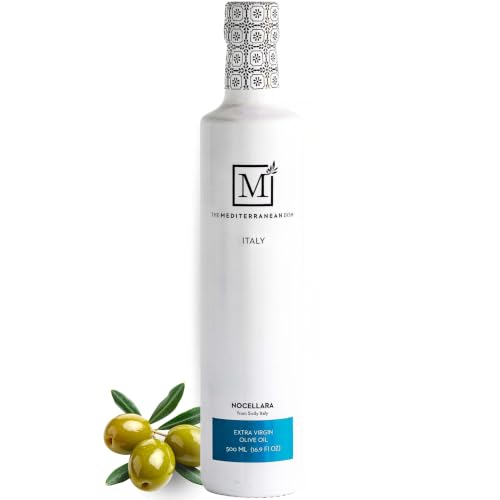
Nocellara Italian Extra Virgin Olive Oil

Kouzini Triple Olive Oil Bundle

Hojiblanca Spanish Extra Virgin Olive Oil

Cobram Estate Australia Select Olive Oil

Monini Basil Extra Virgin Olive Oil

Private Reserve Greek Extra Virgin Olive Oil

Colavita First Cold Pressed Olive Oil

Colavita Mediterranean Extra Virgin Olive Oil
The Strengths Of Each Pick
The Nocellara bottle brings a clear single-origin story to the pantry. It is made entirely from Nocellara olives cultivated around Agrigento in Sicily, giving the oil a more defined identity than a general blend.
In my kitchen, this profile seems well suited to tomatoes, vegetables, pasta, and daily sautéing. The stated tomato and vegetable aromas, balanced spice, and medium intensity make it versatile, though people seeking the sharpest peppery finish may prefer Private Reserve Greek Extra Virgin Olive Oil.
Bright Spots
- Single-variety Nocellara olives provide a traceable Sicilian identity.
- Fall-harvest extraction suits cooks seeking a fresh, culinary oil.
- The 0.33% acidity figure offers a concrete quality marker.
- Tomato and vegetable notes pair naturally with familiar Italian dishes.
Things To Consider
- The 431-polyphenol figure does not describe flavor intensity by itself.
- Owners commonly keep olive oil away from heat and light, so cupboard placement matters.
Core Details
Who It Suits Best
It fits home cooks who want a characterful Sicilian oil for vegetables, pasta, tomatoes, and balanced everyday meals.
A Better Fit Elsewhere
Colavita First Cold Pressed Olive Oil is a more practical fit for households that prioritize frequent use and a larger oil supply.
Three bottles turn this set into an education as much as a pantry purchase. I can keep one for salad dressing, another for grilling, and the third for finishing, which is more useful than judging a single style only once.
The oils are cold pressed, while the unfiltered option is described as fruity and peppery. Dark green glass helps limit light exposure, though storage still belongs away from the stove rather than beside it.
Advantages To Know
- Three 500 ml bottles support side-by-side tasting.
- Cold pressing preserves the oils’ stated aromatic character.
- The unfiltered bottle adds fruit and pepper for more assertive dishes.
- Dark green packaging offers practical light protection.
Worth Noting
- Three styles require more shelf space and may be excessive for one cook.
- Unfiltered oil can carry visible sediment, so the bottle may look less uniform.
Quick Facts
Made For
It suits curious cooks who enjoy comparing profiles through dressings, grilled vegetables, fish, and finishing oils.
Where Another Pick Shines
Hojiblanca Spanish Extra Virgin Olive Oil is the more focused alternative for a single-origin pantry without several bottles to manage.
Hojiblanca gives this list a more fruit-forward Andalusian direction. The olives come from Estepa, and the stated fresh-cut grass, apple, and tomato aromas make the bottle appealing for salads, fruit, vegetables, and grilled foods.
Compared with Nocellara Italian Extra Virgin Olive Oil, this option appears slightly more assertive. The 0.22% acidity and 412 polyphenols add useful context, although neither figure guarantees a particular preference at the table.
What Stands Out
- Single-variety Hojiblanca olives offer a distinct Spanish identity.
- Apple and tomato notes fit salads, produce, and light finishes.
- Low stated acidity gives another measurable comparison point.
- The fruit-forward profile adds welcome range to a daily pantry.
Small Caveats
- Its stronger character may feel prominent in very delicate recipes.
- The narrow package dimensions call for attention during shipping and storage.
The Right Fit
It best fits cooks who enjoy apple, tomato, grassy aromas and want more expressive flavor than a neutral blending oil.
Another Choice May Suit
Monini Basil Extra Virgin Olive Oil is a more direct fit for cooks seeking a flavored finishing oil built around basil and mint.
Cobram Estate brings an Australian angle to a list otherwise led by Mediterranean oils. Its 11.83 fl oz size feels useful for a small household, a compact kitchen, or someone who wants a bottle that is less likely to sit open for months.
The available information is more limited than for several single-origin picks, so I would judge it primarily by bottle utility rather than detailed origin or chemical claims. For broad flavor comparisons, Kouzini Triple Olive Oil provides much more context.
The Value In It
- The compact size suits limited counter or pantry space.
- A smaller bottle can be practical for occasional use.
- The Australian designation broadens the category beyond Europe.
Honest Caveats
- Limited origin and flavor information complicates comparison.
- High-volume cooks may replace the bottle sooner.
- Owners commonly keep partially used oil sealed and cool.
Feature Snapshot
Built With In Mind
It fits apartment cooks, couples, and occasional users who prefer a manageable bottle over a full pantry supply.
Consider Something Else When
Colavita Mediterranean Extra Virgin Olive Oil offers a larger 1 L format for busy kitchens that use oil across many cooking methods.
Monini Basil is the practical shortcut for finishing pasta, rice, bruschetta, and salads without reaching for a bottle of fresh herbs. Its stated sweet-savory profile, peppery edge, and minty notes give it a clear identity in a category often built around origin and tasting notes.
The 8.5-ounce bottle rewards finishing over high-volume cooking. I would use a few drops over a completed dish, where basil can remain prominent instead of disappearing into a large sauté pan.
What Earns Its Place
- Basil flavor saves time on pasta, rice, and salad finishing.
- Sweet and savory notes work across Italian-inspired dishes.
- Peppery and minty undertones add complexity beyond plain herb aroma.
- The small bottle suits a finishing-focused pantry.
Room For Improvement
- Infused flavor is less flexible than a single-variety oil.
- The small size can run short during frequent cooking.
- Warm cupboard storage may diminish fresh herbal character.
Best Suited To
It suits busy cooks finishing pasta, vegetables, bruschetta, cereals, or salads with a quick basil note.
Look Elsewhere When
Nocellara Italian Extra Virgin Olive Oil is the better fit for multi-purpose cooking where olive character matters more than infused basil.
Private Reserve narrows the lens to Koroneiki olives from the Hinaris Family Estate in Kyparissia, Greece. That single-estate focus gives it a traceable identity that blends cannot easily imitate on paper.
The delicate intensity and clean peppery finish suit dressings, vegetables, fish, and finishing. Compared with Hojiblanca Spanish Extra Virgin Olive Oil, it appears less fruit-forward and more restrained, although personal taste will determine which profile feels more useful.
Standout Benefits
- Single-estate sourcing provides clear production context.
- Koroneiki olives offer a recognizable Greek variety.
- The clean peppery finish complements mild dishes.
- Cold extraction preserves a more delicate profile.
Points To Note
- The unfiltered format may show sediment in the bottle.
- Delicate flavor may be less noticeable in heavily seasoned food.
- Cool, dark storage remains important for unfiltered oil.
Technical Highlights
Who Will Love This
It fits tasters, Greek-cooking fans, and cooks who value estate provenance with a clean peppery finish.
Swap It Out When
Kouzini Triple Olive Oil is more useful for cooks who want several peppery, fruity, and finishing styles available at once.
Colavita First Cold Pressed Olive Oil centers on an easy-to-understand role: an everyday oil with a smooth, balanced profile. Cold pressing, meaning mechanical extraction without heat, supports preservation of the oil’s natural character.
I would reach for this type of oil in a kitchen that uses it for pasta, vegetables, baking, sautéing, and dressings. The listing shows several available sizes, so the exact format should be checked closely before choosing.
Everyday Advantages
- A smooth profile works across daily cooking and finishing.
- Cold pressing keeps the extraction method straightforward.
- Multiple listed sizes accommodate different household needs.
- The broad use case suits a frequently opened bottle.
Practical Considerations
- The title and size selections create a mismatch that warrants attention.
- A blend may offer less variety than a single-variety bottle.
- Repeated heat exposure can reduce the freshest character.
Who Should Grab It
It fits everyday cooks wanting one balanced oil for pasta, vegetables, baking, sautéing, and dressings.
Another Choice May Suit
Cobram Estate Australia Select Olive Oil is the more compact option for occasional use or limited pantry space.
This 1 L Colavita blend brings a broad pantry perspective, drawing olives from Italy, Greece, Spain, Tunisia, Turkey, and Morocco. A blend can be more forgiving in a busy kitchen than a highly expressive single-variety oil, particularly across mixed dishes.
The stated full-bodied flavor, fruit-forward bitterness, almond finish, and velvety texture suit sautéing, roasting, baking, dressing, and dipping. Compared with Colavita First Cold Pressed Olive Oil, the multi-country sourcing gives this bottle a more distinctly regional identity.
Noteworthy Benefits
- Six-country sourcing creates a broad Mediterranean identity.
- The 1 L format supports frequent household cooking.
- A full-bodied profile works across heat and finishing methods.
- Almond and fruit notes suit salads, roasting, and dipping.
Less-Idetal Details
- Large format demands cool, dark storage away from heat.
- A blend may offer less distinctive character than single-variety oil.
- Frequent opening calls for a clean pour spout.
Key Product Details
Whose Shelf It Belongs On
It fits busy households seeking one substantial bottle for sautéing, roasting, baking, dressings, and dipping.
Reach For A Different Pick When
Private Reserve Greek Extra Virgin Olive Oil is a stronger fit for tasters prioritizing single-estate provenance and a delicate peppery finish.
What Matters in a Mediterranean Olive Oil
Start with the dish
Salads and fresh vegetables reward a fruity, fragrant oil that remains visible after dressing. Warm dishes tolerate fuller flavors, while finishing requires enough character to register in a small spoonful. Monini Basil Extra Virgin Olive Oil is the practical choice for a strong finishing note, while Nocellara Italian Extra Virgin Olive Oil handles cooked foods and tomatoes especially well.
Read origin and variety
A single variety such as Nocellara, Hojiblanca, or Koroneiki gives the oil a more defined identity. Colavita Mediterranean Extra Virgin Olive Oil offers a different approach through a blend sourced from six Mediterranean countries. I prefer single-origin information for tasting, while a blend can be more practical for broad weekly use.
Look beyond acidity alone
Acidity measures free fatty acid and offers one quality reference, not a complete flavor score. Polyphenols provide another measure, but neither number tells me whether an oil will suit a particular salad or pan. The stated acidity and polyphenol values are most useful when comparing several bottles side by side.
Account for storage and volume
Dark glass, cool storage, and a clean pour spout help protect olive oil from heat, light, and contamination. Small bottles suit occasional use, while 500 ml or 1 L formats reduce the need for repeated refills. Frequent cooks may prefer a larger bottle, but storage space should remain cool and dark.
Olive Oil Decisions Worth Checking
Common Shopping Slip Ups
A large bottle is not automatically the most practical fit, and a blend is not automatically less interesting than a single-variety oil. I also treat acidity and polyphenol figures as comparison points rather than substitutes for flavor and storage care.
What the Higher Tier Buys
Premium positioning may reflect single-estate sourcing, a named olive variety, harvest details, acidity, or polyphenol information. Those details add context, while fit still depends on flavor, dish, and bottle size.
Frequently Asked Questions
Which olive oil works best for salad dressing?
A fruity or peppery single-variety oil can add aroma without overwhelming fresh leaves. Kouzini Triple Olive Oil also suits comparing several dressing styles.
What does cold pressed mean?
It means the oil was extracted mechanically without added heat. This extraction approach is associated with preserving the oil’s natural character.
Is unfiltered olive oil more flavorful?
Unfiltered oil may contain visible sediment from the extraction process. Some cooks value that texture and character, while others prefer a clearer appearance.
Which bottle is best for frequent cooking?
Colavita First Cold Pressed Olive Oil or Colavita Mediterranean Extra Virgin Olive Oil offers practical choices for regular use. The larger format may suit households cooking daily.
How should olive oil be stored?
I keep it sealed, cool, and away from direct light or stove heat. A pour spout helps limit unnecessary exposure during cooking.
Final Thoughts
I would choose Private Reserve Greek Extra Virgin Olive Oil for estate-focused tasting, Hojiblanca Spanish Extra Virgin Olive Oil for fruit-forward cooking, and Kouzini Triple Olive Oil for variety. Colavita Mediterranean Extra Virgin Olive Oil serves frequent household cooking well, while Monini Basil Extra Virgin Olive Oil earns its place as a convenient finishing oil. The right bottle is the one whose flavor and format fit the way I actually cook.