

A good olive oil should suit the dish, not dominate it. I focus on peppery single-olive selections for finishing, balanced blends for daily cooking, and infused oils for bread, vegetables, and grilled meat. The bottle size, origin, olive variety, and intended heat all shape which option belongs in a busy kitchen.
The Essentials At A Glance

La Tourangelle Organic EVOO 16.9 fl oz

Entimio Ardente Organic Sicilian EVOO 16.9 fl oz
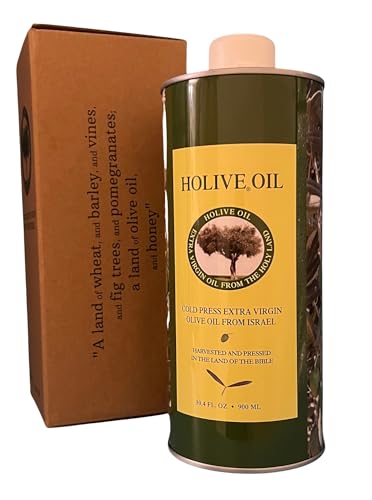
HOLIVE Israeli First Cold Press EVOO 30.4 fl oz

Lucini Italia Garlic EVOO 250mL Two-Pack
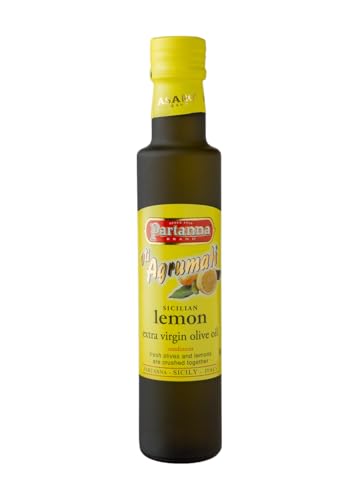
Partanna Sicilian Lemon EVOO 8.45 oz

La Tourangelle California Cold-Pressed EVOO 25.4 fl oz

Chef Jean-Pierre’s Basil Olive Oil 750 ml
Inside Each Recommended Option
California origin and Arbosana and Koroneiki olives give this oil a more defined identity than a generic finishing bottle. The rich, robust profile works well over roasted squash, beans, or a plate of fresh greens, though diners who prefer very mild oils may notice noticeable pepper.
Single-origin oil suits cooks who enjoy tasting differences between harvests and olive varieties. The 16.9-fl-oz format is practical for regular use, although keeping the cap tight and the bottle away from heat helps preserve its fresh character.
Where It Helps
- Arbosana and Koroneiki olives add identifiable fruit and pepper to everyday dishes.
- Early-harvest extraction suits finishing salads, vegetables, and baked potatoes.
- The medium-high smoke point allows sautéing and roasting beyond simple drizzling.
- Single-origin sourcing gives the bottle a traceable, specialized character.
Points To Keep In Mind
- Its stronger profile can overwhelm delicate dressings or lightly steamed fish.
- The smaller bottle requires more refills than Colavita’s 68-fl-oz format.
Core Details
Who It Suits Best
Home cooks who want a California single-origin oil with enough structure for both cooking and finishing.
Where Another Pick Shines
Colavita Extra Virgin Oil fits frequent cooks who prioritize bottle capacity and a gentler blended profile.
Entimio is built around green-fruit intensity: tomato, green olive, artichoke, and a peppery finish appear in the source profile. Polyphenols are the plant compounds associated with extra virgin olive oil, and this bottle lists more than 600 mg/kg alongside acidity below 0.25%.
That concentration makes the oil interesting for vinaigrettes, grilled vegetables, and sauces where flavor stays present after mixing. Compared with La Tourangelle Organic EVOO, it leans greener and more assertive, so a small amount can go a long way.
Features That Help
- Green-harvest flavor supports bold dressings without heavy finishing oil.
- The stated polyphenol level offers a concrete selection point for specialists.
- A smoke point above 470°F makes it suitable for sautéing and roasting.
- The 16.9-fl-oz size suits cooks who replenish pantry oil regularly.
Small Caveats
- Its peppery finish may be too assertive for children or delicate dressings.
- Storage away from the stove matters because heat and light can accelerate oxidation.
Technical Highlights
Made For
Sauce makers, adventurous home cooks, and households seeking a green, pepper-forward Sicilian profile.
Another Choice May Suit
La Tourangelle California Cold-Pressed EVOO offers a rounder fit for cooks who want California origin without pronounced green bitterness.
HOLIVE comes from a family-farm setting in Israel and emphasizes an early-harvest, first-cold-press process. Cold pressing means extracting the oil mechanically without applying heat, a method intended to preserve the olives’ natural aroma and taste.
The 30.4-fl-oz container offers more room than the standard 16.9-fl-oz bottle, which helps during regular weeknight cooking. The listing was marked unavailable, so availability may limit this choice despite its useful pantry size and kosher designation.
A Few Highlights
- First cold pressing supports a direct, minimally processed style.
- Early harvesting can capture the greener character associated with younger olives.
- Kosher status broadens suitability for households following kosher food practices.
- The larger volume fits families and cooks who use oil daily.
Honest Caveats
- The unavailable listing status makes it a less dependable pantry choice.
- Flavor details are limited, so shoppers seeking a defined cultivar profile may have less information.
Right Fit For
Kosher households and cooks who prioritize cold extraction and early harvest over detailed flavor sourcing.
Consider Something Else When
Chef Jean-Pierre’s Basil Olive Oil provides a more explicit herb profile for people building around basil-seasoned dishes.
Garlic and olive oil cover familiar Tuscan flavor territory without the chopping. Lucini infuses extra virgin olive oil with garlic essential oils, making it useful for grilled vegetables, roasted meat, marinades, and bread with less preparation.
The two-bottle format helps separate kitchen and outdoor-cooking use, or simply keeps a spare away from daily traffic. The flavored profile is less versatile than plain oil, so this is a specialist addition rather than a replacement for every bottle in the pantry.
Positive Takeaways
- Garlic infusion reduces the need to mince and cook garlic separately.
- The two-pack supports separate storage for indoor and outdoor kitchens.
- Kosher status fits relevant household meal plans.
- Non-GMO verification adds a clear sourcing detail.
Less-Useful Details
- Garlic can linger on dishes that call for the clean taste of plain olive oil.
- Flavored oils are better used soon after opening because the added botanicals can change with age.
Feature Breakdown
Who Will Love This
Busy cooks, outdoor meal planners, and households that regularly serve bread, vegetables, grilled meat, or tomato pasta.
A Better Fit Elsewhere
Partanna Sicilian Lemon EVOO suits cooks who prefer bright citrus seasoning rather than a savory garlic finish.
Partanna creates its agrumato oil by crushing fresh olives together with Sicilian citrus, rather than simply adding lemon flavor afterward. That co-crushing process gives the oil a bright citrus finish that can feel lively over fish, greens, and white beans.
The compact 8.45-ounce bottle favors finishing over daily cooking. It fits a small kitchen and reduces exposure to light and air, although a frequent user may need several bottles during the same season.
Useful Strengths
- Co-crushed citrus and olives create a more integrated flavor than a squeezed-lemon topping.
- Bright notes complement seafood, salads, and mild vegetables.
- The small bottle is convenient for table service and limited pantry space.
Where It May Fall Short
- The 8.45-ounce size is small for regular sautéing or multi-person households.
- Citrus flavor may not suit tomato dishes or deeply roasted meat.
- Narrow pourers on small bottles can be harder to control than wide bottle mouths.
Best Suited To
Cooks preparing seafood, bean salads, and vegetables who value a distinctive citrus finish over bottle economy.
Another Choice May Suit
Colavita Extra Virgin Oil gives high-frequency cooks a larger bottle and a more adaptable everyday profile.

Colavita’s large 68-fl-oz format shifts the practical equation. Households that sauté weekly or cook for several people can avoid repeatedly working through standard 16.9-fl-oz bottles, while first cold pressing provides a recognizable extraction method.
The Italian blend is described as smooth and balanced, making it more adaptable than the green profile of Entimio Ardente. In my view, that flexibility is the central reason this bottle earns a place in a frequently used pantry, despite carrying more oil than some cooks can finish.
Why It Works Well
- The 68-fl-oz volume reduces refills for high-frequency cooking households.
- A balanced Italian blend suits dressings, pasta, vegetables, and general sautéing.
- First cold pressing emphasizes mechanical extraction and natural flavor.
Practical Considerations
- The large bottle takes longer to finish after opening, so secure storage and prompt use are important.
- It may be less distinctive for cooks who actively compare regions and olive cultivars.
Quick Facts
Built With In Mind
Frequent home cooks, larger households, and beginners wanting one adaptable bottle for daily olive-oil use.
Reach For A Different Pick When
La Tourangelle Organic EVOO 16.9 fl oz is a better fit for finishing dishes centered on a distinct single-origin flavor.
This California bottle is the more flexible counterpart to La Tourangelle Organic EVOO 16.9 fl oz. Arbequina and Koroneiki olives give it a rich, robust profile, while the 25.4-fl-oz size sits between a standard single-use bottle and Colavita’s oversized format.
Medium-high heat tolerance makes sense for sautéing, baking, roasting, dipping, and finishing. People cooking with mild ingredients may prefer a subtler oil, but the listed versatility gives this one a broad place in an everyday kitchen.
Benefits That Matter
- One bottle covers sautéing, baking, dipping, drizzling, and finishing.
- Arbequina and Koroneiki olives create a more specific blend than an unnamed oil.
- The 25.4-fl-oz volume balances table presence with manageable storage.
- Non-GMO Project verification adds a clearly stated sourcing detail.
Minor Gripes
- Its richer character may be more assertive than a cook expects from a general-purpose oil.
- Repeated heat and light can diminish freshness, so a cool, dark cabinet is the sensible home.
Whose Shelf It Belongs On
Everyday California cooking enthusiasts who want one bottle spanning sauté pans, bread, vegetables, and finishing.
Look Elsewhere When
HOLIVE Israeli First Cold Press EVOO serves households that prioritize kosher sourcing and cold extraction instead.
Basil and olive oil share an obvious affinity, but this bottle extends the pairing beyond fresh-pasta garnish. The cold-pressed oil is infused with basil leaves, making it useful for tomato dishes, flatbread, grilled vegetables, and weeknight pasta assembled from pantry staples.
The 750-ml bottle is larger than Partanna’s citrus offering and offers more volume for regular flavored-oil use. Still, cooks who need a neutral frying oil or want to taste olive varietals will get more flexibility from a plain extra virgin bottle.
Where It Excels
- Basil infusion adds savory herbal character without separate chopping.
- The 750-ml size suits households using flavored oil more than once a week.
- Cold pressing provides a clear production method behind the base oil.
Where It Is Less Suited
- Basil infusion reduces versatility for recipes with delicate herbs or citrus.
- Flavored oil should remain cool and dark, and the bottle should stay tightly closed between uses.
Product Snapshot
The Right Fit
Pasta cooks, pizza makers, and households wanting a ready-to-pour basil oil for tomatoes, bread, and vegetables.
Swap It Out When
Partanna Sicilian Lemon EVOO fits cooks who want a bright citrus accent instead of a savory basil profile.
Choosing Olive Oils Through Flavor and Function
Start With the Dish
A finishing oil needs enough aroma to remain noticeable in a salad or over cooked vegetables. La Tourangelle Organic EVOO and Entimio Ardente Organic Sicilian EVOO provide more directional flavor, while Colavita Extra Virgin Oil makes sense for a wide range of recipes.
Consider the Oil’s Heat Job
Extra virgin olive oil is generally well suited to sautéing, but flavored varieties serve a different purpose. Lucini Garlic EVOO and Chef Jean-Pierre’s Basil Olive Oil work best as seasoning oils, used toward the end of cooking or over finished dishes.
Look Beyond the Bottle
Cold pressing means mechanical extraction without added heat, a method intended to retain the olives’ natural aroma and taste. Single-origin oil narrows the provenance, cultivars add specificity, and early harvest can produce a greener profile. A larger bottle is practical for frequent use, but smaller packaging may reduce long-term exposure after opening.
Balance Familiarity and Variety
A dependable plain oil deserves more shelf space than several specialty bottles. Use a balanced Italian blend for daily cooking, then add citrus, garlic, or basil oils for particular dishes. Store every bottle away from the stove and replace flavored oils as their aroma fades.
Olive Oil Shopping Traps
Mistakes Worth Dodging
Treating every olive oil as interchangeable hides useful differences in origin, extraction, and flavor intensity. Avoid judging solely by bottle color or by terms such as early harvest, since each signals a production or harvest detail rather than an exact taste.
The Upgrade Payoff
Higher-tier oils often pay for single-origin sourcing, named olive cultivars, early-harvest timing, or stronger phenolic specifications. That premium matters for tasting, finishing, and blend design. For simple frying, a balanced everyday oil can provide the necessary function at a more practical volume.
Frequently Asked Questions
What Does Cold-Pressed Olive Oil Mean?
Cold pressing mechanically extracts oil from olives without applying heat. The process is intended to preserve the source olives’ aroma and natural flavor.
Is Extra Virgin Olive Oil Suitable for Cooking?
Extra virgin olive oil can be used for sautéing, roasting, baking, dipping, and finishing. Heat tolerance depends partly on the oil’s composition, so a high-heat oil may be more practical for sustained cooking.
Should Olive Oil Be Kept in the Refrigerator?
Store the bottle tightly closed in a dark, cool cabinet away from the stove. Refrigeration is optional for many extra virgin oils, but it can help slow oxidation in warm kitchens.
How Do Infused Olive Oils Differ From Plain Oils?
Infused olive oils carry added ingredients such as garlic, basil, or citrus. They provide rapid flavoring for specific dishes, while plain extra virgin oil offers broader culinary flexibility.
Which Olive Oil Works Best for Salads?
A fruit-forward or peppery single-origin oil often stands out in a salad. Entimio Ardente suits green and tomato notes, while La Tourangelle California Cold-Pressed EVOO offers a richer alternative for roasted vegetables and grains.
Wrap Up
The right olive oil depends on the kitchen and the plate. A balanced blend handles daily cooking, a phenolic-forward Sicilian oil adds vivid flavor, and garlic, lemon, or basil infusions reduce last-minute seasoning work. I keep one dependable plain oil in the pantry and treat specialty bottles as tools for particular dishes, stored carefully and used while fresh.