

The Picks In Brief

Gypsy Farms High Mountain Organic & Heirloom EVOO 2 Pack

Olivy Extra Virgin Olive Oil 500ml, Portuguese DOP

M.G. PAPPAS High Polyphenol EVOO, Cold Pressed & Unfiltered

Morocco Gold New Harvest EVOO 606mg/kg

M.G. PAPPAS High Polyphenol Meyer Lemon Olive Oil

M.G. PAPPAS High Polyphenol Garlic Olive Oil
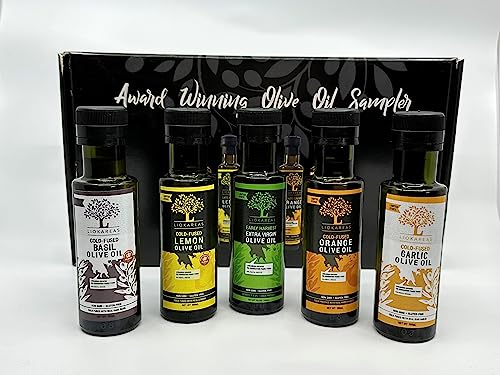
Liokareas Olive Oil Variety Pack, Five 100ml Bottles

Armolia Spanish Premium EVOO 2025-26 Harvest
The Strengths Of Each Pick
The Gypsy Farms set is built for a straightforward kitchen routine, with two 350ml bottles suited to cooking, bread dipping, and finishing vegetables. Its estate-focused presentation gives it a more traceable feel than a generic pantry oil, while the two-pack format is convenient for keeping one bottle in the kitchen and another nearby for serving. I would consider this a practical option for home cooks who want a dedicated dipping oil and a cooking oil without buying two unrelated products.
The listing identifies the oil as organic, first cold-pressed, and associated with polyphenols and amino acids. That makes it attractive for shoppers who value a high-phenol label alongside everyday usefulness, though the listing does not provide a specific polyphenol measurement in the available data. Compared with the single-bottle picks later, this set offers more flexibility for different uses, but the smaller bottle size may require more frequent replenishment for a busy household.
A Favorable Mix
- Two 350ml bottles support separate cooking and dipping routines.
- First cold-pressed processing suits shoppers focused on traditional extraction methods.
- Organic positioning works well for ingredient-conscious pantry planning.
- Estate origin in Greece adds useful context beyond a generic olive oil label.
Small Caveats
- The available listing data does not give a numerical polyphenol result for comparison.
- Two smaller bottles may run out faster than one 500ml bottle in a high-use kitchen.
- Olive oil should be stored sealed and away from heat, light, and air to preserve its character.
Made For
It suits home cooks who want one bottle for dipping and another for daily cooking or finishing.
Where Another Pick Shines
For shoppers who prioritize a clearly stated polyphenol figure, Olivy Extra Virgin Olive Oil 500ml is the more measurable alternative.
Olivy takes the analytical route, pairing a Portuguese DOP identity with a stated acidity of 0.11% and polyphenol content of 439mg/kg. Polyphenols are naturally occurring compounds in olive oil, so a specific measurement can help shoppers compare bottles with more than a broad “high polyphenol” description. The dark glass bottle and included certificate of analysis also suit a kitchen where protecting the oil from light matters.
For daily cooking, this is a sensible single-bottle format that can handle finishing, dipping, and moderate heat. The single-estate Trás-os-Montes origin is another differentiator, especially for shoppers who value regional traceability. The tradeoff is that this product offers less variety than the Gypsy Farms set or the later five-bottle assortment, so it serves a more focused preference for documented metrics.
Reasons It Performs
- The stated 439mg/kg polyphenol level gives shoppers a concrete comparison point.
- 0.11% acidity supports a clear extra-virgin quality profile.
- Certificate of analysis ties reported figures to the bottle’s lot number.
- Dark glass packaging helps shield the oil from light during storage.
Practical Considerations
- The 500ml bottle is less convenient for comparing several flavor styles at once.
- Measured quality does not determine whether the flavor profile suits every salad or dish.
- Storage remains important because repeated heat, air, and light can alter olive oil over time.
Feature Snapshot
Who Will Love This
It best suits detail-oriented cooks and tasting-focused shoppers who prioritize traceability and stated composition data.
Consider Something Else When
Liokareas Olive Oil Variety Pack is a better fit for households wanting several infused oils in compact bottles.
This M.G. PAPPAS bottle is the uncomplicated option in the group, centered on a high-polyphenol Greek extra virgin olive oil that is cold pressed and unfiltered. Unfiltered means some natural sediment or fruit-derived material may remain, which can affect appearance and texture, although it is a common style for oils marketed with more of the original olive character. I find that format useful for cooks who want one bottle for greens, potatoes, grilled vegetables, and finishing fish.
The listing states more than 500mg/kg polyphenols at harvest, giving this pick a stronger numerical position than products that only use a general high-phenol description. That said, the listed figure is harvest-related, so a later bottle may not present exactly the same result. Compared with Olivy, this option is less focused on laboratory documentation and more focused on a straightforward Greek profile.
Bright Spots
- More than 500mg/kg polyphenols at harvest supports a high-phenol positioning.
- Cold pressing supports shoppers seeking a traditional extraction method.
- Unfiltered presentation can retain a more visibly natural olive-oil character.
- One-bottle format works well for frequent daily cooking and finishing.
Where It May Fall Short
- Unfiltered oil may appear cloudy or contain sediment, which can confuse first-time users.
- The listed polyphenol figure is tied to harvest rather than necessarily to every later bottle.
- Its general profile may not satisfy shoppers who want flavored oils or multiple options.
Built With In Mind
It suits everyday cooks who prefer a single, Greek-inspired high-phenol oil for daily kitchen use.
A Better Fit Elsewhere
Morocco Gold New Harvest EVOO is a better fit for shoppers specifically looking for a listed polyphenol figure above 600mg/kg.
Morocco Gold is the most numerically distinctive pick in this lineup, with a stated 606mg/kg polyphenol content and a 500ml format. The oil is presented as cold pressed and made from Picholine Marocaine olives, giving it a clear Moroccan identity rather than a generic Mediterranean label. For a home cook who wants a bold bottle for finishing or tasting, that specificity has practical value, especially in a kitchen that already handles several flavored condiments.
The stated new-harvest positioning and listed shelf-life of up to four years are useful context, but neither replaces proper storage. I would keep the bottle tightly closed and away from the stovetop, since heat and prolonged air exposure can reduce the sensory quality that makes a high-phenol oil interesting. Compared with Armolia, this pick has the stronger listed polyphenol number, while Armolia offers a clearly identified harvest year and Spanish origin.
A Few Strong Suits
- 606mg/kg polyphenols provide the highest stated figure among the detailed picks.
- Picholine Marocaine olives provide a specific varietal identity.
- Cold pressing supports a traditional production method.
- The 500ml bottle is practical for regular household cooking.
Things To Consider
- The listing does not provide a precise harvest date in the available data.
- A strong polyphenol figure does not guarantee a mild flavor for every palate.
- Long storage potential still depends on keeping the bottle sealed and cool.
Who It Suits Best
It suits shoppers who prioritize a clearly stated polyphenol level and a distinctive Moroccan olive variety.
Look Elsewhere When
ARMOLIA Spanish Premium EVOO 2025-26 Harvest is a better fit for cooks who prioritize a recent harvest year and Spanish identity.
Meyer lemon changes the role of olive oil at the table, making this M.G. PAPPAS option useful for salads, roasted vegetables, fish, and light pasta dishes. The flavor is the central feature here, while the high-polyphenol positioning gives shoppers a reason to consider it beyond ordinary citrus cooking oil. I would keep it for finishing rather than high-heat cooking, since aromatic infused oils generally make the clearest impression when used near serving time.
The 12.7oz size is large enough for regular use without taking up excessive pantry space, though the listing does not provide a numerical polyphenol result. That omission matters for shoppers comparing M.G. PAPPAS with the plain M.G. PAPPAS bottle or Morocco Gold. This pick is less about lab-style comparison and more about adding a polished citrus note to meals where lemon flavor is welcome.
Useful Strengths
- Meyer lemon flavor makes it useful for salads, seafood, and vegetable finishing.
- High-polyphenol positioning fits shoppers seeking more than plain cooking oil.
- The larger bottle supports regular table use in a home kitchen.
- Infusion makes it easier to add citrus flavor without preparing a separate dressing.
Less-Strong Areas
- The available listing data does not state a precise polyphenol measurement.
- Lemon flavor may overpower very delicate oils or plain steamed vegetables.
- Infused oil is best used soon after opening because aroma can fade with air and heat.
The Right Fit
It suits cooks who want a flavored finishing oil for bright salads, vegetables, and fish.
Another Choice May Suit
M.G. PAPPAS High Polyphenol EVOO is a better fit for shoppers who want a plain, unfiltered oil for daily cooking and finishing.
Garlic olive oil is the savory counterpart to the Meyer lemon option, and this M.G. PAPPAS bottle is built for bread, potatoes, vegetables, legumes, and grilled foods. The listing describes a robust flavor and identifies Koroneiki olives, which gives the product a clearer Greek connection than a generic infused oil. A high-polyphenol position adds a composition angle, but the practical appeal is the ability to season and finish a dish with one ingredient.
Garlic flavor is strong enough to become the dominant note, so I would use it in small amounts on dishes that already contain moderate seasoning. Compared with Liokareas, this single-garlic bottle is more focused and may be easier to control. Compared with the plain M.G. PAPPAS EVOO, it trades some olive clarity for convenience and a more pronounced savory profile.
Everyday Wins
- Garlic infusion reduces the need for separate garlic seasoning in simple dishes.
- Koroneiki olive identity adds Greek context to the product.
- High-polyphenol positioning fits cooks who want a functional finishing oil.
- The savory flavor works across bread, vegetables, legumes, and grilled foods.
Some Limits To Know
- The listing does not provide a numerical polyphenol measurement in the available data.
- Garlic can dominate dishes that need a more neutral olive-oil finish.
- Infused oil should be stored away from heat to preserve its aroma and texture.
Right For Savvy Home Cooks
It fits home cooks who want one savory oil for bread, roasted vegetables, legumes, and grilled dishes.
Another Choice May Suit
Liokareas Olive Oil Variety Pack is a better fit for shoppers who want to compare garlic with basil, lemon, orange, and early harvest profiles.
The Liokareas pack solves a different problem from the larger bottles: it gives a household five 100ml oils to sample, compare, and keep on hand. The set includes lemon, orange, garlic, basil, and early harvest profiles, which makes it useful for a small tasting flight or for a kitchen that likes to match olive oil to the dish. The compact bottle size is also practical for a small apartment pantry, although five bottles can still create more countertop management than one larger bottle.
The pack is marketed as organic extra virgin olive oil, with Greek olive sourcing and award recognition highlighted in the source data. Its broad flavor selection is the key strength, not a single measurable polyphenol figure. For a person building a tasting setup, that variety is valuable. For a daily cook who wants one dependable bottle, Morocco Gold’s 606mg/kg listing gives a more concrete composition point.
Strong Points
- Five flavor profiles support side-by-side tasting and flexible meal pairing.
- Individual 100ml bottles are easier to store and try than full-size formats.
- Lemon, orange, garlic, basil, and early harvest cover common serving styles.
- Greek sourcing gives the assortment a coherent regional identity.
Trade-Offs
- The available data does not provide individual polyphenol measurements for each bottle.
- Small bottles may finish sooner than a single 500ml bottle in a high-use kitchen.
- Infused bottles need separate storage to keep their aromas distinct.
Who Should Grab It
It suits apartment cooks, tasting enthusiasts, and beginners who want to compare several olive oil styles before committing to one.
Where A Sibling Pick Shines
Morocco Gold New Harvest EVOO is a better fit for a household that wants one larger bottle with a clearly stated 606mg/kg polyphenol level.
ARMOLIA gives the final section a Spanish early-harvest profile, with a named 2025-26 harvest, 0.17% acidity, and a stated rich polyphenol position. The 500ml bottle is a familiar kitchen size, and the product description positions it for both serving and drinking-style rituals without requiring a separate tasting bottle. I would consider it a broad-use option for salads, vegetables, bread, pasta, and finishing grilled foods, depending on the flavor profile.
The 0.17% acidity figure gives shoppers a useful reference point, though the available data does not state the exact polyphenol measurement. That is the main contrast with Morocco Gold, which makes a 606mg/kg figure central to its listing. ARMOLIA may fit households that prioritize harvest identity and a versatile Spanish oil over a dramatic numerical comparison.
Notable Upsides
- The 2025-26 harvest year gives the product a clear seasonal identity.
- 0.17% acidity provides a specific quality reference for comparison.
- Spanish origin offers a different profile from the Greek, Portuguese, and Moroccan picks.
- The 500ml format works well for frequent cooking, pouring, and serving.
Details To Watch
- The listing does not provide a precise polyphenol quantity.
- Early-harvest positioning may create a different flavor expectation than a softer everyday oil.
- Storage away from heat and light remains important for maintaining aroma and freshness.
Feature Facts
Best Suited To
It suits Spanish-food enthusiasts and everyday cooks who want one versatile bottle for cooking and serving.
Reach For A Different Pick When
Olivy Extra Virgin Olive Oil 500ml is a better fit for shoppers who want documented acidity and polyphenol figures tied to a certificate of analysis.
Choosing Olive Oils With Polyphenols by the Details That Matter
Polyphenols are naturally occurring compounds in olive oil, and shoppers may use their measured content as one way to compare oils. The number is more useful when it appears alongside clear origin, acidity, harvest timing, and storage information.
Check The Source And Method
Single-estate and protected regional designations can provide useful provenance context, but origin alone does not describe flavor. I also look for extraction method, filtration style, and whether the bottle is intended for cooking, dipping, or tasting. A 500ml format may suit daily use, while several 100ml bottles make comparison easier.
Read The Numbers Carefully
Acidity expresses free acidity, while polyphenol content reflects a different part of olive composition. A stated 606mg/kg figure gives Morocco Gold a clear comparison point, and Olivy’s 439mg/kg figure comes with more explicit documentation. M.G. PAPPAS provides a harvest-related figure for the plain and garlic versions, so the wording matters too.
Match Flavor To The Meal
Plain oil gives the cook more control over seasoning. Meyer lemon works for bright salads and fish, garlic suits savory vegetables and bread, and the Liokareas pack helps compare several profiles. I would choose the bottle format that matches my kitchen, rather than treating the highest number as the only deciding factor.
Olive Oil Details Worth Comparing
Mistakes Worth Dodging
I would avoid choosing solely by the word “premium” or the largest polyphenol number on a label. A useful comparison also considers origin, harvest, acidity, bottle size, storage needs, and whether the oil is meant for dipping, cooking, or finishing.
What The Higher Tier Buys
Premium positioning may reflect stronger origin details, earlier harvests, analytical documentation, or more deliberate packaging. Those features can matter for tasting-focused households, while a larger flavored pack may serve a different need more effectively.
Frequently Asked Questions
Are high-polyphenol olive oils better for cooking?
Not automatically. I consider the oil’s flavor, processing, and intended use alongside polyphenol content, since cooking method and heat can change the sensory result.
What does polyphenol content mean?
Polyphenols are naturally occurring compounds found in olive oil. A stated milligram-per-kilogram figure offers one way to compare phenolic content, but it is only one part of the overall profile.
Which bottle is best for tasting?
The Liokareas Olive Oil Variety Pack is especially convenient for tasting because it includes five 100ml bottles with lemon, orange, garlic, basil, and early harvest profiles.
Should olive oil be refrigerated?
I favor a cool, dark cabinet away from heat, air, and light. Refrigeration is not always necessary, but the bottle should remain tightly closed and protected from temperature swings.
What is the best format for daily cooking?
I tend to choose a 500ml bottle for frequent use, while smaller bottles make it easier to try several flavor profiles without committing to a large container.
Final Verdict
I find the strongest fit depends on the priority: Olivy offers the clearest documentation, Morocco Gold the highest stated polyphenol figure, and Liokareas the most convenient flavor variety. Gypsy Farms, ARMOLIA, and the plain or infused M.G. PAPPAS options cover practical single-bottle routines. I would choose based on origin, flavor, storage needs, and the way each bottle will be used in an actual kitchen.