

Beef tallow suits high-heat cooking, but package size, fat source, and storage format matter more than a dramatic label. I compare eight options for home cooks managing cast iron, searing meat, sautéing vegetables, or keeping a practical supply of rendered fat. Wagyu options bring richer flavor and larger packages, while smaller glass jars suit limited pantries and countertop cooking.
Grass-fed and grass-finished terminology is inconsistent across this category. I prioritize clearly stated sourcing, useful package sizes, uncomplicated ingredients, and formats that make portioning and cleanup straightforward.
A Fast Comparison Of The Options

South Chicago Wagyu Beef Tallow Spray and Tub Bundle

Wrath and Remedy Grass-Fed Beef Tallow 14 oz
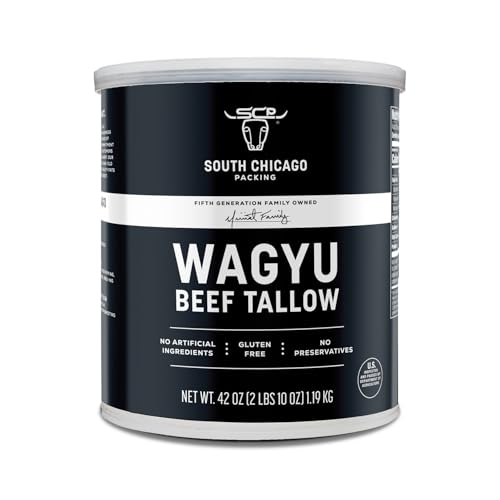
South Chicago Packing Pure Wagyu Beef Tallow 42 oz

Traditional Nutrients Pasture-Raised Beef Tallow 7.2 lb Tub

Traditional Nutrients Pasture-Raised Beef Tallow 14 oz Jar

Kai Wagyu Pure Organic A5 Wagyu Beef Tallow 1.25 lb

FOND Regenerative Grass-Fed Beef Tallow 14 oz
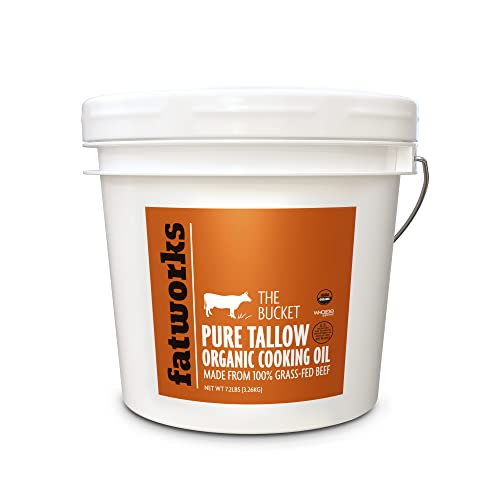
Fatworks Organic Grass-Fed Beef Tallow 1 Gallon
A Deeper Look At The Lineup
The combination of a 7-fl-oz spray and a 42-ounce tub covers two distinct habits: quick portioning during weekday cooking and unrestricted use for larger pans. For a busy kitchen, that flexibility is more useful than keeping a single large container beside the stove.
Unlike the 14-ounce glass options later in the lineup, this bundle concentrates on Wagyu flavor and two dispensing formats. Depending on cooking volume, the spray may prove convenient, while the tub serves cast iron, grills, and batch cooking.
What Earns Its Place
- The spray supports light coats on pans without repeated spooning.
- The 42-ounce tub reduces refills during frequent cooking sessions.
- Pure Wagyu fat adds a rich cooking flavor and contains no partially hydrogenated oils.
- Both formats suit sautéing, roasting, grilling, and searing.
Practical Considerations
- The spray can be more convenient for daily use, but the tub is the practical choice for large quantities.
- Wagyu terminology does not establish grass-fed sourcing, so shoppers seeking that attribute should check the label carefully.
- Rendered fat needs protection from heat, light, and odor during storage.
Key Specs
Made For
This format fits home cooks using both quick sprays and larger quantities of tallow during the week.
A Better Fit Elsewhere
Grass-fed shoppers may prefer Wrath and Remedy Grass-Fed Beef Tallow 14 oz for its smaller package and explicit grass-fed positioning.
A 14-ounce package fits cooks who regularly season a skillet but do not want a gallon-sized tub taking up pantry space. The format also makes sense for a first home kitchen, cabin, or compact cooking area where moderate consumption matters more than bulk storage.
Wrath and Remedy positions this as grass-fed and grass-finished tallow made from pure beef fat. In most kitchens, the small size is the decisive feature, especially compared with the 7.2-pound Traditional Nutrients tub.
Real-World Strengths
- The 14-ounce size is manageable for limited pantries and moderate cooking frequency.
- Pure beef fat offers a focused alternative to blended cooking sprays.
- Grass-fed and grass-finished positioning gives the sourcing profile greater specificity.
Trade-Offs To Consider
- Frequent grill cooks may replace this container more often than a 42-ounce or 7.2-pound option.
- The source description mentions suitability near 400°F, but cooking fat should still be handled according to its intended use.
- No package style is specified here, so storage convenience depends on the container shown at the listing.
Right Fit For
This option suits home cooks with a modest pantry who want grass-fed tallow for occasional skillet work.
Where A Sibling Pick Shines
South Chicago Packing Pure Wagyu Beef Tallow 42 oz better serves households that cook daily and want fewer refills.
For frequent skillet cooking, the 42-ounce size provides more working supply than either 14-ounce jar in this group. It suits households searing meat, sautéing vegetables, and roasting regularly without committing to a multi-pound container.
South Chicago Packing presents this as single-ingredient Wagyu tallow with a butter-like consistency. Compared with item 1, the format is simpler: one tub, no spray, and a larger dependable reserve for high-heat methods.
Everyday Perks
- The 42-ounce size balances frequent use with manageable pantry storage.
- A single-ingredient format avoids blending tallow with neutral seed oils.
- The fat is presented for searing, sautéing, frying, and roasting.
- Wagyu sourcing adds a deeper beef flavor for meat-centered dishes.
- One-and two-pack choices offer some purchasing flexibility.
Small Caveats
- Grass-fed status is not established in the supplied information, despite the broader category.
- A soft or refrigerated state may affect how easily the fat is portioned.
- Its deeper flavor may be more noticeable in vegetables and baked goods than in heavily seasoned meat.
Feature Snapshot
Built With In Mind
This tub best fits daily home cooks who prioritize Wagyu flavor and a medium-to-large working quantity.
Consider Something Else When
Fatworks Organic Grass-Fed Beef Tallow 1 Gallon offers a better fit for high-volume cooking or nonculinary batch projects.
The 7.2-pound tub changes the scale of pantry cooking. It makes sense for households that grill often, prepare large quantities, or use rendered fat in repeated household projects rather than measuring a small amount at a time.
Traditional Nutrients describes this as pasture-raised, grass-fed, grass-finished tallow made from beef suet. The sheer size is the main distinction from Traditional Nutrients Pasture-Raised Beef Tallow 14 oz Jar.
Everyday Wins
- The 7.2-pound quantity reduces the need for repeated pantry orders.
- Grass-fed and grass-finished claims are prominent in the sourcing description.
- A suet-derived format aligns with traditional rendering and cooking practices.
- The large tub works well for batch cooking, soap, or other craft projects.
Practical Considerations
- Lightweight households may carry a large amount of fat longer than anticipated.
- The container needs stable, cool storage and should be kept sealed.
- Opening a 7.2-pound tub is less convenient than portioning from a smaller jar.
- Separate containers may be useful for transferring only the amount needed at the stove.
Technical Highlights
Who Should Grab It
This tub suits high-volume households, cottage kitchens, and crafters who can use several pounds without waste.
Look Elsewhere When
South Chicago Wagyu Beef Tallow Spray and Tub Bundle serves a different need, combining quick spraying with a 42-ounce reserve.
A 14-ounce glass jar is a sensible middle ground for cooks who want a few weeks of skillet fat without handling a multi-pound supply. Glass also gives the pantry a more familiar presentation than a bulk tub, though proper storage still matters.
The sourcing description centers on pasture-raised, grass-fed, grass-finished cattle and tallow rendered from beef suet. That places this jar closer to Wrath and Remedy Grass-Fed Beef Tallow 14 oz in scale, with a more explicitly identified jar format.
A Favorable Mix
- The compact jar suits normal home-cooking portions.
- Glass storage makes the remaining quantity easy to inspect.
- Pasture-raised and grass-finished sourcing are clearly identified.
Some Limits To Know
- Glass is breakable and heavier than a flexible pouch during shipping and handling.
- A 14-ounce supply may be short for daily grill use.
- The fat may lose its spoonable form in a cool kitchen and require warming before use.
- Owners generally need to reseal the jar promptly to limit exposure to air and moisture.
The Right Fit
This jar best fits one or two people who use tallow several times a week and value compact storage.
Swap It Out When
Traditional Nutrients Pasture-Raised Beef Tallow 7.2 lb Tub is the more practical option for frequent, high-volume cooking.
This 1.25-pound package occupies the middle of the lineup, large enough for regular use but smaller than the gallon and 7.2-pound options. Its defining feature is A5 Wagyu, a category associated with highly marbled beef and a rich flavor profile.
For home cooks, that makes it a focused choice for dishes where beef fat flavor can stand out, such as pan-seared meat or roasted vegetables. Compared with FOND Regenerative Grass-Fed Beef Tallow 14 oz, Kai Wagyu emphasizes premium cattle identity rather than neutral pantry storage.
A Strong Showing
- A5 Wagyu provides a distinctive identity for flavor-focused cooking.
- The 1.25-pound quantity offers a practical middle-size package.
- Pure rendered tallow keeps the ingredient identity focused.
- Frying, roasting, and general culinary uses are supported by the format.
- The rich profile may be noticeable in vegetables, potatoes, and baked dishes.
Less-Strong Areas
- A5 is a premium beef classification, so this option lacks the sourcing economics of conventional pasture-raised tallow.
- Grass-fed status is not stated in the supplied material.
- Strong flavor can overshadow delicate recipes for cooks seeking a neutral fat.
- The package requires resealing and protected storage between uses.
Quick Facts
Made For
This package fits flavor-focused cooks who want A5 Wagyu tallow in a manageable home-kitchen quantity.
Another Choice May Suit
FOND Regenerative Grass-Fed Beef Tallow 14 oz better suits cooks prioritizing plain grass-fed tallow and compact glass storage.
Plain, grass-fed tallow in a small package appeals to cooks who want a straightforward pantry fat without a blend or flavoring. The 14-ounce size keeps the container approachable, while the glass format makes it easy to see how much remains.
FOND also describes regenerative sourcing and notes that the product contains no seed oil. Compared with Kai Wagyu Pure Organic A5 Wagyu Beef Tallow 1.25 lb, this option focuses on plain cooking fat rather than a premium marbling profile.
The Case For It
- Pure, unflavored tallow works across savory, roasted, and baked dishes.
- Grass-fed sourcing is stated directly in the product positioning.
- Glass packaging supports visible quantity checks and compact pantry storage.
- The lack of seed oil keeps the ingredient focus on rendered beef fat.
Worth Noting
- The 14-ounce quantity may require frequent replacement for heavy daily use.
- Glass packaging needs careful handling and secure storage.
- Flavor preferences vary, and some cooks may find plain tallow less distinctive than Wagyu options.
- Cool storage can make the fat firm, so portioning may require a warm spoon or controlled warming.
Perfect Match For
This jar suits cooks seeking a small, plain grass-fed fat for rotating between skillet, oven, and baking tasks.
Another Choice May Suit
South Chicago Packing Pure Wagyu Beef Tallow 42 oz serves cooks wanting a larger reserve and a richer Wagyu flavor.
A gallon supply makes sense for a high-volume kitchen, small food business, or household already working with tallow in soap and candle projects. Compared with the 7.2-pound Traditional Nutrients tub, it is still substantial but may be easier to move and divide among tasks.
Fatworks describes the fat as organic, grass-fed, grass-finished, pasture-raised, and sourced entirely from beef suet. The sourcing language is unusually specific, although the gallon size remains the most important practical consideration.
Useful Highlights
- The gallon quantity supports culinary, soap-making, and candle-making projects.
- Beef suet is identified as the sole tallow source, with no trim included.
- U.S. small-family ranches are named as the sourcing network.
- Organic, grass-fed, grass-finished, and pasture-raised claims appear together.
- The non-hydrogenated format supports pantry and workshop use.
Possible Compromises
- A gallon is excessive for occasional cooks or small households.
- Heavy packaging may be awkward to lift and pour.
- Large quantities should remain sealed, cool, and protected from prolonged light exposure.
- Buyers should have a clear use for the amount before choosing this package.
Core Details
Built With In Mind
This gallon fits high-volume cooks, shared kitchens, and soap or candle makers who need bulk suet tallow.
Reach For A Different Pick When
FOND Regenerative Grass-Fed Beef Tallow 14 oz is the more practical option for limited pantry space and moderate consumption.
Choosing For Cooking Volume And Sourcing
Package size should follow actual cooking frequency, not just the size of a grill. A 14-ounce jar is convenient for occasional skillet work, while 42-ounce, 7.2-pound, and gallon formats reduce refills for higher-volume kitchens. I would avoid carrying more fat than a household can use promptly.
Read The Fat Source Carefully
Tallow is rendered animal fat, and beef suet is a common source. The category also includes Wagyu and conventional pasture-raised options, so shoppers should distinguish cattle classification from diet terminology. A Wagyu label alone does not establish grass-fed or grass-finished sourcing.
Match Packaging To The Pantry
Glass jars make quantity easy to inspect, spray bottles support light application, and tubs suit bulk storage. For glass or large containers, sealed and stable storage becomes more important. Warmth, light, moisture, and odors can reduce the quality of exposed rendered fat.
Choose Flavor With Purpose
Plain grass-fed tallow gives cooks a versatile pantry fat, while Wagyu options may add a deeper beef note. I favor the plain format for vegetables, baking, and varied recipes, and choose Wagyu for meat-centered cooking where that flavor complements the dish.
Storage And Sourcing Details Worth Checking
Mistakes Worth Dodging
Grass-fed, grass-finished, organic, and Wagyu describe different attributes, so one label does not replace the others. I also compare package size against expected use rather than treating a larger tub as automatically more convenient. Smaller portions reduce storage demands for households that cook fat only a few times monthly.
What The Higher Tier Buys
A5 Wagyu tallow costs more because of its beef classification and marbling emphasis, not because it performs a different job. The upgrade makes the most sense for flavor-focused dishes, while ordinary grass-fed tallow remains a sensible option for general frying, roasting, and sautéing.