Coffee can fit a careful morning routine even when the usual grocery shelf looks crowded with questionable sourcing and vague labeling. I focus on coffees that provide specific information about mold screening, while also comparing format, roast, origin, and everyday convenience. Whole beans, grounds, pods, and instant coffee each serve different kitchens, so the useful choice depends on brewing equipment and caffeine preferences.
The Shortlist At A Glance

Chuckaboo Coffee House Blend Dark Roast

Danger Coffee Whole Bean Medium Roast

Fresh Roasted Mexican Decaf K-Cup Pods
Wild Brew Organic Mushroom Instant Coffee

Danger Coffee Ground Dark Roast

VitaCup Low Acid Ground Coffee

VitaCup Low Acid Dark Roast Pods
Danger Coffee Compostable Medium Roast Pods
The Strengths Of Each Pick
Chuckaboo Coffee House Blend Dark Roast is the straightforward starting point for someone who wants whole-bean coffee and clear information about mold screening. The dark-roast profile is described as rich and smooth, which suits a morning cup brewed in a drip machine, French press, or pour-over setup.
Unlike the pod options later in this list, the whole beans require a grinder and a little more preparation. That extra step is worthwhile for people who adjust grind size, while casual coffee drinkers may prefer the convenience of pre-ground coffee or capsules.
Strong Points
- Whole beans preserve flexibility for several brewing methods.
- Dark-roast flavor is positioned as smooth rather than sharply acidic.
- Organic sourcing and fair-trade sourcing are stated for this blend.
- Third-party screening is specifically mentioned for mold and pesticides.
Small Caveats
- Beans need a grinder, and the grind setting must match the brewing method.
- Storage matters: keep the bag sealed and away from moisture and heat.
Key Specs
Made For Morning Brewers
This blend fits people with a grinder who want a rich, whole-bean dark roast for a repeatable home routine.
Another Choice May Suit
Danger Coffee Ground Dark Roast may suit households that want pre-ground coffee without giving up a dark-roast profile.
Danger Coffee Whole Bean Medium Roast brings a different emphasis to the list: a balanced medium-roast profile and farm-direct sourcing from Central America. The listed flavor balance moves from nutty sweetness to caramel, which may appeal to people who find dark roasts too heavy but still want substantial coffee flavor.
Its whole-bean format works well for a home grinder, though it offers less convenience than the Fresh Roasted Coffee pods later in the list. The sourcing and mold-screening details make it a more information-forward choice, although the accompanying mineral-processing claims should be treated as manufacturer information rather than a substitute for independent evaluation.
Advantages To Know
- Medium roast offers a middle path between light and dark profiles.
- Nutty and caramel notes are clearly identified for flavor planning.
- Whole beans allow the grind to be adjusted for drip, press, or immersion brewing.
- Mold and impurity screening is stated in the product information.
Points To Note
- The product requires grinding, which adds a small step to a busy morning.
- Whole-bean coffee is less convenient for travel than the instant or pod choices.
- Flavor intensity will depend on roast freshness, water, and brew control.
Who It Suits Best
This coffee is suited to medium-roast drinkers who brew at home and appreciate a balanced cup with clearly described Central American sourcing.
A Better Fit Elsewhere
Chuckaboo Coffee House Blend Dark Roast may be the better fit for people who want whole beans and a darker, more robust profile.
Fresh Roasted Mexican Decaf K-Cup Pods make coffee convenient for offices, shared homes, and evenings where caffeine is not the goal. The Mexican water-processed decaf is described as mild and smooth, with cocoa and walnut notes, which gives the format more flavor direction than a generic decaf capsule.
Compared with the whole-bean picks, this option removes grinding and measuring from the routine. The trade-off is machine dependence: a Keurig brewer is required, and the pod format may not suit someone who prefers fresh whole-bean aroma or French press control.
Positive Takeaways
- Decaf works well for evening cups and caffeine-sensitive routines.
- Mexican water processing gives the product a defined origin and processing style.
- Water-process decaf can provide a full cup without making sweetness the only flavor note.
- Single-serve pods reduce measuring and cleanup.
Practical Considerations
- The capsules require a compatible Keurig-style brewer.
- Pod disposal depends on local recycling rules and brewer accessories.
Built With In Mind
This is a practical fit for decaf drinkers, shared spaces, and anyone who wants a simple capsule routine instead of morning grinding.
Where A Sibling Pick Shines
VitaCup Low Acid Ground Coffee is a better fit for people who want adjustable low-acid coffee prepared in a drip machine or press.
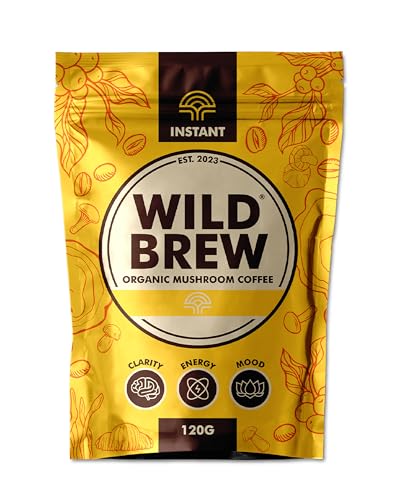
Wild Brew Organic Mushroom Instant Coffee is built around speed and a different flavor proposition. Instant arabica coffee dissolves without a machine, and the listed preparation calls for one teaspoon in 250 to 300 milliliters of hot or cold water, making it useful for offices, hotels, and travel.
The blend includes several mushroom extracts, coconut milk powder, and MCT oil powder, so it will not taste like ordinary black instant coffee for everyone. The listed 16 milligrams of caffeine per serving also makes it a distinct choice from the stronger conventional coffees in this list. My honest read is that the added blend is the main appeal, not a universal upgrade.
The Practical Payoff
- Instant preparation works without a grinder, brewer, or capsule machine.
- Hot and cold water preparation makes it flexible for different routines.
- The 16-milligram caffeine listing is useful for people seeking a gentler cup.
- Coconut milk and MCT powders are intended to soften the finish.
Trade Offs To Consider
- The mushroom, coconut, and oil blend may not appeal to coffee purists.
- Instant coffee has a different aroma profile from freshly ground beans.
- Serving measurements and added ingredients require attention on the label.
Right Fit For
This format fits commuters, travelers, and office workers who value fast preparation and a mild instant coffee with added mushroom extracts.
Another Choice May Suit
Danger Coffee Compostable Medium Roast Pods may suit people who prefer a fuller single-serve cup and can use a capsule brewer.
Danger Coffee Ground Dark Roast is the practical middle path for people who want dark coffee without maintaining a grinder. Its listed notes move through chocolate, nougat, molasses, and smoky oak, giving the cup a roasted character that may work well with espresso, lattes, or cold brew.
Compared with the whole-bean Danger Coffee option, this version trades some brew control for convenience. Ground coffee can be measured directly, but the correct grind still depends on the brewer, so a French press may need a coarser texture than a standard drip basket.
Where It Helps
- Pre-ground coffee saves time during a weekday morning.
- Dark-roast notes suit people who prefer chocolate and roasted flavors.
- The format works with common manual and automatic brewing methods.
- Farm-direct Central American sourcing is identified.
Less-Strong Areas
- Grind size is fixed at purchase and cannot be adjusted later.
- Very dark flavor preferences may not suit medium-roast drinkers.
- Freshness can fade faster in ground coffee than in whole beans.
Made For
This coffee is suited to daily drinkers who want a rich ground option and use a standard drip or press brewer.
Consider Something Else
Fresh Roasted Mexican Decaf K-Cup Pods may be the better fit for a single-serve, caffeine-free evening routine.
VitaCup Low Acid Ground Coffee is a useful choice for people who find coffee too acidic in the morning. The listing describes a low-acid, dark-roast profile with a smooth, chocolatey character, and the ground format works naturally in a drip machine, press, or similar brewer.
Compared with the Danger Coffee grounds, the central distinction is acidity rather than format. Both are dark-roast coffees, but VitaCup gives people a specific reason to choose it: a lower-acid drinking experience. The trade-off is that the flavor description is less detailed about origin and processing than some other entries here.
Real-World Strengths
- Low-acid labeling gives coffee drinkers a clear selection criterion.
- Ground coffee is convenient for standard home brewers.
- Dark-roast chocolate notes may suit people who prefer a fuller cup.
- The listed 11-ounce size is compact for a first bag or smaller household.
Things That May Matter
- Low acidity does not guarantee that every person will perceive the coffee the same way.
- Ground coffee is less flexible than whole beans for adjusting extraction.
- The available size options may not fit a high-volume routine.
At A Glance
Who Will Love This
This is a good fit for people who want a smooth low-acid coffee in an easy-to-use ground format.
Look Elsewhere When
Danger Coffee Whole Bean Medium Roast may suit people who prioritize whole-bean freshness and a lighter, more balanced roast.
VitaCup Low Acid Dark Roast Pods combine the low-acid positioning of the VitaCup ground coffee with single-serve convenience. They are aimed at a household that wants a dark-roast cup without measuring grounds or operating a full-size brew basket each morning.
Unlike the Fresh Roasted Mexican Decaf Pods, these are caffeinated coffee options with a dark-roast profile. The listed pack count makes them easier to evaluate for a small routine, although pod compatibility and storage should be checked before building a recurring order around them.
Everyday Perks
- Capsules simplify morning preparation and cleanup.
- Low-acid labeling offers a distinct reason to consider the coffee.
- Dark-roast chocolate notes suit a familiar robust flavor profile.
- The 16-count pack can be easier to manage than a large coffee bag.
Room For Improvement
- Capsule format depends on a compatible brewer and may create pod waste.
- Pods offer less control over strength and extraction than grounds.
- Flavor variety may be narrower than the available VitaCup ground selection.
Whose Shelf It Belongs On
This option fits dark-roast drinkers who want low-acid coffee and capsule convenience for a daily home routine.
Where Another Pick Shines
Wild Brew Organic Mushroom Instant Coffee is a better fit for travel or office use because it needs only hot or cold water.
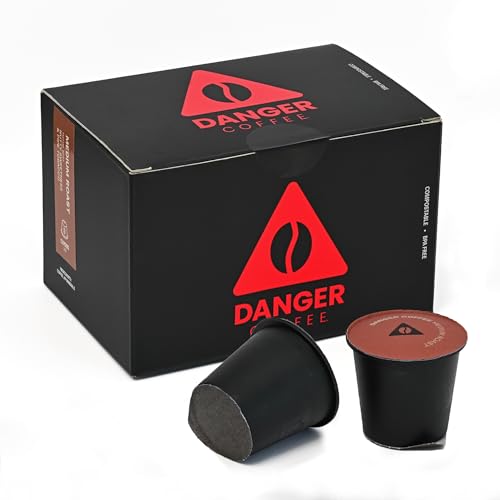
Danger Coffee Compostable Medium Roast Pods put the emphasis on capsule construction and waste handling. The listed 16-gram coffee amount, dense brew bed, and medium-roast profile are designed for people who want a fuller single-serve cup than a small standard capsule may provide.
The compostable, plastic-free design is the central distinction, though local composting facilities may not accept every pod format. Flavor notes of nutty sweetness and pipe tobacco give the coffee a defined profile, while the capsule machine requirement keeps it less versatile than instant coffee or whole beans.
The Case For It
- 16 grams of coffee per pod supports a more substantial single-serve format.
- The compressed brew bed is designed to improve extraction and clarity.
- Medium-roast notes balance nutty sweetness with a darker finish.
- Compostable, plastic-free materials address a different disposal concern.
Details To Watch
- Composting requires access to an appropriate local compost system.
- Capsule brewing still depends on machine compatibility.
- There are 12 pods per pack, so heavy users may need several packs.
Feature Snapshot
Perfect Match For
This pod format fits capsule users who prioritize a fuller serving and compost-aware disposal in a medium-roast coffee.
Swap It Out When
VitaCup Low Acid Ground Coffee may be the better fit for people who want control over brewing and do not need a pod machine.
How To Choose A Coffee That Fits Your Routine
Start with the form that matches the morning routine. Whole beans require a grinder and give the most control, grounds are convenient for standard brewers, pods work with compatible machines, and instant coffee is the most portable. Decaf, caffeine amount, and roast profile matter just as much as format once the equipment is settled.
Match The Format To The Equipment
A French press, drip machine, and capsule brewer each have different coffee requirements. Whole beans are attractive for people who enjoy changing grind size, while ground coffee is more forgiving during a hurried morning. Pods reduce cleanup but create a dependency on a specific machine.
Check The Flavor Description
Dark roast tends to emphasize roasted, chocolate, or smoky notes, while medium roast is usually positioned between lighter and darker profiles. Low-acid labeling may be useful for people who dislike sharper acidity, though it does not predict every person’s reaction. Origin and processing details can provide useful context for choosing between similar products.
Look For Specific Sourcing Information
Mold-screening claims are most useful when the listing names the testing scope, such as mold and pesticides. Organic sourcing, fair-trade sourcing, farm-direct relationships, and processing methods can add useful context, but they should be evaluated separately from flavor. A clear product page is more helpful than broad words without detail.
Key Details Before Choosing
Mistakes Worth Dodging
Do not confuse “mold-free” with a complete description of storage, freshness, or sourcing. Check the package size, machine compatibility, roast, and flavor notes before placing a recurring order. Instant coffee and pods are not interchangeable with whole-bean coffee, and decaf is not the same as low caffeine.
What The Upgrade Pays Off
Higher-priced options may add more specific sourcing, a larger coffee serving, compostable pod materials, or a more elaborate flavor profile. Those details can matter for a daily routine, but a simple ground coffee can still be the sensible choice for occasional use. I would pay more only when the format and sourcing information match the way I actually brew.
Frequently Asked Questions
Are coffees without mold safe to drink?
Coffee products can include screening information about mold, but the label is the best starting point for understanding a specific item. Storage conditions also matter, so sealed packaging and a dry, cool storage area help preserve the coffee.
Which format is easiest to use?
Instant coffee requires only water and a spoon, pods require a compatible machine, and grounds work with many common brewers. Whole beans are less convenient but offer the greatest control over grind size.
Does low-acid coffee have less caffeine?
No. Low acidity describes a flavor or sensory characteristic, not caffeine content. Decaf coffee and regular coffee should be compared separately for caffeine information.
Are compostable coffee pods accepted everywhere?
No. Composting access varies by location and facility, so local disposal guidance should be checked before making compostability part of a routine.
Can I use whole beans in a drip machine?
Yes, but the beans must be ground first. Match the grind to the brewer, and clean the grinder and brew basket regularly to avoid stale residue affecting the cup.
Final Thoughts
The best choice depends on equipment, storage, and the kind of cup I want to drink. Whole beans offer control, grounds favor convenience, pods reduce cleanup, and instant coffee travels well. The strongest fit is the option whose format, flavor, and sourcing details remain useful after the first cup.