

Crema forms from properly extracted espresso, but the coffee itself still sets the tone. Whole beans offer the most control because flavor stays vivid until grinding, while medium roasts and measured doses help home setups produce the rich, golden layer many home baristas want. I considered espresso-focused options alongside two precision accessories that improve distribution and dosing.
A Snapshot Of The Selections
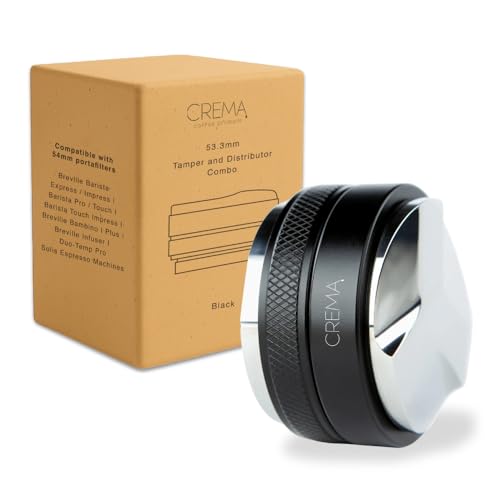
CREMA 53.3mm Breville Tamper & Distributor
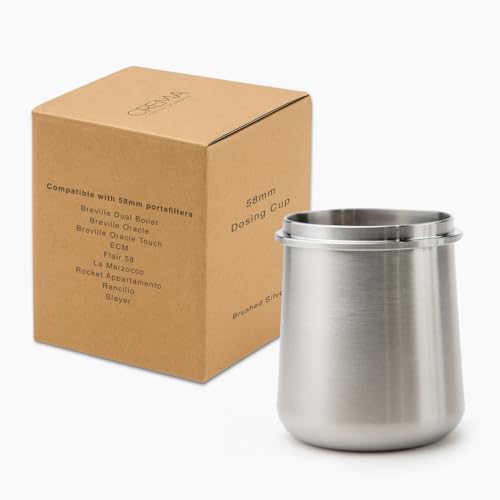
CREMA 58mm Stainless Steel Dosing Cup

Lavazza Dek Filtro Medium Roast Whole Bean Coffee, 1.1LB Bag

Nicoletti Original Espresso Roast Beans, 2.20lb

Danesi Caffè Gold Italian Espresso, Medium Roast, 2.2 lb
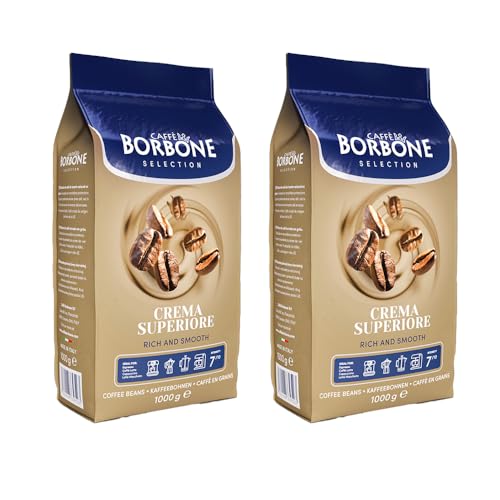
Caffè Borbone Crema Superiore Whole Bean Coffee, 2-Pack

Caffè Borbone Crema Classica Whole Bean Coffee, 2.2 lb

Caffè Borbone 100% Arabica Whole Bean Coffee, 2.2 lb
The Picks, Examined More Closely
This compact tool combines a coffee distributor and tamper for 53.3mm Breville baskets. One side levels loose grounds before the tool is flipped for tamping, reducing the number of implements crowding a busy home espresso station. Compared with the 58mm dosing cup later in the list, it addresses basket preparation rather than weighing the dose.
The working face is specified for common Breville Barista models, including the Barista Express, Pro, Touch, and their Impress counterparts. Fit may vary across other compatible machines, so basket diameter remains the decisive check before ordering.
A Few Strong Suits
- The dual-sided format makes leveling and tamping more consistent.
- Its 53.3mm face suits several widely used Breville Barista baskets.
- Combining two functions keeps a compact countertop workflow streamlined.
Small Caveats
- It will not serve baskets that require a different working diameter.
- Owners still need to remove loose grounds from the basket and tool after each use.
Key Specs
Built With In Mind
This accessory fits home baristas using a 53.3mm Breville machine who want a simpler puck-preparation routine.
Another Choice May Suit
The CREMA 58mm Stainless Steel Dosing Cup suits 58mm machine owners focused on weighing and transferring each dose.
Dosing accuracy starts before the grinder reaches the basket. This stainless steel cup catches the grounds, allows the dose to be weighed, and then transfers it with less scattered coffee than direct basket grinding. That makes the tool more useful for dialing in a new bag or maintaining repeatable shots.
The 58mm opening includes a built-in tab designed to activate compatible grinders. Listed fits include the Breville Dual Boiler, Oracle, Oracle Touch, ECM, and Flair 58, though the machine’s dosing system still needs confirmation before purchase.
The Upside
- Weighing a full dose helps control extraction consistency.
- The stainless steel construction suits frequent kitchen and espresso-station use.
- Tapered walls support a cleaner transfer into the portafilter.
- The grinder tab simplifies dosing on several listed 58mm machines.
Honest Caveats
- Compatibility depends on both basket diameter and the machine’s grinder design.
- Static cling can still leave a light residue, so a dry brush or brief wipe may be useful.
The Right Fit
This dosing cup best serves precision-focused home baristas operating a listed 58mm espresso setup with a scale.
A Better Fit Elsewhere
The CREMA 53.3mm Breville Tamper & Distributor is a stronger match for 53.3mm baskets that need leveler-and-tamper support.
Dek Filtro is the most flexible coffee choice here because it suits drip machines and French press as well as espresso experimentation. Its 60% natural Arabica and 40% Robusta blend brings body and familiar roasted-cereal character, while the Italian production and barrique-style aroma give it a clear regional identity.
Despite the target term, this is not a dedicated espresso selection, and the 1.1-pound bag is smaller than the espresso-focused options. In my view, that makes it a practical introduction to a blend that can move between brewing methods without demanding an espresso-only commitment.
Useful Strengths
- The Arabica-Robusta blend can provide substantial crema potential.
- Whole beans preserve flavor options until each brewing session.
- One coffee can serve espresso, drip, and French press.
Trade Offs
- Robusta may create a fuller, more assertive cup than Arabica-only options.
- The smaller package offers less coffee for high-volume espresso stations.
Feature Snapshot
Made For
This coffee fits mixed-method brewers who want one blend for espresso and less-pretentious daily brewing.
Where A Sibling Pick Shines
Nicoletti Original Espresso Roast Beans better serve a dedicated setup seeking an expressly espresso-focused blend with pronounced crema.
Nicoletti’s blend is built around a direct objective: producing a substantial golden layer in espresso. The 70% Arabica and 30% Robusta mix sits between the lighter Lavazza blend and the more assertive Crema Superione option, offering a middle path for a bold cup. It works with home or commercial espresso machines and stovetop moka pots.
Its light roast is positioned to preserve sweetness while resisting the charred character associated with darker roasts. The 2.2-pound format is more substantial for daily use, although the same beans may taste different in a moka pot than under pressure extraction.
What Helps Most
- Robusta content supports a dense crema-oriented espresso profile.
- The 2.2-pound bag suits households with a steady espresso routine.
- It works across pressure and stovetop brewing methods.
- The light roast can retain sweetness without a heavily burned finish.
Points To Note
- Crema intensity does not guarantee a balanced shot; grind and dose still matter.
- Whole beans need suitable storage away from heat, moisture, and air exposure.
Who It Suits Best
This blend fits drinkers who prioritize visible crema and a fuller espresso body over a delicate Arabica-forward cup.
Look Elsewhere When
Caffè Borbone 100% Arabica Whole Bean Coffee better serves a lighter palate seeking floral, fruity, and gentler sweetness.
Danesi Gold takes a different route from the Robusta-led selections: its espresso blend uses 100% Arabica beans. The medium roast is described as balanced and bold, with honey and caramel notes, a silky body, and an aromatic finish. That profile sounds particularly useful for regulars who want crema without insisting on a heavy-bodied blend.
The source also positions the coffee for espresso machines, French press, and home brewing. For a compact kitchen setup, that flexibility is valuable, though the 2.2-pound bag calls for reasonably steady consumption or airtight storage between sessions.
Useful Touches
- The all-Arabica composition offers a more refined alternative to Robusta blends.
- Honey and caramel notes complement a medium-roast espresso style.
- It supports espresso, French press, and home brewing.
- A medium roast balances familiar roast character with aromatic sweetness.
A Few Limitations
- Arabica may produce a less forceful crema than the selected Robusta blends.
- Espresso flavor will depend heavily on roast freshness, grind size, and extraction balance.
Core Details
Right Fit For
This coffee suits Arabica-focused drinkers who want one medium-roast blend for espresso and additional home brewing methods.
Reach For A Different Pick When
Caffè Borbone Crema Superiore Whole Bean Coffee better serves a routine built around thicker crema and chocolate-vanilla notes.
Crema Superiore is the most practical option for a household or office routine that goes through coffee quickly. The source identifies a pack of two 2.2-pound bags, totaling 4.4 pounds, while its Arabica and Robusta composition emphasizes a substantial espresso result. The medium roast carries chocolate and vanilla notes, making it less stark than a roast built only around roast intensity.
Compared with Crema Classica, the darker chocolate-vanilla profile is the defining difference, while both remain medium roasts built from beans sourced across South America, Africa, and Asia. With two large bags, proper storage becomes more important than with a single smaller bag.
Bright Spots
- Two 2.2-pound bags offer useful volume for frequent espresso service.
- The blend combines Arabica character with Robusta crema potential.
- Chocolate and vanilla notes round out the medium-roast profile.
- Whole beans permit adjustments between espresso and home brewing.
Where It May Fall Short
- The combined package may be excessive for a modest home espresso routine.
- Two bags require airtight, cool storage to preserve aroma and manage freshness.
- The stronger profile may overwhelm a palate accustomed to light roast coffee.
Technical Highlights
Built For
This pack suits high-volume home or workplace espresso setups that value crema and have storage for multiple large bags.
Swap It Out When
Caffè Borbone Crema Classica Whole Bean Coffee better serves a smaller routine wanting caramel, dark chocolate, and nut notes.
Crema Classica offers a middle-sized format for a daily espresso habit. Its medium roast combines Arabica and Robusta beans with caramelized sweetness, dark chocolate, and nut notes. That profile sits more quietly than the denser Crema Superiore selection, which makes it a reasonable starting point for a home machine.
The 2.2-pound package fits the storage capacity of an average kitchen cabinet more neatly than the two-bag Crema Superiore option. Depending on the grinder and basket, some adjustment may still be needed because flavor intensity and crema alone do not establish proper extraction.
Well-Handled Touches
- Medium roasting supports a balance of sweetness and roast depth.
- The Arabica-Robusta blend offers useful crema potential.
- A single 2.2-pound bag suits a steady home espresso routine.
- Chocolate, caramel, and nut notes provide a rounded tasting profile.
Less Ideal Details
- The nut-like tasting note does not mean the coffee is formulated as a nut product.
- Crema may vary with roast age, dose, and extraction settings.
Made For
This blend fits everyday home espresso drinkers who prefer a medium, rounded cup over a bright Arabica-dominant profile.
Consider Something Else When
Danesi Caffè Gold Italian Espresso better serves an Arabica-only preference and a lighter, more aromatic alternative.
Caffè Borbone’s Arabica-only option moves away from the dense sweetness driving the Crema Classica and Crema Superiore blends. Gentle sweetness, balanced acidity, and floral and fruity notes make it the most refined choice for someone accustomed to specialty-cup flavors. It is still labeled as a medium roast suitable for espresso, so the style is approachable rather than experimental.
The beans come from South America and Asia and arrive in a 2.2-pound whole-bean bag. In a light kitchen routine, the larger format may age before consumption, making an airtight container a more useful companion than simply keeping the bag in a cabinet.
Real Benefits
- The 100% Arabica composition excludes the stronger Robusta element found in the other Borbone blends.
- Floral and fruity notes provide more distinction in espresso.
- Balanced acidity can complement a medium-roast brewing profile.
Possible Compromises
- Arabica-only beans may produce a lighter crema than Robusta-containing options.
- Home machines prone to over-extraction may make the balanced acidity more apparent.
- Whole beans need cool, airtight storage to manage flavor loss.
Feature Facts
The Right Fit
This coffee suits drinkers seeking floral and fruity espresso with moderate body rather than the heaviest crema.
A Better Fit Elsewhere
Caffè Borbone Crema Classica Whole Bean Coffee better serves a routine built around fuller body, chocolate, and more visible richness.
What Matters In An Espresso-Focused Blend
Roast level shapes the first impression. Medium roasts commonly balance sweetness, aroma, and roast character, while lighter profiles can reveal acidity and floral notes. The selected coffees range from Arabica-led options to blends containing Robusta, so taste expectations should match composition.
Blend composition is equally important. Arabica tends to bring acidity and varied aromatic character, whereas Robusta contributes body and can support thicker crema. A blend with either bean can taste balanced, but the 60% Arabica and 40% Robusta combinations listed here will usually feel more assertive than 100% Arabica options.
Freshness and package size influence ownership as much as flavor. Whole beans stay flexible until grinding, but exposed coffee loses aroma faster once ground. Smaller bags suit moderate consumption, while 2.2-pound and multi-bag formats work best where espresso use is frequent and airtight storage is available.
Two Practical Checks Before Brewing
Grind settings need to follow the chosen roast and blend. Fine espresso grinds slow extraction, while coarser settings increase flow; changing the coffee can shift what the same setting produces. Moving one notch at a time helps reveal balance without turning routine adjustments into guesswork.
The basket size and machine also matter more than many labels suggest. A coffee blend cannot compensate for an uneven dose, poorly distributed grounds, or an oversized basket. The CREMA accessories in this roundup address those mechanical details on specified 53.3mm and 58mm systems.
Making The Espresso Choice More Deliberately
Mistakes Worth Dodging
Choosing solely by roast color misses the blend composition beneath it. A medium roast containing Robusta may taste fuller and produce denser crema than a similarly colored Arabica-only coffee, so both details deserve equal attention. Package size also deserves a quick check before checkout.
What Separates Premium From Basic
A higher-priced coffee may offer fresher handling, more precise sourcing, or a roast selected for a specific flavor profile. That can matter most in a capable grinder and well-maintained machine, while a simple setup may reveal more benefit from a dependable scale, fresh beans, and consistent preparation.
Frequently Asked Questions
Are Robusta beans better for espresso crema?
Robusta often contributes greater body and crema persistence because of its composition. The resulting flavor can be fuller and more assertive, so an Arabica blend may taste preferable to drinkers who prefer acidity and floral or fruit notes.
Does roast color determine crema thickness?
No. Crema is influenced by coffee composition, roast freshness, extraction pressure, yield, and brew ratio. A medium roast from two different blends can behave very differently in the same machine.
Are whole beans better for espresso?
Whole beans provide more control over grind size and reduce exposure to air before brewing. They are particularly useful for households that alternate between espresso, French press, and other brewing methods.
How much coffee should a 2.2-pound bag last?
Consumption varies with drink size and brewing frequency. A 2.2-pound bag suits a regular routine, while two or more such bags require cool, airtight storage to preserve aroma between uses.
Can medium-roast coffee produce visible crema?
Yes, a properly extracted medium roast can develop substantial crema. Grind adjustment, dose distribution, machine calibration, and coffee freshness remain essential regardless of roast color.
Final Verdict
The strongest match depends on the cup being sought. Caffè Borbone Crema Classica offers an approachable daily balance, Nicoletti Original emphasizes a fuller golden crema, and Danesi Gold provides a smoother Arabica-led route. The beans cannot compensate for poor preparation, though, so the CREMA tamper and dosing cup remain useful companions for correctly sized Breville and 58mm setups.