

Beans For Espresso succeed or fail through freshness, roast profile, and the relationship between density, sweetness, and crema. I’ve organized these picks around home espresso machines, bean-to-cup brewers, cappuccinos, and people who want a dependable cup without overcomplicating the process.
The Costa Rican decaf leads the list for evening drinking, while the Bristot choices cover several distinct styles, from low-acid and balanced blends to a darker, more intense profile. Illy and Joffrey’s offer useful alternatives for drinkers who want recognizable flavor families beyond Italian espresso, and Vittoria’s large format suits households that keep a machine busy.
Your Options, Compared
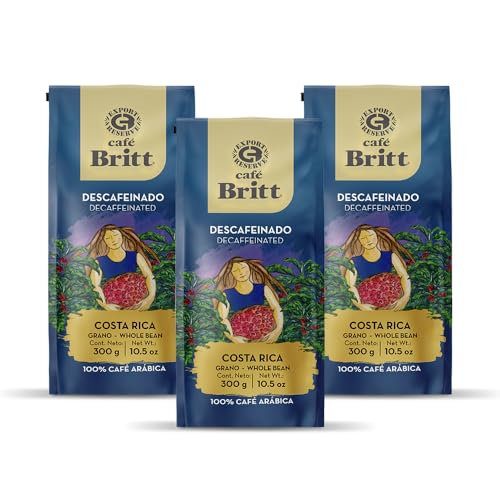
Café Britt Decaffeinated Costa Rican Coffee 3-Pack

Joffrey’s Disney French Bistro Blend 11 oz

Vittoria Espresso Coffee Beans 1kg

Illy Classico Whole Bean Coffee Medium Roast 8.8 oz

Bristot Speciale Italian Espresso Coffee Beans 1kg

Bristot Classico Oro Italian Espresso Beans 1kg

Bristot Classico Espresso Beans 1kg

Bristot Italian Espresso Medium Roast 500g
A Breakdown Of The Leading Choices
Café Britt’s Costa Rican decaf is built for people who still want a substantial espresso after dinner. The Mountain Water Method removes 99.9% of caffeine without relying on chemical solvents, while the Costa Rican beans supply a foundation of chocolate, honey, and clove notes. The three-pack format is practical for a home setup that needs more than one bag on hand.
Unlike the more heavily roasted Italian options, this coffee is described as mild with light acidity and a balanced finish. I’d consider it for evening routines, but espresso extraction can still make a decaf taste tighter or less vivid than a regular roast.
Why It Works Well
- Decaffeination removes 99.9% of caffeine for a late-day option.
- High-altitude Costa Rican beans contribute dense, layered flavor.
- Chocolate, honey, and clove notes work well with milk or sugar.
- Roasted in Costa Rica and sealed in a triple-layer bag for storage.
Things To Consider
- Decaf can taste flatter in a very hot, high-pressure extraction.
- The three-pack may be more than a single household needs.
Who It Suits Best
Evening espresso drinkers and households that want a recognizable coffee ritual without regular caffeinated beans.
Where Another Pick Suits Better
Illy Classico fits people seeking a classic medium-roast espresso profile during daytime hours.
Joffrey’s French Bistro Blend gives a home kitchen a different kind of espresso identity. Its 100% Arabica foundation and dark-roast treatment are described as full-bodied with smoky sweetness, making it a natural choice for cappuccinos and milk-based drinks. The Disney theme also adds a recognizable touch to a weekend coffee setup.
Compared with Café Britt, the profile is darker and more dramatic. That can be a drawback for people who prefer the softer, honeyed balance of the decaf, though the smoky sweetness may suit mature-roast drinkers especially well.
Everyday Wins
- Dark roast adds body and smoky sweetness to espresso.
- 100% Arabica beans provide a straightforward premium-style base.
- The bistro theme fits a dedicated home coffee corner.
Small Caveats
- Dark-roast flavors may obscure delicate fruit notes.
- Owners should grind shortly before brewing for the best aroma.
Made For
Dark-roast fans and people who mainly drink cappuccinos or other milk-forward espresso drinks.
A Better Fit Elsewhere
Bristot Speciale suits home-baristas who want a lower-acidity blend with a more traditional Italian profile.
Vittoria is the practical high-volume choice in this group because the 1 kg size reduces the frequency of replenishment. The listing identifies the coffee as whole, roasted beans, which gives the shop flexibility to grind at the machine and adjust extraction as the roast settles in.
The tradeoff is limited flavor detail. Vittoria provides less information about origin, roast, or tasting notes than the other listings, so the purchase is based more on format and espresso use than on a clearly documented cup profile. I’d favor it for routine brewing rather than precise flavor expectations.
What Pays Off
- The 1 kg format suits regular home espresso consumption.
- Whole beans preserve adjustment options at the grinder.
- Roasted beans are ready for brewing after grinding.
Points To Note
- Flavor and origin details are not specified in the listing.
- The large package may be excessive for occasional use.
Who It Suits Best
Households with an automatic machine or bean-to-cup brewer that consumes coffee every day.
Where A Sibling Pick Shines
Bristot Speciale is a stronger fit when roast, acidity, and a clearly stated espresso flavor profile matter.
Illy Classico is the most restrained choice here for a routine espresso routine. Its medium roast and described notes of caramel, orange blossom, and jasmine point toward a rounded cup rather than the smoky or intensely roasted profiles found elsewhere in the roundup. The 8.8-ounce can also works for a compact kitchen or a second coffee setup.
Compared with Bristot Classico, Illy sounds more aromatic and gently sweet. The smaller package can disappear quickly in a high-use household, but it is easier to manage for occasional drinkers who value a clear flavor identity.
Advantages To Know
- Medium roast supports a balanced espresso profile.
- Orange blossom and jasmine add aromatic distinction.
- Whole beans allow fresh grinding at the brew station.
Potential Drawbacks
- The smaller can may require frequent replenishment.
- Floral notes can be delicate under aggressive extraction.
Right Fit For
Home cooks who want a balanced, aromatic medium roast for short or medium espresso drinks.
Another Choice May Suit
Café Britt is a better fit for evening espresso drinkers who need a decaf with chocolate and honey notes.
Bristot Speciale is built for home machines that need a steady shot with enough weight for milk. The blend combines Brazilian Arabica Cerrado with Robusta from Central America and India, creating a more assertive foundation than a pure Arabica offering. A 1 kg bag also suits a machine used for espresso, cappuccino, or repeated café-style drinks.
The 6/10 acidity description should appeal to people who find bright coffees tiring, while the medium roast keeps the cup from becoming excessively dark. The tradeoff is that the Robusta portion can produce a more pronounced body than someone seeking only delicate floral notes.
Real Benefits
- Arabica and Robusta combine sweetness with extra body.
- Low acidity supports a fuller espresso profile.
- Works for espresso machines and cappuccino preparations.
Practical Considerations
- Robusta may be more intense than delicate-coffee drinkers prefer.
- Flavored notes change as beans age after roasting.
Key Specs
Built With In Mind
Home baristas making cappuccinos or lattes who want a substantial, low-acid espresso base.
Swap It Out When
Illy Classico is a better fit for a gentler, aromatic medium-roast cup.
Bristot Classico Oro takes a more aromatic route than the denser Speciale profile. Its medium roast is described as smooth and full-bodied, with chocolate, malt, and walnut notes that should translate well into a single or double espresso. The 1 kg format gives a home machine a substantial supply, especially for a household that drinks several café-style drinks each morning.
The low-acid positioning is useful for drinkers who prefer a rounded cup, while the suggested use for bean-to-cup brewers makes this practical for automatic setups. I’d still start with the machine’s standard recipe before increasing pressure or grind fineness.
Benefits That Matter
- Chocolate and malt create a rounded, familiar espresso base.
- Walnut notes add a roasted, nutty character.
- Medium roast balances sweetness with depth.
- 1 kg format supports frequent brewing.
A Few Limitations
- Low acidity may feel muted to fans of fruit-forward coffee.
- Flavor depends on grinding fresh and avoiding long storage.
Feature Snapshot
The Right Fit
Bean-to-cup owners who want a smooth medium roast with chocolate, malt, and walnut character.
Look Elsewhere When
Bristot Speciale fits drinkers who want a stronger low-acid profile and a more explicit Arabica-Robusta composition.
Bristot Classico is the most intense selection here. The medium and Full City roast description, paired with tobacco, wood, and milk chocolate notes, points to a dark, full-bodied espresso rather than a bright or floral cup. The stated 10/10 intensity makes it a logical match for people who want their machine to produce a concentrated, substantial result.
That intensity can overwhelm lighter roast preferences, and the 1 kg bag may be more practical for a daily drinker than a casual user. Compared with Classico Oro, the profile is less creamy and aromatic and more forceful, though both share a low-acid, medium-roast foundation.
Noteworthy Benefits
- Full City roasting gives espresso a deeper roasted profile.
- Tobacco and wood notes suit strong, traditional coffee drinkers.
- Milk chocolate adds a familiar sweetness note.
- 1 kg format suits daily machine use.
Where It May Fall Short
- The intense profile may overpower milk or delicate brewing recipes.
- Darker oils can require regular grinder cleaning.
Who Will Love This
Experienced espresso drinkers who prefer strong, roasted cups and a substantial mouthfeel.
Reach For A Different Pick When
Bristot Classico Oro suits people who want a softer medium-roast espresso with chocolate, malt, and walnut notes.
Bristot Italian Espresso is the compact practical option in this group. The 500 g format is easier to manage than the 1 kg bags, while the medium roast is described as aromatic, smooth, and full-bodied. Its cocoa, spice, and cereal aroma gives the beans a warm profile that should work with a home espresso machine, particularly for drinks with milk.
Compared with Vittoria, this pick provides more flavor direction, and compared with Classico, it is less explicitly intense. The smaller package may be sensible for a starter setup or a kitchen with limited storage, although frequent drinkers may replace it sooner.
A Few Highlights
- 500 g size suits smaller storage spaces.
- Medium roast balances aroma and body.
- Cocoa, spice, and cereal notes create a warm cup profile.
Things That May Matter
- The 500 g bag may run out quickly in a busy household.
- Medium-roast character can shift during storage.
Quick Facts
Built For
Home-barista beginners, compact kitchens, and households that brew espresso several times a week.
Consider Something Else When
Vittoria is a better fit for people who prioritize a 1 kg supply over a detailed flavor profile.
Factors To Consider When Choosing Beans For Espresso
Roast level
A medium roast gives a useful middle ground for home espresso machines. Darker beans can create stronger roasted notes and body, but they may make a short grind feel harsh or overpowering.
Arabica and Robusta
Arabica generally brings sweetness and a broader range of fruit, floral, and chocolate notes. Robusta contributes more body and crema, which can help a blend taste fuller in a small shot.
Acidity
Acidity is the brightness that gives a coffee its lift. Lower-acid beans tend to feel rounder and heavier, while higher-acid coffees can taste sharper and more fruit-forward.
Freshness and storage
Whole beans stay flexible until grinding. Keep them sealed, dry, and away from heat, then grind only the amount needed for each brew.
The Small Details Behind The Cup
Common Shopping Slip Ups
Choosing a dark roast only because “espresso” appears on the bag can oversimplify the decision. A one-kilogram bag may also be excessive for occasional use, while a small package can work better for a new machine or compact kitchen.
What Separates Premium From Basic
More detailed origin and roast information can help shoppers match flavor to their machine and drinks. A larger bag may cost more at the point of purchase, but frequent brewers may find the greater volume more practical.
Frequently Asked Questions
Are medium-roast beans good for espresso?
Medium-roast beans can produce balanced espresso with noticeable sweetness and body. The result also depends on the bean, grinder, machine, and recipe.
What does low acidity mean for coffee?
Low acidity generally creates a rounder and heavier cup. It may appeal to drinkers who find bright, sharp coffees less comfortable.
Should espresso beans be ground before brewing?
Freshly grinding whole beans immediately before brewing helps preserve aroma. Pre-ground coffee loses aroma more quickly, especially after opening.
Are Arabica and Robusta beans different?
Arabica usually offers more delicate sweetness and complexity. Robusta adds body, bitterness, and crema, which can be useful in an espresso blend.
How much coffee should I buy?
A 500 g bag suits occasional use or a small kitchen. A 1 kg bag is more practical for frequent espresso drinkers, provided the beans are stored sealed and dry.
Final Verdict
The most versatile starting points are Bristot Speciale for a fuller low-acid cup, Illy Classico for a rounded medium roast, and Café Britt for caffeine-free evening espresso. Bristot Classico suits drinkers who want intensity, while the 500 g Bristot option keeps the commitment smaller. Choose based on roast character, acidity, and how much coffee the household actually uses.