

Brown rice can fit a rushed weekday lunch or a weekend side dish, but choosing well comes down to texture, preparation time, and the kind of meal being planned. Some options use a single traditional grain, while others combine brown rice with quinoa, red rice, flaxseed, vegetables, chickpeas, or beans for a more substantial result. I’ve separated plain pantry rice, microwaveable blends, cereal, and prepared bowls so the practical differences are easy to see.
A Quick View Of The Lineup
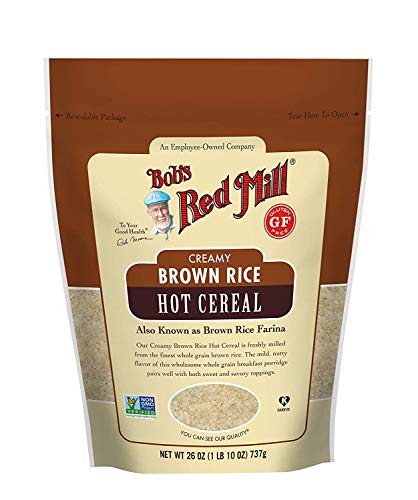
Bob’s Red Mill Brown Rice Farina Hot Cereal 26 oz (Pack of 4)

SEEDS OF CHANGE Organic Rice Variety Pack Quinoa, Brown and Red Rice

SEEDS OF CHANGE Organic Quinoa and Brown Rice Variety Pack

SEEDS OF CHANGE Organic Quinoa, Brown and Red Rice with Flaxseed

SEEDS OF CHANGE Organic Brown Basmati Rice Microwave Pouch 8.5 oz 6 Pack

SEEDS OF CHANGE Organic Jasmine Rice 8.5 oz Pouch (Pack of 12)
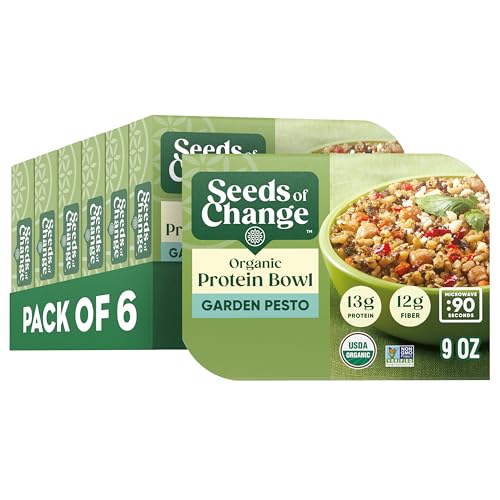
SEEDS OF CHANGE Organic High Protein Bowl Garden Pesto 9 oz (Pack of 6)

SEEDS OF CHANGE Organic High Protein Bowl Harvest Herb 9 oz (Pack of 6)
The Strengths Of Each Pick
Brown rice farina is a farina, or finely processed grain cereal, rather than the chewy kernels served beside dinner. That distinction makes Bob’s Red Mill useful for a quick breakfast, particularly on busy mornings where a creamy bowl takes less planning than a traditional cooked cereal.
Unlike the pouch formats that follow, this option must be cooked and can become thick, so a careful liquid ratio matters. I favor it for households that eat hot cereal often and want a mild, smooth base rather than a substantial grain blend.
Features That Help
- Four 26-ounce bags create a substantial pantry reserve.
- Stovetop and microwave preparation accommodate different kitchens.
- The smooth texture works well with fruit, nuts, or spices.
- Its mild profile pairs easily with familiar breakfast toppings.
Small Caveats
- It is cereal rather than a conventional brown rice side dish.
- The cooked consistency depends on the liquid ratio, which is worth adjusting gradually.
At A Glance
Who It Suits Best
It suits frequent hot-cereal users, busy households, and people who prefer a creamy texture over distinct rice grains.
Look Elsewhere When
SEEDS OF CHANGE Organic Brown Basmati Rice Microwave Pouch suits people who want a pre-cooked side dish instead of a cooked breakfast cereal.
Two pouch varieties make this pack more useful than a six-pouch box devoted to one flavor. One combines quinoa, brown rice, and garlic, while the other pairs brown and red rice with flaxseed, allowing lunches and dinner plates to change without cooking a batch from scratch.
Compared with the single-grain basmati option later in the lineup, this blend offers a nuttier and more varied texture. I see it as a sensible match for commuters, packed lunches, and households that want whole-grain rice without a separate seasoning routine.
A Few Highlights
- Two distinct blends reduce menu fatigue across six pouches.
- Each 8.5-ounce pouch offers a portion suited to lunch or a side dish.
- Quinoa adds a small-seeded texture to the rice blends.
- Flaxseed introduces extra nuttiness in the brown and red rice combination.
- Microwaveable packaging reduces post-work cleanup.
Practical Considerations
- The mixed textures may not suit people who expect a single consistent rice grain.
- Owners may need to separate or stir the pouch contents carefully for an even serving.
Feature Snapshot
Made For
This variety pack fits commuters, lunch planners, and mixed-grain fans who value multiple flavors in one pantry case.
Another Choice May Suit
SEEDS OF CHANGE Organic Quinoa, Brown and Red Rice with Flaxseed fits people who prefer one consistent flavor across every pouch.
Black quinoa and brown rice give this assortment a more pronounced grain texture, while the basmati variety brings a familiar long-grain character. Garlic supplies a savory note that works particularly well beside roasted vegetables, beans, or baked fish.
The earlier flaxseed pack offers red rice and two flavor directions; this one stays closer to a brown-rice and quinoa profile. In my view, it best serves packed lunches where texture variety is welcome, but stronger garlic flavor isn’t.
Practical Pluses
- Quinoa and brown rice create a textured alternative to plain basmati.
- Garlic makes the blend practical for savory bowls and side dishes.
- The case includes two complementary varieties for easy rotation.
- Individual pouches suit lunches, small households, and portion control.
Minor Gripes
- It lacks the red rice and flaxseed found in the earlier variety pack.
- Quinoa and whole-grain rice can produce a firmer texture than jasmine rice.
- Pouch storage occupies more pantry shape than buying one loose grain container.
Built With In Mind
This assortment suits people building vegetable bowls, grain salads, or quick lunches with a preference for quinoa textures.
Where Another Pick Shines
SEEDS OF CHANGE Organic Rice Variety Pack Quinoa, Brown and Red Rice offers more grain and seed variety for people who rotate flavors frequently.
Brown rice, red rice, black quinoa, and brown flaxseed create a more texturally complex side than the garlic-focused packs. The red and brown rice grains offer subtle color variation, while quinoa and flaxseed bring smaller components with a slightly different bite.
Microwave preparation is specified at about 90 seconds, making this a practical option for office lunches or a quick dinner side. I favor it for people who intentionally want a grain medley, though the texture will not imitate plain brown basmati.
Notable Gains
- Four grain and seed components add visual and textural variety.
- Red rice complements the softer brown rice profile.
- Flaxseed contributes a mild nutty note to the blend.
- Microwave preparation supports fast office and travel-day meals.
Details To Watch
- People seeking one uniform rice texture may find the mixed components too varied.
- Microwaved grains can dry unevenly, so stirring during heating may improve consistency.
Technical Sheet
The Right Fit
This blend fits grain-bowl fans, office workers, and people who prefer a hearty medley with multiple textures.
Reach For A Different Pick When
SEEDS OF CHANGE Organic Brown Basmati Rice Microwave Pouch better serves people wanting a consistent, garlic-free side dish.
Plain brown basmati gives this pouch a broader role at the table than the multi-grain packs. It can remain the featured grain, absorb curry or sauce, or accompany vegetables without competing flavors making each spoonful feel different.
The pouch is also intended for microwave or skillet preparation, and its listed 90-second microwave time offers a convenient benchmark. Compared with SEEDS OF CHANGE Organic Jasmine Rice, this choice has a longer-grain identity and a more firmly textured profile, which I prefer for heavily seasoned meals.
What It Does Well
- A single grain remains predictable beside sauces and vegetables.
- Microwave and skillet methods offer practical flexibility.
- Six pouches simplify portioning for lunches and quick sides.
- The whole-grain basmati character suits curry, beans, and roasted vegetables.
Where It May Fall Short
- Plain brown rice offers less texture variety than the quinoa blends.
- Individual pouches create more packaging than one bulk container.
- Microwave timing may vary with the appliance and desired consistency.
Who Will Love This
It suits meal-prep users, sauce-heavy dish cooks, and households wanting a neutral brown-rice side without mixed grains.
A Better Fit Elsewhere
SEEDS OF CHANGE Organic Jasmine Rice 8.5 oz Pouch suits diners who prefer a lighter, aromatic grain with a more distinct long-grain texture.
Jasmine rice brings a nutty aroma and mild sweetness that work well in protein bowls, stir-fry-style meals, and side dishes. Its grains remain separate rather than forming a sticky mass, which can make topping distribution easier at the table.
This pack contains 12 pouches, giving it the largest stated pouch count in the lineup. Compared with the brown basmati choice, jasmine is lighter in feel and less earthy, making it a more direct fit for Southeast Asian-inspired meal planning.
Everyday Advantages
- Long grains support a separate, non-sticky texture.
- The mild sweetness complements vegetables, beans, and proteins.
- Individual pouches support fast lunch assembly.
- Twelve pouches offer broader pantry coverage than the six-pouch cases.
Potential Compromises
- Jasmine rice is less deeply flavored than the quinoa and flaxseed blends.
- A larger case may not suit a small household with limited storage.
- The aroma may not appeal to people favoring nutty, rustic brown rice.
Quick Facts
Best Suited To
This rice fits home cooks, meal-prep users, and fans of aromatic grains who regularly build bowls with vegetables and protein.
Consider Something Else When
SEEDS OF CHANGE Organic Rice Variety Pack Quinoa, Brown and Red Rice fits people wanting stronger seed and red-rice textures in each serving.
Unlike the side-dish pouches, this is a composed meal with brown rice, quinoa, chickpeas, mixed vegetables, and basil pesto. That structure matters for a rushed lunch because it replaces the separate rice, vegetable, and protein components that normally require several containers.
The listed microwave time is 90 seconds, making it practical for office breaks or light evening meals. I see it as the most direct lunch option in this group, although the pesto profile narrows its appeal compared with the herb-seasoned bowl that follows.
The Case For It
- Brown rice and quinoa provide a mixed-grain base.
- Chickpeas add a substantial plant-based component.
- Mixed vegetables avoid assembling several side dishes.
- The nine-ounce pouch is compact for individual lunches.
- Basil pesto supplies the bowl’s defining flavor.
Where It Is Less Suited
- Pesto may not suit diners seeking a neutral rice accompaniment.
- Prepared-food packaging creates more waste than a reusable meal container.
- Microwave timing can affect vegetable and grain consistency across appliances.
Right Fit For
This bowl suits busy commuters, vegetarian diners, and office workers who want a composed lunch with minimal assembly.
Skip It When
SEEDS OF CHANGE Organic High Protein Bowl Harvest Herb better serves people wanting four grains, beans, sweet potato, and herb seasoning instead of pesto.
Four whole grains, beans, sweet potato, and mixed vegetables give this prepared bowl more compositional variety than the Garden Pesto version. The grain base is supported by several ingredient categories, which makes it a practical choice for a meal intended to stand on its own.
Sweet potato, corn, and red pepper create a different flavor profile from basil pesto, while warm herb seasoning offers a more neutral foundation. I favor it for home lunches and light dinners, though people wanting precise control over rice texture may prefer the individual pouches.
What Earns Its Place
- Four whole grains create a more varied base.
- Beans and sweet potato add substance beyond plain rice.
- Corn and red pepper contribute color and vegetable texture.
- Herb seasoning works for people who prefer pesto’s stronger flavor.
- Microwave preparation is specified at 90 seconds.
- Six nine-ounce bowls support repeated individual lunches.
Possible Drawbacks
- A prepared bowl offers less portion control than a single rice pouch.
- Sweet potato may not suit diners seeking a strictly grain-focused side.
- Microwave reheating can dry vegetables in appliances with uneven power.
Core Details
Whose Shelf It Belongs On
It belongs on the shelf of meal-prep users, vegetarian diners, and people seeking a substantial grain bowl with minimal assembly.
Where A Sibling Pick Shines
SEEDS OF CHANGE Organic High Protein Bowl Garden Pesto better serves people who want chickpeas, brown rice, quinoa, and a basil-forward lunch sauce.
Choosing Brown Rices for Everyday Meals
Start With Texture
Brown rice ranges from a smooth farina cereal to intact, chewy grains and multigrain medleys. People wanting a neutral accompaniment should favor basmati or jasmine options, while quinoa, red rice, and flaxseed blends provide more pronounced texture.
Match the Meal to the Format
Microwave pouches work well for offices, travel days, and quick sides. Prepared bowls suit people who want rice, vegetables, and plant-based components in one package, while dry grains offer more control over seasoning and batch cooking.
Check the Serving Size and Storage
A six-pouch case may suit a smaller household better than the 12-pouch jasmine pack. Individual pouches simplify portioning, but they create more packaging than storing one grain in a reusable container.
Consider Stronger Flavor
Garlic and flaxseed change the character of a rice side dish, while herb seasoning and pesto create more distinct meal profiles. A plain grain is generally easier to pair with varied sauces and leftovers.
Getting Brown Rice Details Right
Wrong Turns To Avoid
The most common mistake is choosing by grain name without considering texture or meal format. A cereal may be called brown rice but function entirely differently from intact grains, and a prepared bowl cannot substitute directly for a side-dish pouch.
What The Extra Variety Buys
Mixed-grain packs add quinoa, red rice, flaxseed, or several whole grains, creating a more complex bite than a single-grain option. That variety benefits grain-bowl fans, while plain basmati remains more adaptable across recipes and weekly meal plans.
Frequently Asked Questions
What Is the Healthiest Brown Rice Choice?
The healthiest choice depends on the entire meal and dietary needs. Plain whole-grain brown rice offers a straightforward base, while quinoa and flaxseed blends add other plant-based components.
Are Brown Rice Pouches Easier Than Stovetop Rice?
Microwave pouches usually require fewer steps and less cookware. Stovetop rice takes more attention but provides greater control over seasoning and final texture.
Which Option Works Best for Meal Prep?
Plain basmati and jasmine pouches are versatile bases for weekly lunches because they pair with varied sauces and proteins. Prepared bowls offer faster assembly for people who want vegetables and legumes included.
Can Brown Rice Be Served With Curry?
Yes, and the intact brown and basmati grains hold up well under thick sauces. Jasmine rice offers a lighter texture, while quinoa blends bring additional nuttiness and firmness.
Final Thoughts
I find that the right brown rice depends on the meal, not on a universal winner. Plain basmati earns the most flexible kitchen role, mixed grains serve texture-focused bowls, and prepared options make packed lunches easier. Daily commuters may favor pouch convenience, while cooks who control seasoning benefit from a simple pantry grain.