

Whole cacao pods, raw nibs, powder, and chocolate-making feves serve very different purposes, so choosing by the product name alone can lead to an expensive pantry mistake. I selected options for home chocolatiers, bakers, smoothie makers, and curious cooks, with special attention to processing, sweetness, packaging, and practical format.
The Shortlist At A Glance

Tropical Fruit Box Fresh Cacao Pods, 6 Pieces

Navitas Naturals Organic Raw Cacao Nibs, 16 oz

OHM Cacao Organic Raw Powder, 33 Servings
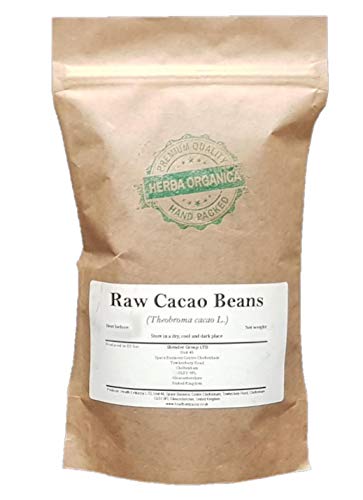
Herba Organica Raw Cacao Beans, 450g
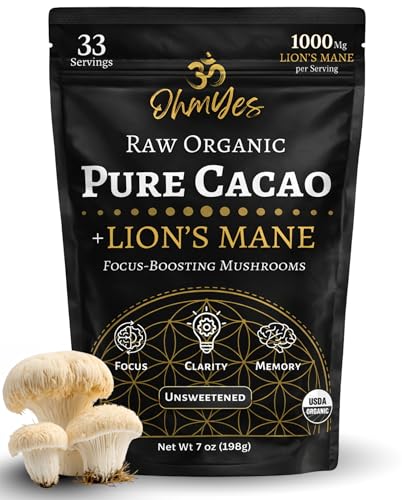
OhmYes Lion’s Mane Cacao Drink Mix, 33 Servings

OhmCacao Pure Cacao and Raw Honey Bundle

Crio Bru Brewed Cacao Double Chocolate Light Roast

Valrhona Jivara 40% Milk Chocolate Feves, 3 lbs
The Details Behind The Selections
Fresh cacao pods sit at the far opposite end of this roundup from pantry-ready powder. Six whole pods give adventurous cooks the chance to open, examine, ferment, roast, and grind the seeds inside rather than start with a convenience ingredient.
That makes the format especially useful for home chocolatiers exploring bean-to-bar methods. In an ordinary kitchen, six fruits may be a serious commitment, so I’d reserve them for a dedicated processing session rather than a quick weekday drink.
What It Does Well
- Whole pods create a hands-on starting point for small-batch chocolate.
- Six pieces provide several fruit-shaped cacao sources for tasting and comparison.
- Fresh pods offer a distinctive alternative to conventional baking chocolate.
Points To Note
- Fresh fruit has a short storage window, so prompt processing is important.
- Pod processing requires sorting, handling, and fermentation knowledge.
At A Glance
Built With In Mind
This format fits experimental home chocolatiers who enjoy fermentation, roasting, and small-batch production.
A Better Fit Elsewhere
Navitas Naturals Organic Raw Cacao Nibs suit everyday cooks who want cacao without the pod-processing work.
Raw cacao nibs are the practical middle ground between Tropical Fruit Box’s whole pods and bagged powder. These nibs retain a crisp texture and concentrated cocoa character, so they work as a direct add-in to smoothies, yogurt, bread, or trail snacks without needing a grinder.
The pack contains four 16-ounce bags, which is useful for frequent use or separate storage. Based on the format, I see the strongest fit for households that add cacao regularly and value flexibility over precise flavor design.
Where It Delivers
- A ready-to-eat texture makes nibs easy to add to snacks.
- Four separate bags help divide a large supply across uses.
- The intense cocoa flavor suits both sweet and savory recipes.
- Each 16-ounce bag offers a practical volume for regular pantry use.
Small Caveats
- Large pieces may need a quick pulse in a blender for finer texture.
- The strong flavor may dominate delicate baked goods.
- Whole nibs do not provide the even dispersion of powder.
Quick Facts
The Right Fit
Frequent smoothie makers, snackers, and home bakers will appreciate the ready-to-use nib format.
Where A Sibling Pick Shines
OHM Cacao Organic Raw Powder fits cup cakes, brownies, and drinks that need a smooth, evenly blended texture.
OHM Cacao powder is built around a short ingredient list and low-temperature processing. Peruvian-sourced cacao is milled without added sugar or alkalization, leaving a bold powder that can carry bitter, bright, or deep chocolate notes depending on the recipe.
That makes it more demanding than sweetened drinking chocolate but valuable for bakers building flavor from scratch. For busy kitchens, the powder dissolves easily and avoids the separate roasting and grinding associated with whole beans.
Points In Its Favor
- The single-ingredient format gives bakers direct control over sweetness.
- Low-temperature milling is intended to retain more of the cacao’s natural character.
- Batch screening checks for cadmium and lead before the powder reaches the pantry.
- One powder works in drinks, sauces, and baked goods.
Honest Caveats
- Raw, non-alkalized cacao can taste more acidic than Dutch-processed cocoa.
- Moisture exposure can cause powder to clump, so the container needs a dry location.
- It is not a ready-sweetened beverage mix.
Feature Breakdown
Made For
Detail-focused bakers and experienced hot-chocolate drinkers will value the unprocessed flavor and ingredient control.
Another Choice May Suit
Crio Bru Brewed Cacao Double Chocolate Light Roast serves coffee-drink users who prefer a ground brew over baking powder.
Whole raw beans offer more control than cacao nibs, yet require less work than the tropical pods in Tropical Fruit Box. They are a sensible starting point for anyone interested in controlling roast profiles, removing shells, and deciding how finely to grind the beans.
The 450-gram pack also appears straightforward to divide into several small batches. Depending on the equipment available, that matters more for advanced hobbyists than people seeking an instant chocolate drink.
Features That Help
- Whole beans support custom roasting and grinding.
- No additives or preservatives keep the ingredient list simple.
- The stated sustainable sourcing adds context for cacao-focused households.
- A 450-gram quantity is manageable for small trial batches.
Trade Offs
- Raw beans have a firm texture and are not ready for a drink without processing.
- Roasting and grinding require suitable kitchen equipment and attention.
- Flavor consistency can depend heavily on the chosen roast profile.
Who It Suits Best
Hobbyist roasters and emerging home chocolatiers gain useful control from the whole-bean format.
Reach For A Different Pick When
Navitas Naturals Organic Raw Cacao Nibs better serve morning smoothies and quick snacks without preparation.
OhmYes shifts away from bean and nib formats with a powdered drink blend. Its core pairing is raw organic cacao and lion’s mane mushroom, creating a minimally sweetened alternative to conventional hot-chocolate mixes containing sugar, milk solids, or thickeners.
I’d see the two-ingredient composition as the decisive detail for minimalists. People seeking pure cacao flavor may notice a stronger mushroom presence, so the blend works best for shoppers who specifically want both ingredients together.
Notable Upsides
- Two simple ingredients limit recipe clutter.
- The cacao remains raw and unsweetened.
- Powder format suits quick preparation in a mug or blender.
Where It May Fall Short
- Lion’s mane changes the flavor profile for drinkers seeking cacao alone.
- The mix is less flexible than plain powder for baking.
- Humidity may make this powder clump, so the resealed container should stay dry.
The Numbers That Matter
Whose Shelf It Belongs On
Minimalist pantry keepers and drinkers who intentionally want cacao paired with mushroom will find the format practical.
Not Your Match When
Ohm Cacao Organic Raw Powder is the cleaner option for recipes requiring cacao alone and full control over added ingredients.
This bundle pairs a 7-ounce bag of raw organic cacao powder with a 250-gram jar of coffee blossom honey carrying coffee-fruit extract. Unlike OHM Cacao Organic Raw Powder, the unsweetened base gains sweetness from a separate pantry ingredient, making portion control more deliberate but mixing slightly more involved.
The pairing is especially useful during a workday: cacao and honey can be combined in a mug, blender, or pitcher without reaching for a sweetened mix. The honey’s floral character may also complement darker cacao styles, depending on personal taste.
The Helpful Details
- Separate powder and honey let each ingredient be dosed independently.
- The included sizes support a repeatable home drink routine.
- Raw cacao retains a less-alkalized profile than Dutch-processed cocoa.
- Coffee-fruit-infused honey adds distinct flavor notes to the bundle.
Practical Considerations
- The honey dissolves most evenly in a hot liquid or blender.
- Anyone omitting honey may find plain cacao too intense for a quick drink.
Who Will Love This
Home drink makers who want raw cacao and a separate natural sweetener will appreciate the adaptable pairing.
Consider Something Else When
OhmYes Lion’s Mane Cacao Drink Mix is simpler for anyone wanting both cacao and a second functional-style ingredient in one scoop.
Crio Bru treats cacao as a coffee alternative: roasted, ground, and prepared in a French press or drip machine. That brewing connection distinguishes it from the whisks-in-a-mug approach used by powdered mixes such as OhmYes.
The light roast is designed to maintain a dark-chocolate profile, which may appeal to office kitchens already equipped for coffee. I wouldn’t substitute it directly into cake batter, though, because this is a beverage format rather than baking powder.
A Strong Showing
- Works with familiar coffee equipment such as a French press.
- Ground cacao creates a brewed aroma and drinking texture.
- The light-roast profile centers the flavor on chocolate rather than roast notes.
- Multiple package sizes accommodate different storage habits.
Where It Is Less Suited
- Brewing equipment is required to prepare it as intended.
- Fine-particle residue may need extra care with some brewers.
- It has less flexibility than plain powder for exact recipe dosing.
At A Glance
Best Suited To
Coffee drinkers and shared-office kitchens will appreciate using familiar brewing equipment for chocolate.
Skip It When
Valrhona Jivara 40% Milk Chocolate Feves suit bakers who need pre-portioned chocolate rather than a coffee-style drink ingredient.
I’m including Valrhona Jivara as the practical endpoint of the roundup, though it is not a bag of raw cacao beans. Feves are small, uniform discs of 40% milk chocolate made for melting, tempering, molding, and decorating.
That format gives pastry cooks predictable pieces that are easier to portion than a large chocolate block. Compared with the raw choices here, it delivers a finished, sweeter chocolate profile rather than a minimally processed ingredient.
Everyday Wins
- Uniform discs simplify portioning and chocolate decoration.
- The three-pound quantity supports repeated pastry projects.
- A 40% milk profile provides a creamy counterpoint to bitterness.
Less-Strong Areas
- It does not cover raw cacao, powder, nibs, or whole-bean needs.
- Milk chocolate is unsuitable for dairy-free recipes.
- Heat-sensitive chocolate still requires careful handling during melting.
The Right Fit
Home pastry cooks making molded chocolates, decorated cakes, and other milk-chocolate desserts will find the disc format useful.
A Better Fit Elsewhere
Herba Organica Raw Cacao Beans serve chocolate makers who need an unprocessed starting ingredient for roasting and grinding.
Choosing The Right Cacao Format
Start with the finished dish. A hot beverage calls for powder or brewed ground cacao, chocolate-making calls for raw beans or nibs, and baking may call for finished chocolate discs. Fresh pods belong in the processing category rather than the everyday pantry category.
Next, decide how much processing belongs in the kitchen. Whole pods and beans require opening, sorting, roasting, and grinding; nibs and powders reduce that work. Crio Bru takes a different route by brewing roasted ground cacao with coffee equipment.
Sweetness and ingredient control are equally important. Plain raw powder gives recipes the widest latitude, while honey bundles and prepared drinks simplify flavoring. Always check whether milk solids, sugar, preservatives, or other additions are part of the desired recipe.
Raw Versus Finished Cacao
Raw cacao is generally minimally processed and can taste more bitter or acidic. Dutch processing reduces some acidity, creating a milder cocoa profile, while finished milk chocolate adds sugar and dairy solids. Each suits a different recipe, so processing style matters as much as the word “cacao.”
Matching Format To Storage
Whole beans and fresh pods need the most attention because freshness declines over time. Powder keeps well only when protected from moisture, while resealable bags help limit exposure. Honey and finished chocolate are comparatively forgiving, although clean utensils still reduce contamination and spoilage risks.
Practical Cacao Buying Traps
Mistakes Worth Dodging
Many selections mix beans, powder, drinks, and finished chocolate under one category name. Check the package format before purchase, and don’t assume that “cacao” means the same texture or sweetness level across products. A brewable ground product and baking feves serve completely different jobs.
What Separates Premium From Basic
Higher-priced cacao may add more precise sourcing, selected origins, lower-temperature processing, batch screening, or resealable packaging. Those attributes can matter to serious chocolate makers, but ordinary drink drinkers may value flavor and convenience more than elaborate provenance. A shorter ingredient list can also be worth more than a glossy package.
Frequently Asked Questions
What is the difference between cacao beans and cacao powder?
Cacao beans are whole seeds removed from the fruit pod. Cacao powder is produced by processing and grinding those beans, making it more convenient for drinks and baking.
Are cacao beans healthier than chocolate?
That comparison depends on added sugar, milk solids, and processing. Raw beans and unsweetened powder are closer to the original ingredient, while finished chocolate offers a sweeter, more convenient form.
Can I eat raw cacao beans directly?
Raw cacao is bitter and has a firm, sometimes waxy texture. Most culinary uses involve roasting and grinding, while some recipes use purchased nibs directly.
Which cacao format is easiest for baking?
Unsweetened cacao powder is usually the most versatile baking form because it blends smoothly into batter and disperses evenly in drinks. Finished chocolate discs provide an easier option for melting, molding, and decorating.
Should I store cacao powder in the refrigerator?
Airtight, cool, dry storage is the main requirement. Refrigeration can add moisture condensation, so powder is generally better kept sealed at stable room temperature.
Wrap Up
Fresh pods reward experimental chocolate makers, whole beans suit home roasters, and nibs cover the widest range of everyday recipe uses. Plain raw powder gives bakers the greatest control, while coffee-style cacao, honey bundles, and finished feves remove particular processing steps. The honest read is simple: choose the format that matches the recipe, not the broadest description on the label.