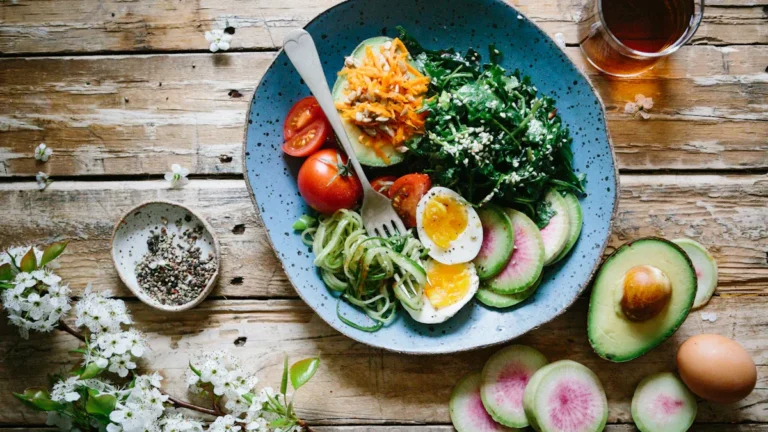
Healthy seeds can fit neatly into several routines: adding texture to breakfast, creating satisfying snacks, or starting a small indoor garden. I focus on practical differences such as preparation, flavor, package size, and growing needs, because “healthy” is too broad a term to make every seed equally useful. From pantry staples to sprouting mixes, these picks serve different kitchens, lunchboxes, and growing spaces.
How The Shortlist Stacks Up

Zen Basil Seeds, 14oz
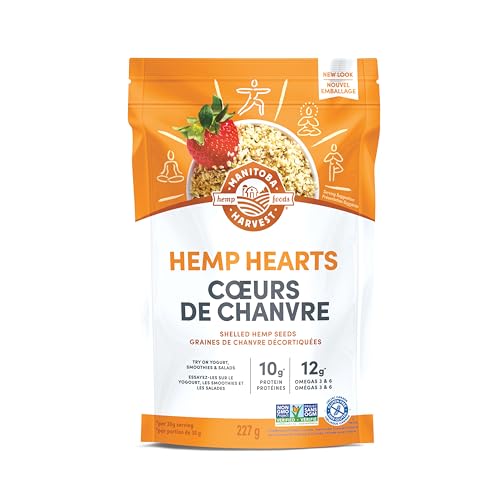
Manitoba Harvest Shelled Hemp Hearts, 227 GR

Spitz BBQ Sunflower Seeds, 6 Ounce Bags

CanMar Foods Whole Golden Roasted Flaxseed, 16 oz

Nature Jim’s Sprout Organic Broccoli Seeds, 8oz

Nature Jim’s Sprouts Organic Alfalfa Seeds, 16 oz

Nature Jim’s Sprouts Salad Mix, 1lb

Terrasoul Superfoods Organic Brown Flax Seeds, 6 Lbs
Why These Options Stand Out
Basil seeds bring a slightly different pantry presence than the shelled hemp hearts later in this list. Their swelling texture works especially well in drinks, yogurt, oatmeal, and chilled sauces, so I see them as a useful option for people who enjoy seeds but do not want a strong roasted flavor.
The source lists two tablespoons as 15 grams of fiber, making portion size easy to compare with other toppings. It also identifies the seeds as kosher, plant-based, paleo, keto, and gluten-free, giving shoppers with specific pantry requirements a concise set of filters.
Positive Points
- The seeds fit smoothies, oatmeal, yogurt, salads, soups, jams, sauces, and baked goods.
- They add a texture distinct from standard chopped basil leaves.
- Multiple dietary labels support several menu-planning routines.
- The listed minerals and omega fatty acids broaden their pantry appeal.
- Prebiotic content may interest shoppers seeking fiber-focused foods.
Points To Note
- The gel-like texture may not suit people who dislike seeds in drinks or yogurt.
- Very small seeds can be difficult to measure evenly during busy breakfast preparation.
- Storage in a cool, dry place helps protect the seeds from moisture and heat.
Key Product Details
Who It Suits Best
I recommend these seeds for plant-based cooks, drink makers, and home bakers who value measured fiber and texture more than roasted flavor.
Another Choice May Suit
Manitoba Harvest Shelled Hemp Hearts suit shoppers who prefer a ready-to-eat seed with a softer, meal-style texture.
The defining advantage here is simplicity: these are shelled hemp hearts, so no cracking or removing tough outer shells is part of the routine. For a quick weekday breakfast or a batch of homemade baked goods, that convenience can matter more than the compact 227-gram package.
Unlike Zen Basil Seeds, which change the texture of drinks, hemp hearts tend to function more like a small pantry ingredient. The limited source information leaves flavor and nutrient details unspecified, so my recommendation rests on the ready-to-use form and recognized ingredient type rather than assumptions.
Real Benefits
- Shelled seeds save time during meal and baking preparation.
- Small seeds distribute easily through oatmeal, cereal, or batter.
- The format works for individual portions and small-batch recipes.
- Hemp hearts offer a useful texture without a shell-cracking step.
Minor Gripes
- The 227-gram size may run out quickly in a frequently used household.
- Owners commonly report that hemp hearts can become rancid after prolonged storage, so an airtight container and cool location are sensible.
- Flavor expectations may be too broad without more specific listing information.
- The smaller package offers less storage value than Terrasoul Superfoods Brown Flax Seeds.
Quick Facts
Made For
I see this format as especially practical for busy home cooks who add seeds to breakfast bowls, smoothies, and baking mixtures every few days.
Consider Something Else When
Spitz BBQ Sunflower Seeds fit people who want individually roasted, strongly flavored snack portions rather than a neutral baking ingredient.
Where the first two choices emphasize pantry versatility, this pack is built around snacking and sharing. Twelve individual 6-ounce bags cover film night, game day, lunch packs, or a table filled with several flavor options, which gives it a different role from baking-focused seeds.
The source names Salted Caramel, Spicy Sweet Chili, and Sweet & Salty profiles. It also describes fire-roasting in small batches and selecting seeds for a high kernel-to-shell ratio, although the full context mentions eight flavors while only three are identified in the supplied data.
Noteworthy Benefits
- Single-serving bags simplify portioning for parties and travel.
- Roasted seeds bring stronger flavor than many raw pantry seeds.
- Three named profiles cover sweet, salty, and spicy preferences.
- Small-batch fire roasting supports a more consistent finished texture.
- Twelve bags make the pack convenient for multiple households or events.
Small Caveats
- Roasted sunflower seeds can become stale sooner than uncooked pantry seeds.
- The listed flavor names may not represent the full assortment referenced in the background information.
- Opened bags benefit from a clip or airtight container for storage.
- Shell fragments can appear despite the stated kernel-to-shell ratio.
Right Fit For
I recommend these bags for hosts, casual snackers, and commuters who value portioned servings and several roasted flavor directions.
A Better Fit Elsewhere
CanMar Foods Whole Golden Roasted Flaxseed suits breakfast toppings and baking, where the lighter seed format is more useful than large sunflower kernels.
Golden roasted flax fills the gap between raw pantry seeds and flavored snacks. I find it particularly useful for spooning over yogurt or cereal because roasting adds a more noticeable flavor, yet the small whole seeds still work naturally in pancake batter and baking mixes.
The supplied information lists whole and milled flax forms, 4 grams of fiber and 3.5 grams of omega-3 fatty acids per listed serving, and suitability for gluten-free and keto-style eating. The honest trade-off is that whole seeds remain intact, so some people prefer grinding them for a smoother texture.
What Pays Off
- Roasting creates a more noticeable flavor than plain whole flax.
- The pouch is convenient for yogurt, cereal, pancakes, and baking.
- Listed fiber and omega-3 amounts provide useful serving context.
- Both whole and milled forms support different texture preferences.
- The 16-ounce package balances pantry volume with manageable weight.
Trade Offs
- Whole seeds can remain firm in foods that do not provide enough moisture.
- Owners commonly grind flax to release its oils and create a smoother consistency.
- Golden color and roasted flavor may not suit recipes calling for an earthy raw appearance.
- Repeated moisture exposure can affect texture, so the pouch should stay closed.
Feature Snapshot
Whose Shelf It Belongs On
I place this pouch on shelves belonging to frequent breakfast eaters, bakers, and people who prefer roasted seed flavor.
Where Another Pick Shines
Terrasoul Superfoods Brown Flax Seeds serve high-volume kitchens better with three 2-pound pouches and a raw format.
Broccoli sprouting shifts the list from eating packaged seeds to growing them. These seeds suit a kitchen counter or small indoor growing area where fresh sprouts can become part of salads, sandwiches, and meal prep without occupying much land.
The background description positions the seeds for indoor and outdoor sprouting and identifies the 8-ounce pouch as organic and non-GMO. Since successful sprouting depends on rinsing, draining, airflow, and clean handling, I would treat this as a gardening project rather than a zero-effort pantry addition.
The Case For It
- Dedicated broccoli seeds keep the growing project simple and focused.
- The format works for both indoor counters and outdoor growing spaces.
- Fresh sprouts can be prepared in small batches as needed.
- The non-GMO and organic designations match common growing preferences.
- An 8-ounce pouch is practical for home sprouting routines.
Points To Keep In Mind
- Sprouts require regular rinsing and drainage to keep the growing environment clean.
- Results can vary with temperature, airflow, seed handling, and the method used.
- The source does not provide sprouting equipment, so a jar, tray, or separate system may be needed.
Who Should Grab It
I recommend this option for home gardeners and kitchen hobbyists who want one crop for fresh broccoli sprouts without managing a multi-seed mix.
Look Elsewhere When
Nature Jim’s Sprouts Salad Mix is the better fit for people who prefer several sprout varieties in one growing routine.
Alfalfa seeds shift the sprouting section toward a larger, single-ingredient supply. The 16-ounce pouch is twice the weight of the broccoli option, which can be helpful for regular growers who want to repeat batches without moving between multiple seed containers.
Unlike the broccoli seeds, alfalfa provides a mild sprout base commonly used in salads, sandwiches, and wraps. The source describes the seeds as non-GMO, organic, and free from additives or fillers, although the growing process still demands careful rinsing and drainage.
Everyday Perks
- The 16-ounce pouch supports repeated home-growing cycles.
- Alfalfa sprouts offer a flexible topping for salads, sandwiches, and wraps.
- A single-seed format simplifies sorting and growing decisions.
- Additive-free and non-GMO attributes suit ingredient-conscious gardeners.
Practical Considerations
- Regular rinsing, draining, and airflow are necessary throughout sprouting.
- A larger pouch needs cool, dry storage between growing cycles.
- The 16-ounce size may be excessive for occasional growers.
- No included growing equipment is identified in the supplied data.
At A Glance
Built With In Mind
I recommend this pouch for frequent home sprouters who mainly want alfalfa and prefer a larger, dedicated supply.
Reach For A Different Pick When
Nature Jim’s Sprouts Salad Mix is easier for variety seekers because it combines broccoli, alfalfa, clover, and radish seeds.
Broccoli, alfalfa, clover, and radish make this the broadest growing option in the list. For people building salad-style microgreens at home, that variety can prevent a single-flavor routine from becoming repetitive and may produce a more interesting mix of shapes and colors.
The background states that the blend may begin producing microgreens in as little as five days, but timing depends on the growing setup and handling. I would treat that as an early possibility rather than a fixed schedule, and I would keep rinsing and equipment cleaning consistent.
Everyday Wins
- Four seed types add variety to homegrown salad toppings.
- The 1-pound pouch suits growers making regular batches.
- Broccoli, alfalfa, clover, and radish create a mixed texture profile.
- Microgreens can be grown indoors or outdoors.
- The source identifies the blend as organic and non-GMO.
Less- Ideal Details
- Different seeds can mature at slightly different rates, making an even harvest less predictable.
- Small radish and clover seeds require careful handling to avoid accidental crowding.
- Moisture left in the growing vessel can affect the batch, so drainage matters.
Perfect Match For
I recommend this mix for variety-seeking home growers who want a changing assortment rather than one dedicated sprout crop.
Swap It Out When
Nature Jim’s Sprout Organic Broccoli Seeds are more practical for a beginner who wants to manage only one seed type at first.
Six pounds of raw brown flax is the volume choice here, and it contrasts directly with CanMar Foods’ roasted 16-ounce pouch. This format makes more sense for households using flax regularly in oatmeal, smoothies, cereal, sauces, and baking rather than treating it as an occasional garnish.
The seeds arrive as three 2-pound pouches, which makes them easier to divide across storage containers or use at different rates. The source identifies them as organic, Earth Kosher, non-GMO, raw, gluten-free, and vegan, while also noting their omega-3 fatty acid content.
Points In Its Favor
- Three 2-pound pouches provide substantial pantry capacity.
- Separated pouches make the total supply easier to portion.
- Raw brown seeds suit smoothies, cereal, baking, and savory dishes.
- The listed dietary attributes support varied meal-planning needs.
- Omega-3 fatty acids give the staple a clear nutritional role.
Possible Compromises
- Six pounds may be excessive for occasional use or limited storage.
- Raw whole seeds can stay firm unless ground, especially in dry foods.
- Owners commonly find refrigeration or a cool pantry location useful for longer storage.
- The pack is bulkier than a standard 1-pound flax pouch.
Technical Reference
Who Will Love This
I recommend the three-pouch set for frequent flax users, meal-prep households, and home bakers who want a larger on-hand supply.
Not Your Match When
CanMar Foods Whole Golden Roasted Flaxseed is the better fit for smaller households and people who prefer toasted flavor over raw seeds.
What to Match With Your Pantry and Routine
Whole flax, shelled hemp hearts, and basil seeds behave differently in food. Whole flax becomes more tender when ground and mixed with moisture, while hemp hearts stay soft and ready to spoon, and basil seeds form a gel-like coating in liquid foods. Match the form to the dish before considering package size.
Flavor is another useful dividing line. CanMar Foods offers roasted golden flax, Spitz centers its sunflower seeds on seasoned roasting, and the remaining pantry options stay closer to simple ingredients. Roasted seeds suit people who want taste built in, while raw or uncoated seeds leave more room for the surrounding recipe to lead.
Sprouting requires a different kind of decision. Broccoli-only and alfalfa-only pouches simplify crop tracking, while the four-seed salad mix adds variety but requires more careful handling as different seeds develop. A clean container, steady rinsing, and effective drainage matter more than countertop space.
Packaging should follow actual use. The 227-gram hemp-heart pouch and 8-ounce broccoli-seed pack suit smaller routines, while the 1-pound sprouting mix and 6-pound flax set work better for frequent growers or households with ample dry storage.
Before Choosing Seeds for Daily Use
The easiest mistakes start with expectations. Whole flax and hemp hearts are not interchangeable toppings, and basil seeds are valued partly for their texture rather than their flavor. I would compare serving size, preparation, and the dish being prepared before narrowing the choice by diet labels alone.
Storage is the second issue. Roasted snacks need protection from air and moisture, raw seeds need a cool location, and sprouting seeds must remain dry and clean before use. Buying a large package without a proper storage plan can turn a practical pantry staple into clutter.
For pantry seeds, package size and handling usually explain the cost difference more than exotic quality claims. Bulk flax becomes more useful as frequency rises, while a smaller pouch can prevent unused seeds from lingering. The right format depends on consistent recipes and available storage.
For sprouting seeds, capacity matters less than reliable handling and the variety I actually want. A single crop may simplify sorting, while a blend may create a more interesting harvest. Extra volume does not remove the need for rinsing, drainage, airflow, and clean storage containers.
Frequently Asked Questions for Healthy Seeds
Are raw or roasted seeds better for everyday use?
Raw seeds preserve a more neutral flavor and blend easily into smoothies, oatmeal, and baking. Roasted seeds provide stronger flavor and texture, which can work well in snacks and toppings.
Should flax seeds be ground before eating?
Whole flax can remain firm in dry foods, especially baked goods. Grinding creates a finer texture and can be easier to mix into moist dishes.
Which seed works best for sprouting at home?
Alfalfa suits growers who mainly want a mild salad-style sprout. Broccoli offers a single-crop alternative, while the salad mix provides greater variety.
What should I look for in a seed package?
Net weight, flavor, form, storage needs, and intended recipe matter most. Dietary labels can narrow the field for specific meal requirements.
How should seeds be stored?
Most pantry seeds benefit from a cool, dry location and an airtight container. Sprouting seeds need clean handling and dry storage between growing cycles.
Final Verdict
I would choose Zen Basil Seeds for texture, Manitoba Harvest for shelled convenience, and CanMar Foods for roasted breakfast toppings. Spitz handles portioned snacking, the Nature Jim’s options serve different growing styles, and Terrasoul fits high-volume flax storage. Matching the seed to the actual routine matters more than chasing a broad nutrition label.