Low carb baking depends heavily on the flour used, and an ordinary one-for-one swap often changes the dough’s structure, moisture, and flavor. I’ve narrowed the field to almond, coconut, tiger nut, pecan, cashew, vital wheat gluten, and ready-to-mix options for grain-conscious kitchens. The right choice depends on the recipe, the tolerance for nut flavor, and the convenience needed in a busy kitchen.
For a daily commute, travel days, and a busy kitchen, keep flour sealed in a cool, dry pantry. Tropical flours can dry out faster than nut flours, while fresh-baked results depend more on recipe ratios and storage than on brand names alone.
The Main Contenders

Nature’s Eats Almond Flour 64oz

Bob’s Red Mill Coconut Flour

Kate Naturals Vital Wheat Gluten 12oz

Anthony’s Tiger Nut Flour, 1 lb
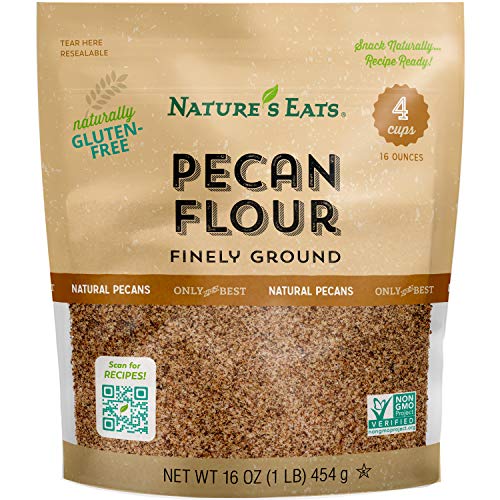
Nature’s Eats Pecan Flour, Finely Ground, 16 Oz
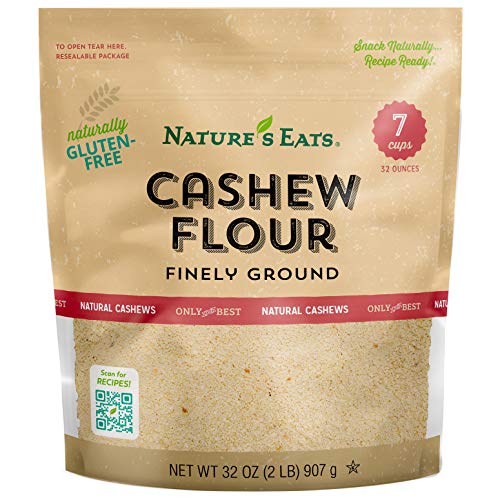
Nature’s Eats Cashew Flour, 32oz

FitBake Low Carb Chocolate Cake Mix, 2g Net Carbs, 8.75oz

FitBake Low Carb Yellow Cake Mix, 2g Net Carbs, 7oz
Inside Each Recommended Option
The 64-ounce package makes sense for a household that bakes several times a month, since pantry turnover matters more than novelty. Blanched almond flour carries a relatively neutral flavor, which helps cookies, muffins, and quick breads avoid a pronounced raw-nut edge. It can still produce a slightly denser crumb than wheat flour, so recipe-specific ratios remain important.
That balance also separates it from Bob’s Red Mill Coconut Flour, which absorbs more moisture and tends to carry a more noticeable coconut profile. I favor this almond option for everyday baking, where the flavor should support cookies and cakes rather than dominate them. The large package may be excessive for occasional experimentation, though.
What Works In Its Favor
- The blanched style supports a relatively subtle almond taste.
- A 64-ounce bag suits frequent baking and reduces pantry replenishment.
- The flour can serve in sweet recipes, while its nut profile still adds a baking note.
- The package size works for batch cookies, muffins, and family-size portions.
Small Caveats
- Almond flour cannot usually replace wheat flour cup for cup without recipe adjustments.
- Owners commonly report that humidity affects nut flour, making airtight storage useful.
Made For
This package fits households preparing frequent low-carb cookies, muffins, and quick breads in a home kitchen.
A Better Fit Elsewhere
Bob’s Red Mill Coconut Flour fits cooks who want a lighter, moisture-absorbing alternative for pancakes and savory coatings.
Coconut flour is a distinct pantry ingredient rather than a drop-in replacement for ordinary flour. It is highly absorbent, so recipes often need additional liquid, and the result can be dry or dense when ratios are guessed. I use it deliberately for muffins, pancakes, cookies, and coatings rather than treating it as a universal wheat substitute.
This Bob’s Red Mill option brings organic sourcing and a 16-ounce single pack to the list, while the source data doesn’t offer a multi-pack variant. The flour’s mild coconut note works well in recipes with chocolate or warm spices, though it may stand out in a plain cake. Compared with Nature’s Eats Almond Flour 64oz, it is more compact but less forgiving in liquid measurements.
The Value In It
- Organic sourcing gives shoppers another selection criterion beyond package size.
- The flour works in sweet and savory applications, including coatings.
- Its absorbent texture can create tender muffins and pancakes when measured correctly.
- The 16-ounce pouch is practical for a first test or occasional recipes.
Trade Offs To Consider
- High absorbency makes unadjusted cup-for-cup substitutions risky.
- Coconut flavor may be noticeable in plain baked goods, depending on taste preferences.
- Owners commonly report clumping after moisture exposure, so resealing promptly is worthwhile.
Quick Facts
Who It Suits Best
Home cooks making pancakes, muffins, cookies, or savory coatings appreciate its versatility and mild tropical profile.
Where Another Pick Shines
Nature’s Eats Almond Flour 64oz serves frequent bakers who prefer a larger package and less pronounced coconut flavor.
Vital wheat gluten is a concentrated wheat protein used to strengthen dough and create seitan, a chewy wheat-protein food. It is not ordinary low-carb flour, so labeling it as a general baking replacement could create confusion. I treat it as a specialized ingredient for bread, pizza dough, and seitan projects.
The 12-ounce package suits cooks experimenting with those applications, including a busy kitchen that values protein-forward ingredients. It is soy-free and low-fat according to the provided background, but those attributes don’t make it broadly suitable for gluten avoidance. Compared with almond or tiger nut flour, the use case is narrower and more technical.
A Few Strong Suits
- It gives bread and pizza dough an added protein structure.
- Seitan recipes can use it as the central wheat-protein ingredient.
- The 12-ounce size supports smaller experimental batches.
- Soy-free and low-fat positioning fits certain specialized recipe plans.
Potential Drawbacks
- It is unsuitable for anyone avoiding wheat or gluten.
- Dough development requires careful hydration and handling, so novices may find it technical.
- Owners commonly report that moisture exposure makes the powder harder to work with, so storage matters.
Feature Snapshot
Built With In Mind
Experienced home cooks making seitan, pizza dough, or high-structure bread benefit most from this ingredient.
Reach For A Different Pick When
Nature’s Eats Almond Flour 64oz serves gluten-conscious cooks making general desserts rather than seitan.
Tiger nut flour offers a grain-free alternative with a texture that can work well in cookies, cakes, and crusts. It is made from tigernuts, which are not true grains, although the ingredient name can cause confusion in casual conversation. I favor it for cooks who want a neutral profile rather than a pronounced coconut or tree-nut flavor.
The one-pound package is substantial enough for regular baking, and the source describes it as organic, non-GMO, and suited to paleo and keto recipes. It may not provide the same structure as a nut flour in every application, so recipes designed for alternative flours are the safer starting point. Compared with Nature’s Eats Cashew Flour 32oz, the flavor is generally less creamy but more versatile for plain cakes.
Useful Touches
- The one-pound format supports repeat baking and larger batches.
- Tigernut flour can provide a neutral base for cookies, cakes, and crusts.
- Organic and non-GMO positioning suits ingredient-conscious kitchens.
- Its grain-free profile serves selected paleo and keto recipes.
A Few Limitations
- It is not a nut flour, despite the similar market category.
- Cake texture may need adjustments compared with a wheat-based recipe.
- Owners commonly report that fine powders need airtight containers to preserve texture.
Core Details
Right Fit For
Paleo-oriented home cooks making cookies, cakes, and crusts appreciate its mild profile and one-pound format.
Another Choice May Suit
Nature’s Eats Cashew Flour 32oz better fits cooks seeking a creamy tree-nut flavor in frostings and bars.
Pecan flour is most compelling for cooks who want nut flavor to be part of the finished texture, not merely a background note. The finely ground form can blend into batters for pancakes, muffins, cookies, and pie crusts, although the flavor will remain noticeable. It is a more expressive choice than tiger nut flour or blanched almond flour.
The 16-ounce package is sensible for a dedicated low-carb baker experimenting with pecan profiles or building a small dessert rotation. The source positions it as a grain-free, vegan nut meal, which gives it a distinct use compared with the more neutral flours. Compared with Nature’s Eats Cashew Flour 32oz, pecan flour brings a darker, more toasted profile, while the cashew option leans creamy.
Where It Helps
- Finely ground texture can help batters mix more evenly.
- Pecan flavor suits cookies, muffins, pancakes, and pie crusts.
- The 16-ounce pouch supports a focused nut-baking pantry.
- Vegan positioning fits plant-based dessert plans.
Where It May Fall Short
- The flavor may overwhelm recipes that call for a neutral base.
- Small batch sizes may run out quickly for frequent bakers.
- Owners commonly report that ground nuts can become compressed or stale after repeated opening, so resealing is important.
Who Will Love This
Home bakers making pecan-forward cookies, muffins, and crusts get the most useful balance of texture and flavor.
Look Elsewhere When
Anthony’s Tiger Nut Flour, 1 lb better serves cooks who want a neutral grain-free base for cakes and cookies.
Cashew flour is a practical alternative for dessert bars, cookies, sauces, and recipes that benefit from a mild buttery-nut profile. The finely ground texture is useful for mixing into batters, but cashew flavor can deepen during baking. I favor it for a few deliberate recipes rather than assuming it will behave like an equal volume of wheat flour.
The 32-ounce size gives more room for batch cooking than the 16-ounce options from Bob’s Red Mill and Nature’s Eats Pecan Flour. It is also described as finely ground, non-GMO Project Verified, and suitable for keto-friendly baking. Compared with Nature’s Eats Almond Flour 64oz, the package is smaller but the flavor is likely to feel more substantial.
Noteworthy Benefits
- Fine milling supports smooth incorporation into batters.
- The 32-ounce pouch suits frequent dessert and bar recipes.
- Cashew flavor adds richness to cookies, frostings, and fillings.
- Non-GMO Project Verified provides a specific sourcing detail for label-conscious shoppers.
- The flour works for both sweet and savory applications.
Practical Considerations
- Cashew flavor is more noticeable than the flavor of blanched almond flour.
- Tree-nut allergies make this option unsuitable for shared kitchens with nut sensitivity.
- Owners commonly report that ground cashews need a tightly sealed container to remain dry and mixable.
Feature Facts
The Right Fit
Tree-nut-friendly households making bars, cookies, sauces, and creamy desserts get the most from this finely ground option.
Consider Something Else When
Bob’s Red Mill Coconut Flour offers a more distinctive tropical note for cooks who prefer a non-nut base.
A chocolate cake mix solves a different problem from a bag of flour: it removes the need to calculate sweetener, cocoa, flour, and leavening for a single dessert. The 8.75-ounce package is aimed at low-carb cooks who want a quick chocolate bake, and the title states 2 grams of net carbs per serving. I see it as a convenient starting point for a weeknight dessert, not a replacement for flexible flour recipes.
Compared with FitBake Low Carb Yellow Cake Mix, 2g Net Carbs, 7oz, this version brings a chocolate profile and a slightly larger package. It may be less useful for savory coating or bread than the single-ingredient picks. The mix also limits control over texture and flavor, which is the honest trade-off for a shortcut.
The Case For It
- The ready-made format saves time in a busy kitchen.
- Chocolate flavor is built in without assembling several separate ingredients.
- The 8.75-ounce package is manageable for a small dessert batch.
- The listed 2-gram net carb figure makes portion planning easier than an unmeasured flour swap.
Possible Compromises
- The mix offers less control over sweetness, density, and frostings than baking from flour.
- Per-serving carbohydrate figures depend on how many portions the finished cake yields.
- Owners commonly report storing baking mixes sealed and dry, since moisture makes cake mixes clump.
Where It Belongs
Time-conscious home cooks making an occasional low-carb chocolate dessert benefit most from this shortcut.
Skip It When
Anthony’s Tiger Nut Flour, 1 lb better fits experienced bakers who want full control over crumb and flavor.
Yellow cake mix is a sensible first step for someone who follows low-carb eating but does not routinely reformulate baked goods. The 7-ounce package centers the dessert formula, and the title lists 2 grams of net carbs per serving, no added sugar, zero sugar, and a formulation made without gluten. I value the convenience, especially for a quick birthday dessert or small batch.
Compared with FitBake Low Carb Chocolate Cake Mix, 2g Net Carbs, 8.75oz, this version leaves more room for berries, whipped topping, or citrus flavors. The trade-off is less control over the base recipe, and the small package may not suit large gatherings. Still, it is easier to use than any of the individual flours in this roundup for a first baking attempt.
What Helps Most
- The ready-mix format lowers the learning curve for first-time low-carb bakers.
- A plain yellow-cake base supports fruit, chocolate, or citrus toppings.
- The listed 2-gram net carb figure provides a clear portion target.
- The 7-ounce size works for a small dessert or personal-sized bake.
Details To Watch
- The mix leaves less room for adjusting sweetness or structure.
- A small package may be limiting for a group celebration.
- Owners commonly report keeping the mix sealed in a dry cabinet to protect its texture.
Technical Highlights
Made For
First-time low-carb bakers making a small celebratory cake get a straightforward path from mix to dessert.
Where A Sibling Pick Shines
FitBake Low Carb Chocolate Cake Mix, 2g Net Carbs, 8.75oz serves cooks who prefer a ready chocolate base instead of a plain yellow cake.
How To Choose Flours for the Right Recipe
Choosing a low carb flour starts with the recipe’s structure, not the package claims alone. Flour changes absorption, flavor, and how well a batter rises. I also consider storage, the number of people being served, and whether a shortcut mix is more useful than a full-size baking ingredient.
Match The Flour To The Structure
Almond and cashew flours can create rich, compact results, while coconut flour absorbs considerably more liquid. Tiger nut flour often offers a milder base, and pecan flour brings more obvious nut character. The best fit depends on cookies, muffins, pancakes, crusts, or bread rather than on a universal ranking.
Account For Moisture And Storage
Nut and coconut flours can be sensitive to humidity, so an airtight container helps protect texture. A larger 64-ounce package reduces replenishment for frequent baking, but it may be unnecessary for occasional experiments. Smaller 7-ounce or 12-ounce packages can make trial and specialty use more practical.
Check The Claims On The Label
Dietary labels can help narrow the list, but the ingredient list and serving directions matter just as much. Vital wheat gluten is a specialized wheat protein rather than a general grain-free flour. Ready mixes trade flexibility for convenience, making them practical for beginner cooks and small dessert batches.
The Details Behind a Better Baking Choice
Common Shopping Slip Ups
Many low-carb recipes are not designed for a direct cup-for-cup wheat flour swap. Coconut flour needs extra liquid, nut flours can alter sweetness, and vital wheat gluten serves a different purpose entirely. I also check package size before ordering, since tiny specialty bags can be more useful for trials than large pantry bags.
What Separates Premium From Basic
Premium packaging may offer larger sizes, finer milling, or more specific sourcing details. A larger bag can suit frequent baking, while a smaller pouch can make experimentation easier. The useful upgrade is the one that matches the intended recipe and the kitchen’s actual baking rhythm.
Frequently Asked Questions
Can low carb flour replace wheat flour one for one?
Usually not. Alternative flours vary in moisture absorption, structure, and flavor, so recipe adjustments are often necessary.
Which low carb flour works best for cookies?
Almond, cashew, pecan, and tiger nut flour can work. The best choice depends on whether a neutral, creamy, or nutty flavor is preferred.
Is coconut flour difficult to bake with?
Coconut flour absorbs more liquid than ordinary flour. Measuring carefully and using a recipe written for coconut flour reduces the chance of dry or dense results.
Is vital wheat gluten suitable for low-carb bread?
It is a concentrated wheat protein used for structure and seitan, not a grain-free flour substitute. It suits selected bread and seitan recipes rather than every baking plan.
Which option is easiest for beginners?
The FitBake yellow and chocolate cake mixes require less formula adjustment. A flour-based option provides more control once the recipe is familiar.
Final Thoughts
The best low carb flour depends on the recipe, flavor preference, and tolerance for adjustment. Almond flour offers a versatile pantry base, coconut flour absorbs moisture, cashew and pecan flour bring stronger nut notes, and tiger nut flour stays relatively mild. For a first dessert, a ready mix can make the process easier, while frequent bakers may prefer a larger single-ingredient bag. Choose the format that fits the kitchen, then adjust the recipe around the flour rather than expecting every substitute to behave identically.