Choosing cocoa powder is harder than it looks. A baking project can tolerate ordinary supermarket cocoa, but a carefully layered cake, a sharp drinking chocolate, or a batch of truffles usually benefits from deeper flavor and a cleaner finish. I focus on fat content, processing style, sweetness, dietary fit, and how each powder behaves in brownies, drinks, custards, and frozen desserts.
The Essentials At A Glance
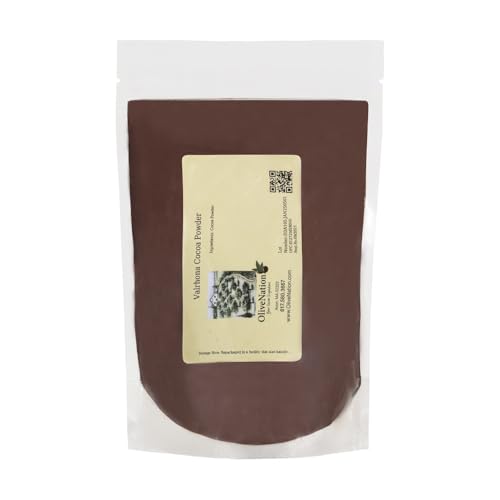
Valrhona #159 20/22% Fat Cocoa Powder, 1 lb
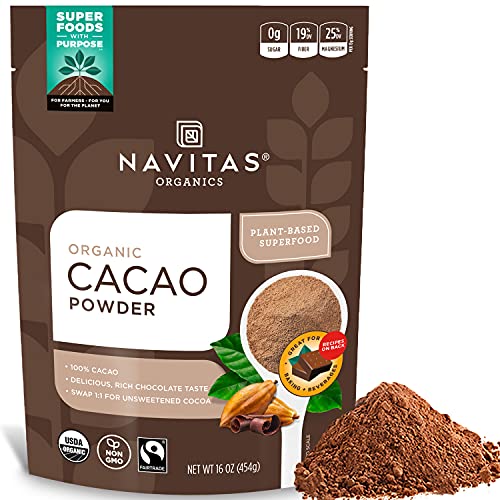
Navitas Organics Cacao Powder, 16 oz

Nutricost Organic Cocoa Powder, 1.5 lb

One Farm by WAAYB Organic Cacao Powder, 1 lb

One Farm by WAAYB Organic Cacao Nibs, 7 oz
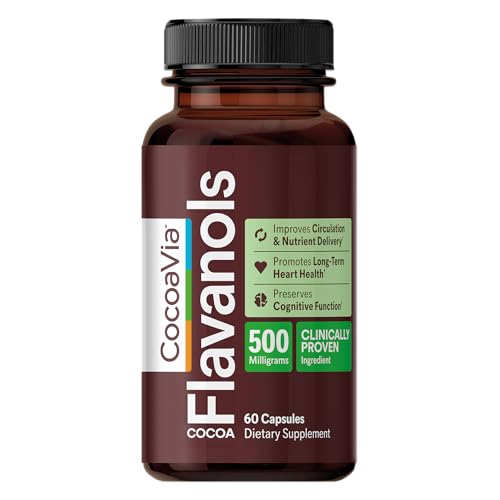
CocoaVia Cocoa Flavanols 500 mg, 60 Capsules

CocoaVia Cocoa Flavanols 500 mg, 30-Day Powder
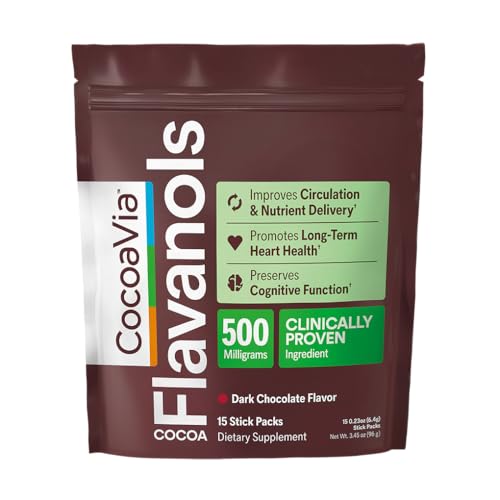
CocoaVia Cocoa Flavanols 500 mg, 15 Sticks
Inside Each Recommended Option
Valrhona #159 brings a concentrated, mahogany-toned cocoa profile that suits brownies, ganache, and frostings. Unlike lighter pantry cocoa, its Dutch processing creates a deeper color and a more rounded flavor, which matters in recipes where chocolate is the main event. I find it particularly useful for a weekend bake that needs a polished finish rather than a merely chocolatey result.
The powder is unsweetened, so recipes need their own sugar structure, and the higher cocoa-butter content can make a small amount go a long way. In a busy kitchen, I would measure carefully rather than add generously by instinct. It suits experienced home bakers and anyone building desserts where cocoa flavor deserves the spotlight.
Practical Advantages
- Deep color supports a rich visual finish in cakes and ganache.
- Unsweetened format gives bakers control over sweetness.
- The 20 to 22 percent cocoa-butter range supports a smooth mouthfeel.
- The flavor remains distinct in brownies without becoming overwhelmingly bitter.
Things To Consider
- It is not a mild cocoa, so delicate cakes may need a restrained quantity.
- Owners should store it sealed and away from moisture to protect its texture.
Key Specs
Who It Suits Best
This fits bakers making brownies, truffles, ganache, or frostings who want a pronounced chocolate flavor.
Consider Something Else When
Navitas Organics Cacao Powder is a better fit for drinks and recipes that favor a brighter, less intense cacao character.
Navitas takes a different route from Valrhona, emphasizing naturally processed cacao rather than an alkalized profile. That difference can taste useful in a morning smoothie or latte, where a mellow, fruitier cocoa note is often more pleasant than a heavy roasted one. I consider it a practical bridge between baking cacao and drinking chocolate.
The powder is sold in a 16-ounce package and is marketed with 30 servings, which gives it a more everyday pantry feel than a specialist dessert ingredient. A baker using it in brownies may notice less visual depth than with Dutch cocoa, while someone making chilled drinks may prefer its lighter character. It works best for people balancing flavor with simple preparation.
Notable Upsides
- Natural cacao processing suits lattes, smoothies, and everyday drinks.
- The 16-ounce bag offers a practical shelf-stable pantry format.
- A lighter profile can blend into fruit and dairy-based recipes without dominating them.
- The stated serving structure helps with portioning outside a baking recipe.
Worth Noting
- Recipes that depend on very dark color may look less dramatic.
- The flavor may feel subtle in a brownie batter with substantial sugar.
Made For
It fits people who want cacao for smoothies, lattes, and simple desserts with a softer flavor profile.
A Better Fit Elsewhere
Valrhona #159 is the stronger option for a dessert where dark color and dense cocoa flavor lead the recipe.
Nutricost focuses on pantry capacity rather than a highly specialized flavor profile. The 1.5-pound container is attractive for households that bake often, drink cocoa regularly, or dislike replacing a small bag every few weeks. Its unsweetened format and simple ingredient positioning also make it easy to move between brownies, cakes, and hot drinks.
I see the main appeal as practical flexibility. A larger package can be useful for a community bake or a family recipe rotation, though the flavor is likely to feel more versatile than dramatic. The stated gluten-free, non-GMO, and vegan positioning appeals to people keeping several dietary preferences in view, while storage remains the same basic issue with any opened cocoa.
What Pays Off
- The 1.5-pound quantity reduces the need for frequent pantry refills.
- Unsweetened cocoa works across both sweet and savory recipes.
- Additive-free positioning keeps the ingredient list simple.
- Dietary labels make it easy to compare against baking staples.
Small Caveats
- A large container is less convenient for occasional bakers.
- Heavy moisture exposure can still affect flavor and texture, so airtight storage matters.
The Right Fit
It suits frequent home bakers and households that want one unsweetened cocoa for several everyday recipes.
Reach For A Different Pick When
One Farm by WAAYB Organic Cacao Powder is a better fit for shoppers prioritizing single-estate sourcing and raw-cacao character.
One Farm by WAAYB places sourcing at the center of the purchase, offering a single-estate raw cacao powder from the Dominican Republic. Raw cacao generally means less alkalization, so the flavor can be more earthy and bright than the darker profile of Valrhona #159. That makes it interesting for smoothies, lattes, and recipes built around cacao’s more natural profile.
The resealable package is useful for a home kitchen where the bag will be opened repeatedly. I would not expect it to behave like a neutral baking cocoa in every brownie recipe, but that is the point: it rewards people with a specific flavor preference. Its strongest audience is the adventurous home cook who likes the story and character of the ingredient.
Real Benefits
- Single-estate sourcing gives the ingredient a clear identity.
- Raw cacao can bring brighter, earthier notes to drinks and desserts.
- The resealable bag helps protect a powder opened often.
- The 1-pound size is practical for regular pantry use.
Less Ideal Details
- Its flavor is less predictable for a classic dark-chocolate brownie.
- Recipes using it may need adjustment because it is not alkalized.
Who It Suits Best
It fits cooks who value raw cacao character, single-estate sourcing, and drinks or lightly sweetened desserts.
Where A Sibling Pick Shines
Valrhona #159 is more suitable for a brownie or ganache that depends on deep color and a rich, roasted cocoa finish.
Cacao nibs are not a powdered substitute, but they belong in the same pantry conversation because they contribute chocolate flavor and a completely different texture. One Farm by WAAYB describes them as earthy, mildly bitter, and suitable for varied dishes, which makes them useful for toppings, snack mixes, and baking accents. I see them as a texture-focused companion to the powders in this list.
The 7-ounce resealable package is manageable for occasional use, and the nibs can be sprinkled over yogurt, folded into granola, or added to a cookie dough. They will not blend smoothly into a batter, so I would choose a powder such as Valrhona or Nutricost for the base structure. The honest advantage is contrast: crisp pieces make a finished dessert feel more intentional.
Everyday Perks
- Crisp nibs add texture to oats, yogurt, and snack bowls.
- The mild bitterness works well with fruit and nut flavors.
- The 7-ounce bag is practical for occasional pantry use.
- Resealable packaging helps maintain freshness after repeated opening.
Possible Compromises
- They cannot replace cocoa powder in a smooth batter or drink.
- The texture may be unsuitable for people who prefer completely blended desserts.
Built With In Mind
It fits cooks adding a crunchy cacao element to oatmeal, yogurt, granola, cookies, or snack plates.
Another Choice May Suit
Navitas Organics Cacao Powder is a better choice for a latte or smoothie that needs a smooth, fully blended finish.
CocoaVia is a different category from pantry cocoa. The capsules contain cocoa flavanols rather than cocoa powder for brownies, and the source focuses on research around flavanols, nitric oxide, and circulation language. That distinction matters: this is a capsule intended as a supplement, not a baking ingredient. I would keep it completely separate from the culinary choices in this roundup.
The 60-capsule format may be practical for someone who prefers a pill to mixing a powder, while the vegan and gluten-free positioning broadens its stated dietary fit. The tradeoff is that capsules add no flavor, aroma, or color to food. Anyone seeking a richer cappuccino should choose a culinary cacao powder instead.
Points In Its Favor
- 500 mg capsule format avoids measuring loose powder.
- The 60-count bottle supports a routine supply.
- It is positioned for people seeking a concentrated cocoa-flavanol supplement.
- Vegan and gluten-free labeling suits comparable routines.
Details To Watch
- It cannot contribute cocoa flavor to baked goods.
- Supplement labeling and directions deserve careful attention before use.
Best Suited To
It fits adults specifically seeking a capsule-based cocoa-flavanol supplement rather than a culinary powder.
A Better Fit Elsewhere
Nutricost Organic Cocoa Powder is the better choice for brownies, cakes, and other recipes where flavor and texture matter.
The powder format makes this CocoaVia option more natural for a drink routine than the capsule version. It is marketed around cocoa flavanols and pre-workout use, but it remains a supplement rather than a replacement for baking cocoa. The distinction is important: a chocolate smoothie made with Nutricost tastes like dessert, while this powder serves a different purpose.
Mixability is the practical advantage over capsules, and a 30-day format can suit a scheduled routine. In a kitchen drawer or gym bag, the container may be less convenient than individual sticks, depending on the available storage space. I would still keep packaging directions close at hand and treat this as a supplement product rather than a casual beverage mix.
Reasons It Performs
- Powder format blends more readily into a drink.
- The 30-day presentation suits a structured routine.
- Vegan and gluten-free positioning expands dietary compatibility.
- It avoids the need to swallow a capsule with the same drink routine.
Trade Offs To Consider
- It is not a substitute for culinary cocoa in a cake or brownie.
- Loose powder can be less convenient to carry than sealed sticks.
Who Will Love This
It fits adults who prefer a mixable cocoa-flavanol supplement for a scheduled pre-workout or daily drink routine.
Not Your Match When
One Farm by WAAYB Organic Cacao Powder is a better match for blending cacao flavor into lattes and smoothies for taste.
The 15 single-serve sticks solve the storage problem that can make loose supplement powder inconvenient. Each packet is easier to place in a work bag, carry case, or drawer than a full tub, and the format suits travel or office routines. I see this as a packaging choice more than a different culinary use, since it does not create the flavor expected from Valrhona or Navitas.
The source lists vegan positioning and a dark-chocolate flavor profile, but the product remains a cocoa-flavanol supplement. That makes it useful for a specific routine rather than a substitute for baking. The trade-off is straightforward: portability improves, while flexibility decreases because each packet is portioned and the product is not a general-purpose cocoa powder.
Useful Strengths
- Individual packets simplify carrying and portioning.
- The 15-stick format fits travel and office storage.
- A single-serve design reduces cleanup after mixing.
- Vegan positioning supports a specific dietary routine.
Small Limitations
- It is a supplement, not a baking cocoa with culinary flavor.
- Travel convenience comes with less freedom to choose the serving amount.
Made For
It fits adults who want a portable cocoa-flavanol supplement for commuting, office use, or travel.
Where Another Pick Shines
Navitas Organics Cacao Powder is a better choice for a café-style drink where cacao flavor is the main goal.
How To Match Cocoa To The Recipe
Choosing a cocoa powder for baking starts with the recipe’s desired color and intensity. Dutch-processed cocoa is alkalized, which generally creates a darker color and a more rounded, roasted profile. That style suits brownies, chocolate cake, ganache, and cookies where cocoa should carry the flavor.
Raw or less-processed cacao tends to taste more earthy, fruity, or bright. Those characteristics can make a powder more interesting in smoothies, lattes, oatmeal, or lightly sweetened desserts, though the flavor may seem less familiar in a classic brownie.
Fat content changes texture as well as richness. Valrhona #159 lists a 20 to 22 percent cocoa-butter range, which is relevant for ganache and frostings where smoothness matters. I also pay attention to package size, because a one-pound bag may work for a few drinks while a 1.5-pound container suits frequent baking.
Dietary labels help narrow the field, but they do not replace a label check. Ingredients and allergen information should be reviewed for cross-contamination concerns and individual dietary needs. The best choice is the one that matches the recipe, not simply the one with the most elaborate tasting note.
The Practical Cocoa Powder Decision
Common Shopping Slip Ups
Many people mistake cocoa powder for sweetened drinking chocolate, which can make a recipe unexpectedly sugary. A common mistake is choosing raw cacao for a dark brownie without adjusting the expected flavor or structure. Checking the package for “unsweetened” and identifying whether the cocoa is alkalized prevents most of that confusion.
What The Higher Tier Buys
Premium cocoa powders often cost more because of origin, processing, fat content, or a specialized flavor profile. That premium is more useful for ganache, layered cakes, and pastries than for a basic weeknight mug drink. A larger pantry bag may deliver better value for frequent bakers, while a single-estate powder may better serve someone who values sourcing.
Frequently Asked Questions
Is Dutch cocoa better for brownies?
Dutch cocoa is often a strong fit for brownies because its alkalized processing creates a dark color and rounded cocoa flavor. The recipe’s sugar and chocolate additions still control the final sweetness and texture.
Is raw cacao powder sweeter than cocoa?
Raw cacao is not automatically sweeter. Its flavor may seem brighter or earthier, so the perceived sweetness depends on the other ingredients and the amount used.
Can I use cacao powder in smoothies?
Yes, cacao powder works well in smoothies, especially with banana, oat milk, nut butter, or dates. Start with a small amount because its bitterness can become noticeable quickly.
Which cocoa powder works best for lattes?
Navitas suits a softer drinking-chocolate profile, while One Farm by WAAYB may appeal to people who prefer raw cacao character. Adjust the amount gradually for a milk-forward latte.
Final Verdict
I choose Valrhona #159 for serious baking, Nutricost for frequent pantry use, and Navitas for drinks. One Farm by WAAYB adds a sourcing-focused raw-cacao option, while its cacao nibs bring a useful crunchy contrast. The CocoaVia products belong in a supplement routine, not a baking cupboard. Match the powder to the dish, measure carefully, and keep it sealed.