Ravioli dough is unforgiving about flour, especially when a filled pasta project depends on a wrapper that folds cleanly without tearing. I focus on semolina, finely milled Tipo 00, and a few practical alternatives, plus two manual pasta kits that help turn a good dough into neatly shaped ravioli.
The right flour also depends on hydration preference, filling moisture, and the rolling equipment in the kitchen. A 00 flour offers a tender, refined crumb, while durum semolina brings more structure and a slightly coarser bite. The two Tioncy sets aren’t flour alternatives, but they pair naturally with these choices for anyone making ravioli at home.
How The Shortlist Stacks Up

POLSELLI Italian Semola Flour, Fine Semolina Rimachinata 5 kg
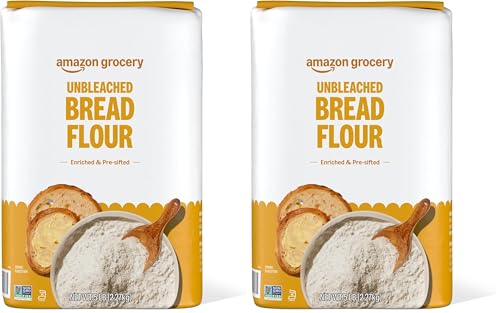
Amazon Fresh Enriched Bread Flour 5 Lb, Pack of 2

POLSELLI Organic Tipo 00 Flour 11 lb
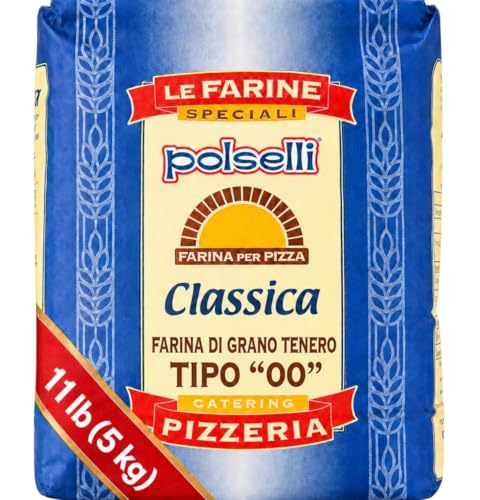
POLSELLI Classica Type 00 Extra Fine Flour 11 lbs

Mulino Caputo 00 Pizzeria Flour, Four 1-Kilo Bags
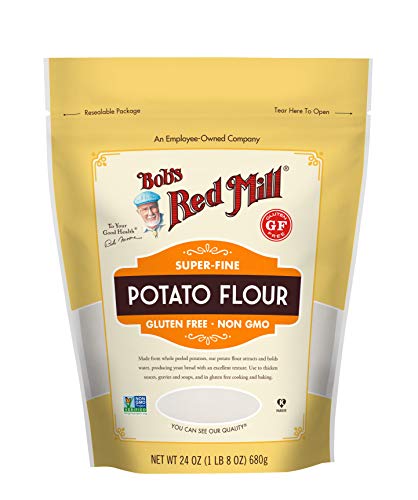
Bob’s Red Mill Potato Flour 24 Oz

Tioncy 7-Piece Beechwood Pasta Board and Gnocchi Kit

Tioncy 9-Piece Gnocchi Board and Ravioli Mold Set
What Each Pick Brings To The Table
Durum semolina gives ravioli dough a firmer structure than refined Tipo 00 flour, which matters most for filled pasta that must hold its shape during rolling, filling, and boiling. The double milling produces a fine but distinctly grainy texture, giving the finished ravioli more definition than a delicate all-purpose dough.
For a Saturday project with ricotta, spinach, or mushroom filling, that structure can make rolling and sealing more manageable. Compared with Amazon Fresh Enriched Bread Flour, this flour contributes a more purposeful pasta texture; the trade-off is a slightly more assertive bite.
Strong Points
- Durum wheat supplies resilient gluten that supports filled wrappers.
- The double-ground texture stays fine enough for hand rolling.
- Five kilograms suit households making pasta beyond a single meal.
- The grain character complements hearty vegetable and cheese fillings.
Trade Offs
- Its pronounced texture won’t suit someone seeking the delicacy of a buttery northern Italian dough.
- Semolina dough may need careful resting to relax gluten before rolling.
Built With In Mind
This flour fits home cooks who frequently make filled pasta and prefer a structured, toothsome wrapper.
A Better Fit Elsewhere
POLSELLI Organic Tipo 00 Flour 11 lb is the softer alternative for cooks prioritizing delicate pasta texture.
Enriched bread flour is a practical emergency pantry option for ravioli, though it wasn’t developed specifically for fresh pasta. The flour is already sifted and enriched, reducing prep work for someone assembling a quick dough while the fresh filling chills.
Its protein may produce a somewhat bready wrapper rather than the tender chew associated with Tipo 00. Still, two five-pound bags offer ample supply for experimenting with a small ravioli dough.
Everyday Advantages
- Pre-sifting simplifies measuring and reduces one prep step.
- The two-bag format covers repeat batches and minimizes packaging.
- It remains usable for pizza crust and bread alongside ravioli.
Points To Keep In Mind
- It lacks the fine-milling profile normally prioritized for fresh pasta.
- Dough may need more resting because enriched bread flour is formulated for leavened baking.
- Keep the flour tightly sealed in a dry pantry container to prevent moisture.
Who Should Grab It
Beginners and busy home cooks benefit most from this familiar, ready-to-measure flour for a small first batch.
Where Another Pick Shines
POLSELLI Classica Type 00 Extra Fine Flour 11 lbs better serves cooks dedicated to traditional fresh-pasta texture.
Organic Tipo 00 flour offers a very fine milling profile that suits thin ravioli sheets and fillings that benefit from a tender wrapper. Its all-purpose positioning also extends beyond pasta, making the 11-pound package practical for a household that cooks several kinds of dough.
Unlike the yellow-tinted semola option, this flour should look more familiar to cooks using refined wheat flour. Depending on the filling, I would expect a smoother bite and less grain, though ingredient percentages still control the final dough.
Useful Highlights
- The fine grind supports delicate rolling and thin wrappers.
- Organic wheat offers an alternative to conventionally milled flour.
- No listed bleaching agents, bromates, or additives simplify ingredient control.
- The large format suits pizza, bread, and fresh pasta alike.
Small Caveats
- The 11-pound bag is substantial for occasional ravioli makers.
- Transferring flour directly from a warm flour bin can introduce moisture.
Key Product Details
Who Will Love This
Organic-ingredient shoppers and experienced pasta makers will appreciate the balance of fine texture and broad kitchen use.
Another Choice May Suit
Mulino Caputo 00 Pizzeria Flour is a better fit for cooks wanting explicit protein and soft-wheat specifications.
The Classica Type 00 name signals an extra-fine Italian-style flour, but the 00 label doesn’t identify one universal wheat profile. Proteins, gluten development, and water absorption can differ among products sold as 00 flour, so the dough recipe still matters more than the label alone.
For ravioli, the extra-fine grind can help produce even sheets, while the large format makes sense for regular pasta nights. Compared with POLSELLI Organic Tipo 00 Flour 11 lb, the organic specification is the clearer distinction here; the two otherwise share a familiar fine-flour format.
What It Does Well
- Extra-fine milling supports smooth hand-rolled sheets.
- The large format is useful for ravioli, noodles, and bread.
- Tipo 00 style is approachable for cooks transitioning from bread flour.
- Sealed storage helps preserve the flour’s usable texture.
A Few Limitations
- No protein value is provided to clarify the flour’s strength.
- Some recipes may require adjustment for water absorption.
- More than needed for a single ravioli session.
Whose Shelf It Belongs On
Frequent home cooks who want one versatile fine flour for pasta, pizza, and bread will find this format useful.
Consider Something Else When
POLSELLI Italian Semola Flour 5 kg is the stronger choice for cooks seeking a distinctly durum-based, grainier wrapper.
Mulino Caputo’s pizzeria flour begins with a specified soft-white wheat blend and a 12.5% protein level, giving the dough a clear identity that generic 00 labels often lack. Protein contributes gluten development, so a properly hydrated dough can hold a filled ravioli through handling without becoming brittle.
The name is pizza-focused, yet the milling and strength can translate to pasta. I would still test hydration on a small batch, especially with a wet filling, but the technical detail is useful for cooks who prefer flour with a stated formulation.
Benefits That Matter
- The 12.5% protein figure signals a dough-oriented wheat blend.
- Soft white wheat supports an elastic, workable wrapper.
- Extra-fine milling can reduce visible granularity.
- Four individual bags simplify storage and portioning.
Potential Compromises
- High structure can make a low-hydration dough difficult to relax.
- Four kilo bags may be excessive for occasional ravioli cooking.
- Store each bag away from moisture and heat.
Technical Highlights
Made For
Dedicated pasta cooks and small food businesses benefit from the stated protein profile and generous supply.
Reach For A Different Pick When
POLSELLI Organic Tipo 00 Flour 11 lb better suits home cooks prioritizing an organic ingredient profile.
Potato flour changes the purpose here: it isn’t a replacement for the wheat flour that supplies ravioli dough structure. Made from dehydrated russet potatoes, it can act as a small percentage of a wheat-based dough, adding potato character and potentially reducing sticking on a dough-heavy work surface.
That narrower role makes it best for a batch where I expect a mix of 00 or semolina with a measured spoonful of potato flour. Using potato flour alone would produce a different food, so cooks seeking a straightforward filled pasta should keep the main flour choice clear.
Practical Advantages
- Ground from whole peeled russet potatoes.
- Can support doughs that cling to rolling surfaces.
- Useful in small quantities for texture experiments.
- The compact package suits occasional specialty projects.
Where It Is Less Suited
- It isn’t a stand-alone substitute for wheat flour.
- Potato flavor may become noticeable at higher inclusion levels.
- Owners commonly face clumping in humid conditions, so an airtight canister matters.
Right Fit For
Experienced dough makers benefit from this as an optional enhancer alongside a suitable wheat flour.
Not Your Match When
POLSELLI Italian Semola Flour 5 kg is the better fit for anyone wanting a complete pasta dough in one ingredient.
The Tioncy 7-Piece set is a shaping companion, not a flour choice, so I wouldn’t substitute it for semolina or Tipo 00. Its practical value sits beside the mixing bowl: a pasta cutter, ravioli rolling pin, gnocchi board, roller, and three stamp cutters cover the main assembly steps in a compact wooden kit.
For a small kitchen or occasional pasta night, keeping those tools together can simplify the process. It also works for noodles, gnocchi, and garganelli, although broader scope can feel excessive for someone making ravioli only.
Useful Strengths
- Seven pieces cover rolling, cutting, and stamping tasks.
- Beechwood components suit a traditional kitchen-tool setup.
- The set reduces the need to assemble separate manual tools.
- Three ravioli cutters support different shapes.
Worth Bearing In Mind
- Wooden parts need hand washing and prompt drying.
- The cutter board can be difficult to store in a cramped cabinet.
- Rollers can lose dough tension, requiring occasional adjustment as owners commonly note with manual tools.
Built With In Mind
Home cooks making several pasta shapes benefit from having the main hand tools in one organized set.
Another Choice May Suit
Tioncy 9-Piece Gnocchi Board and Ravioli Mold Set is a better fit for cooks wanting additional dough-handling accessories.
The 9-Piece Tioncy set expands beyond the basic board-and-roller arrangement with a ravioli press, wooden cutter, gnocchi board, rolling pin, stick, scraper, and three stamp makers. That broader tool selection can keep a full pasta session moving without hunting for separate implements.
Its extra pieces matter most to a household that makes ravioli, gnocchi, and other pasta regularly. For one occasional filled batch, the added components may simply take up more drawer space than they save.
What Works In Its Favor
- The nine-piece selection covers pressing, cutting, rolling, and shaping.
- Three stamp cutters offer multiple ravioli shapes.
- Included scraper and stick help manage dough at the bench.
- Home-scale sizes suit occasional cooks rather than commercial work.
Practical Considerations
- Several wooden components mean more care is needed around moisture.
- Multiple tools can be redundant for a first pasta project.
- Clean and dry each piece immediately after use to limit residue and warping.
Feature Snapshot
The Right Fit
Frequent home pasta makers benefit most from the expanded combination of pressing, rolling, and shaping tools.
Look Elsewhere When
Tioncy 7-Piece Beechwood Pasta Board and Gnocchi Kit suits cooks who want a smaller, more focused tool collection.
Choosing A Ravioli Flour That Suits Your Kitchen
Tipo 00 means a finely milled flour, but the label doesn’t state protein or gluten strength by itself. Durum semolina has more grain and structure, while refined 00 flour generally makes a finer wrapper. I start by matching that texture to the filling rather than treating either style as automatically superior.
Protein supports gluten development, the elastic network that allows dough to stretch without snapping. A stronger flour can tolerate rolling and filling better, but it may also stay tight until properly rested. A softer flour can roll easily but split under an overly full ravioli, so portioning remains as important as the package.
Flour freshness also matters in a humid kitchen. I store opened flour in an airtight container and measure it by weight whenever a consistent dough texture matters. Enriched bread flour remains a workable pantry substitute, though the dedicated 00 and semolina choices better express the intended pasta profile.
Practical Checks Before Rolling Dough
Mistakes Worth Dodging
Choosing flour solely by the 00 label overlooks protein, milling, and intended use. Skipping dough rest, loading too much filling, or rolling a sheet too thin can cause tearing even with suitable flour.
The Upgrade Payoff
A higher-tier Italian flour may provide a specified wheat blend, protein level, or milling profile that reduces guesswork. That extra detail is most useful for frequent pasta cooks, while occasional makers can begin with a dependable all-purpose 00 flour.
Frequently Asked Questions
Is semolina flour suitable for ravioli?
Yes, fine durum semolina provides structure and works well for rustic filled pasta. It creates a more textured wrapper than refined Tipo 00 flour.
Is bread flour acceptable for fresh ravioli?
Bread flour can make workable dough, especially for a small experimental batch. Pasta-specific flour usually gives more consistent rolling and texture.
What does Tipo 00 mean?
Tipo 00 identifies a very fine milling grade rather than one fixed protein level. Recipes may still require different water amounts or resting times.
Can potato flour replace wheat in ravioli?
Potato flour is best treated as a small addition to wheat dough. It cannot provide the same dough structure as a complete wheat flour.
Do I need a ravioli board set?
A board and rolling pin help keep sheets even, while stamp cutters simplify portioning. A pasta machine can handle rolling, but hand tools remain useful for shaping and sealing.
Final Thoughts
POLSELLI Semola Rimachinata is the most straightforward choice for a structured, classic ravioli dough, while Tipo 00 options favor a finer texture. Mulino Caputo adds the clearest protein specification for experienced cooks, and the Tioncy kits are useful supporting tools rather than flour substitutes. Match the flour to the filling, allow the dough to rest, and keep the filled sheets comfortably sized.