

Winter feeding is less about finding one magical feed and more about matching nutrition to each bird’s age, activity, and access to forage. Cold weather can increase a flock’s energy needs, but treats, supplements, and starter feeds each have different jobs. I’ve sorted complete layer feeds, protein-packed additions, and chick starter options so small backyard flocks and larger coops can choose with clearer purpose.
A Fast Comparison Of The Options

Nutrena Harvest Blend Layer Feed
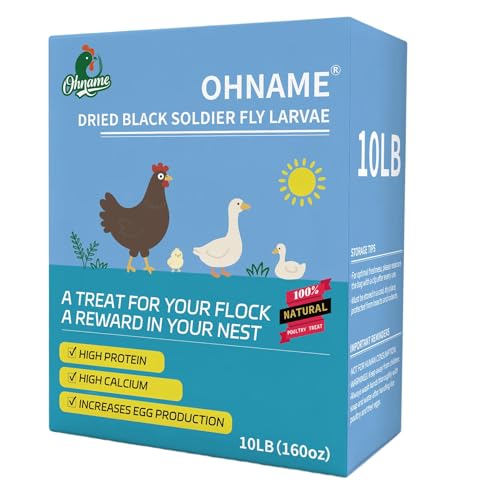
OHNAME Dried Black Soldier Fly Larvae

OHNAME Dried Mealworms, 5-Pound
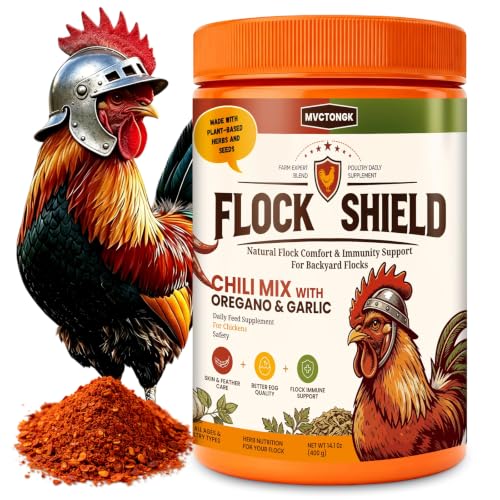
MVCTONGK Flock Shield Poultry Topper

Wholesome Harvest Corn & Soy-Free Chick Starter

Wholesome Harvest Whole Grain Layer Blend 16%
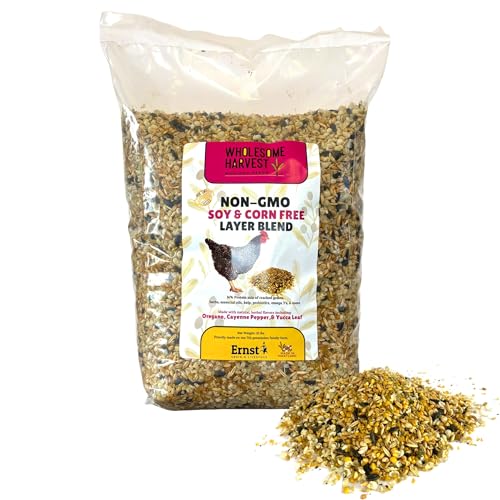
Wholesome Harvest Soy-Free Layer Blend 16%
More Details On Our Top Picks
For most backyard coops, a complete layer feed is more useful during winter than a collection of small additions. This textured blend brings together grains, seeds, and vegetables in a 40-pound bag, giving laying birds a recognizable base ration without loose scratch grain taking over their diet.
Compared with the larval additions later in this list, Nutrena is the more complete everyday option. It offers 18% protein, essential oils, and added prebiotic and probiotic cultures, making it a sensible fit for mixed laying flocks that receive little or no commercial layer feed.
Notable Upsides
- Textured pieces encourage pecking and add variety compared with plain mash.
- The complete layer formula supplies 18% protein for routine egg production.
- Digestive cultures may be useful in mixed diets that include other feed components.
- A 40-pound bag reduces the number of restocking trips for medium flocks.
Points To Note
- A large bag needs a dry, sealed storage area to remain usable and fresh.
- It is formulated for layers, so chicks and other young poultry need age-appropriate feed.
Key Specs
Who It Suits Best
This feed suits backyard keepers maintaining laying hens that need one dependable winter ration.
A Better Fit Elsewhere
OHNAME Dried Black Soldier Fly Larvae suit keepers who want a concentrated supplement instead of a complete layer feed.
Black soldier fly larvae bring a different kind of winter feeding value than ordinary layer pellets or textured grain. At 43% protein, this dried addition is aimed at laying hens, chickens, and ducks, including birds receiving extra feed during feather replacement or periods of heavier activity.
That density makes this less suitable as the entire diet and more useful as a measured complement. The source also identifies a high calcium level, though I would treat the precise nutritional contribution as a reason to review a flock’s total ration rather than as a stand-alone solution.
Good Reasons To Consider
- The stated 43% protein offers a concentrated addition to routine feed.
- Both five- and ten-pound options accommodate different flock sizes.
- Chickens and ducks can share the same supplement during routine feeding.
- Dried larvae store more compactly than live larvae for seasonal use.
Small Caveats
- This is a supplement, not a complete replacement for balanced layer feed.
- Owners generally need airtight storage to protect the dried material from moisture.
- Portioning matters because concentrated additions can unbalance a diet used too generously.
Quick Facts
Made For
This addition fits keepers seeking extra protein for laying hens, molting birds, or mixed chicken-and-duck flocks.
Another Choice May Suit
Nutrena Harvest Blend Layer Feed suits keepers who prefer a complete 18% protein base without managing a separate larval supplement.
Mealworms are easier to understand as a supplemental feeding choice than as winter feed for an entire flock. This five-pound option emphasizes a high ratio of intact, crisp worms, with reduced fine material that can turn into dust during storage and pouring.
For a small mixed flock, that texture makes it appealing for training or occasional treats. The named 52% protein level is notable, although concentrated protein should complement age-appropriate feed rather than displace the birds’ core ration.
Everyday Perks
- Intact worms provide a more substantial texture than finely crumbled alternatives.
- The stated 52% protein suits careful supplementation during cold months.
- A five-pound bag is manageable for households with only a few birds.
- Dried worms require no freezer space during long-term storage.
Trade Offs
- The larvae remain an addition rather than a complete daily feed.
- Residual crumbs and moisture can still accumulate, so the container should be resealed after use.
- Chickens and wild birds have different feeding needs, making portion control important.
The Right Fit
This option suits small-flock keepers who want a manageable, high-protein addition for chickens and similar birds.
Where Another Pick Shines
OHNAME Dried Black Soldier Fly Larvae offer a larger protein-focused format for keepers feeding more birds or a greater supplemental volume.
Flocks that eat identical pellets every day can get more interesting, and Flock Shield adds aroma, texture, and plant ingredients to that routine. Oregano, garlic, capsicum, flaxseed, and black pepper form the blend, which can be sprinkled over a regular ration or mixed into a larger portion.
Unlike the complete feeds in this collection, this is explicitly a topper. It works best for keeping established layer feeding simple while adding a small amount of variety, and the label guidance calls for gradual introduction in chickens ten weeks and older.
Everyday Advantages
- Five plant-based ingredients add noticeable variety to a standard ration.
- The container works directly as a shelf-stable feed topper.
- Flavor and aroma may make the bowl more interesting during cold weather.
- It supports regular feeding rather than requiring a complete diet change.
Factors To Consider
- This does not provide the full nutritional framework of a complete layer feed.
- The 400-gram container may need frequent replenishment for larger flocks.
- Start with a small serving and keep the container closed to prevent moisture and odor.
Feature Snapshot
Built With In Mind
This topper suits backyard hen keepers who want to enrich an established layer diet without changing feed brands.
Consider Something Else
Wholesome Harvest Whole Grain Layer Blend 16% suits coops seeking one complete grain-based ration rather than a separate topping.
Winter brooders bring chicks and cold-adapted adult birds into very different nutritional situations. This starter feed is for the young side of that equation, providing 22% protein and a grain-based formula that excludes corn, soy, and genetically modified ingredients.
For a household raising a small number of chicks, the ten-pound bag is easier to manage than a much larger purchase. The 40-pound version serves a larger brooder, but a small flock can use it more efficiently once birds move from starter feed to an age-appropriate layer ration.
Standout Benefits
- Corn-free and soy-free composition serves ingredient-sensitive feeding preferences.
- The 22% protein level fits the concentrated needs of young chicks.
- Vitamins and minerals complement the grain base during early growth.
- Two bag sizes suit both first-time brooders and larger poultry groups.
- Non-GMO sourcing may align with carefully managed backyard flocks.
Worth Bearing In Mind
- Chick starter feed should not be used as the primary ration for adult layers.
- Dry starter feed loses its feeding appeal quickly once damp, so a sealed container is important.
- Chicks need clean water and age-appropriate transitions as they grow.
Who Will Love This
This starter feed suits first-time chicken keepers raising chicks and prioritizing a corn-free, soy-free diet.
Not Your Match
Nutrena Harvest Blend Layer Feed fits established laying hens rather than chicks still in the brooder.
This layer blend serves coops that want cracked corn, soybeans, wheat, and barley in a single complete ration. At 16% protein, it sits between the heavier 18% Harvest Blend and a loose collection of grains, making it a straightforward everyday option for hens and laying ducks.
Added calcium, oyster shell, minerals, essential oils, herbs, and a probiotic round out the formula. It can move from a feeder to scattered feeding, although a protected feeder usually keeps the ration cleaner during wet winter weather.
Bright Spots
- The complete 16% protein formula serves both hens and laying ducks.
- Cracked grains add texture and visible variety to a daily mash.
- Oyster shell and added calcium suit routine eggshell nutrition.
- Ten-, twenty-five-, and forty-pound bags cover several flock sizes.
- A probiotic and flax-derived omega-3 source broaden the feature list.
Details To Watch
- Soybeans and corn make it unsuitable for coops avoiding those ingredients.
- Scattered feed can become wet quickly, so a covered feeder reduces waste.
- Changes in feed should be introduced gradually to keep the routine steady.
Core Details
Made For
This blend suits mixed chicken-and-duck flocks seeking one grain-based complete feed for laying birds.
Reach For A Different Pick
Wholesome Harvest Soy-Free Layer Blend 16% suits flocks that also need to exclude soy and corn.
The ingredient distinction is clear: this 16% layer blend excludes both soy and corn while retaining a whole-grain approach. That makes it the natural fit among these options for a coop actively managing both ingredients, rather than changing only one of them.
Chickens and laying ducks can both use the blend, and it may be offered through a feeder or scattered for foraging-style feeding. As with the standard Wholesome Harvest layer option, a covered feeder is the more practical choice once rain, snow, or damp bedding can spoil scattered feed.
What Makes Sense
- Both corn and soy are excluded from the daily ration.
- The 16% protein formula is designed for egg-laying poultry.
- Whole grains create texture for birds that prefer pecking.
- Calcium, minerals, and oyster shell support the complete layer format.
- Ten- and forty-pound bags suit different coop sizes.
Less-Strong Areas
- Duck keepers must confirm the ration fits the age and stage of each bird.
- Scattered grain is vulnerable to moisture, especially in winter conditions.
- Older layers may already be settled on another feed and need a gradual transition.
Technical Highlights
Whose Shelf It Belongs On
This feed suits ingredient-conscious coops that intentionally avoid both corn and soy for laying poultry.
Swap It Out
Wholesome Harvest Whole Grain Layer Blend 16% suits mixed coops that value whole grains but have no need to exclude corn or soy.
Matching the Ration to Each Flock Stage
Age is the first dividing line. Chicks need concentrated starter feed, such as the 22% protein Wholesome Harvest option, while established layers need a complete 16% or 18% ration. Treating chicks and mature hens with one blended feed can leave age groups short on concentrated nutrition or over-supplied with adult ingredients.
A complete base should come first. Prebiotics, probiotics, herbs, essential oils, and larval supplements can add variety, but none should be mistaken for a substitute for a balanced ration. A flock receiving scratch grain as a large portion of its diet may need better feeder management, especially through winter.
Storage deserves equal attention. Placed on the table, nutrients matter, but dampness matters too. I favor sealed, dry containers for opened supplements and covered poultry feeders in wet weather, since ground feed and scattered grain spoil faster than sealed pellets.
Treat quantities should match flock size and purpose. A five-pound mealworm bag may fit a household hobby flock, while a ten-pound larval bag suits heavier supplementation. Ten-pound complete feed works well for many backyard coops, but forty-pound bags require a secure indoor stock area.
Mistakes That Waste Winter Feed
Choosing by flavor alone can lead to too much scratch grain or a topper replacing complete feed. Match the bag to the flock’s age, then review protein, available bag size, storage space, and feeding equipment.
Starting new feed at full portions also interrupts familiar routines. A gradual transition over several days is more practical, while fresh water remains an essential part of every feeding setup.
What Extra Formulation Adds
Higher-specification feeds may add calcium sources, digestive cultures, essential oils, herbs, or concentrated protein. Those additions can be useful for specific flock needs, but a basic complete layer feed may already provide enough structure for a steady flock with straightforward requirements.
For chicks, a higher protein level is more important than premium adult-feed extras. For mature layers, digestibility, calcium availability, and consistent storage often matter more than a longer ingredient list.
Frequently Asked Questions
What feed should adult chickens eat during winter?
Adult layers generally stay on a complete layer ration with appropriate protein and calcium. Cold weather raises energy demand for some birds, but scratch grain and treats remain additions rather than replacements.
Can chicks use layer feed during winter?
Chicks need starter feed formulated for their early growth and high protein needs. Feeding layer rations to very young chicks can miss the concentrated nutrition they require, so age-appropriate transitions are important.
Are mealworms or fly larvae better for poultry?
Both can serve as protein-focused supplements in a balanced flock diet. Mealworms offer a compact five-pound option, while black soldier fly larvae provide a higher stated protein level for larger supplemental quantities.
How should chicken feed be stored in winter?
Keep open feed in a sealed, dry container and use a covered feeder during rain or snow. Damp feed deteriorates faster and can attract rodents, so storage cleanliness is an important part of winter feeding.
Do corn-free or soy-free layer feeds provide enough nutrition?
A well-formulated corn-free or soy-free layer blend can provide complete daily nutrition for mature birds. The key is choosing an age-appropriate ration and reviewing its protein, minerals, and calcium content.
Final Verdict
For established laying flocks, Nutrena Harvest Blend or either Wholesome Harvest layer blend provides the clearest everyday foundation. Chicks need the 22% starter option, while mealworms, fly larvae, and the herb topper are most useful as measured additions. The right winter choice depends less on a dramatic seasonal label than on bird age, a complete base ration, and feed kept dry.
