

Choosing a flour for gluten sensitivity is less about finding one universal answer and more about matching the grain or blend to the recipe. A busy kitchen may need an easy 1:1 substitute for cookies and muffins, while home bread bakers need starches and gums that support fermentation and structure. Sensitive cooks should also distinguish gluten-free products from specialty wheat options, since some wheat varieties remain unsuitable for people with celiac disease.
The roundup includes dedicated gluten-free blends, wheat flours that serve different baking purposes, and high-protein flour for traditional breadmaking. Package sizes range from compact bags for occasional use to bulk options for frequent baking. My advice starts with the recipe, then considers texture, ingredient composition, storage needs, and the dietary priorities of the person cooking.
The Essentials At A Glance

King Arthur Measure for Measure Gluten-Free All-Purpose Flour

King Arthur Gluten-Free Bread Flour, 2 lb
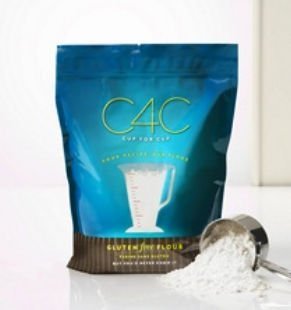
Cup4Cup All Purpose Gluten Free Flour, 25 lb Bag

One Degree Organics Sprouted Whole Wheat Flour, 80 oz

Jovial Organic Einkorn Whole Wheat Flour, 32 oz, 3 Pack

King Arthur 100% Organic Unbleached All-Purpose Flour, 5 lb Bag

King Arthur Gluten-Free All-Purpose Flour, 24 oz
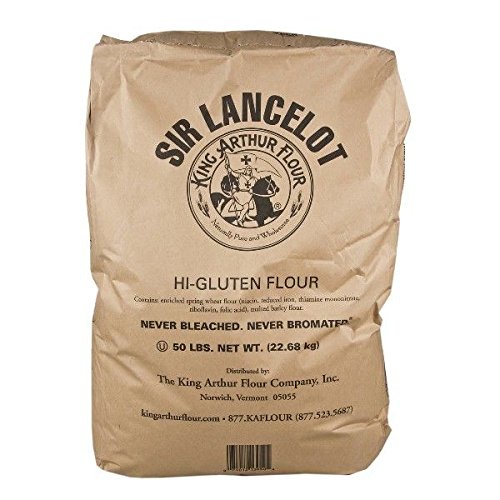
King Arthur Sir Lancelot Hi-Gluten Flour, 50 Pounds
What Each Pick Brings To The Table
Measure for Measure removes much of the mental arithmetic from gluten-free baking. A 1:1 substitute means an established wheat-flour recipe can be adapted by replacing the flour at the same measured amount, which is particularly useful for cookies, cakes, muffins, and pancakes that rely on chemical leavening rather than yeast.
The 3-pound format suits regular home baking, and the blend is fortified with iron, calcium, and vitamin B. For a busy kitchen, that convenience may matter more than creating a custom mixture from rice, tapioca, and potato components.
Advantages To Know
- A 1:1 ratio simplifies adaptation of familiar recipes.
- The blend works especially well for non-yeasted baked goods.
- Fortification adds iron, calcium, and vitamin B to the flour.
- The 3-pound bag balances household convenience and storage.
Practical Considerations
- Yeasted bread usually needs more structural support than a general-purpose blend provides.
- Opened flour should be transferred promptly to an airtight container and kept dry.
Key Product Details
Made For Everyday Baking
This flour best suits home cooks making cookies, cakes, muffins, pancakes, and other non-yeasted recipes with a 1:1 substitution.
A Better Fit Elsewhere
King Arthur Gluten-Free Bread Flour is the stronger choice for bagels, rolls, and yeasted loaves that need more structure.
Where Measure for Measure focuses on cakes and cookies, this bread blend addresses the harder task of building structure in yeasted dough. Wheat starch, sorghum flour, and xanthan gum work together to support fermentation, crumb, and handling, so it fits bagels, buns, cinnamon rolls, and rustic loaves more naturally than a general-purpose blend.
Xanthan gum is a thickener that helps dough retain moisture and reduces spreading. The trade-off is less flexibility for delicate baking, which makes this a focused bread option rather than a pantry-swallowing substitute for every recipe.
Everyday Advantages
- Designed for bread doughs that rise and require internal structure.
- Xanthan gum supports dough consistency and crumb development.
- A 1:1 format keeps conversion from standard wheat recipes manageable.
- Sorghum contributes a whole-grain-style ingredient to the blend.
Trade Offs To Consider
- The gum-assisted dough may feel tighter or less extensible than wheat dough.
- Humidity affects dough handling, so recipes may still need careful flour adjustment.
- Keeping this bag dry is important because damp flour clumps and loses its even flow.
Right Fit For
Experienced home bakers making yeasted bread, bagels, buns, and cinnamon rolls benefit most from its structure-focused formulation.
Look Elsewhere For
King Arthur Measure for Measure Gluten-Free All-Purpose Flour is more convenient for cakes, cookies, and quick non-yeasted baking.
Cup4Cup is aimed at households that bake often enough for a 25-pound bag to be practical. Its all-purpose positioning covers cakes, cookies, breads, coatings, and other kitchen tasks, making it a broad pantry option for high-volume home kitchens, community bake sales, or a small food operation.
The defining feature is scale, not a specialized yeasted-dough formula. I would still expect dedicated bread flour to provide more targeted support for bagels and artisan loaves, while this bag rewards frequent use across many recipes.
Well-Handled Touches
- The 25-pound supply supports frequent baking and repeated recipe changes.
- One general-purpose flour can cover sweet baking, bread, and coating tasks.
- The large format reduces the need for repeated small-bag storage.
- Kosher and non-GMO attributes appeal to ingredient-focused kitchens.
Small Limitations
- The bulk quantity may be excessive for occasional bakers or limited pantry space.
- Opening a large bag requires airtight storage to protect freshness.
- Heavy yeast dough can be more specialized than this all-purpose designation suggests.
Feature Snapshot
Built With High Volume In Mind
Small professional kitchens, avid home bakers, and community-food teams get the most value from this substantial supply.
Consider Something Else For
King Arthur Gluten-Free All-Purpose Flour in a 24-ounce package is easier to store for occasional home baking.
Sprouting is the distinguishing step here: the whole wheat is sprouted before milling. That process changes the flour’s ingredient profile and gives this option a nuttier character than standard whole wheat, which can make it interesting for rustic loaves, rolls, crackers, and pancakes.
Unlike the dedicated gluten-free blends, One Degree Organics is still wheat flour and contains gluten. People avoiding wheat for medical reasons should treat it as a wheat product, not a gluten-free substitute.
Why It Works Well
- Sprouted grain creates a distinctive profile for whole-wheat recipes.
- The 80-ounce package supports frequent bread and pastry baking.
- Bag-level source information adds traceability for ingredient-focused shoppers.
- Whole wheat brings bran and germ into the milling stage.
Honest Caveats
- It is not suitable for a gluten-free diet because it contains wheat.
- Sprouted flour can produce a stronger, more distinctive flavor than conventional whole wheat.
- Whole-wheat dough may require more hydration adjustments than refined flour.
Who Will Love This
Whole-wheat enthusiasts who enjoy sprouted grain, rustic flavor, and dense loaves suited to deliberate hydration practices will appreciate this flour.
Another Choice May Suit
Cup4Cup All Purpose Gluten Free Flour is the more suitable choice for cooks who must exclude wheat and need one broad baking blend.
Einkorn changes the conversation because it is an ancient wheat species rather than a gluten-free blend. Its weaker gluten structure can produce a different crumb and flavor in bread, pasta, crackers, and pancakes, while the high-protein profile gives it relevance for people seeking an alternative grain variety.
The three-pack offers useful pantry depth, but suitability is the deciding factor. The product contains wheat and is not intended for people with celiac disease, regardless of claims that some people may tolerate einkorn more easily.
Where It Delivers
- Einkorn supplies an ancient wheat profile distinct from modern varieties.
- High protein supports its use in bread and other structure-conscious recipes.
- The flour is free from milk, eggs, peanuts, tree nuts, and shellfish.
- Three 32-ounce bags provide convenient separation for a large pantry.
Points To Keep In Mind
- Einkorn still contains gluten and is unsuitable for celiac diets.
- The distinct flavor may overpower delicate cakes or familiar sandwich-bread recipes.
- Multiple bags require enough dry, airtight storage to preserve quality.
Core Details
The Right Fit
Specialty-grain bakers and cooks who can consume wheat but want an einkorn-based flour will find this option more compelling than conventional whole wheat.
Reach For A Different Pick
King Arthur Measure for Measure Gluten-Free All-Purpose Flour is the better fit for strict gluten-free baking without wheat.
The move from gluten-free blends to this conventional flour is significant. Made from organic hard red wheat, it is an unbleached all-purpose option for people whose sensitivity does not require gluten exclusion, and its 5-pound package reflects the high-volume nature of a home flour canister.
I’d keep it for everyday pizza dough, cakes, cookies, bread, and family-sized batches. The absence of preservatives and use of organic wheat may suit ingredient-focused kitchens, but neither detail makes the flour gluten-free.
The Good Stuff
- Organic hard red wheat supports familiar bread, dough, and pastry recipes.
- The unbleached format fits recipes that prefer minimally processed flour.
- Five pounds suit households that bake several times a week.
- No preservatives or GMOs keep the ingredient profile straightforward.
Less Ideal Details
- It contains wheat gluten and cannot replace dedicated gluten-free flour.
- Unbleached flour may carry a slightly more wheat-forward flavor.
- The large bag needs airtight, dry storage to prevent moisture pickup.
Important Details
Whose Shelf It Belongs On
Home cooks who can consume wheat will appreciate this flour for frequent everyday baking across several recipe types.
Swap It Out For
King Arthur Gluten-Free Bread Flour is more suitable for a household that can tolerate wheat but still needs to avoid gluten.
This compact blend combines white rice flour, whole-grain brown rice flour, tapioca starch, and potato starch. Those components cover different roles: rice flours provide grain structure, while starches absorb moisture and influence tenderness. That combination is aimed at reducing the gritty finish sometimes associated with rice-heavy baking.
Unlike King Arthur Measure for Measure, this version is made without xanthan gum, which may appeal to scratch bakers avoiding a specific additive. The 24-ounce bag is a sensible starting size for a new gluten-free pantry or a household baking only on weekends.
A Few Highlights
- White and brown rice flours provide a more layered grain base.
- Tapioca and potato starch support a tender, less gritty crumb.
- The flour is formulated without xanthan gum.
- The compact package lowers the commitment for occasional baking.
Worth Noting
- Recipes can still need time, chilling, or careful measurement for a stable texture.
- Starch-heavy blends may produce different spreading than wheat flour.
- Storage containers need a tight seal because exposed flour readily absorbs moisture.
Made For Smaller Baking Habits
Beginners, occasional bakers, and smaller households benefit from a manageable bag with several familiar starches.
Where A Sibling Pick Shines
Cup4Cup All Purpose Gluten Free Flour serves high-frequency kitchens better because its 25-pound bag reduces the need for frequent replenishment.
Sir Lancelot is the clear high-protein option in this group, coming from hard red spring wheat with 14.2% protein. That protein content supports the gluten network needed for chewy artisan bread, bagels, pizza crust, and breads containing substantial whole-grain or oat flour.
This is specialty bread flour rather than a general pantry blend. The 50-pound bag points to high-volume operations, and food handling rules may make returns unavailable, so storage planning matters before purchase.
Standout Benefits
- The 14.2% protein level supports strong dough development.
- Hard red spring wheat suits chewy, structured bread and pizza.
- The flour is unbleached and contains no bromated treatment.
- Fifty pounds serves bakeries or serious home bread programs.
Details To Watch
- High protein can make small-batch dough more difficult to handle.
- The 50-pound bag needs secure, dry, pest-resistant storage.
- Food safety handling restrictions mean the package may not be returnable.
Technical Reference
Built For Serious Dough
Professional bakers and dedicated home bread makers benefit from the protein and volume built into this flour.
Not Your Match For
King Arthur Gluten-Free All-Purpose Flour is the better fit for gluten-sensitive households that must avoid wheat protein.
Matching Flour To The Recipe
Recipe structure matters more than the word “sensitivity.” Non-yeasted cakes and cookies generally need tenderness and moisture control, while yeast raises dough through gas retention and a supporting gluten network. A general-purpose blend is the practical starting point for the first group.
Two Details That Shape The Choice
Common Shopping Slip Ups
A frequent mistake is treating wheat-free as equivalent to gluten-free. Another is choosing a bread flour for cakes, where strong structure can make cookies or muffins tough and heavy.
I would compare the ingredient list, package size, and intended recipe before ordering. It also helps to check every pantry ingredient for wheat exposure when strict exclusion matters.
Where The Extra Money Goes
Specialty formulations may pay for additional starches, gums, sprouting steps, organic grain sourcing, or higher protein. Those features help only when they match the recipe and dietary requirements.
For a few occasional muffins, a small all-purpose bag is usually more practical than a 50-pound flour sack. Frequent bread baking can justify premium ingredients more easily because the flour has a clear, specialized role.
Frequently Asked Questions for Flours For Gluten Sensitivity
Is All-Purpose Gluten-Free Flour Suitable for Bread?
All-purpose blends can work in some bread recipes, but dedicated bread flour usually provides better structure for bagels, rolls, pizza, and artisan loaves.
What Does a 1:1 Flour Replacement Mean?
It means the gluten-free blend is measured in the same amount as the wheat flour called for in a supported recipe. Other ingredients may still need adjustment.
Can Gluten-Free Flour Be Stored Like Wheat Flour?
Yes. Airtight storage in a cool, dry location helps keep the flour free from moisture, pests, and odors.
Are Ancient Wheat Flours Gluten-Free?
No. Einkorn and other wheat varieties contain gluten and are unsuitable for strict gluten-free or celiac diets.
Which Flour Works Best for Cakes and Cookies?
A general-purpose gluten-free blend is usually the easiest fit because tenderness and moisture control matter more than bread-like structure.
Final Thoughts
I would choose Measure for Measure for easy everyday baking, King Arthur Gluten-Free Bread Flour for yeast-based recipes, and Cup4Cup for high-volume kitchens. Specialty wheat options serve a different purpose and remain outside strict gluten-free diets. The right choice is the bag that fits the recipe, the household volume, and the dietary needs of the person at the table.