

Have you noticed the buzz around Moringa leaves lately? People are increasingly curious about the Moringa leaves health benefits. Packed with nutrients, Moringa is incredibly versatile and easy to add to your diet. Want to know how Moringa can enhance your health? Or perhaps you’re wondering how to incorporate Moringa into your daily meals? Let’s dive in!

Nutrient | Amount per 100g |
|---|---|
Protein | 27.1 ± 0.43% |
Fat | 7.78 ± 0.13% |
Calcium | 520 ± 96.0 mg |
Iron | 7.7 ± 1.3 mg |
Key Takeaways
Moringa leaves are nutrient-rich, providing essential vitamins and minerals that support overall health.
Incorporating Moringa into your diet can boost your immune system and improve skin and hair health.
Moringa powder is versatile; add it to smoothies, soups, or teas for a nutritional boost.
Start with small amounts of Moringa to gauge your body’s response, especially if you have health concerns.
Consult your healthcare provider before using Moringa if you are pregnant or on medication.
Moringa Leaves Benefits
Moringa leaves are a powerhouse of nutrition, offering a wide array of health benefits. Let’s explore what makes these leaves so special!
Nutritional Value
Moringa leaves boast an impressive nutritional profile. They contain essential vitamins and minerals that can significantly enhance your health. Here’s a quick look at some of the key nutrients found in Moringa leaves:
Nutrient | Benefits |
|---|---|
Vitamin A | Supports eye health and immune function. |
Vitamin C | Helps boost immunity and collagen production. |
Calcium | Strengthens bones and teeth. |
Iron | Enhances red blood cell production and prevents anemia. |
Protein | Provides essential amino acids for muscle growth and repair. |
In fact, Moringa leaves contain about 6.7 grams of protein per 100 grams, making them a fantastic source of plant-based protein. They also provide a high amount of protein compared to other leafy greens, contributing 17.5% of your daily protein requirement in just a 100 g serving.
Antioxidant and Anti-Inflammatory Effects
Moringa leaves are rich in antioxidants, which help combat oxidative stress in your body. They contain compounds like ascorbic acid, flavonoids, and phenolics that contribute to their significant antioxidant activity. A study showed that Moringa leaves can protect against oxidative DNA damage, restoring antioxidant enzyme levels in the body.
Moreover, Moringa has anti-inflammatory properties. Research indicates that the aqueous extract of Moringa oleifera leaves demonstrated significant anti-inflammatory activity in animal models. This means that incorporating Moringa into your diet may help reduce inflammation and support overall health.
Respiratory Health Improvement
If you struggle with respiratory issues, Moringa leaves might be beneficial for you. Studies have shown that consuming Moringa can lead to improvements in lung function. For instance, one study reported significant increases in forced vital capacity (FVC) and forced expiratory volume (FEV1) after treatment with Moringa.
Parameter | Before Treatment | After Treatment | Mean % Increase |
|---|---|---|---|
FVC | <80% (25% of patients) | >80% (40% of patients) | 32.97 ± 6.03% |
FEV1 | <60% (50% of patients) | <60% (35% of patients) | 30.05 ± 8.12% |
These findings suggest that Moringa can support respiratory health, making it a great addition to your wellness routine.
Skin and Hair Nourishment
Moringa leaves are not just good for your insides; they can also work wonders for your skin and hair. The nutrients in Moringa deeply moisturize and nourish dry skin and scalp. They contain essential fatty acids that help with skin inflammation, acne, and dark spots.
Here’s how Moringa benefits your skin and hair:
Vitamins: Nourish hair follicles; Vitamin A strengthens hair and reduces thinning.
Antioxidants: Protect scalp and hair from oxidative stress and damage.
Amino Acids: Provide building blocks for keratin, essential for hair structure.
Minerals: Zinc regulates hormones and promotes hair growth; Iron enhances blood circulation to the scalp.
A clinical study found that Moringa cream significantly improved skin volume and texture, showcasing its revitalizing properties.
Incorporating Moringa leaves into your diet can lead to numerous health benefits, from boosting your immune system to enhancing your skin and hair health. So why not give Moringa a try?
Health Benefits of Moringa Powder
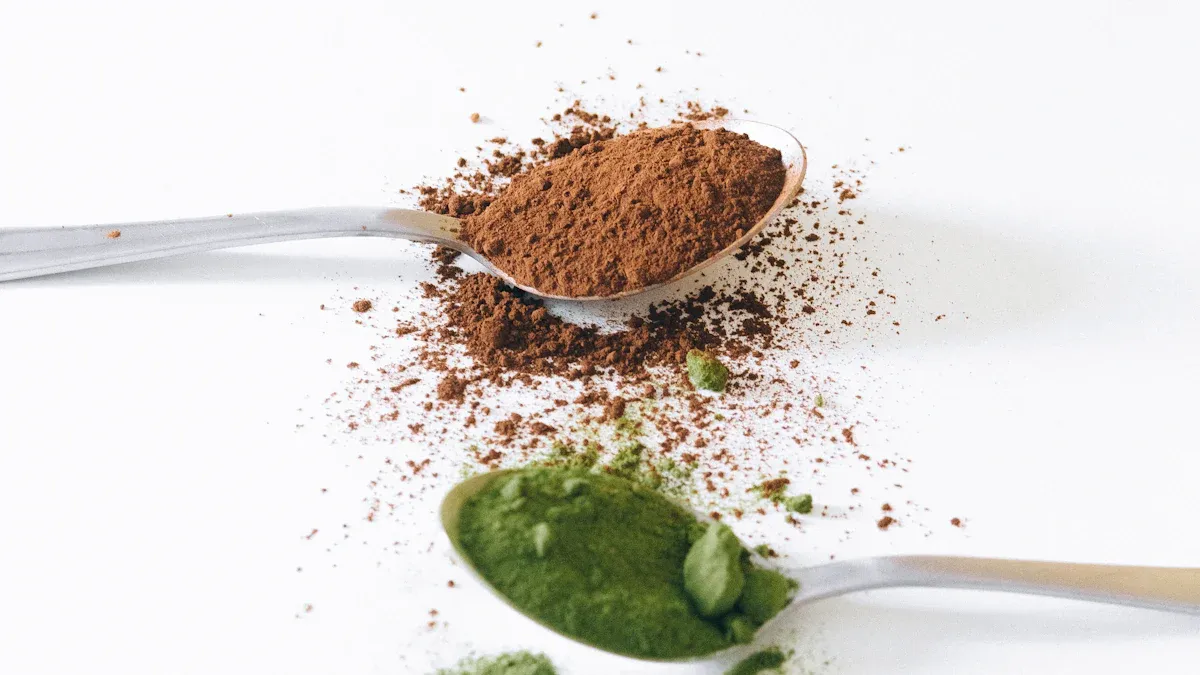
Moringa powder is a fantastic way to enjoy the health benefits of Moringa leaves in a convenient form. You can easily add it to your daily routine, and it offers a range of medicinal uses that can help prevent chronic diseases. Let’s explore how you can incorporate Moringa powder into your diet!
Usage in Smoothies and Juices
Adding Moringa powder to your smoothies and juices is a delicious way to boost their nutritional value. Here are some popular recipes you might want to try:
Creamy Moringa Green Smoothie: Blend 2 teaspoons of Moringa powder with 1 banana, 2 Medjool dates, a handful of spinach and kale, and 2 cups of coconut water.
Chocolate Moringa Smoothie: Mix 1 scoop of chocolate protein powder, 1 banana, 1 cup of plant-based milk, and 2 teaspoons of Moringa powder. Add ice cubes for a refreshing treat!
Rich & Creamy Superfood Moringa Smoothie: Combine banana, frozen pineapple, Moringa powder, plant-based milk, and coconut yogurt for a nutrient-packed drink.
By adding Moringa powder, you significantly enhance the protein content of your smoothies. Studies show that this can increase protein levels by up to 254%! Plus, the antioxidant properties of your drinks improve, helping to protect your cells against free radicals.
Cooking with Moringa Powder
You can also use Moringa powder in various dishes to enjoy its health benefits. Here are some ideas:
Moringa Pasta Sauce: Blend Moringa powder with basil, pine nuts, Parmesan, garlic, and olive oil for a nutritious sauce.
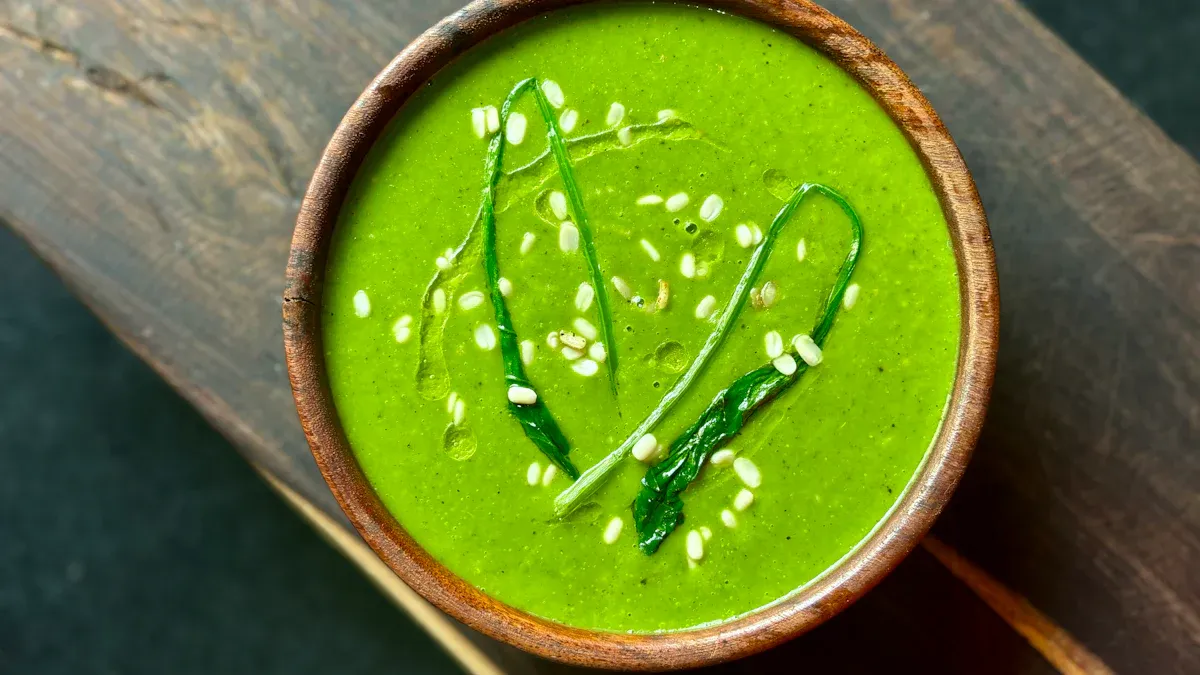
Moringa Soup: Sauté onions, garlic, and carrots, then add Moringa leaves and blend for a creamy soup.
Moringa Omelette: Mix eggs with Moringa powder and your favorite vegetables for a healthy breakfast.
When cooking with Moringa powder, remember that high heat can destroy some nutrients. To preserve its benefits, use low-temperature cooking methods. Combining fresh Moringa leaves with Moringa powder can also enhance your nutrient intake.
Moringa Tea Preparation
Moringa tea is another excellent way to enjoy the benefits of Moringa. Here’s how to prepare it:
Preparation Method | Steeping Time |
|---|---|
Fresh Leaves | 5 minutes |
Dried Leaves | 4-6 minutes |
Tea Bags | 4-5 minutes |
For the best flavor and health benefits, use fresh leaves. Steep dried leaves at a temperature of 93-95°C for optimal extraction. Just be careful not to steep for too long, as this can make the tea bitter.
Moringa powder is rich in proteins, minerals, amino acids, antioxidants, and flavonoids. It plays a significant role in treating immune disorders and can help in preventing chronic diseases linked to immune dysfunction. By incorporating Moringa powder into your diet, you can support your overall health while enjoying delicious meals and drinks!
Potential Side Effects and Precautions
While Moringa leaves and powder offer numerous health benefits, it’s essential to be aware of potential side effects and precautions. Here’s what you should know before adding Moringa to your routine.
Common Side Effects
Some people may experience side effects when consuming Moringa. Here are the most commonly reported issues:
Digestive Issues: You might face diarrhea, nausea, or stomach upset.
Potential Toxicity: Excessive intake, especially from roots and bark, can lead to toxicity.
Allergic Reactions: Symptoms may include skin rash, itching, or difficulty breathing.
Lower Blood Pressure: If you’re on blood pressure medications, Moringa may cause hypotension.
Impaired Fertility: High doses could affect reproductive hormones.
Liver and Kidney Health: Excessive intake might strain these organs, leading to complications.
If you have gastrointestinal disorders like IBS or Crohn’s disease, Moringa may worsen your symptoms. Always start with a small amount to see how your body reacts.
Interactions with Medications
Moringa can interact with various medications, so it’s crucial to consult your healthcare provider if you’re taking any of the following:
Medication | Purpose | Interaction | Recommendation |
|---|---|---|---|
Metformin (Glucophage®) | Blood sugar control | May increase risk of low blood sugar (hypoglycemia) | Monitor blood sugar regularly; consult your doctor |
Clozapine (Leponex®) | Antipsychotic | May alter CYP1A2 enzyme activity affecting drug metabolism | Consider monitoring; discuss with your doctor |
Levothyroxine | Thyroid hormone | Moringa may reduce absorption in the intestine | Take Moringa at least 4 hours apart from Levothyroxine |
Moringa may lower blood sugar levels, which can lead to hypoglycemia in patients taking antidiabetic medications. It may also enhance the effects of blood pressure medications, potentially causing excessively low blood pressure. Always talk to your healthcare provider before starting Moringa if you’re on any medications.
Moringa leaves and powder offer a treasure trove of health benefits. They are rich in proteins, vitamins, and minerals, making them a fantastic addition to your diet. Here are some key takeaways:
Key Takeaways | Description |
|---|---|
Nutritional Value | Moringa leaves are rich in proteins, vitamins (A, C, E), minerals (calcium, potassium, iron), and essential fatty acids, contributing to overall health and wellness. |
Health Benefits | Moringa is marketed as an immune booster, detoxifier, and energy enhancer, with claims of improving digestion, reducing inflammation, and promoting healthy skin. |
You can easily add Moringa to your meals in various ways:
Sprinkle Moringa powder over smoothies, yogurt, or soups.
Steep dried leaves to make a refreshing tea.
Toss fresh leaves into salads or stir-fries.
Consider adding Moringa to your daily routine for improved health and wellness. Just remember to consult with your healthcare provider if you have any concerns, especially if you’re pregnant or on medication. Enjoy the journey to better health with Moringa! 🌿
FAQ
What is Moringa powder made from?
Moringa powder comes from the dried leaves of the Moringa oleifera tree. You can easily find it in health food stores or online. It’s packed with nutrients and can enhance your meals.
How much Moringa powder should I take daily?
You can start with 1 to 2 teaspoons of Moringa powder daily. Adjust based on your body’s response. Always listen to your body and consult a healthcare professional if unsure.
Can I use Moringa powder in baking?
Absolutely! You can add Moringa powder to baked goods like muffins or pancakes. Just remember to use it in moderation to maintain the flavor and nutritional benefits.
Is Moringa safe for everyone?
Moringa is generally safe for most people. However, pregnant women and those on certain medications should consult a healthcare provider before using it. Always check for allergies too!
How long does Moringa powder last?
When stored in a cool, dry place, Moringa powder can last up to 2 years. Keep it in an airtight container to maintain its freshness and potency.