

You likely recognize the popular dish, borscht. However, significant culinary distinctions exist between russian and ukrainian borscht. This article will clearly outline the key differences in ingredients, preparation, and serving traditions defining each version of borscht. The term ‘borscht’ in English often refers to the Ukrainian variant. This Ukrainian borscht, a beloved staple from Ukraine, highlights prominent red beetroots. We will explore these different varieties of borscht, including russian borscht, and reveal the unique culinary heritage of Ukraine.
Core Ingredient Distinctions
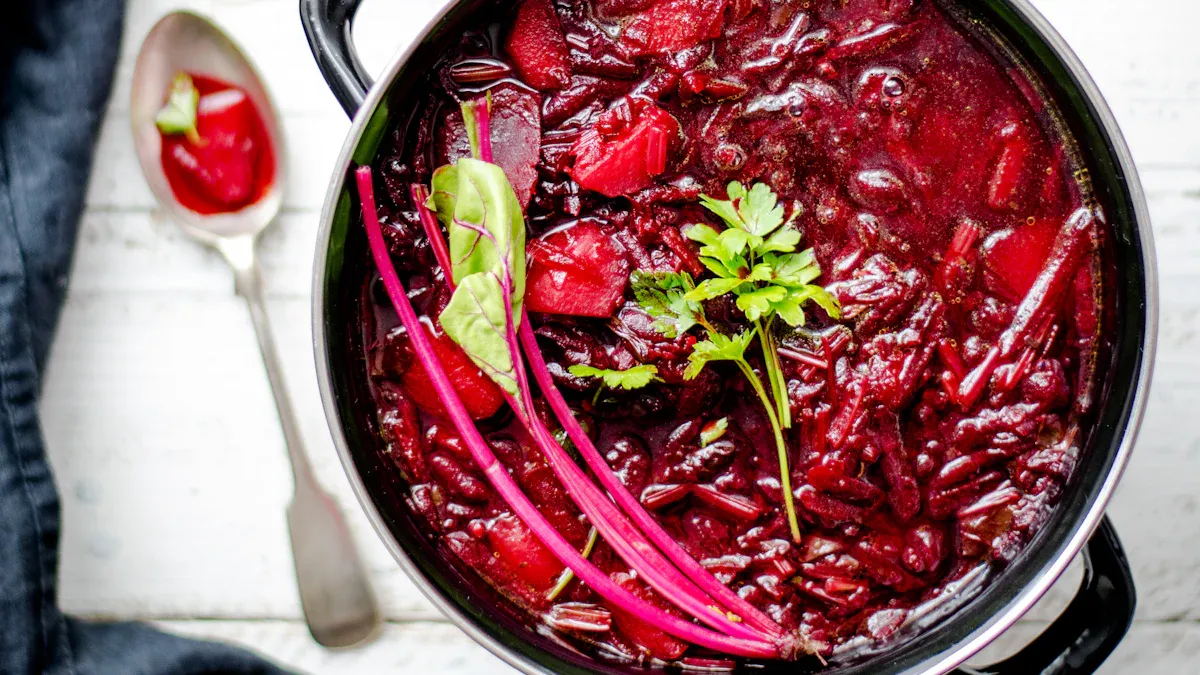
When you explore the world of russian and ukrainian borscht, you quickly discover fundamental differences in their main components. These distinctions create unique flavors and textures in each comforting beet soup.
Meat Base: Broth Variations
The type of broth forms a significant divergence between these two beloved soups. For Russian borscht, you often find a robust beef base. Historically, beef has been a primary choice. A declassified Soviet Army manual from the 1940s shows that making beef bullion was a crucial first step for their borscht recipe. When people were not observing fasting periods, beef bones were commonly used to create the rich broth. This highlights beef’s importance for flavor. Even in earlier times, like the late 17th or early 18th century, bone broth, often including beef, was incorporated into borscht. This happened after the beet sour was prepared and diluted. Ukrainian borscht, on the other hand, can feature a variety of meat broths, or it can be entirely vegetarian. You will find its broth contributes to a rich and hearty foundation.
Vegetable Variety: Ukrainian vs. Russian
The vegetable content also sets these two versions apart. Ukrainian borscht is famous for its generous amount of vegetables, making it a very hearty meal. You will consistently find a rich mix of ingredients in traditional Ukrainian borscht recipes. These often include:
- Red Beets (the main ingredient for its classic bright red variety)
- Green Cabbage (sometimes red cabbage is an alternative)
- Potatoes (various types like red, yellow, or russet)
- Carrots
- Onion (yellow, white, or red)
- Orange Bell Pepper (sometimes added, especially in meatless versions)
For example, a vegetarian Ukrainian borscht is known for being thick with vegetables. It includes carefully diced carrots, potatoes, and onions, alongside beets. This makes Ukrainian borscht a very substantial dish. Russian borscht can also contain many vegetables, but its composition might be simpler or vary more widely depending on regional styles.
Fat Content: Salo in Ukrainian Borscht
Ukrainian borscht often features a distinct richness from cured fat, traditionally known as salo. This ingredient, finely minced and sometimes combined with garlic, adds a unique depth of flavor and a creamy texture to the soup. You will find this fat contributes significantly to the hearty nature of Ukrainian borscht. It helps create a satisfying mouthfeel. In contrast, Russian borscht typically uses other fats for sautéing vegetables, resulting in a different fat profile.
Sourness Agent: Kvass vs. Vinegar
The souring agent is another key differentiator. Ukrainian borscht traditionally gets its characteristic tang from beet kvass. Kvass, a fermented beverage, has deep historical roots in Ukraine. It potentially originated in Kievan Rus’ and has been documented since at least the 10th century. It has become a significant symbol of East Slavic cuisine, including that of Ukraine. Beet kvass, historically aged in wooden barrels, continues to be a foundational ingredient for borscht in contemporary Ukrainian cuisine. This shows its enduring role as a souring agent. The term ‘kvass’ itself translates to ‘a sour beverage,’ highlighting its inherent sour characteristic.
For Russian borscht, you will more commonly find vinegar used to achieve the desired sourness. Classic white vinegar is suitable for Russian borscht. Other options include lemon juice or apple cider vinegar. Sometimes, a fermented beet brine, known as ‘russel,’ is used. This brine tastes quite sharp, similar to vinegar, providing a traditional method for a tangy flavor.
Preparation and Flavor Profiles
You will find that the way cooks handle ingredients significantly shapes the final taste and texture of each borscht. This section explores how preparation methods influence the distinct characteristics of both Russian and Ukrainian versions. You will also learn about the typical consistency of each soup. Ukrainian borscht often presents a thicker, heartier consistency, while Russian borscht can be more liquidy.
Vegetable Sautéing Techniques
The method you use to cook vegetables plays a crucial role in developing the flavor base of borscht. In Ukrainian borscht, cooks often employ specific sautéing techniques to build a rich foundation. You will typically see them:
- Julienne celery, carrots, and other root vegetables.
- Roughly chop onions.
- Sauté these vegetables in a small amount of fat before adding them to the soup pot with potatoes, cabbage, and beets.
This process allows the vegetables to caramelize slightly, which deepens their natural sweetness and adds complexity to the soup. For Russian borscht, sautéing vegetables is also common. However, the specific cuts and the order of adding them might vary more widely. You might find a simpler approach to sautéing, focusing on softening the vegetables before they join the broth.
Herb and Spice Profiles
Herbs and spices give each borscht its unique aromatic signature. Ukrainian borscht often features a generous use of fresh herbs. You will commonly find fresh dill and parsley stirred in just before serving. These herbs provide a bright, fresh counterpoint to the rich, earthy flavors of the beets and other vegetables. Bay leaves and black peppercorns are also standard additions during the cooking process, contributing a subtle warmth and depth. Garlic is another essential component in Ukrainian borscht. Cooks often crush it and add it towards the end of cooking or even mix it with the cured fat for a potent flavor boost.
Russian borscht also uses herbs and spices, but the emphasis can differ. While dill and parsley are still popular, you might find a slightly less pronounced fresh herb presence. Bay leaves and black pepper remain common. The overall spice profile in Russian borscht might lean towards a more classic, savory blend, allowing the primary vegetable and broth flavors to shine.
Flavor Balance: Sweetness and Sourness
Achieving the perfect balance of sweet and sour is a hallmark of any good borscht. This balance is where you will notice significant differences between the two styles. Ukrainian borscht often achieves its sourness from beet kvass, as you learned earlier. This fermented beet juice provides a complex, earthy tang. The natural sweetness of beets and carrots then balances this sourness. The overall flavor profile of Ukrainian borscht is typically robust and deeply savory, with a pleasant tang that cuts through its richness. The hearty consistency also contributes to a full-bodied taste experience.
Russian borscht often uses different methods to achieve its sweet and sour harmony. You might find a more direct approach to balancing these tastes:
- Plum jam is a key ingredient for some, often referred to as a ‘family secret.’ It helps achieve a perfect balance between sour and sweet.
- Apple cider vinegar is added for a distinct, mouth-puckering sourness.
- White sugar is used ‘if needed’ to correct flavors and balance the sourness.
This approach allows for precise adjustments to the flavor, creating a taste that can range from subtly tart to quite sharp, always with an underlying sweetness. The often more liquidy consistency of Russian borscht allows these distinct sweet and sour notes to come through clearly.
Serving Traditions and Accompaniments
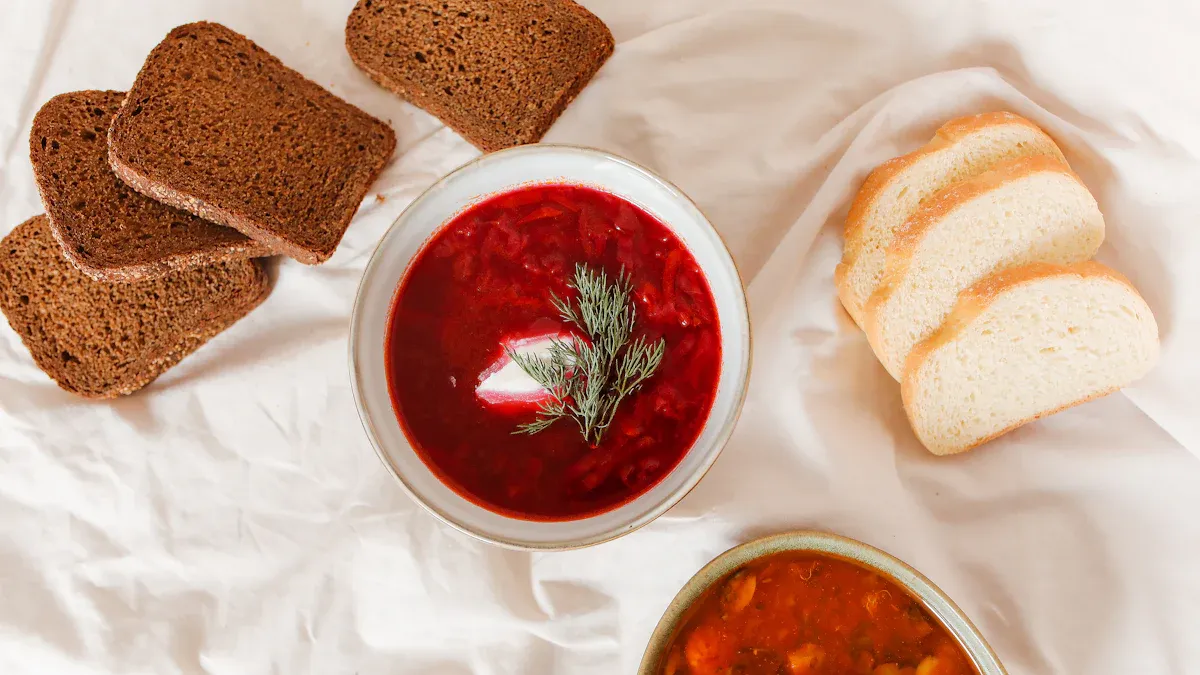
You will find distinct ways people present and enjoy each type of borscht. These traditions add to the unique culinary experience.
Garnishes and Sides
When you enjoy borscht, the accompaniments often enhance its flavors. For Ukrainian borscht, you typically serve it with a variety of sides. These additions make the meal more substantial. You might find:
- Pumpernickel or rye bread
- Garlic toast, often with chopped parsley and Parmesan cheese
- Sour cream, cheese, or thick yogurt
- Dill pickles and sauerkraut
- Pierogis, with potato or cheese fillings, offering a delightful contrast in textures
- Buckwheat kasha, barley, or quinoa
- Baked potato, potato pancakes, or mashed potatoes, which offer creaminess and a mild flavor
- Hard-boiled eggs, adding protein and richness
Mashed potatoes are a comforting side, balancing the soup’s robust taste. Garlic bread provides a pungent aroma and bold flavor. Pierogis bring a touch of Eastern European tradition. Hard-boiled eggs make the borscht more filling. These sides reflect the rich culinary heritage of Ukraine.
Russian borscht also comes with its own set of traditional accompaniments. You often see it served with a dollop of sour cream or a sprinkle of fresh herbs like dill. The choice of bread, such as rye, is also common. These simple additions allow the main flavors of the borscht to remain prominent.
Serving Temperature Variations
The temperature at which you serve borscht can vary significantly. This depends on the specific recipe and the season. You can serve borscht, a classic soup from Ukraine, either hot or cold. This flexibility makes it suitable for different climates and preferences.
For Russian borscht, especially certain varieties, serving it cold is a common practice. Svekolnik, a type of Russian borscht, is a summer favorite. You always serve this cold version. On a hot summer day, you do not want hot soup. This vitamin-packed soup fills and cools you at the same time. This highlights a key difference in how people enjoy borscht in Russia, particularly during warmer months.
You now understand the distinct characteristics of russian and ukrainian borscht. Ukrainian borscht offers a rich, hearty experience, often featuring potatoes and the complex tang of beet kvass. People in Ukraine often serve this borscht with pąpushky. In contrast, russian borscht tends to be beef-based or simpler, using different souring agents. You will also find more common cold variations of this borscht. This beet-based borscht from Ukraine and its Russian counterpart showcase diverse culinary traditions. We encourage you to experience both versions of borscht to fully appreciate their depth and variety.
