Potassium is a vital mineral for your overall well-being. It helps maintain fluid balance and supports proper nerve signals. Your muscles, especially your heart, rely on potassium for proper function. This mineral is also essential for protein synthesis and carbohydrate metabolism. Many U.S. adults consume insufficient potassium, with less than 2% meeting the recommended daily intake.
This article will guide you through the 14 best vegetables high in potassium. You can easily boost your intake by incorporating these foods high in potassium into your daily diet. This potassium vegetables chart will help you build a potassium-rich diet for better health.
Key Takeaways
Potassium is a very important mineral. It helps your heart, muscles, and nerves work well. It also helps keep your blood pressure healthy.
Many people do not get enough potassium. You can easily add more potassium to your diet. Eat vegetables like sweet potatoes, spinach, and avocados.
The blog lists 14 vegetables high in potassium. These include sweet potatoes, spinach, beet greens, and avocados. Eating these helps you reach your daily potassium goals.
Cook vegetables by steaming or roasting them. This helps keep their potassium and other good nutrients. Avoid boiling them in a lot of water.
Talk to your doctor about potassium if you have kidney disease or take certain medicines. They can help you manage your potassium intake safely.
Why Potassium Matters: Key Benefits
Potassium is a powerhouse mineral. It plays many important roles in your body. Understanding these benefits helps you see why you need enough potassium every day for good health.
Regulating Blood Pressure
Potassium is key for keeping your blood pressure in check. It helps relax the walls of your blood vessels. This relaxation lowers your blood pressure. Studies show that getting enough potassium can significantly reduce your systolic blood pressure, especially if you already have high blood pressure. While enough potassium is good, too much can be harmful for some people. People with high blood pressure and those who eat a lot of salt benefit most from more potassium.
Supporting Heart Health
Your heart relies on potassium to stay healthy. This mineral helps reduce your risk of heart disease. For example, increasing your potassium intake by 1,000 mg per day can lower your risk of cardiovascular disease by 18%. Potassium helps relax blood vessels and increases how much sodium your body removes. This also helps lower blood pressure.
Here are some findings about potassium and heart health:
Finding | Quality of Evidence |
|---|---|
Reduced blood pressure in people with high blood pressure | High |
24% lower risk of stroke | Moderate |
No bad effects on blood fats or kidney function | High |
Maintaining Fluid Balance
Potassium helps keep the right amount of fluid inside and outside your cells. It works with a special pump called the Na+/K+-ATPase pump. This pump moves potassium into your cells and sodium out. This action keeps the fluid balance just right. Hormones like insulin, aldosterone, and catecholamines also help manage potassium movement in your body. This balance is vital for your overall health.
Aiding Muscle and Nerve Function
Potassium is essential for your muscles and nerves to work correctly. It helps send nerve signals throughout your body. When a nerve sends a message, potassium helps the nerve cell reset itself. This allows for continuous signal transmission.
Here is how potassium helps:
Nerve Signals: Potassium helps nerve cells return to their resting state after sending a signal. It also keeps the electrical charge across the cell membrane stable. This is important for generating and sending nerve signals.
Muscle Movement: Potassium helps your muscles contract and relax. It maintains the electrical balance in muscle cells. This ensures your muscles work smoothly. Adequate potassium levels mean good reflexes and clear communication between your brain and muscles. It also helps your muscles use carbohydrates and build protein.
Understanding Your Daily Potassium Needs
You need a specific amount of potassium every day. This mineral helps your body perform many vital functions. The recommended daily intake (RDI) for potassium varies. It depends on your age, sex, and life stage. Meeting these daily goals ensures you support your overall health.
Recommended Daily Intake (RDI)
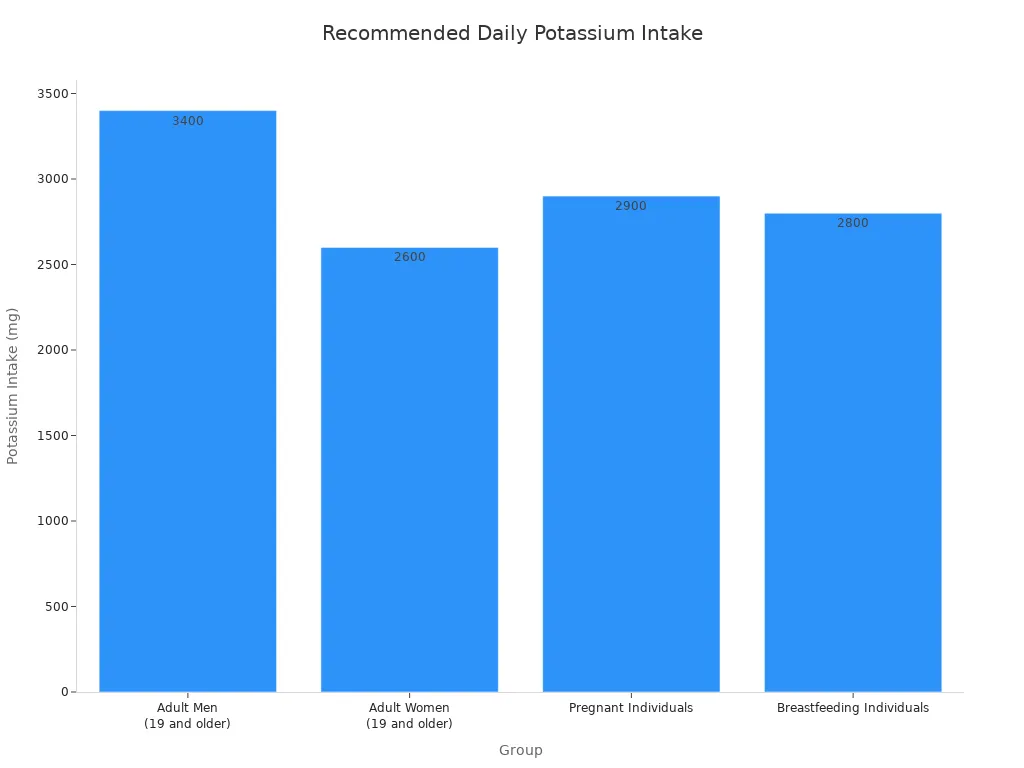
Here is a guide to the recommended daily potassium intake for adults:
Group | Recommended Daily Potassium Intake (mg) |
|---|---|
Adult Men (19 and older) | 3,400 |
Adult Women (19 and older) | 2,600 |
Pregnant Individuals | 2,900 |
Breastfeeding Individuals | 2,800 |
Aim to include potassium-rich foods in your diet daily to reach these targets. This helps maintain proper body function.
Signs of Potassium Deficiency
Sometimes, you might not consume enough potassium. This condition is known as potassium deficiency, or hypokalemia. When your body lacks sufficient potassium, it can show several noticeable signs. Recognizing these symptoms is important for your health.
Common signs of potassium deficiency include:
Fatigue: You may feel unusually tired, even without much physical exertion.
Muscle Weakness and Cramps: Your muscles might feel weak, or you could experience frequent cramps, especially in your legs.
Tingling and Numbness: You might feel tingling or numbness, often in your hands, arms, legs, and feet. This is called paresthesia.
Heart Issues: Your heart rhythm can become abnormal. You might notice a rapid or erratic heartbeat, known as an arrhythmia. Severe cases can increase risks for heart attacks or strokes.
Increased Thirst and Urination: You may feel more thirsty than usual and need to urinate more frequently.
High Blood Pressure: Low potassium levels can contribute to elevated blood pressure.
Constipation: Your digestive system might slow down, leading to constipation and bloating.
Severe potassium deficiency (levels below 2.5 mmol/L) is a serious condition. It can be life-threatening. If you experience these symptoms, consult your doctor. They can help determine if you have a potassium deficiency and recommend the right course of action.
Top 14 High Potassium Vegetables Chart
This section provides a detailed look at the top 14 high potassium vegetables. You will discover their specific potassium content, additional health benefits, and practical ways to include them in your meals. This potassium vegetables chart helps you easily identify excellent foods high in potassium.
Sweet Potatoes
Sweet potatoes are a highly nutritious food. They offer many benefits for preventing chronic diseases. A 124-gram serving of mashed sweet potato gives you 259 milligrams of potassium. This is about 5% of your daily recommended intake. Sweet potatoes are low in fat, sodium, and cholesterol. They contain dietary fiber, natural sugars, protein, vitamins A and C, potassium, iron, and calcium.
Sweet potatoes offer several health benefits:
Improving insulin sensitivity: Sweet potato extract can improve how your body uses insulin. The fiber also lowers your risk of type 2 diabetes.
Maintaining healthy blood pressure: Their potassium content helps keep your blood pressure healthy. The American Heart Association recommends this.
Reducing cancer risk: Sweet potatoes have beta-carotene. Your body turns this into vitamin A. This antioxidant may lower your risk of cancers like prostate and lung cancer.
Improving digestion and regularity: Fiber in sweet potatoes helps prevent constipation. It promotes a healthy digestive system. High fiber also links to a lower risk of colorectal cancers.
Protecting eye health: Sweet potatoes are a good source of provitamin A (beta-carotene). This helps maintain healthy vision.
You can bake, roast, or mash sweet potatoes. Add them to stews or make sweet potato fries.
Spinach
Spinach is a powerful leafy green. It is an excellent source of many vitamins and minerals. Per 100 grams, spinach contains 558 milligrams of potassium. This is 12% of your Daily Value.
Spinach also provides:
Vitamin A: High in carotenoids, which your body converts to vitamin A.
Vitamin C: A strong antioxidant for skin health and immune function.
Vitamin K1: Essential for blood clotting. One spinach leaf gives you over half of your daily needs.
Folic acid (Vitamin B9): Important for pregnant women and for cell function.
Iron: Helps create hemoglobin for oxygen transport.
Calcium: Essential for bone health and nerve signals.
You can add spinach to smoothies, salads, or sauté it as a side dish. It wilts down quickly, making it easy to eat a lot.
Beet Greens
Beet greens are the leafy tops of beets. They are very nutritious. These greens contain a remarkable 762 mg of potassium per 100 grams. This makes them one of the highest potassium vegetables.
Beet greens also contain unique antioxidants like:
ß-carotene
lutein
zeaxanthin
You can sauté beet greens with garlic or add them to soups and stir-fries. Treat them like spinach or Swiss chard.
Swiss Chard
Swiss chard is another leafy green packed with nutrients. A 36-gram cup of cooked Swiss chard contains 136 mg of potassium. Swiss chard is a rich source of minerals, including potassium. This mineral is important for regulating heart rate and blood pressure.
Swiss chard also promotes bone health. It contains calcium, vitamin K, and magnesium. These nutrients may help prevent osteoporosis. Vitamin K is crucial for bone formation and maintenance. Low vitamin K intake links to a higher risk of osteoporosis and fractures. Regular consumption of chard may help prevent osteoporosis.
You can steam, sauté, or braise Swiss chard. It works well in pasta dishes or as a healthy side.
Avocado
Avocado is a unique fruit often used as a vegetable. It is known for its healthy fats. Avocados are rich in monounsaturated fats, which are heart-friendly. These fats do not increase blood cholesterol. A 100-gram serving of avocado provides 485 mg of potassium.
Avocado also contains:
Fat: 14.7g
Fiber: 6.7g
You can add avocado to salads, sandwiches, or make guacamole. It adds a creamy texture and healthy fats to your meals.
Broccoli
Broccoli is a popular cruciferous vegetable. It is a good source of many vitamins and minerals. Broccoli contains potassium, though the exact amount per 100 grams varies. It is a rich source of antioxidants, including vitamins C, K, and A. It also provides minerals like calcium and iron. These antioxidants help protect your body from stress and reduce inflammation.
Broccoli contains sulforaphane, a compound with strong anti-inflammatory properties. It helps reduce inflammatory substances in your body. Other compounds like indole-3-carbinol and flavonoids also contribute to broccoli’s anti-inflammatory effects.
You can steam, roast, or stir-fry broccoli. Add it to casseroles or eat it raw with a dip.
Brussels Sprouts
Brussels sprouts are small, cabbage-like vegetables. They are packed with nutrients. A 100-gram serving of Brussels sprouts contains 471 mg of potassium.
Brussels sprouts are also high in fiber. Fiber is crucial for gut health. It influences your mood, immune system, and helps remove toxins. A half-cup of cooked Brussels sprouts provides 2 grams of fiber. Their high fiber content supports regularity and overall gut health.
Roast Brussels sprouts with a little olive oil and seasoning. You can also steam or sauté them.
Tomatoes
Tomatoes are versatile and widely used. They are a good source of potassium. A 100-gram serving of tomatoes contains about 237 mg of potassium.
Tomatoes are also known for their lycopene content. Lycopene is a red pigment and a powerful antioxidant. It gives tomatoes their vibrant color.
You can enjoy tomatoes fresh in salads, sauces, or soups. They are a staple in many cuisines.
Acorn Squash
Acorn squash is a type of winter squash. It is a delicious and nutritious vegetable. A 100-gram serving of acorn squash contains 347 mg of potassium.
Acorn squash is also a good source of dietary fiber. Fiber helps improve bowel movement regularity and aids in weight management. It increases meal satisfaction and can help lower cholesterol. Fiber also boosts the diversity of good gut bacteria. It contributes to digestive health and prevents constipation.
You can bake or roast acorn squash. Cut it in half, scoop out the seeds, and fill it with your favorite stuffing.
Butternut Squash
Butternut squash is another popular winter squash. It is known for its sweet, nutty flavor. A 100-gram serving of raw butternut squash contains about 329 mg of potassium.
Butternut squash is excellent for eye health. It contains carotenoids like beta-carotene. Your body converts this into vitamin A. This promotes healthy vision. It also contains vitamins A, C, and E. These provide antioxidant benefits and help prevent age-related vision problems. The vitamin A in butternut squash also supports healthy cell renewal and immune function.
Roast butternut squash cubes, add it to soups, or mash it as a side dish.
Potatoes
Potatoes are a staple food worldwide. They are an excellent source of potassium. A medium 5.3 oz skin-on potato contains more potassium than a medium-sized banana. Potatoes are higher in potassium content than 88% of other foods.
Potatoes are primarily carbohydrates, mainly starch. They also contain small amounts of simple sugars. While not a high-fiber food, potatoes can be a significant source of fiber, especially in the skin. Their fibers, like pectin and cellulose, include resistant starch. This benefits gut health and blood sugar control.
You can bake, boil, or roast potatoes. Enjoy them with the skin on for extra nutrients.
Mushrooms
Mushrooms are a unique and flavorful addition to your diet. They are recognized for their high potassium content and low sodium content. Specific varieties like oyster mushrooms and chanterelles contain significant amounts of potassium.
Mushrooms also contain unique immune-boosting compounds. For example, oyster mushrooms are rich in beta-glucans, which support your immune system. Shiitake mushrooms contain lentinan, studied for its immune-boosting properties. Many mushrooms also contain Ergothioneine (EGT), a powerful antioxidant.
Add mushrooms to stir-fries, soups, or sauté them as a side. They add an earthy flavor to many dishes.
Artichokes
Artichokes are a unique and nutritious vegetable. A large artichoke contains 600 milligrams of potassium. This accounts for 13% of your daily recommended value.
Artichokes offer great digestive health benefits. Cynarin in artichokes helps your liver produce bile. This is essential for breaking down food and absorbing vitamins. Artichokes are rich in fiber, with a large one containing 9 grams. This fiber, including inulin, helps you feel full and prevents blood sugar spikes. Inulin acts as a prebiotic, supporting healthy gut bacteria.
You can steam or boil artichokes. Enjoy the tender leaves with a dip or add the hearts to salads.
Asparagus
Asparagus is a popular spring vegetable. It is a good source of potassium and other nutrients. An 80-gram serving of boiled asparagus provides 176 mg of potassium.
Asparagus is also rich in folate. Folate is crucial for red blood cell production and cell division. It is an essential nutrient during pregnancy. Folate supports fetal development and protects against neural tube defects. A half-cup serving of asparagus provides 134 micrograms of folate.
You can steam, roast, or grill asparagus. It makes a delicious and healthy side dish.
Tips for Boosting Potassium-Rich Vegetables Intake
You can easily increase your intake of potassium. Focus on simple strategies. These tips help you add more potassium-rich vegetables to your daily meals.
Meal Planning Strategies
Start by planning your meals. Make sure you include potassium rich vegetables in every dish. For breakfast, add spinach to your omelet. At lunch, toss some avocado slices into your salad. For dinner, serve a side of roasted sweet potatoes. This consistent approach helps you meet your daily potassium needs. You will find it simple to incorporate more of these healthy foods.
Cooking Methods to Retain Nutrients
How you prepare your vegetables affects their nutrient content. You want to keep their valuable potassium and other vitamins.
Tip: Cook for shorter durations at lower temperatures. Use minimal water.
Steaming is an excellent method. It preserves nutrients well. This includes water-soluble minerals like potassium. For example, steam potato pieces in a sieve over boiling water. Make sure the potato pieces do not touch the water. Microwaving is also a good option. It helps preserve nutrients in your food.
Creative Recipe Ideas
Get creative in the kitchen! Many delicious recipes feature potassium-rich vegetables.
Try a Mediterranean Stuffed Sweet Potato with Tahini Sauce and Cucumber Salad.
Make hearty Lentil Stuffed Peppers.
Enjoy a Creamy Mushroom and Wild Rice Soup.
Prepare some Lemon Dill Brussels Sprouts.
You can also make Low Sodium Enchiladas with Black Beans and Sweet Potatoes. These ideas help you enjoy more potassium in your diet.
Potassium Intake: Special Considerations
You need to consider your potassium intake carefully in certain situations. This is especially true if you have specific health conditions or take certain medications. Always talk to your doctor for personalized advice.
Individuals with Kidney Disease
If you have kidney disease, managing your potassium intake is very important. Your kidneys help remove extra potassium from your body. When your kidneys do not work well, potassium can build up. This can lead to high potassium levels, called hyperkalemia. This condition can be dangerous for your heart.
Many guidelines suggest limiting potassium for people with kidney disease. This is especially true if you have high potassium. Here are some recommendations:
Guideline/Organization | Recommendation for Potassium Intake |
|---|---|
2004 KDOQI | Limit potassium to 2–4 g/d for CKD stage 3–5 |
2010 Academy of Nutrition and Dietetics | Limit dietary potassium intake to <2.4 g/d for CKD stage 3–5 with hyperkalemia |
2015 Dietitians of Canada | Reduce dietary potassium intake to 2 g/d when hyperkalemia is present |
However, experts do not fully agree on a specific potassium target. Some reports show there is not enough proof that routine potassium restriction always helps. Such restrictions might even stop you from getting benefits from healthy, potassium-rich foods. Always talk to your doctor or a dietitian. They can help you manage your potassium intake safely for your kidney health and overall well-being.
Also, potassium is crucial for your overall well-being. It supports vital body functions, contributing to better health. This potassium vegetables chart showed you many vegetables high in potassium. You can easily boost your potassium intake. Start incorporating these nutrient-rich foods into your daily diet. Small, consistent changes lead to significant health improvements. Embrace the power of potassium. Begin enjoying these nutrient powerhouses today!