

Imagine biting into a perfectly ripe, juicy fruit. That incredible taste and vibrant nutrition come from eating fruits at their peak. This guide helps you discover which 15 delicious fruits are in season every month. You will enjoy optimal flavor, nutrition, and value. A comprehensive fruit season chart serves as a valuable tool. It supports your culinary exploration and healthy eating. This chart simplifies finding the best fruits.
Key Takeaways
Eating fruit in season gives you the best taste and more nutrients. These fruits are picked when they are perfectly ripe.
Buying seasonal fruit saves you money. It also helps local farmers and is better for the environment.
Use the fruit season chart to find out which fruits are best each month. This helps you enjoy fresh and healthy choices all year.
Store fruits correctly to keep them fresh longer. Some fruits ripen faster when stored near others, like apples and bananas.
Why Eat Seasonal Fruit?
Eating fruits at their peak offers many advantages. You get better taste, more nutrients, and save money. You also help the environment and local farmers.
Peak Flavor and Nutrition
Fruits taste best when you eat them in season. They develop their full flavor and texture naturally. This makes them more enjoyable. Fruits harvested at their peak ripeness are also rich in essential nutrients. They contain many vitamins, minerals, and antioxidants. For example, summer berries have high levels of vitamin C. Ripe, freshly picked fruits are at their most nutrient-dense.
They contain higher levels of vitamins, minerals, and phytochemicals. Produce harvested during its natural season is more nutrient-dense. It matures longer on the plant. This is unlike produce picked too early. In-season fruits offer optimal nutritional value. They grow under ideal conditions.
Cost Savings and Sustainability
Buying seasonal fruits can save you money. When fruits are in season, they are abundant. This often leads to lower prices. Eating fruits at their peak ripeness reduces production costs. This means lower prices for you. Choosing seasonal produce also helps the environment. It reduces the carbon footprint from long-distance transport. Fruits shipped over long distances need more fuel and packaging. This creates more greenhouse gases. Eating locally grown seasonal fruits minimizes transportation needs. This reduces pollution.
Supporting Local Growers
You support your community when you buy seasonal fruits from local farmers. This helps preserve farmland. It also strengthens the connection between you and the people who grow your food. This creates a stronger food system. Supporting local farmers encourages them to grow many different fruits. This helps protect against pests and diseases. It also leads to a more balanced agricultural system.
Your Comprehensive Fruit Season Chart: Exploring Monthly Fruit Seasons
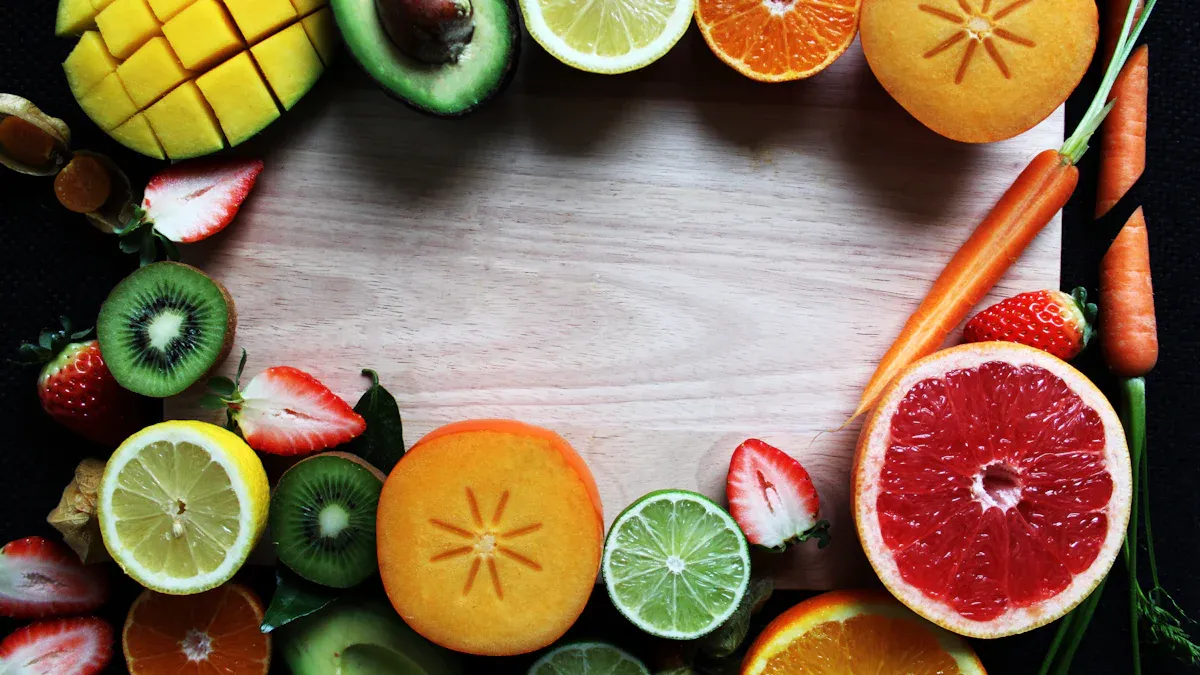
This fruit season chart guides you through the year. It helps you discover the best produce each month. You will find a delicious variety of fruits. This seasonal fruit chart ensures you enjoy peak flavor and nutrition.
January: Winter Fruits
January brings a bounty of winter fruits. You can find many delicious options. These fruits offer bright flavors during colder months.
Envy™ apples
EverCrisp® apples
Blackberries
Blueberries
Bosc Pears
Fuji Apples
Grapefruit
Kiwi
Mango
Navel Oranges
Pinkglow Pineapples
Pomegranate Arils
Red Grapes
Strawberries
Cherry Tomatoes (often used culinarily as a fruit)
February: Sweet and Tangy Fruits
February offers a delightful mix of sweet and tangy fruits. You will find many citrus varieties. They provide a burst of flavor.
Lemons
Limes
Grapefruit
Oranges
Mandarins
Blood Oranges
Bananas
Big Honeys (Dekopon mandarins)
Dates
Jazz™ Apples
MandaRosa (a type of mandarin)
Mangoes
Pink Lady® Apples
Pummelos
Raspberries
March: Spring’s First Fruits
March welcomes spring’s first fruits. You see a transition from winter citrus to early spring delights. This month offers a great variety of fruits.
Grapefruit
Oranges
Tangerines
Mandarins
Kiwi
Lemons
Limes
Mangoes
Blood Oranges
Cara Cara Oranges
Kumquats
Ojai Pixies (a type of tangerine)
Pomelos
Sumo Oranges
Strawberries
April: Berry Beginnings
April marks the beginning of berry season. You also find some lingering winter favorites. This month brings fresh berries and other vibrant choices.
Strawberries (peak freshness starts, especially in southern states)
Blood Oranges (still available)
Rhubarb (a vegetable often used like a fruit)
Meyer Lemons (available until around April)
Pineapples (sweetest from March to July)
Kumquats (most plentiful through April)
Sweet Cherries (some types begin late April)
Blueberries (early varieties)
Raspberries (early varieties)
Apricots (early varieties)
Honeydew Melons (early season)
Cantaloupe (early season)
Kiwi
Grapefruit
Oranges
May: Abundant Spring Fruits
May brings an abundance of spring fruits. You enjoy more berries and stone fruits. The weather warms, and the harvest grows.
Strawberries (peak season)
Blueberries
Raspberries
Cherries
Apricots
Nectarines (early varieties)
Peaches (early varieties)
Plums (early varieties)
Cantaloupe
Honeydew Melons
Pineapples
Kiwi
Lemons
Limes
Mangoes
June: Early Summer Fruits
June ushers in early summer fruits. You find many delicious options. This month is perfect for fresh berries and stone fruits.
Cherries
Strawberries
Peaches
Plums
Apricots
Currants
Figs (early varieties)
Grapes (early varieties)
Nectarines
Pineberries
Raspberries
Blueberries
Blackberries
Watermelons
Cantaloupe
July: Peak Summer Fruits
July is the peak for many summer fruits. You find an incredible selection. This month offers juicy berries, melons, and stone fruits.
Cherries
Strawberries
Blueberries
Blackberries
Raspberries
Apricots
Peaches
Nectarines
Plums
Figs
Grapes
Watermelons
Cantaloupe
Honeydew Melons
Currants
August: Late Summer Fruits
August continues the bounty of late summer fruits. You still enjoy many favorites. This month brings a transition towards fall.
Pears (early varieties)
Raspberries
Apricots
Nectarines
Plums
Pluots
Strawberries
Blackberries
Blueberries
Cantaloupe
Watermelons
Grapes
Figs
Peaches
Mangoes
September: Autumn’s First Fruits
September introduces autumn’s first fruits. You see a shift to crisp apples and hearty grapes. This month offers a wonderful harvest.
Apples (early varieties like Gala, Honeycrisp)
Pears (Bartlett, D’Anjou)
Grapes
Figs
Plums (late varieties)
Raspberries (late season)
Blackberries (late season)
Cranberries (early harvest)
Pomegranates (early season)
Kiwifruit
Melons (late season cantaloupe, honeydew)
Quince
Persimmons (early varieties)
Passion Fruit
Guava
October: Fall Favorite Fruits
October is prime time for fall fruits. You find many classic autumn flavors. Apples and pears are especially abundant.
Apples
Pears (Bosc, Bartlett, D’Anjou)
Dates
Figs (late season)
Persimmons
Plums (late season)
Pomegranates
Pumpkins (often used as a fruit in cooking)
Quince
Blackberries (late season)
Cantaloupe (late season)
Grapes (late season)
Cranberries
Kiwifruit
November: Hearty Harvest Fruits
November brings hearty harvest fruits. You enjoy options that store well. This month prepares you for winter.
Apples (storage varieties)
Pears (storage varieties)
Cranberries
Pomegranates
Kiwifruit
Persimmons
Dates
Grapefruit
Oranges (early winter varieties)
Tangerines
Mandarins
Kumquats
Quince
Grapes (late season)
Passion Fruit
December: Winter Wonder Fruits
December showcases winter wonder fruits. You find bright citrus and festive options. This month offers warmth and flavor.
Oranges (Navel, Cara Cara)
Grapefruit
Tangerines
Mandarins
Pomegranates
Kiwifruit
Apples (storage varieties)
Pears (storage varieties)
Dates
Kumquats
Lemons
Limes
Blood Oranges (early season)
Pineapples
Cranberries (fresh)
| Fruit | Winter (Dec–Feb) | Spring (Mar–May) | Summer (Jun–Aug) | Fall (Sep–Nov) |
|---|---|---|---|---|
| Apples | ✅ | ✅ | ✅ | |
| Apricots | ✅ | ✅ | ||
| Bananas (imported)* | ✅ | ✅ | ✅ | ✅ |
| Blackberries | ✅ | ✅ | ||
| Blueberries | ✅ | ✅ | ✅ | |
| Cantaloupe | ✅ | ✅ | ||
| Cherries | ✅ | ✅ | ||
| Cranberries | ✅ | ✅ | ||
| Grapefruit | ✅ | ✅ | ||
| Grapes | ✅ | ✅ | ||
| Kiwifruit | ✅ | ✅ | ✅ | ✅ |
| Lemons | ✅ | ✅ | ✅ | ✅ |
| Limes | ✅ | ✅ | ✅ | ✅ |
| Mangoes (imported)* | ✅ | ✅ | ✅ | ✅ |
| Nectarines | ✅ | ✅ | ||
| Oranges | ✅ | ✅ | ||
| Peaches | ✅ | ✅ | ✅ | |
| Pears | ✅ | ✅ | ✅ | |
| Pineapple (imported)* | ✅ | ✅ | ✅ | ✅ |
| Plums | ✅ | ✅ | ✅ | |
| Raspberries | ✅ | ✅ | ✅ | |
| Strawberries | ✅ | ✅ | ✅ | |
| Watermelon | ✅ | ✅ |
Tips for Enjoying Seasonal Fruits
You can make the most of seasonal produce with some practical advice. These tips help you enjoy peak flavor and nutrition.
Sourcing Freshness Locally
Finding local produce ensures you get the best quality. You can attend fresh produce events to meet growers. Look for handwritten “U-Pick” signs. These signs often advertise opportunities to pick your own produce. You can also forage on public lands. Websites exist where locals post free foraging locations.
Consider bartering with neighbors for their extra produce. Online platforms like ‘Ripe Near Me’ connect you with local gardeners and foraging sites. This helps you discover where to buy fruit in season directly from the source. This ensures maximum freshness. Remember, some fruits, like avocados, are seasonal but widely available due to imports.
Storage for Optimal Taste
Proper storage keeps your seasonal fruits delicious longer. Different fruits need different conditions.
Fruit | Optimal Storage Temperature | Chill Point | Sensitivity to Ethylene |
|---|---|---|---|
Tomatoes | 55-70 °F | N/A | N/A |
Watermelon | 55-70 °F | 50 °F | High sensitivity |
Avocados | Unripe: 45-50 °F, Ripe: 38-45 °F | Unripe: 45 °F, Ripe: 36 °F | High sensitivity |
Store cherries in the refrigerator for up to a week. Grapes keep well in a cool basement for 4-6 weeks. Keep them away from other fruits. Asian pears ripen on the tree. Store them at room temperature for quick use.
Refrigerate them for longer storage. Bartlett pears ripen at room temperature. For longer storage, refrigerate them at 29-31°F. Plums ripen on the tree. Store them in a cool, dry place or refrigerator. Raspberries store in the refrigerator for a few days. Strawberries should be picked when fully red. Do not wash them until right before use. Store them in a refrigerator crisper. Temperature control is essential. Ethylene gas management also helps. Bananas and apples emit ethylene. This can ripen other produce faster. Good airflow is crucial for items stored at room temperature.
Creative Culinary Uses
Also, seasonal fruits inspire many creative recipes. Blackberries add tartness to rich dishes. Try blackberry basil pizza sliders with blackberry BBQ sauce. You can also make sweet potato cakes with blackberry salsa. For an elegant dessert, macerate sliced strawberries with rose water and sugar. Layer them with vanilla-scented mascarpone and crushed amaretti cookies. Mixed berries work well in a trifle with lemon curd. Cranberries can go into white chocolate bark. They also make a great upside-down cake.
Stone fruits offer unique flavors. Make a Cherry Lavender Lime Spritzer Mocktail. Try Breakfast Millet with Roasted Star of Anise Plum Compote. A Paleo Apricot Blueberry Crumble is another option. You can also make Lemon Lavender Nectarine Cobbler. Consider Plum Upside-Down Cake. Spicy Mango beef with Noodles is a delicious main course. Grilled Apricots with Burrata, Country Ham, and Arugula make a great appetizer. Peach and Pepper Tacos offer a savory twist. Nectarine and Blueberry Salsa adds a fresh kick.
Incorporating seasonal fruit into your diet brings many benefits. You enjoy improved taste, better nutrition, and environmental advantages. Use this fruit season chart as your year-round guide. It helps you make delicious, healthy choices. Explore new fruits and enjoy the bounty of each season with your fruit season chart.