

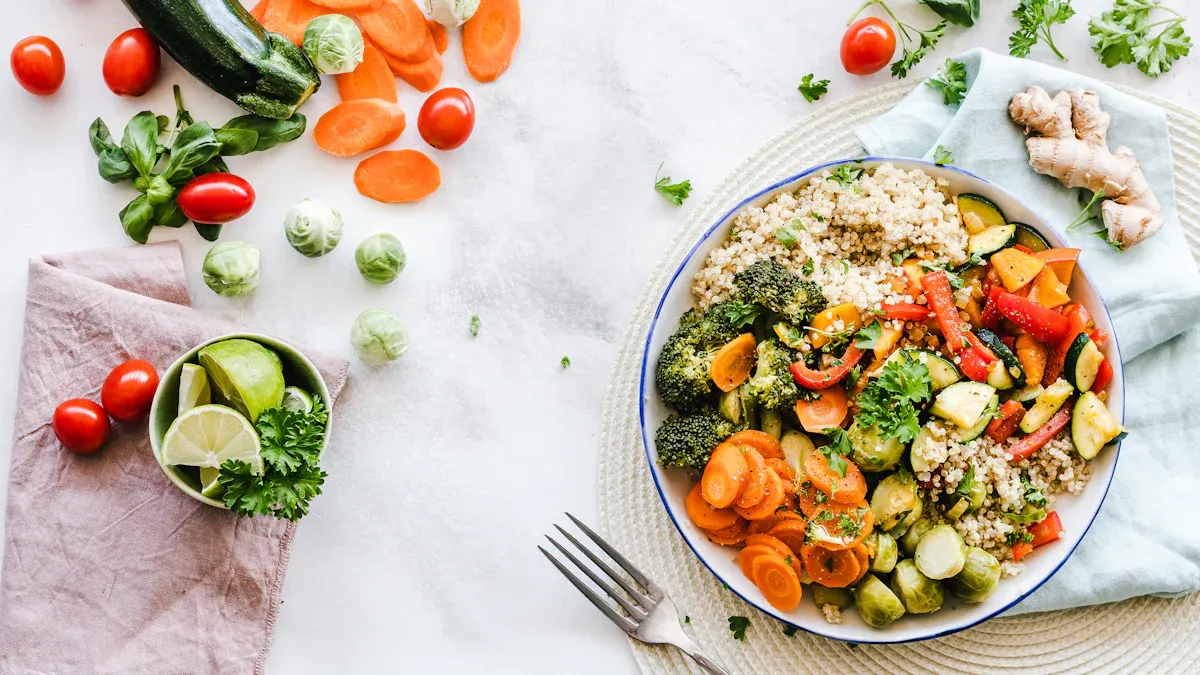
Your overall well-being, energy levels, and disease prevention greatly improve with a balanced diet. Certain vital foods form the base of good nutrition. These foods provide important nutrients like vitamins, minerals, fiber, and healthy fats. This blog highlights 15 such foods. You will learn their importance and practical ways to include them for a healthier lifestyle. Integrating these foods is a powerful step towards optimal health. A healthy diet is achievable.
Key Takeaways
Eating nutrient-rich foods helps your body stay healthy and gives you energy.
Include leafy greens, berries, and whole grains for important vitamins and fiber.
Lean proteins like fish, chicken, and eggs build strong muscles and keep you full.
Healthy fats from avocados, nuts, and olive oil are good for your brain and heart.
Dairy and fermented foods like Greek yogurt and kimchi help your gut stay healthy.
Nutrient-Dense Staples for a Healthy Diet

You build a strong foundation for your well-being when you include nutrient-dense staples in your daily diet. These healthful foods give you a wide array of essential vitamins, minerals, and fiber. They form the base of a healthy eating pattern.
Leafy Greens (Spinach, Kale)
Leafy greens like spinach and kale are true powerhouses. They pack a lot of nutrients into very few calories. You get essential vitamins, minerals, and antioxidant compounds like carotenoids from them. These vital foods are crucial for your overall health.
Research shows that eating green leafy vegetables, such as spinach and kale, can lower your risk of certain cancers, cognitive decline, and heart disease. A 2021 review found that a higher intake of these vegetables was linked to a 7% reduced risk of all cardiovascular disease events, including stroke and coronary heart disease.
Both kale and spinach are rich in antioxidants. These compounds prevent oxidative damage to your cells. They protect you against chronic diseases. They also positively impact heart health by improving risk factors like high cholesterol and blood pressure. For example, a 12-week study showed that kale juice improved cholesterol levels and increased antioxidant status in men with high cholesterol. Another small study found that eating spinach soup for seven days improved blood pressure due to dietary nitrates.
These vegetables also contain cancer-fighting compounds. Test-tube and animal studies show these compounds can decrease the growth and spread of cancer cells. Kale provides over four times the daily recommended intake of vitamin K, which is crucial for blood clotting and bone health. It also contains iron, calcium, magnesium, potassium, and folate. These nutrients contribute to stronger bones and deeper sleep. Spinach is also nutrient-dense. It contains iron, calcium, magnesium, potassium, vitamins A, K, and folate. It also has plant compounds with antioxidant activity. Eating spinach can lead to stronger bones, better sleep, and a healthier heart. Spinach contains nitrates. These nitrates convert to nitric oxide in your body. This relaxes blood vessels and helps your cardiovascular health and exercise performance.
Berries (Blueberries, Strawberries)
Berries are delicious and offer many health benefits. Blueberries and strawberries are often called superfoods. They are full of vitamins, minerals, and antioxidants. These tiny fruits are a great addition to your diet.
Strawberries are especially rich in Vitamin C. A single serving gives you 100% of your daily value. This vitamin is important for your immune function and helps fight free radicals. Strawberries also contain folate (Vitamin B9) and potassium. Blueberries are known as “antioxidant superstars.” They also provide Vitamin C. Blueberries contain Vitamin K, which is crucial for blood clotting, wound healing, and maintaining strong bones.
You can see the differences in their nutrient profiles:
Nutrient | Blueberries | Strawberries |
|---|---|---|
Vitamin K | 9 times more | Less |
Vitamin C | Less | 5 times more |
Folate | Less | 4 times more |
Copper | More | Less |
Zinc | More | Less |
Potassium | Less | Somewhat higher |
Iron | Less | Somewhat higher |
Calcium | Less | Somewhat higher |
Magnesium | Less | Somewhat higher |
Phosphorus | Less | Somewhat higher |
Selenium | Less | Somewhat higher |
Both berries offer essential nutrients. They are a sweet way to boost your health.
Whole Grains (Oats, Quinoa, Brown Rice)
Whole grains are essential for sustained energy and digestive health. Foods like oats, quinoa, and brown rice are excellent source of fiber. They provide complex carbohydrates that your body digests slowly. This gives you a steady release of energy.
Fiber is a key component of whole grains. It helps keep your digestive system running smoothly. It also helps you feel full longer, which can support weight management. Quinoa, for example, is a complete protein. This means it contains all nine essential amino acids your body needs. Brown rice offers important B vitamins and minerals like magnesium. Oats are known for their beta-glucan fiber. This type of fiber can help lower cholesterol levels. Including these whole grains in your meals provides lasting energy and supports your overall nutrition.
Lean Proteins for Strength & Satiety
These protein sources support muscle health. They provide sustained energy. They also help you feel full longer. This is crucial for a balanced diet.
Salmon and Fatty Fish
Salmon and other fatty fish are excellent sources of lean protein. They also provide omega-3 fatty acids. These are healthy fats your body needs. Omega-3s are good for your heart and brain. They help reduce inflammation. The American Heart Association advises consuming two 3-ounce servings of fatty fish weekly for optimal heart health. You get no additional heart benefit from exceeding this amount. Eating fatty fish at least twice a week promotes heart and brain health.
Chicken Breast (Skinless)
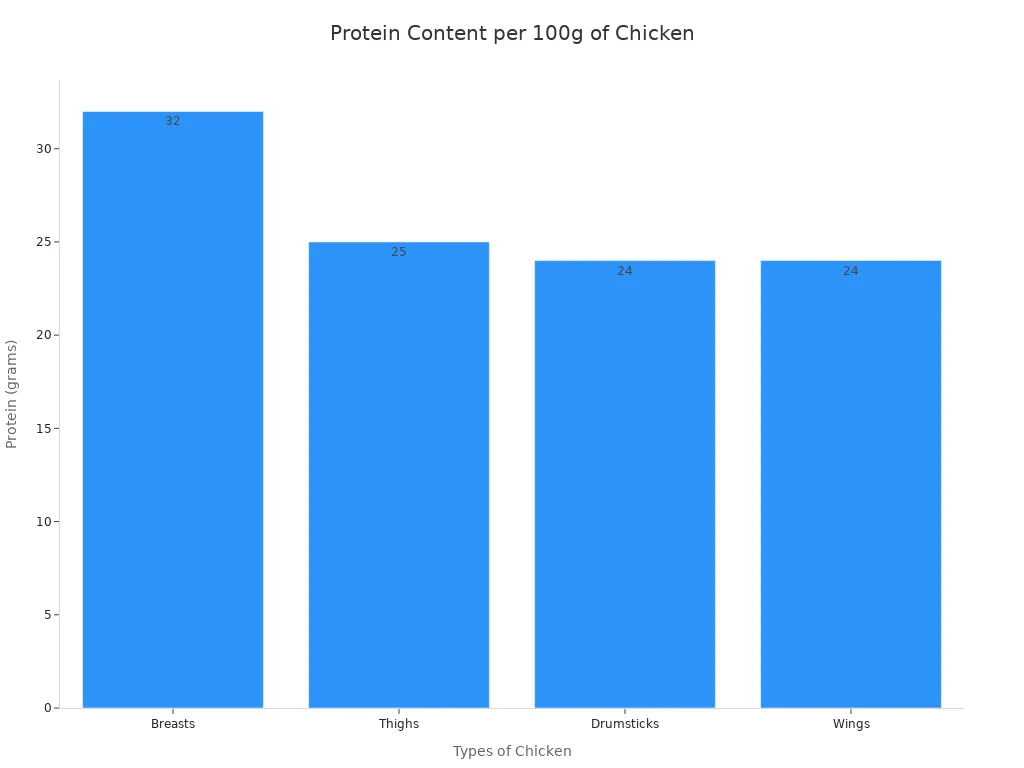
Skinless chicken breast is a popular lean protein choice. It is low in fat and high in protein. This makes it great for building and repairing muscles. It also helps you feel satisfied after meals. A 3.5-ounce portion of chicken breast provides 23 grams of protein. A skinless, cooked chicken breast contains 32 grams of protein per 100 grams.
Here is how different chicken parts compare in protein content:
Types of chicken | Protein per 100 grams |
|---|---|
Breasts | 32 |
Thighs | 25 |
Drumsticks | 24 |
Wings | 24 |
Chicken breast is a versatile food. You can include it in many meals.
Legumes (Lentils, Beans)
Legumes like lentils and beans are plant-based protein powerhouses. They offer significant health benefits. They are rich in fiber and plant protein. This makes them a vital food group for your diet.
Legumes are great for your digestive health:
Insoluble fiber in legumes helps prevent constipation.
Soluble fiber in legumes feeds beneficial gut bacteria. This aids in digestion and nutrient absorption.
Resistant starch in legumes also provides nourishment for the gut microbiome. This happens when it breaks down in your colon.
Legumes also help regulate your blood sugar:
They help stabilize blood sugar levels. This prevents spikes and crashes.
Regular consumption of legumes links to lower blood sugar levels.
The resistant starch in beans may help reduce the risk of developing Type 2 diabetes.
Legumes are low glycemic index (GI) foods. They effectively reduce blood sugar and insulin responses after meals. This is compared to other carbohydrate-rich foods. The rich soluble and insoluble dietary fiber content in legumes contributes to this. Soluble dietary fiber reduces peak blood glucose. It increases the thickness of gut content. Insoluble dietary fiber changes gut hormones. It also delays sugar absorption. Increased consumption of dietary fiber has been shown to improve blood sugar and insulin levels in people with diabetes.
Eggs
Eggs are a complete protein source. This means they contain all nine essential amino acids your body needs. Eggs are also packed with important nutrients. They offer many health benefits beyond just protein.
Eggs contain essential nutrients that support brain function:
Choline: This nutrient is essential for cognitive health. It helps produce acetylcholine. This brain chemical is vital for learning and memory. It also aids in forming new neurotransmitters. These are crucial as they naturally decline with age.
Lutein and Zeaxanthin: These antioxidants are in egg yolks. They fight inflammation. Inflammation is a risk factor for Alzheimer’s disease and dementia. Higher intake links to a reduced risk of cognitive problems in older adults. It may also enhance brain performance in younger individuals.
Selenium: Eggs provide over 20% of your daily value for selenium. This mineral supports thinking and memory. It protects cells from oxidative damage. It can potentially improve brain health. It also aids recovery after a stroke.
Vitamin D: An egg supplies over 30% of your daily value. This vitamin is known for bone health. Research suggests it also plays a role in brain function. This makes it an important vitamin, especially during winter months.
Eggs are a versatile and affordable food. You can easily add them to your daily diet.
Healthy Fats for Brain & Body
You need healthy fats for your brain and body to work well. These fats provide energy. They also help your body absorb vitamins. They protect your organs. You find them in many whole foods.
Avocados
Avocados are a unique fruit. They are rich in healthy fats. You get monounsaturated fatty acids (MUFA) from them. These fats are good for your body. Avocados also give you dietary fiber, essential nutrients, and plant compounds. Many consider them a superfood. Eating avocados can improve your overall diet quality. You take in more beneficial nutrients like MUFA, polyunsaturated fats, fiber, vitamins E and K, magnesium, and potassium. You also consume less added sugar. People who eat avocados often have a lower body weight, BMI, and waist size. They also have higher levels of good cholesterol (HDL-cholesterol). Your chances of having metabolic syndrome are 50% lower if you eat avocados. This shows the good links between avocado intake, your diet, and your health.
A study looked at how avocados affect blood fat levels. Participants ate a diet where 30% of their energy came from fat. 75% of this fat was from avocado. This diet lowered total cholesterol and bad cholesterol (LDL cholesterol). This MUFA-rich avocado diet did not lower good cholesterol (HDL cholesterol). It also did not raise triglyceride levels. Low-saturated fat diets often cause these problems. Avocados are a great source of MUFA. They help manage high cholesterol without bad effects on HDL-cholesterol and triglyceride levels. This can reduce your risk of heart disease.
Healthy Nuts and Seeds
Nuts and seeds are small but mighty. They are packed with healthy fats, protein, and fiber. They are a great addition to your daily meals. Some nuts and seeds are especially rich in omega-3 fatty acids. These fats are important for your brain and heart.
Walnuts: You get 2.57 grams of ALA omega-3 fatty acids from a one-ounce serving.
Cashews: A one-ounce serving gives you 46 mg of omega-3 fatty acids.
Macadamia Nuts: You get 58 mg of omega-3 fatty acids per serving.
Pistachios: A one-ounce serving has 82 mg of omega-3 fatty acids.
These healthy fats help reduce inflammation. They also support brain function. You can sprinkle them on salads or yogurt. You can also eat them as a snack.
Olive Oil (Extra Virgin)
Extra Virgin Olive Oil (EVOO) is a cornerstone of the Mediterranean diet. It is a healthy fat. You get many health benefits from it. EVOO is rich in monounsaturated fats. It also contains powerful antioxidants. These antioxidants protect your body.
EVOO contains many types of antioxidants:
Phenyl alcohols: These include tyrosol and hydroxytyrosol.
Secoiridoids: These are oleuropein, oleuropein aglycone, and others.
Phenolic acids: You find caffeic, vanillic, and p-coumaric acids here.
Hydroxyl-isochromans: These are specific protective compounds.
Flavonoids: Luteoline and apigenine are examples.
Lignans: These include (+)‐pinoresinol.
These antioxidants give EVOO its healthy qualities. EVOO links to lower chances of heart disease, cancers, and immune problems. Specific compounds like hydroxytyrosol and oleuropein aglycone stop fats from spoiling. They also make EVOO more stable. EVOO’s plant compounds can also help control inflammation. They can help with related diseases and metabolic issues. You can use EVOO for cooking or as a dressing.
Vibrant Vegetables and Fruits
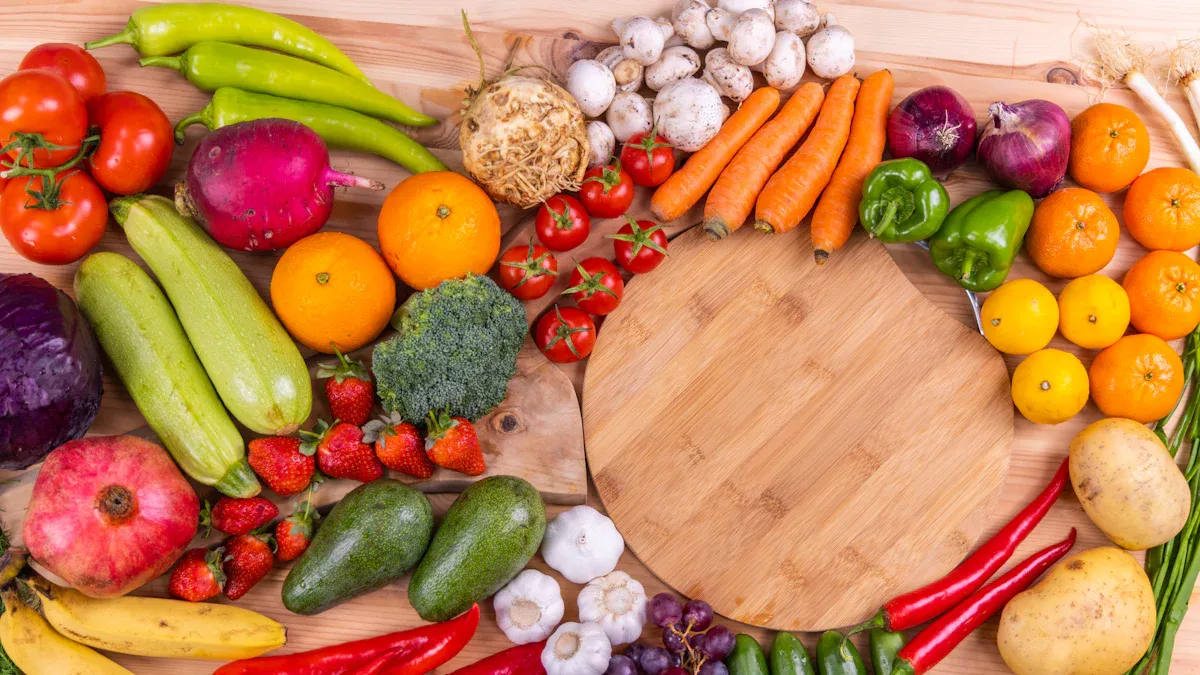
You add color and a wealth of essential compounds to your meals with vibrant vegetables and fruits. These healthful foods are packed with vitamins, minerals, and antioxidants. They play a crucial role in maintaining your overall well-being.
Broccoli and Cruciferous Veggies
Broccoli and other cruciferous vegetables like cauliflower, cabbage, and Brussels sprouts are true powerhouses. They offer significant health benefits. These vegetables contain unique compounds that support your body in many ways.
Broccoli contains powerful bioactive compounds. Sulforaphane is a primary example. Scientists study sulforaphane extensively for its anti-cancer properties. These compounds help your body’s natural detoxification processes. They also regulate how your cells grow. Laboratory and animal studies show sulforaphane can stop cancer cell growth. It can also cause apoptosis, which is programmed cell death. Sulforaphane modulates gene expression. This means it interferes with many stages of cancer development. Other important compounds include indole-3-carbinol (I3C), carotenoids, vitamins C and E, and various phenolic compounds. These compounds work together.
Sulforaphane has strong anti-cancer properties. It can inhibit histone deacetylase (HDAC). This effect is similar to drugs scientists investigate for cancer prevention. Cruciferous vegetables are rich sources of glucosinolates. These form active compounds like indoles and isothiocyanates when broken down. Examples include sulforaphane from glucoraphanin in broccoli and indole-3-carbinol from glucobrassicin. Other isothiocyanates and indoles are also under investigation for their ability to prevent cancer.
These compounds found in broccoli and other cruciferous vegetables offer several anti-cancer properties:
They help protect your cells from DNA damage.
They aid in inactivating carcinogens.
They possess antiviral and antibacterial effects.
They have anti-inflammatory effects.
They induce cell death (apoptosis).
They inhibit tumor blood vessel formation (angiogenesis). They also stop tumor cell migration, which is needed for metastasis.
Sweet Potatoes
Sweet potatoes are a delicious and nutritious root vegetable. They are a great source of vitamins, minerals, and fiber. You get complex carbohydrates from them. These provide sustained energy. Sweet potatoes are also known for their vibrant orange color. This color comes from beta-carotene, which your body converts to vitamin A.
Many people wonder about the glycemic index (GI) of sweet potatoes compared to white potatoes. The GI tells you how quickly a food raises your blood sugar. Sweet potatoes generally have a lower GI than white potatoes. This means they cause a slower, more gradual rise in blood sugar. This is beneficial for managing blood sugar levels.
Here is how cooking methods affect the glycemic index of sweet potatoes:
Cooking Method | Glycemic Index (GI) |
|---|---|
Boiled (30 minutes) | 46 (low) |
Boiled (8 minutes) | 61 (medium) |
Roasted (peeled) | 82 (high) |
Baked (peeled, 45 minutes) | 94 (high) |
Fried (peeled, in vegetable oil) | 76 (relatively high) |
Boiled white potatoes have a GI of about 82. Boiled sweet potatoes have a significantly lower GI of around 44. This difference happens because white potatoes have more fast-digesting amylopectin starch. Sweet potatoes contain more slow-digesting amylose. Sweet potatoes also have natural sugars that raise blood sugar more slowly. They contain antioxidants and polyphenols. These can slow digestion. You can enjoy sweet potatoes as a healthful food that provides an excellent source of fiber.
Bell Peppers
Bell peppers are colorful and versatile vegetables. They add a sweet crunch to many dishes. They are also packed with nutrients, especially vitamin C. You can find bell peppers in several colors. Each color offers slightly different nutrient profiles.
Bell peppers come in various colors:
Green
Orange
Yellow
Red
Red bell peppers have ripened longer. They contain about twice the amount of vitamin C compared to green bell peppers. One cup of chopped green bell pepper gives you 120 milligrams of vitamin C. A medium-sized red bell pepper contains 169% of the Reference Daily Intake (RDI) for vitamin C. This makes it a very rich source of this vital nutrient.
Here is a comparison of vitamin C content by color:
Bell Pepper Color | Vitamin C Content (per 100 grams) |
|---|---|
Green | 80 milligrams |
Yellow | 184 milligrams |
You can easily add bell peppers to your diet. They are great in salads, stir-fries, or as a snack. They provide many health benefits. They also help protect your body from heart disease.
Dairy & Fermented Foods for Gut Health
You can significantly improve your gut health by including dairy and fermented foods in your meals. These foods introduce beneficial bacteria to your digestive system. They help maintain a balanced and thriving gut microbiome.
Greek Yogurt
Greek yogurt is a popular dairy product. It is a probiotic fermented milk. You get many beneficial bacteria from it. These bacteria support your digestive system. Greek yogurt contains Bifidobacterium animalis (B. animalis). This healthy bacterium thrives in dairy products.
Common probiotic strains in yogurt include Bifidobacterium and Lactobacillus. You gain several benefits from consuming yogurt with these probiotics:
You improve risk factors for cardiovascular disease.
You lower your diabetes risk.
You enhance your host immunity.
You reduce the risk of dysbiosis and chronic kidney disease.
You increase the alpha diversity of your intestinal microbiome. You also reduce stress indicators. A study of healthy medical students showed these effects when they consumed yogurt daily.
Greek yogurt may help lower blood pressure. A 2013 meta-analysis supports this. It may also reduce your risk of type 2 diabetes. A 2014 study linked increased yogurt consumption to this benefit. The probiotics in Greek yogurt support a healthy bacterial balance in your gut.
Fermented Foods (Kimchi, Sauerkraut)
Fermented foods like kimchi and sauerkraut are excellent for your gut. They introduce diverse microorganisms to your digestive tract. These microorganisms contribute to a healthy gut environment.
A crossover intervention trial investigated sauerkraut’s impact on gut microbes. Eighty-seven participants consumed fresh or pasteurized sauerkraut daily for four weeks. Researchers observed changes in single bacterial species after consuming both types of sauerkraut. They used shotgun metagenomic sequencing. More pronounced changes occurred in the pasteurized sauerkraut group. This group also showed a significant increase in serum short-chain fatty acids (SCFAs). The study concluded that a healthy individual’s gut microbiome is resilient to short-term dietary interventions. However, individual species can change with sauerkraut consumption.
A review of studies on fermented foods highlighted kimchi’s benefits. Kimchi consumption increased Bifidobacteria spp. abundance. Researchers found an inverse correlation between Bifidobacterium abundance and waist circumference. Another study compared pasteurized and unpasteurized sauerkraut on IBS patients. Both types of sauerkraut decreased IBS severity scores. The unpasteurized group showed a higher abundance of sauerkraut lactic acid bacteria (LAB) in fecal samples. This suggests the beneficial effects come from the fermented cabbage’s enhanced bioactive properties. It is not solely from its microbial content. These foods are a great source of beneficial bacteria for your gut health.
Incorporating these 15 vital foods transforms your health. You achieve a balanced diet. Start with small, consistent changes. Embrace variety and mindful eating. Listen to your body’s needs. These foods become allies in your lifelong journey toward better well-being. Consult a professional for personalized diet advice.