

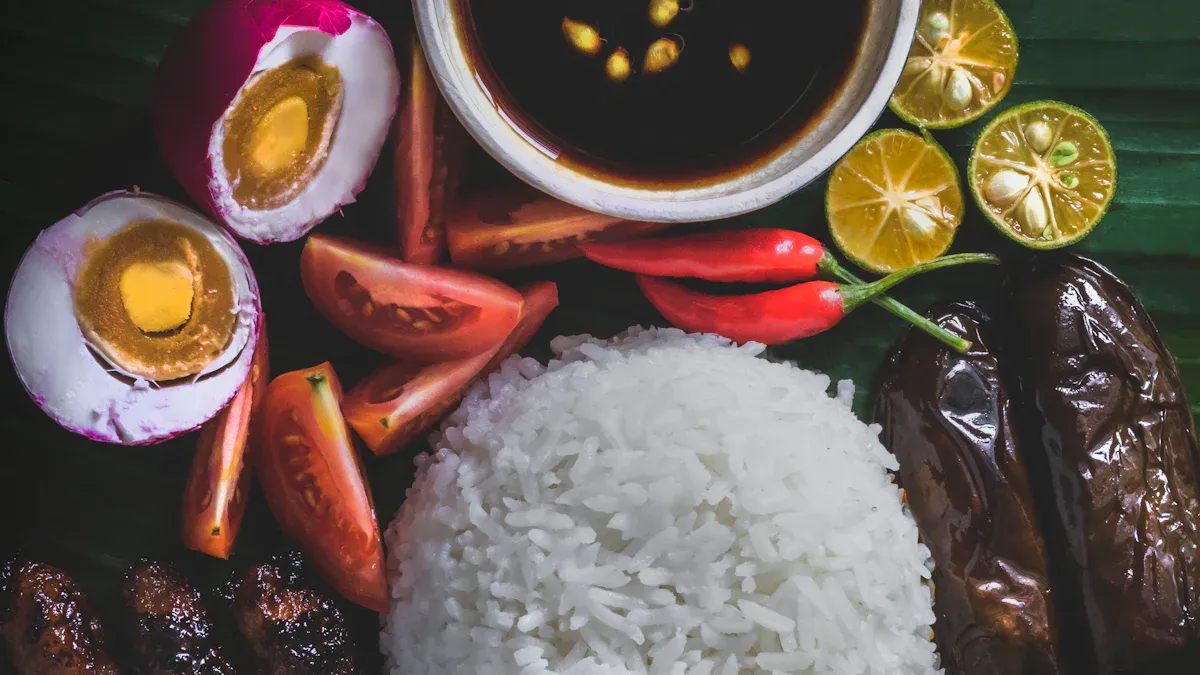
You like strong flavors, right? Filipino food mixes sweet, sour, and salty tastes well. This special tangy-sweet filipino taste makes cooking fun. It makes every meal exciting. Many people around the world like Filipino food. Its market is growing fast.
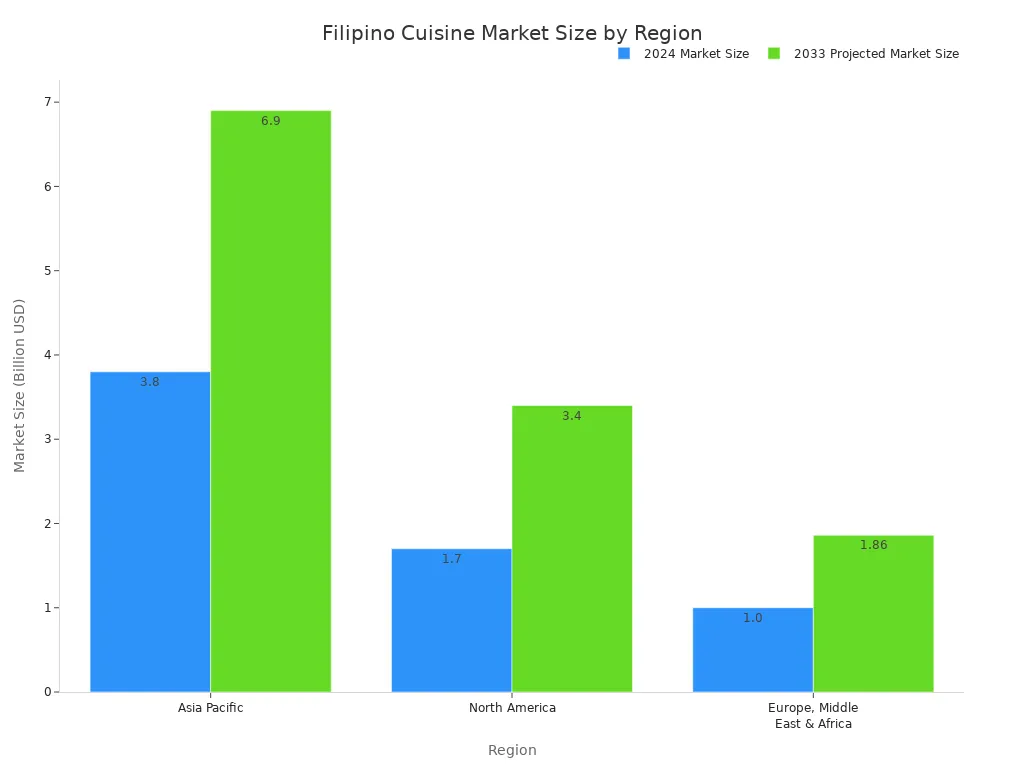
You will start a tasty trip! This guide has 20 classic sweet and sour filipino recipes. You will find yummy sweet and sour foods. You will also get helpful advice. Learn to make this popular recipe style perfectly.
Key Takeaways
Filipino sweet and sour dishes mix sweet, sour, and salty tastes. This makes a special and fun flavor.
Sugar makes it sweet. Vinegar, calamansi, or tamarind make it sour. These are key ingredients.
Mixing these tastes is a skill. Add more sugar or vinegar. This makes it taste how you like.
Many main foods use sweet and sour tastes. These include pork, chicken, fish (Escabeche), and beef meatballs.
You can make sweet and sour sauces at home. Use vinegar, sugar, and sometimes ketchup. Thicken it with cornstarch.
Filipino Sweet and Sour Flavors Explained
Do you like sweet and sour tastes? Filipino cooking balances these well. It makes a special flavor. This flavor stands out. It is not just sugar and vinegar. It is a mix of tastes. Every bite is exciting. Many dishes have this taste. They are comforting and delicious.
Key Ingredients for Sweetness and Sourness
You need good ingredients. They make the sweet and sour taste. Sugar makes things sweet. Brown sugar is often used. It adds a rich sweetness. This balances the sour taste. White sugar or honey are also used. They make sauces sweet.
Filipino food uses many sour ingredients. Vinegar is very common. Cane vinegar is a favorite. Calamansi is a small lime. It adds a bright, sour taste. Tamarind is also popular. It gives a fruity sourness. These sour tastes cut richness. They add a fresh zing. Garlic, ginger, and soy sauce are also important. They build the overall flavor.
The Art of Flavor Balance
Balancing sweet and sour is an art. It is not just making things sweet or sour. It is about how they work together. Each flavor should help the other. One should not be too strong.
Think about it like this:
Sweetness comes from sugar or honey. It calms bitter and sour tastes. It makes food enjoyable.
Acidity comes from vinegar or citrus. It brightens a dish. It cuts sweetness and heat. This makes food feel lighter.
You are the chef. You control this balance. Add more sour if it is too sweet. Add more sweet if it is too sour. This mix of sweet, sour, and salty is special. It makes Filipino sweet and sour dishes great. You will learn to trust your taste. Adjust as you cook.
Classic Sweet and Sour Filipino Recipes: Main Dishes
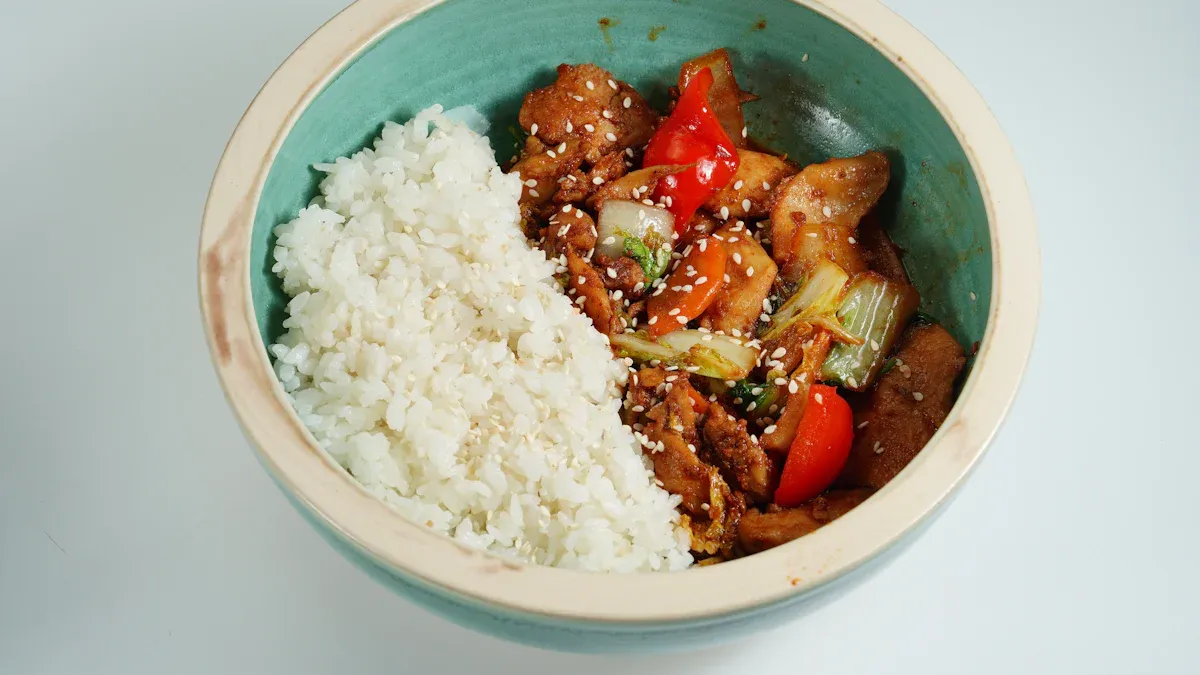
You are ready to cook some amazing main dishes! Filipino cuisine offers many sweet and sour options. These dishes are easy to make at home. They use different meats and seafood. You will find something you love.
Pork Sweet and Sour Dishes
Pork is a favorite for sweet and sour dishes. You can make a delicious “Sweet and Sour Pork Kasim Recipe.” This dish uses pork shoulder, called pork shoulder. It is quick and easy. You marinate the pork with soy sauce, salt, sugar, and egg whites. Then, you coat it in cornstarch and fry it until it’s golden.
Another popular choice is the “Sweet and Sour Pork Recipe.” For this, you marinate pork in soy sauce. Then, you coat it in egg and a flour/cornstarch mix before deep-frying.
Here is how you typically make these dishes:
You marinate pork slices with soy sauce, sugar, black pepper, and egg. Let it sit for at least 30 minutes.
You prepare the sweet and sour sauce. This sauce often includes pineapple juice, vinegar, ketchup, sugar, salt, and pepper.
You get your vegetables ready. Core and slice bell peppers. Peel and chunk onions. Smash and mince garlic.
You coat each marinated pork slice with a breading mix of flour and cornstarch.
You deep fry the breaded pork in hot oil until it turns golden brown. Do this in batches.
You sauté onions and garlic in a large skillet. Cook them until they are soft and lightly browned.
You add bell peppers and sauté for two more minutes. Then, you add pineapple chunks and cook for another minute.
You pour in the sweet and sour sauce. Add the fried pork pieces and bring it to a boil.
You simmer for 3-4 minutes. This thickens the sauce and softens the bell peppers.
You can also make the sauce separately. Then, you can drizzle it over the pork just before serving. This keeps the pork crispy. Or, you can simmer the pork in the sauce. This lets the pork absorb all the flavors.
Chicken Sweet and Sour Dishes
Chicken also shines in sweet and sour Filipino recipes. Filipino Chicken Adobo is a great example. It balances sweet, sour, and savory flavors. This dish is a staple in Filipino homes. It has a distinct soy flavor. The glaze is savory and sweet with a hint of tang. This sticky glaze comes from soy sauce, vinegar, black peppercorns, and sugar. It is an addictively sour, salty, and garlicky classic. The main ingredients, soy sauce and vinegar, give it that unique salty and vinegary taste.
You can also try a Chinese-Filipino style sweet and sour chicken.
You marinate chicken pieces in soy sauce and sherry.
Then, you coat them in cornstarch and fry until golden.
You make a separate sweet and sour sauce. This sauce uses soy sauce, white vinegar, sugar, ketchup, water, Worcestershire sauce, and cornstarch.
You sauté garlic, then bell peppers. Add the prepared sweet and sour sauce.
Finally, you add the fried chicken and pineapple chunks. Stir to coat everything.
Another delicious option is Paksiw na Lechon Manok. This recipe uses leftover roast or fried chicken. You simmer it in a mix of vinegar, soy sauce, and brown sugar. You sauté garlic, shallots, and chilies first. The vinegar gives it a sour taste. Soy sauce adds saltiness. Brown sugar adds sweetness. Bay leaves and black pepper are also added. Lechon sauce helps thicken it and blend the flavors.
Fish and Seafood Sweet and Sour Dishes
When you think of sweet and sour fish in the Philippines, you think of Escabeche. This is a very popular Filipino dish. Escabeche specifically means sweet and sour fish. You first fry the fish. Then, you marinate or soak it in a sweet and sour sauce. This dish is known for its colorful look and tangy-sweet flavor.
For Filipino escabeche, you typically shallow-fry the whole fish until it is crispy. While steaming or baking are healthier, frying is the traditional way to prepare this sweet and sour fish. The sweet and sour sauce is key to this recipe. It brings together the sweet and sour tastes perfectly. This sweet and sour recipe is a must-try for seafood lovers.
Beef Sweet and Sour Dishes
Beef also finds its place in sweet and sour Filipino recipes. Sweet Sour Meatballs, or Beef Meatballs, is a popular dish. Many families love it. Chinese take-out places, which are like Chinese take-out places, often specialize in this. You can make these meatballs with ground beef. Sometimes, you use a mix of ground beef and pork. You cook the sweet and sour sauce separately. It thickens and becomes glossy. This sweet and sour recipe was often ordered for special occasions. It is a significant part of Filipino culture. You will enjoy making these flavorful meatballs with their rich sweet and sour sauce.
Sweet and Sour Sides, Appetizers, and Sauces
You know, Filipino cooking is not just about amazing main dishes. It also has fantastic sides, appetizers, and sauces! These add more flavor and balance to your meal. They often carry that beloved sweet and sour taste too.
Vegetable Sweet and Sour Sides
Sometimes, you need something fresh and tangy to go with your rich main course. That is where vegetable sweet and sour sides come in! They offer a bright contrast.
One very popular Filipino side dish is Atchara. Have you tried it? It is a tangy pickled vegetable dish. You make it from grated green papaya, vinegar, and sugar. This simple mix gives you a wonderful sweet and sour flavor profile. It is crunchy, refreshing, and cuts through the richness of fried or grilled meats perfectly. Imagine having it with your favorite fried fish or even a hearty escabeche! You can also find variations with carrots, bell peppers, and raisins. These add more color and texture to this delightful side.
Noodle Sweet and Sour Variations
Noodles are a big part of Filipino cuisine. While not as common as main dishes, you can find sweet and sour twists in some noodle preparations. Think about a light sauce that balances savory noodles with a hint of sweetness and a bright sour kick. You might find this in certain pancit dishes, where a touch of vinegar or calamansi juice brightens the overall flavor. Sometimes, a sweet and sour sauce can even be drizzled over plain fried noodles to give them an exciting new taste. This makes a simple noodle dish feel special.
Essential Sweet and Sour Sauces and Dips
Now, let’s talk about the heart of many sweet and sour dishes: the sauces! These are fundamental components. You can use them as a dip or as a cooking sauce.
So, how to make sweet and sour sauce? It is easier than you think! A classic Filipino sweet and sour sauce often starts with a base of vinegar, sugar, and sometimes ketchup. You thicken it with cornstarch to get that perfect glossy consistency.
Here is a common way to make sweet and sour sauce:
You mix 1/4 cup distilled vinegar, 1/4 cup soy sauce, 1/4 cup ketchup, 1/2 cup plus 2 tablespoons of water, 2 tablespoons of sugar, and 1 tablespoon of cornstarch.
You whisk these together until smooth.
Then, you cook it over medium heat, stirring until it thickens.
You can also add other ingredients to make your sweet and sour sauce even better. Pineapple juice adds a fruity, sweet taste and a bit of sourness. Rice vinegar provides tanginess, but you can use distilled white or palm vinegar too. Just remember, you might need a little more sugar with those. Brown sugar gives a deeper sweetness. Don’t forget salt; it enhances flavor and balances the sweetness. You can also sauté bell peppers in a little oil before adding the sauce for extra color and texture. This versatile sweet and sour sauce is perfect for almost anything, from fried chicken to a beautiful escabeche.
Beyond the main sweet and sour sauce, you have other great dips:
Sweet and Sour Sauce (Calamansi-based): This version uses kalamansi juice for its sour kick, sugar for sweetness, and soy sauce for saltiness. You thicken it with flour and water. Some people even add red hot pepper for a spicy kick! It is a fantastic dip for spring rolls or fried fish.
Banana Sauce/Ketchup: This is a unique Filipino condiment. It is sweet and made from mashed bananas, vinegar, sugar, spices, and water. You often use it as a dip for fried meats or fish, especially with silog (garlic rice and fried egg). It also works great as an ingredient in Filipino-style sweet spaghetti sauce or as a marinade for grilled meats.
You also have sauce. This is another notable Filipino condiment. It offers tangy, sweet, and savory flavors all in one. It is often served with roasted meats like lechon. These sauces truly show how Filipino cuisine masters the sweet and sour balance. They make every bite exciting, whether you are enjoying a simple snack or a grand escabeche meal.
Tips for Perfect Sweet and Sour Filipino Cooking

You want to make your sweet and sour dishes perfect. These tips will help you cook well. You will learn the flavors and methods.
Adjusting Flavors to Personal Taste
Filipino cooking needs balance. You are the chef. You control the taste. Always taste your food while cooking. Is your sweet and sour sauce too sweet? Add more vinegar or calamansi juice. Is it too sour? Add a little more sugar. You can also add soy sauce or salt. This adds savory depth. Do not be afraid to try new things. Your perfect sweet and sour recipe is waiting.
Sourcing Authentic Filipino Ingredients
Finding real Filipino ingredients can be hard. But do not worry. You have good choices. Many Asian stores have what you need. Can’t find fresh calamansi? Use lemons and limes. Bottled calamansi extract works too. Frozen calamansi juice is also good.
Here are some common ingredients. Here are their easy replacements:
Ingredient | Availability Challenge | Recommended Substitution/Alternative |
|---|---|---|
Fresh Calamansi | Not widely available in the U.S. | Lemons and limes; bottled calamansi extract or concentrated frozen calamansi juice |
Tomatoes (for ketchup) | Hard to grow locally in the Philippines | Banana ketchup (made from local produce) |
Annatto (Annatto) Seeds | Hard to break down fully in mortar and pestle | Annatto (annatto) powder |
Fresh Green Jackfruit | Can be tough to find and prepare | Canned young green jackfruit |
You can still make tasty Filipino food. Use these replacements. These other ingredients make cooking easier.
Mastering Key Cooking Techniques
Good cooking methods help a lot. Fry meat or fish for your dishes. Make sure the oil is hot. This makes it crispy outside. Want the meat to stay crispy? Add the sweet and sour sauce just before eating. Do you want the meat to soak up the sauce? Cook it for a few minutes. This lets the flavors mix. Always cut your vegetables evenly. They will cook at the same speed. This makes your dish have a good texture.
You now know about Filipino sweet and sour tastes. They are delicious. This special balance makes home cooking great. You have 20 sweet and sour Filipino recipes. They are amazing to try. Each recipe has a perfect mix of tastes. You can make these dishes your own. Try different sweet and sour balances. Find new family favorites. You will be happy.