Grape Nuts has long held its reputation as a wholesome, no-frills breakfast cereal. Many people consider this breakfast staple a healthy choice. What exactly makes Grape Nuts a nutritional powerhouse, and how can it truly benefit your health? Adults often need around 28 to 30 grams of fiber each day for good health. This whole-grain cereal, packed with fiber, offers powerful benefits. Its unique grape nuts nutrition profile sets the stage for a deep dive into its practical applications.
Grape Nuts Nutrition
Core Macronutrients and Fiber
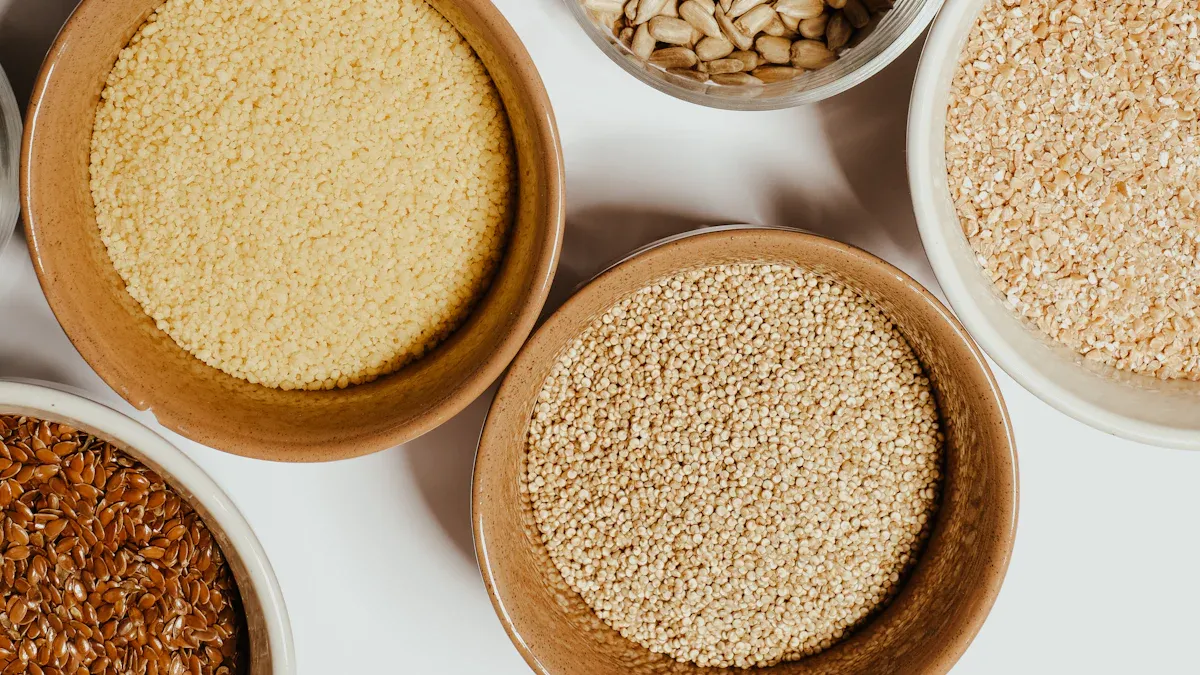
The grape nuts nutrition profile reveals a powerhouse of goodness. Grape Nuts Original cereal offers a robust nutritional profile. It contains no added sugars, saturated fat, or trans fat. The cereal is also cholesterol-free. These characteristics make it a healthy choice for many diets. A half-cup serving of Grape Nuts provides significant amounts of essential macronutrients. For example, it delivers 7 grams of dietary fiber. This amount accounts for 27% of the daily recommended value. This makes it one of the leading high-fiber cereals available. Each serving also contains 52 grams of whole grain, making it an excellent source of whole grains. Furthermore, a serving offers 6 grams of protein, which is comparable to the protein found in a large egg. This protein content helps with satiety. A typical 0.5 cup (58g) serving contains approximately 210 calories. This comprehensive nutrition helps fuel the body.
Here is a quick look at some key components per half-cup serving:
Nutrient | Amount per Half-Cup Serving |
|---|---|
Fiber | 7 grams |
Protein | 6 grams |
Sodium | 280 mg |
Added Sugars | 0 grams |
Vitamins, Minerals, and Fortification
Beyond macronutrients, Grape Nuts also provides a range of essential vitamins and minerals. Manufacturers fortify the cereal to enhance its nutritional value. This fortification ensures consumers receive vital elements.
The fortified vitamins and minerals include:
Reduced iron
Niacinamide
Zinc oxide (source of zinc)
Vitamin B6
Thiamin mononitrate (Vitamin B1)
Folic acid
These added nutrients contribute to overall health and well-being. The grape nuts nutrition plan includes these important additions.
Grape Nuts: Powerful Health Benefits
Digestive Wellness and Satiety
Grape Nuts offers significant advantages for digestive health. Its high fiber content plays a crucial role in maintaining regularity. Dietary fiber adds bulk to stool. This helps it move more easily through the digestive system. This process prevents constipation and promotes regular bowel movements. Fiber also nourishes beneficial gut bacteria. These bacteria produce fatty acids that support gut health.
Fiber comes in two main types:
Insoluble fiber: This type does not dissolve in water. It adds bulk to stool and speeds up its passage through the digestive tract. This promotes regularity.
Soluble fiber: This type dissolves in water. It forms a gel-like substance. This gel slows digestion and helps regulate bowel movements.
Whole grains and fiber also contribute to a feeling of fullness, known as satiety. This helps control appetite. When people feel full, they tend to eat less. Studies show whole grains can impact appetite. For example, a study compared whole grain bread to refined grain bread. Whole grain bread tended to increase feelings of fullness and satiety.
Another study looked at wholemeal pasta versus refined wheat pasta. Participants felt less hungry after eating wholemeal pasta. They also reported a higher sense of fullness. These changes linked to hormones that control appetite. A large review of many studies confirmed these findings. Whole grain intake led to less hunger and a greater feeling of fullness. This explains why whole grains can help manage weight.
Grain Type | Citation | Study Design | Subjects | Outcomes | Results |
|---|---|---|---|---|---|
Whole grain wheat compared to refined grain wheat | Kristensen et al., 2010 | Randomized crossover design, 4 arms: whole grain bread, refined grain bread, whole grain pasta, refined grain pasta. Foods provided 50g available carbohydrates, consumed as breakfast. | 10 females, 6 males (Age: 24.1 ± 3.8 yrs, BMI: 21.7 ± 2.2 kg/m2) | VAS assessment following test breakfast; Energy intake at ad libitum test lunch; Glucose response. | Whole grain bread tended to increase fullness (p = 0.096) and satiety (p = 0.078) compared to refined grain bread. No differences in ad libitum energy intake were observed. |
Heart Health and Energy
The whole grains in Grape Nuts significantly benefit heart health. A single serving provides 52 grams of whole grain. This amount contributes to the recommended daily intake for heart protection. Health experts suggest consuming 2 to 3 servings (about 45g) of whole grains daily. This goal helps prevent cardiovascular disease. The American Heart Association highlights whole grains as vital for lowering the risk of heart disease and stroke.
Whole grains and fiber also provide sustained energy. They help maintain stable blood sugar levels.
Dietary fiber slows sugar absorption. This prevents rapid spikes in blood glucose. It improves blood sugar control.
Whole grain foods offer complex carbohydrates. The body breaks these down slowly. This provides a steady release of energy. It helps avoid energy crashes.
Fiber also supports gut bacteria. These bacteria produce short-chain fatty acids (SCFAs). SCFAs help regulate appetite and improve insulin sensitivity. This keeps blood sugar stable.
Whole grains contribute to heart health through several mechanisms:
They improve vascular reactivity. This relates to how blood vessels respond.
They enhance endothelial function. This is the health of the blood vessel lining.
They reduce inflammation. Whole grains help maintain protective adiponectin concentrations.
They provide beneficial nutrients. These include fiber, vitamins, minerals, antioxidants, lignans, and phytosterols. These components work together to protect the heart.
Bone and Overall Vitality
Grape Nuts also supports overall vitality and bone health. The cereal is fortified with essential vitamins and minerals. These nutrients play many roles in the body. Iron helps carry oxygen in the blood. Manganese is important for bone formation and metabolism. Folate supports cell growth and function. Phosphorus is a key component of bones and teeth. Vitamin B6 and Vitamin B3 (niacin) are vital for energy production. Vitamin B1 (thiamin) helps convert food into energy. Copper and magnesium also contribute to bone health and many bodily functions. This comprehensive grape nuts nutrition profile helps maintain strong bones and supports general well-being.
Grape Nuts: Important Considerations
Serving Size and Calorie Awareness
Understanding serving sizes helps manage calorie and nutrient intake. A typical serving of Grape Nuts is 0.5 cup. However, some people consume a full cup. Knowing the calorie difference between these amounts is important for dietary planning.
Serving Size | Calories |
|---|---|
0.5 cup(s) | 221 |
1 cup | 420 |
People should adjust their serving size based on their individual calorie needs. This helps them maintain a balanced diet.
Sodium Content and Dietary Needs
Grape Nuts contains sodium. Individuals on restricted diets, especially those managing blood pressure, should be aware of this. Health experts recommend a target sodium intake of 2,300 mg per day. Reducing sodium intake further to 1,500 mg per day can lead to additional blood pressure lowering effects.
However, the DASH eating plan emphasizes selecting foods lower in sodium. This plan encourages vegetables, fruits, whole grains, and lean proteins. It limits fatty meats, full-fat dairy, and sugary drinks. People following such plans should consider the sodium content in their cereal choices.
Allergen and Dietary Sensitivities
Individuals with certain dietary sensitivities need to check food labels carefully. Grape Nuts Original cereal contains wheat. Wheat is a common allergen. People with wheat allergies or celiac disease must avoid this product. Always review the ingredient list to ensure the cereal meets specific dietary requirements.
Grape Nuts: Versatile Uses

Grape Nuts offers many ways to enjoy its powerful nutrition. People can easily incorporate it into various meals. It goes beyond just a simple bowl of cereal.
Creative Breakfast Additions
You can make your breakfast more exciting with Grape Nuts. It adds a satisfying crunch to many dishes. For example, sprinkle Grape Nuts on top of yogurt or fresh fruit. This gives a pleasant texture and boosts fiber. You can also mix it into oatmeal. Consider making a Grape-Nuts & Quick Oats Oatmeal for a quick, warm breakfast. For a cool option, try a Grape-Nuts Apple Pie Breakfast Parfait.
This layers cooked apples, vanilla Greek yogurt, and Grape Nuts. Another delicious breakfast idea is the Grape-Nuts Greek Yogurt Pumpkin Parfait. It combines creamy, pumpkin-spiced yogurt with crunchy Grape Nuts. People also enjoy Apple Pie Overnight Grape-Nuts, a convenient overnight breakfast pudding. For a sweet start, try a Grape-Nuts Cereal Hot: Chocolate Coconut Almond Bowl. This features Grape Nuts with coconut milk, chocolate chips, and sliced almonds. These breakfast suggestions help you start your day with a nutritious breakfast.
Enhancing Snacks and Meals
Grape Nuts also enhances snacks and other meals. Add it to a salad for extra crunch and whole grain benefits. You can mix it into smoothie bowls for added texture and fiber. It works well as a topping for baked apples or fruit crisps. This cereal makes a great addition to trail mix for an energy-boosting snack. Its dense texture helps you feel full longer.
Baking and Recipe Integration
Bakers often use Grape Nuts in recipes. It adds a unique texture and nutritional boost to baked goods. You can make Grape Nuts Muffins with Cranberries for a healthy treat. Banana Crunch Muffins also benefit from the addition of Grape Nuts. People bake Apricot Grape-Nuts Bread for a flavorful loaf. Low-Fat Grape-Nuts Muffins with Applesauce offer a lighter option. Beyond sweet dishes, Grape Nuts works in savory recipes too. Chefs use it as a binder in dishes like Grape-Nuts® Baked Meatloaf. Its texture also makes it suitable for savory pie crusts. Using Grape Nuts in these ways makes it easy to increase your daily fiber intake.
Grape Nuts stands as a whole-grain, fiber-rich food. It contains 0g added sugars and significant protein. This grape nuts nutrition profile offers powerful benefits. It supports digestive health, provides sustained energy, and promotes heart health. It contributes to overall well-being. Consumers should consider serving sizes and sodium content for mindful consumption. Grape Nuts offers great versatility beyond a simple breakfast. Explore its many uses to harness its powerful benefits in your daily diet.